Japan’s eight major regions at a glance
Japan has 47 prefectures grouped according to geographical, historical and cultural criteria. This organisation helps explain distances and differences in atmosphere, but it does not replace a local perspective: two prefectures in the same region may have very different landscapes, activities and living conditions.
| Region | Key features | General profile |
|---|
| Hokkaido | Sapporo, wide-open spaces, snow | Nature, winter, distinct climate |
| Tohoku | Festivals, mountains, hot springs | Rural life and traditions |
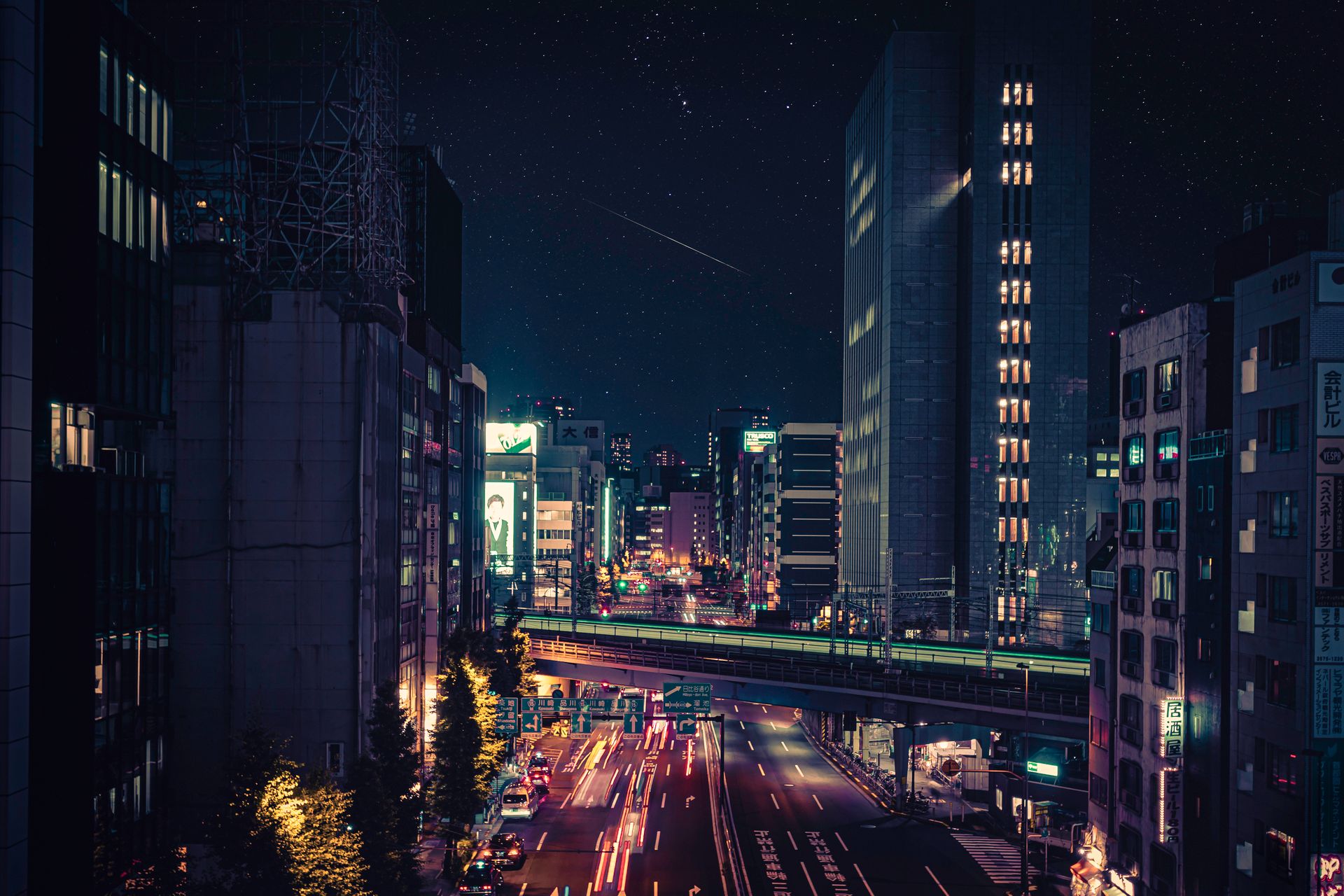
| Kanto | Tokyo, Yokohama, Nikko | Major metropolis and employment |
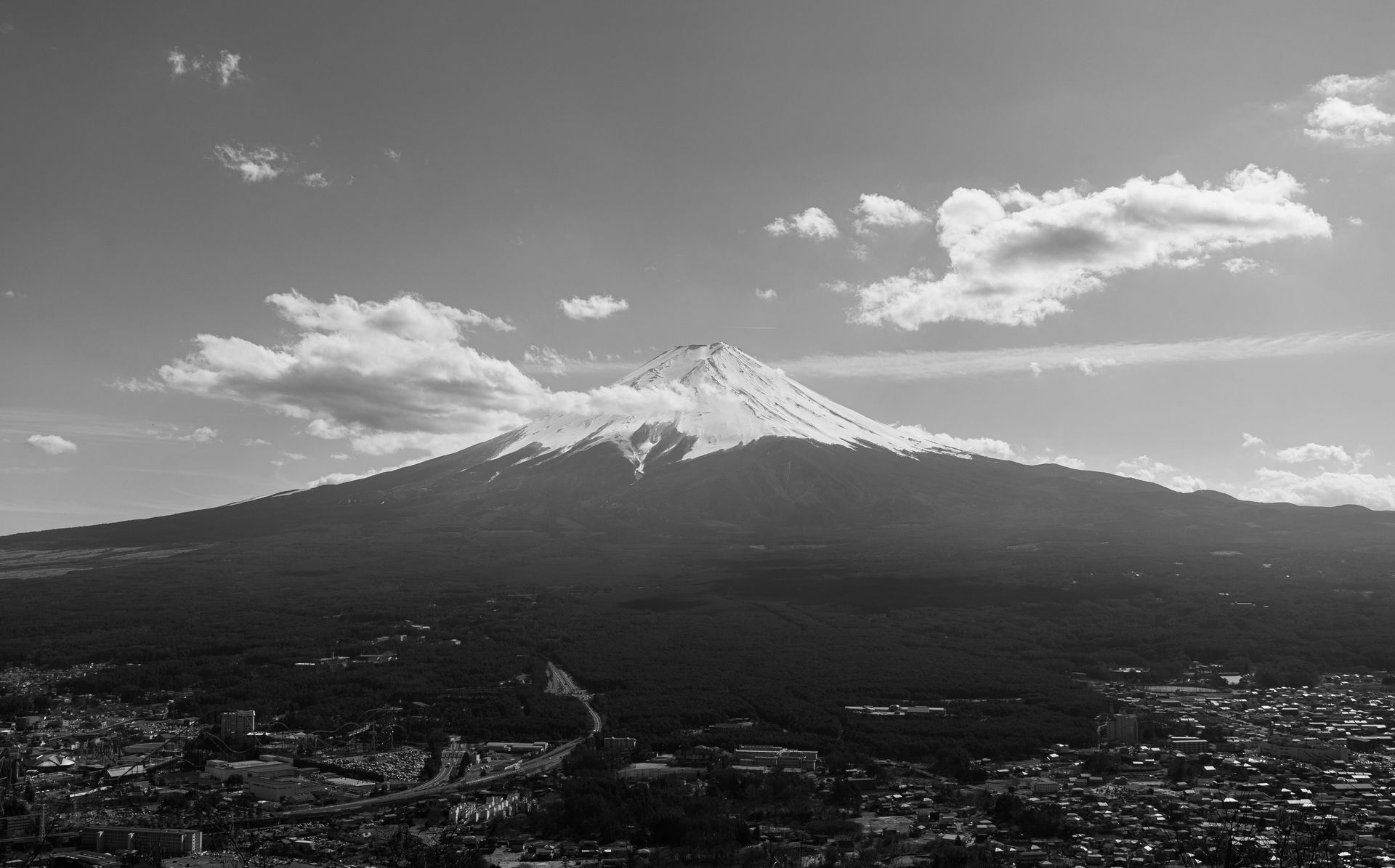
| Chubu | Mount Fuji, Japanese Alps, Nagoya | Mountains, industry and heritage |
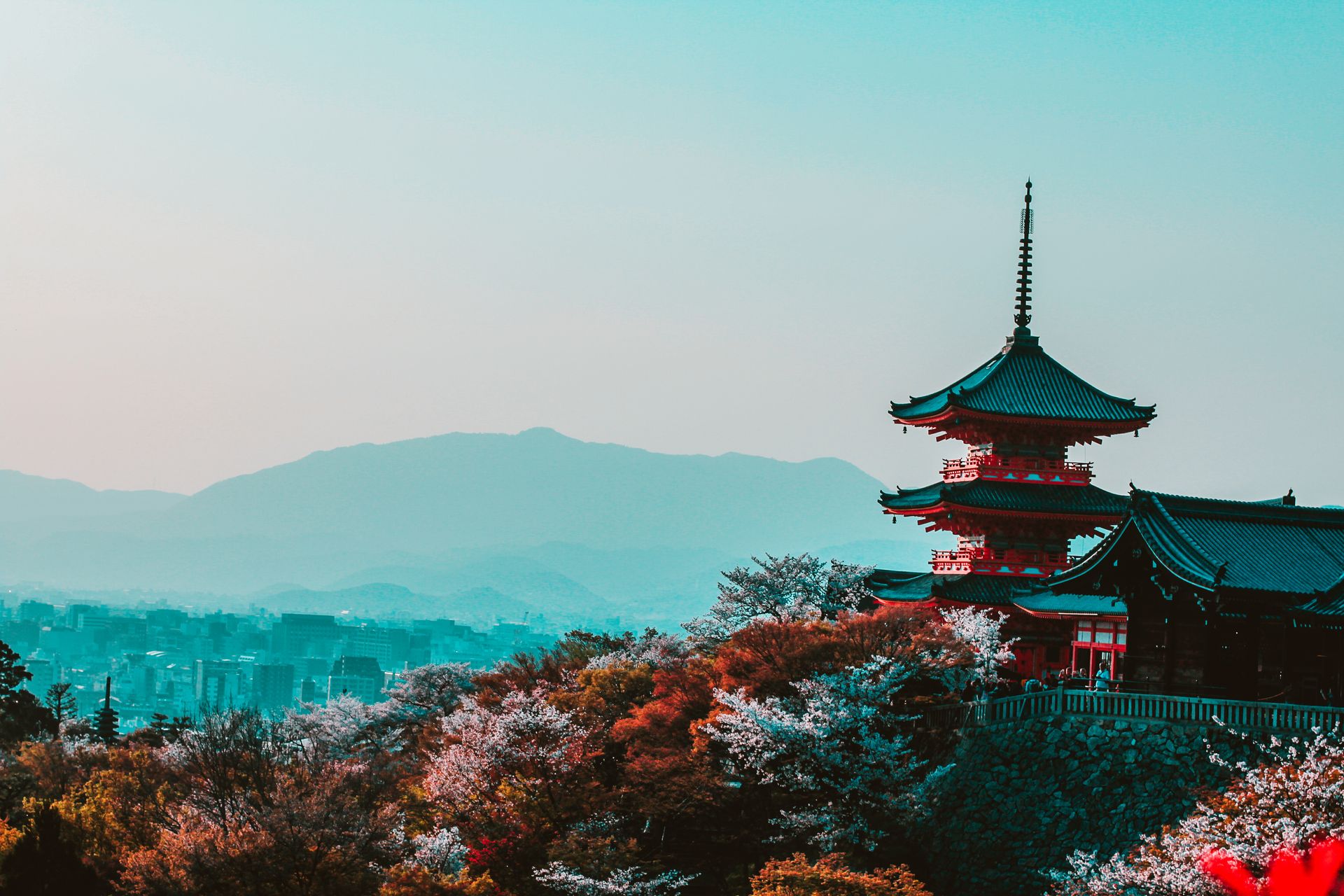
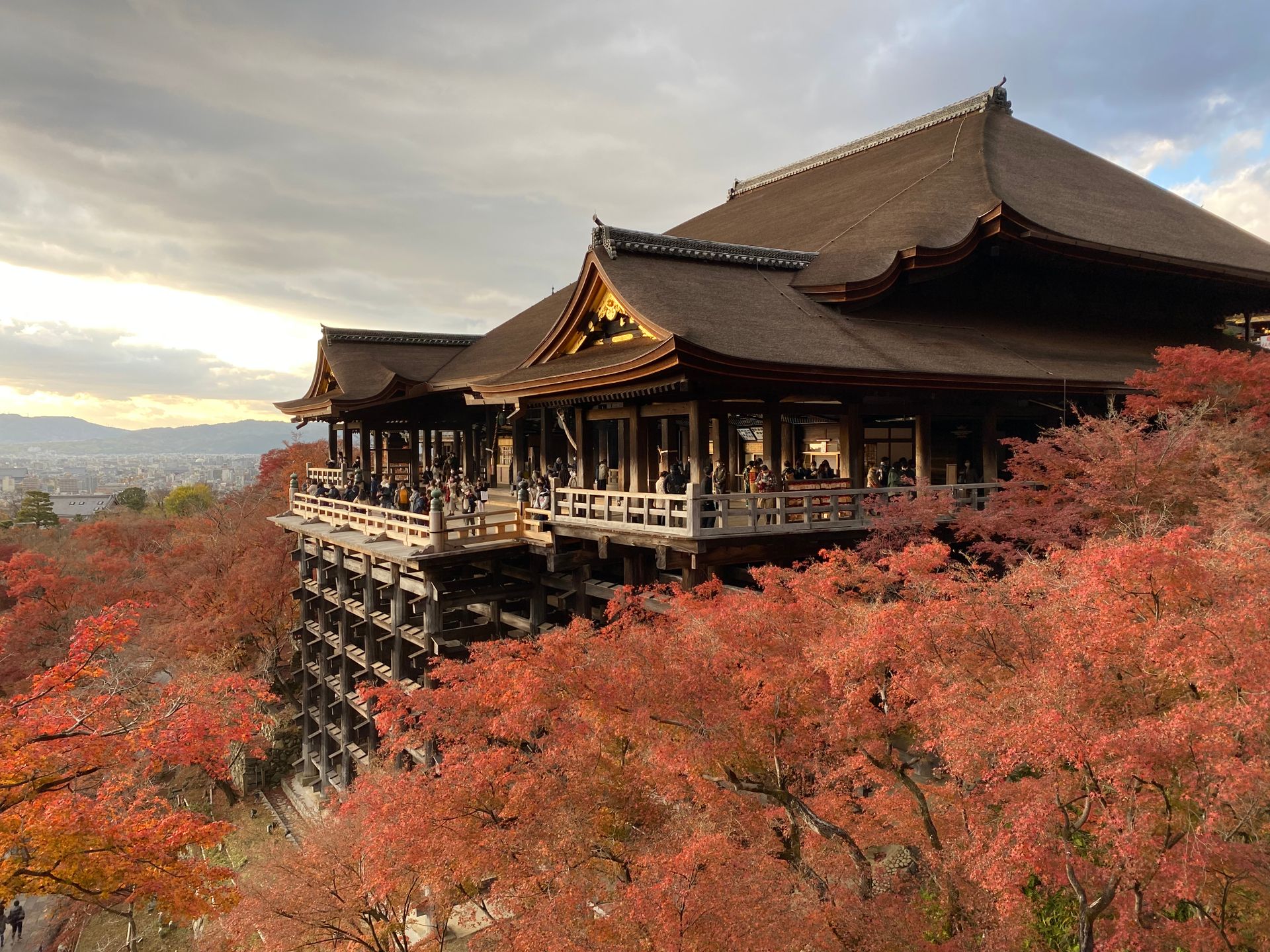
| Kansai | Kyoto, Osaka, Nara, Himeji | History, culture and urban life |
| Chugoku | Hiroshima, Miyajima, Tottori | Heritage, coastline and landscapes |
| Shikoku | Pilgrimage, valleys, coastline | Nature and a slower pace |
| Kyushu | Fukuoka, Beppu, Yufuin, Mount Aso | Volcanoes, hot springs and cuisine |
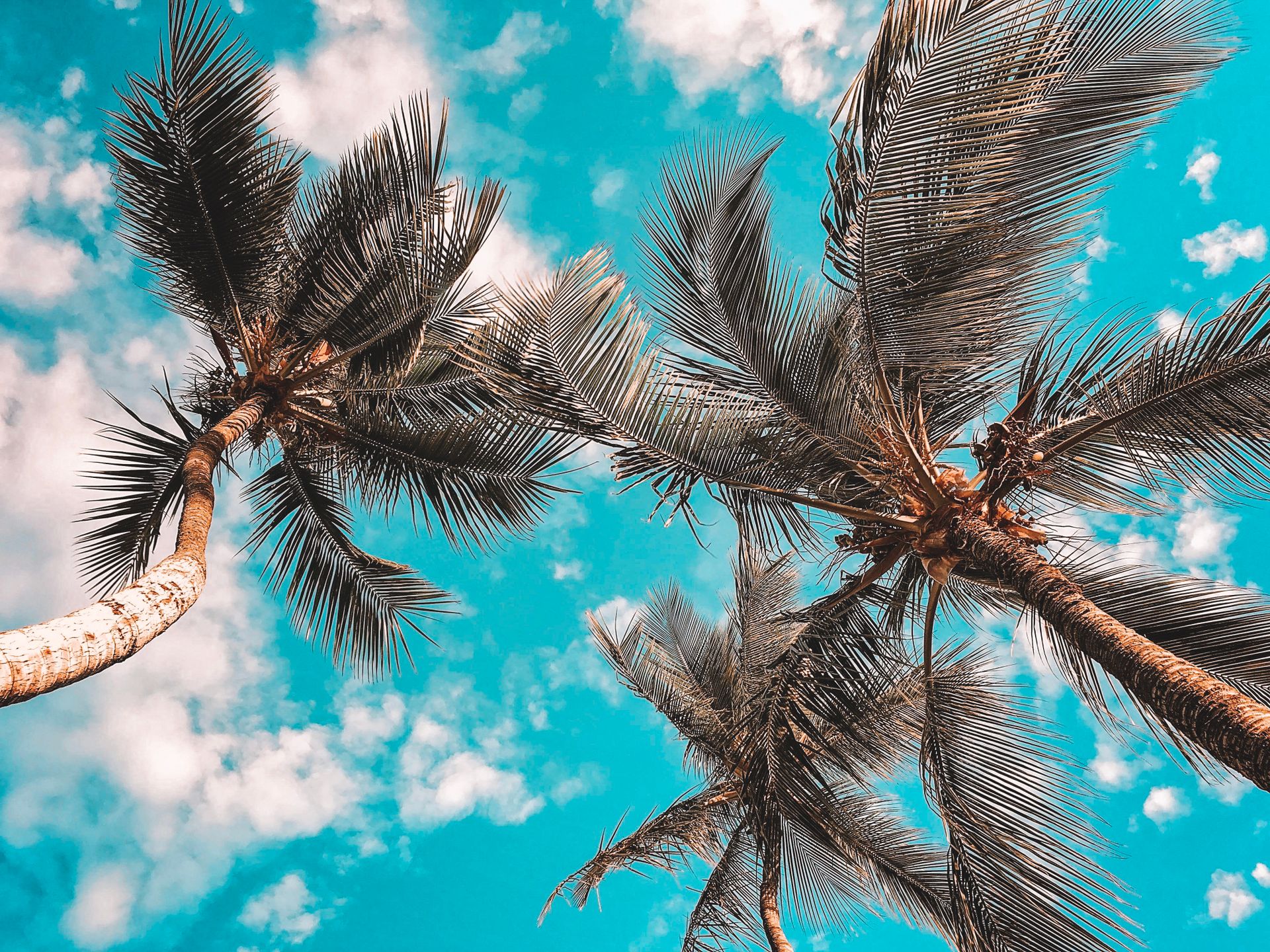
| Okinawa | Naha, subtropical islands and Ryukyu heritage | Sea, island culture and a subtropical climate |
Sources may refer to eight or nine regions, depending on whether Okinawa is included in Kyushu. This difference in classification does not change the reality on the ground: the Okinawa archipelago has a distinctive enough identity to be studied separately.
Which region of Japan should you choose for your plans?
For a first discovery of the country
Kanto offers an introduction to contemporary Japan with Tokyo and Yokohama. Kansai is better suited to those looking for temples, shrines, historic districts and cuisine around Kyoto, Osaka and Nara. Chubu offers a compromise between cities, mountains and heritage, particularly around Mount Fuji and the Japanese Alps.
Limiting your stay to a single region avoids having to change accommodation repeatedly. You can then plan an excursion to a nearby area, depending on the time available and the connections that are actually accessible from your starting point.
For nature and outdoor activities
Hokkaido stands out for its wide open spaces, volcanoes and winter landscapes. Tohoku attracts visitors with its mountains, festivals and onsens. Shikoku offers a more contemplative experience, between valleys and routes linked to the pilgrimage of the 88 temples. Kyushu combines volcanic terrain, hot springs and lively cities.
Okinawa meets a different expectation: beaches, marine biodiversity and an island atmosphere. Before choosing an island, check the transport, accommodation and services available for your plans. To explore this destination in greater depth, see the guide to Okinawa, Japan’s subtropical archipelago.
For living or working in Japan
Kanto concentrates a large share of urban opportunities, but it also means a dense environment and a fast pace of life. Kansai offers a metropolitan alternative around Osaka and Kyoto. Fukuoka, Nagoya, Sapporo or certain regional cities may suit you if you are looking for a different balance between services, employment and daily life.
In a rural area, find out before you leave about accommodation, travel, administrative procedures, access to healthcare and whether you will need to use Japanese. Do not choose solely based on the advertised cost: not having a car, being far from a station or having limited access to certain services can affect how you organise your life.
Your status also influences your choice of region. A tourist stay, local employment, studies or a Japan Working Holiday and its procedures do not involve the same constraints. Always check the applicable conditions with the relevant authorities and your institution or employer.
Climate, seasons and travel conditions
The climate varies greatly between Hokkaido in the north, the central regions and Okinawa in the south. Hokkaido is associated with snow and winter sports, while Okinawa has a subtropical atmosphere. Kanto and Kansai are often chosen in spring for the cherry blossoms, but popular periods can be very busy. In autumn, the mountains of Chubu and the historic sites of Kansai take on particular importance in itineraries.
The season alone is not enough to make a decision. Check local forecasts, transport conditions and any alerts before setting off. To prepare the right responses to natural hazards, see the guide on earthquakes in Japan and what to do.
Transport and planning between regions
The major regional cities are generally the easiest entry points from which to organise an itinerary. Journeys to mountainous areas, small islands or villages require more forward planning. Compare journey times, connections, timetables and service frequency before booking accommodation far from the main routes.
- Group visits by area to limit backtracking.
- Allow extra time when your itinerary depends on several connections.
- Check access conditions for islands and rural sites.
- Choose your accommodation according to your actual mode of transport.
For a relocation plan, ideally test the region outside a simple tourist itinerary. A neighbourhood that is pleasant on holiday will not necessarily meet the needs of your professional or family life.
A simple way to compare two regions
- Define your priority: heritage, nature, employment, studies, the sea or peace and quiet.
- Select two or three cities rather than an entire region.
- Compare transport, accommodation, services and the distance to activities.
- Check seasonal conditions and risks specific to the area.
- Ask for local information before a long-term move.
If budget is one of your criteria, distinguish between rent, everyday expenses, transport and leisure. The existing content gives a monthly estimate of 165,000 ¥ for a particular profile, including 85,000 ¥ for accommodation, 50,000 ¥ for food and 30,000 ¥ for transport and leisure. This provides a basis but is not a substitute for a personalised calculation. To put income and purchasing power into perspective, see the guide to the average salary in Japan and the minimum wage.
Frequently asked questions
Which is the most visited region of Japan?
Kanto and Kansai are at the heart of many well-known itineraries, with Tokyo, Kyoto, Osaka and Nara. Chubu is also popular thanks to Mount Fuji and its mountain landscapes. However, the best choice depends on your interests: a large city, heritage, nature, cuisine or the coast.
Where should you go in Japan to discover a less-visited region?
Tohoku, Shikoku, Chugoku and certain areas of Kyushu offer an experience further removed from the major urban circuits. Getting around may require more preparation. Choose a base city, check local transport and allow enough time to avoid an overly packed itinerary.
What is the difference between a region and a prefecture in Japan?
A region brings together several prefectures based on geographical and historical reference points. A prefecture is a local administrative division. The two terms therefore do not refer to the same level. To organise a stay or a move, then look for the specific city and prefecture, as conditions can vary within the same region.
Is Kansai limited to Kyoto and Osaka?
No. Kyoto and Osaka are its best-known cities, but Kansai also includes other destinations, including Nara and Himeji. Depending on your plans, you can combine heritage, urban life, gastronomy and historic sites without reducing the region to its two main cities.
Can you visit Okinawa like the rest of Japan?
Okinawa requires specific planning, as it is an island group with a subtropical climate, and getting around depends on the available connections. Its history, culture and landscapes differ from those of the main archipelago’s regions. Check transport, the weather and access conditions before planning your itinerary.