Shirakawa-go: Visit the Gasshō-Zukuri Village
Discover Shirakawa-go, a UNESCO-listed Japanese village with gasshō houses, Alpine scenery and practical advice for planning your visit.
Harajuku brings together three very different sides of Tokyo: the lively atmosphere of Takeshita Street, the wooded calm of Meiji-jingu Shrine and the shops and contemporary architecture of Omotesando. In a single walk, the neighbourhood takes you from kawaii culture and Japanese fashion to a place of contemplation, then on to a shopping avenue with a more refined style.
To appreciate this contrast, it is best not to view Harajuku as simply a shopping area. Takeshita Street attracts visitors with its shop windows and streetwear, while the surroundings of Meiji-jingu invite you to slow down. Omotesando continues the visit with its shops, cafés and buildings noted for their contemporary architecture. Your route can also be planned around the rest of your stay: the pages about Tokyo’s best areas to visit and stay in and the Tokyo subway map help you place Harajuku within the capital. If you want to continue exploring on foot, Shibuya’s main attractions are also within reach.

Harajuku is best discovered through its changing atmosphere. Takeshita Street concentrates the commercial activity and a highly distinctive visual expression, while the paths leading to Meiji-jingu Shrine quickly take you away from the urban noise. Omotesando, finally, offers another perspective on Tokyo, with large façades, shops and a more orderly atmosphere.
This proximity makes the neighbourhood interesting even for visitors who do not want to shop. You can observe how different styles coexist: clothing inspired by kawaii culture, streetwear silhouettes and shop windows with a more minimalist aesthetic. The transition from a crowded street to a shrine complex also highlights Tokyo’s ability to place very different uses and rhythms side by side.
| Place | What to expect | Best suited to |
|---|---|---|
| Takeshita Street | Shops, fashion and heavy pedestrian activity | Discovering trends and commercial energy |
| Meiji-jingu | A shrine and paths in a wooded environment | Taking a break and observing the site’s practices |
| Omotesando | Shops, cafés and contemporary architecture | Extending your walk and looking at the façades |
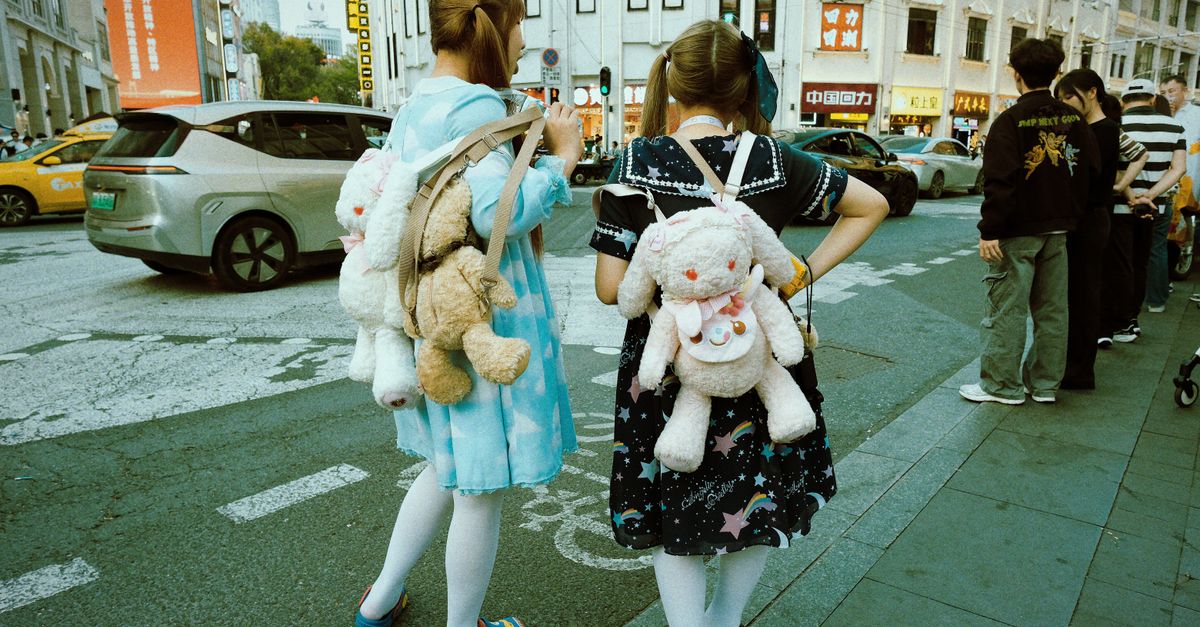
Takeshita Street is the area most immediately associated with Harajuku’s popular image. Its shops showcase clothing, accessories and objects that play with colours, patterns and visual references. For anyone interested in Japanese fashion, its appeal is not limited to shopping: the window displays and styles worn in the street create a scene where trends are as much observed as sold.
Kawaii culture appears here in many forms, without being limited to a single dress code. Some items use bright colours or playful details; others offer a more understated interpretation of this world. Streetwear sits alongside these influences, showing how styles blend together. It is therefore useful to look at the shop fronts with curiosity rather than trying to find a single definition of Harajuku.
The street can make walking less comfortable when many visitors are gathered in the same place. Keeping your belongings close, leaving a clear passage and following shops’ instructions make the visit more pleasant. If your aim is to shop, it is best to compare stores and check purchase conditions directly on site, as availability and commercial practices may vary.
To plan a broader itinerary in the capital, information about the best areas to stay in Tokyo can help you choose a suitable starting point. Takeshita makes most sense when considered as a gateway to the neighbourhood’s other sides, rather than as its only attraction. You can also combine this visit with Tokyo’s monthly weather guide when deciding how much time to spend outdoors.
Meiji-jingu Shrine offers a striking contrast with the nearby shopping streets. The approach follows tree-lined paths, in an atmosphere that encourages you to slow down and speak quietly. This change of pace is one of the most memorable aspects of the visit: just a few minutes’ walk are enough to leave some of Harajuku’s bustle behind.
Meiji-jingu is a Shinto place of worship. Visitors can observe the shrine’s features and gestures of devotion, while remembering that it is not simply a setting designed for photography. Respecting marked areas, avoiding disturbing people who have come to pray and following the signs displayed on site allow you to discover the complex without disrupting its religious use.
Walking along the paths is also an opportunity to pay attention to the surroundings. The contrast between the trees, paths and surrounding urban density is a reminder that Tokyo is not limited to its major avenues and shopping districts. For a more relaxing visit, allow time for walking rather than rushing through the grounds to reach the next stop.
Access conditions and practical information may change, so it is best to check them with the shrine’s official organisation before setting out. This is particularly useful if your visit depends on a particular time or event.
To get online as soon as you land, a Japan eSIM can be installed before you leave, with no need to look for a local SIM card.
Omotesando continues your discovery of Harajuku in a different atmosphere. The avenue is known for its shops and carefully designed façades, making a walk here both a commercial and architectural experience. Even without entering the shops, looking at the buildings helps you appreciate the care given to the image of each brand and its place within the urban landscape.
Contemporary architecture provides a common thread. Shapes, materials and shop windows vary from one building to the next; some façades attract attention through their simplicity, while others have a more expressive composition. It is interesting to compare these choices with Takeshita’s visual intensity: both areas speak of consumption and style, but use different codes.
Omotesando is also suitable for a break between visits. Cafés and shops provide places to stop, but as prices and opening hours may change, it is better to check directly with the establishments. The walk is best kept flexible: you can move at your own pace, look at the shop windows and then decide whether to continue to another Tokyo neighbourhood using public transport.
To place this stop within a longer trip, the suggested itineraries for a two-week trip to Japan offer ideas for balancing Tokyo with other cities. Omotesando shows that in Harajuku, shopping is also a way of reading the urban landscape.
A balanced route alternates lively areas with quieter walks. Starting with Takeshita allows you to discover the shops and the neighbourhood’s energy; continuing to Meiji-jingu provides a genuine change of pace. Omotesando can complete the loop with a walk focused on façades, shop windows or a break in one of the avenue’s establishments.
There is no need to turn this visit into a tightly packed schedule. The time required depends on how long you spend in the shops, your walking pace and your interest in the shrine or architecture. Transport and access information should be checked before departure, particularly if you are combining Harajuku with other neighbourhoods. The Tokyo subway map can help you plan connections, but does not replace checking the latest information.
For an attentive visit, a few pointers are enough:
Harajuku is best understood by allowing its different atmospheres to coexist: the fashion of Takeshita, contemplation at Meiji-jingu and the urban lines of Omotesando together form a particularly contrasting portrait of Tokyo.
Combine Takeshita Street, Meiji-jingu Shrine and Omotesando to discover the neighbourhood’s commercial, spiritual and architectural atmospheres.
Yes. The shop windows, clothing styles and lively atmosphere allow you to observe kawaii culture, Japanese fashion and streetwear without necessarily buying anything.
Respect the places of worship, the instructions displayed and the people who have come to pray. A discreet attitude allows you to visit without disturbing the site’s religious use.
Yes. Opening hours, access and other practical information may change. Check them with the official organisations or relevant establishments before travelling.
To book tours and activities in Tokyo ahead, see the options on Klook.
Updated on 15/11/2026
Scroll to see more articles →