
Shirakawa-go: Visit the Gasshō-Zukuri Village
Discover Shirakawa-go, a UNESCO-listed Japanese village with gasshō houses, Alpine scenery and practical advice for planning your visit.
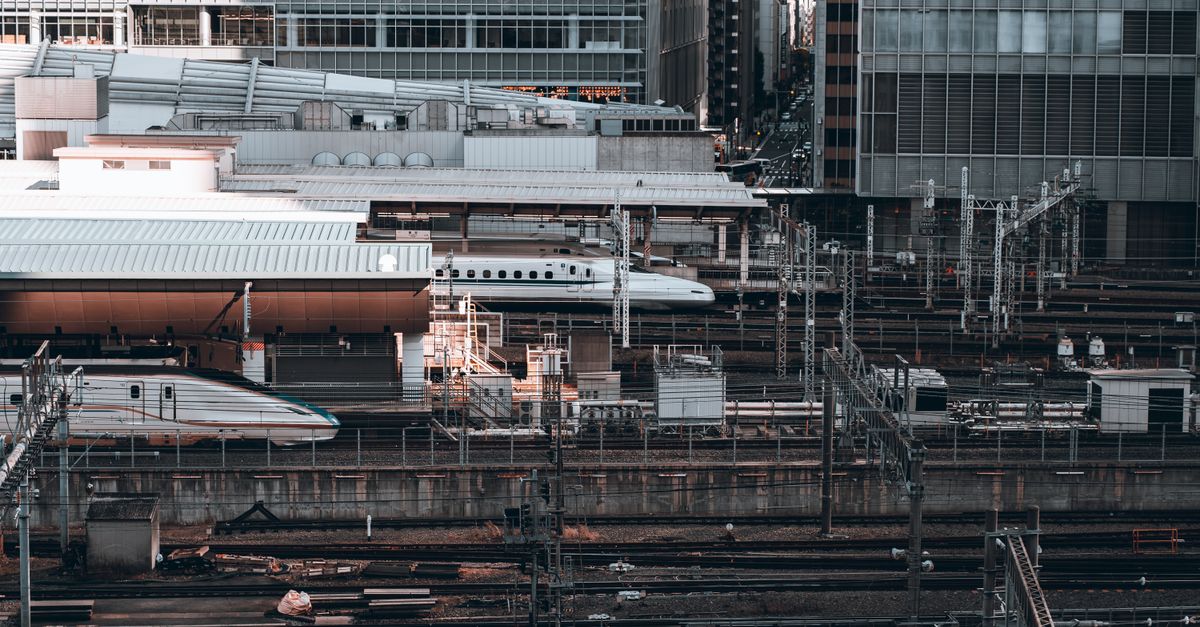
For travelling from Tokyo to Osaka, the Shinkansen is generally the most convenient choice between the central districts. The Nozomi prioritises speed, while the Hikari is worth comparing if you use a Japan Rail Pass. In its guide published in 2026, Shinkansen Tickets gives a journey time of approximately 2 hours 20 minutes to 2 hours 40 minutes on the Nozomi, depending on the departure. Check the exact timetable with JR Central: this range includes neither the journey to the station nor the final connection.
The key point is the arrival station: Shin-Osaka, not Osaka. The ticket price depends on the service, seat, date and commercial conditions. To compare the train with the bus or plane, therefore, consider the complete journey, from your accommodation in Tokyo to your destination in Osaka.
In brief

The Tokaido Shinkansen connects Tokyo with Shin-Osaka using several service categories. The names Nozomi, Hikari and Kodama notably indicate different stopping patterns: they do not simply correspond to different levels of comfort.
The Nozomi serves fewer stations and is generally the first choice for an individual ticket. However, the stated journey time should be the time for the selected departure, not an identical promise for every service.
The Hikari makes more stops. It may be worthwhile with a Japan Rail Pass or for reaching an intermediate station, but its usefulness depends on your itinerary and the services available at the desired time.
The Kodama stops at every station on the line. It is less suitable for a fast direct journey, although it should not automatically be ruled out: a particular service or commercial offer may make it worth comparing.
| Service | Main advantage | What to check |
|---|---|---|
| Nozomi | Minimise time spent on board | Exact timetable and conditions of any pass |
| Hikari | Combine high speed with use of a compatible pass | Stops and seat availability |
| Kodama | Serve intermediate stations | Additional time and value of the proposed fare |
For a trip including Kyoto, also consider the order of your stops. A Tokyo–Kyoto–Osaka itinerary avoids unnecessary backtracking; our guide to Japan’s railway system can help you study this section of the journey.
First choose the service that matches your itinerary, then compare the seats and fare conditions. A slightly later departure may be preferable if it makes your connections easier.
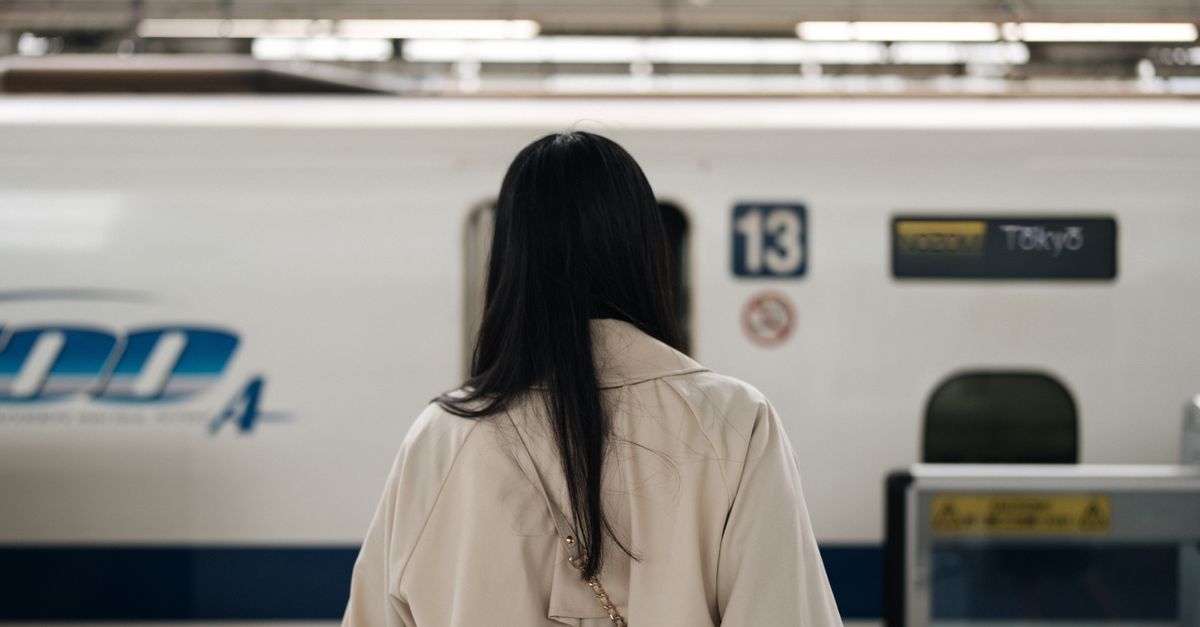
There is no single price that applies to every Tokyo–Osaka ticket. The amount depends in particular on the service category, class, whether the seat is reserved and the applicable calendar. Consult JR Central for the fare corresponding to your date.
A high-speed train journey combines the basic transport fare with the supplement required to use the Shinkansen. Depending on the sales channel, these elements may be grouped together: check that the displayed amount covers the entire requested journey.
An introductory fare is not necessarily comparable with a flexible booking. Before paying, examine the rules for changes, refunds and missed departures, as well as any fees added by the intermediary.
A reserved seat secures your allocated place. An unreserved option, when offered for the service chosen, does not guarantee that you will travel seated; arriving early on the platform does not turn this possibility into a certainty.
The Green Car offers more spacious seating than ordinary class. Its main advantage is the comfort it provides: it does not shorten the journey and does not remove the need to check the rules for transporting suitcases.
Do not judge whether a pass is worthwhile solely from the names of the cities you are visiting. Add up the journeys covered during its validity period, then compare their cost with that of the pass and the necessary supplements.
The conditions of the national Japan Rail Pass distinguish the Nozomi from the Hikari and Kodama services: using the Nozomi requires an additional special ticket. Check the current terms with JAPAN RAIL PASS before buying.
Our guide to the Japan Rail Pass and its value helps you make this comparison. For a simple return journey, start by pricing individual tickets rather than assuming that the pass automatically saves money.
To book tours and activities in Tokyo ahead, see the options on Klook.
For your train booking, search for Tokyo or Shinagawa as the departure station, then Shin-Osaka for the arrival. The best station for boarding depends on your accommodation and the line serving it, not only on the size of the station.
Shinagawa may be convenient from certain districts in the south and west of the capital. However, compare the actual journey from your address: an additional connection may cancel out the apparent advantage. The guide to Tokyo and its districts helps you locate these access points.
Booking remotely allows you to choose a departure and, subject to availability, a specific seat. It is particularly useful when you want to travel next to someone else or have a location suitable for your luggage.
A confirmation email is not necessarily a ticket that can be used at the gate. Depending on the product purchased, you may need to collect a paper ticket, use a compatible digital device or present a code intended for boarding.
Read the collection instructions before leaving your hotel. If collection is required, check the necessary documents and where it is possible; do not assume that any ticket machine will be able to process your booking.
To reach Umeda and Osaka Station, compare the JR services. For Namba, the Midosuji Line of the metro is often a convenient direct option; it should not be confused with the JR Kyoto Line.
Read the guide to Osaka and its main districts before deciding where to arrive. The right connection is the one that brings you closest to your address, taking station exits and travelling with suitcases into account.
Tip: set up a Japan eSIM before departure so your data works on arrival.
Before booking, measure your suitcase, including its wheels and handles. On the Tokaido Shinkansen, some large items of luggage require a seat associated with a specific storage area; the conditions depend on the dimensions and type of item being carried.
Check the limits and procedures with JR Central rather than relying solely on the term “large suitcase”. An ordinary reservation does not automatically grant access to the space behind the last seats.
Busy periods may change the conditions for travelling without a reservation on the Nozomi. Check the official announcements for your date, particularly around major Japanese holidays and long weekends.
To see Mount Fuji when travelling from Tokyo towards Osaka, choose a window seat on the right-hand side in the direction of travel. In ordinary class, seat E usually corresponds to this side; check the seat plan shown when you purchase.
Visibility depends on the weather and cannot be guaranteed by your choice of seat. The Shin-Fuji area is the useful landmark for looking outside, rather than an identical countdown for every departure.
Bring something to drink and eat before boarding, without relying on a mobile sales service in ordinary class. Ekiben, boxed meals sold at stations, are a practical way to discover Japanese cuisine during the journey.
Power sockets and available services may vary according to the rolling stock and class. Download important documents in advance: an onboard connection is not a substitute for a ticket accessible offline.
Alternatives to the Shinkansen meet different priorities. The bus may reduce spending, while the plane may suit a trip already organised around airports; neither should be compared solely on its time in transit.
An overnight journey can replace one night of accommodation, but resting on board is not necessarily equivalent to staying in a hotel. Examine the seat recline, spacing, stops and luggage storage arrangements. Compare Tokyo–Osaka night bus options before booking.
Above all, check the exact departure and arrival points with the bus operator. An early arrival far from your accommodation may lead to additional transport or luggage-storage costs before your room is available.
A domestic flight may be worthwhile if you are already near an airport or are continuing with an air connection. When travelling between central accommodation, add ground access, boarding procedures and any baggage collection.
Also compare the airports served in Tokyo and the Osaka region. Transfers are not interchangeable, and an attractive air fare may lose its appeal once luggage and local connections are added.
Conventional trains may suit an itinerary with stops, but they require more connections to link the two cities directly. To structure your transport choice in Japan, compare the total cost, comfort and actual arrival time.
The useful budget is the door-to-door budget. Include these items in your Japan travel budget and check prices and timetables with each operator before booking.
Shinkansen Tickets gives approximately 2 hours 20 minutes to 2 hours 40 minutes on the Nozomi in its 2026 guide, depending on the departure. Check the timetable with JR Central and add the journeys between your accommodation and the stations.
The amount depends on the service, date, class and seat chosen. Consult JR Central for the current fare and check that the total includes the basic transport fare, the Shinkansen supplement and any booking fees.
The national pass alone is not enough: an additional special ticket is required. Check the current conditions with JAPAN RAIL PASS and compare them with a Hikari compatible with your pass.
No, it arrives at Shin-Osaka. You can then take a connection to the central districts, including JR services to Osaka and Umeda or the Midosuji metro to Namba.
Updated on 16/11/2026
Scroll to see more articles →