
Shirakawa-go: Visit the Gasshō-Zukuri Village
Discover Shirakawa-go, a UNESCO-listed Japanese village with gasshō houses, Alpine scenery and practical advice for planning your visit.
To sample Osaka’s cuisine, start with Kuromon Ichiba Market: you will find seafood prepared on site, wagyu beef, Japanese specialities such as takoyaki and fresh produce to discover from stall to stall. The best time to visit is in the morning or early afternoon, when the selection is generally most complete. Opening hours vary from one business to another: check the hours of the stalls you want to visit before you set out.
This covered market, located in the Nipponbashi and Namba area, combines a fresh-produce market with street food. It is suitable both for a quick tasting and for a food-focused stroll before heading to the nearby shopping streets. To plan the rest of your stay, see our guide to visiting Osaka.
In brief

Kuromon Ichiba Market is a covered market in the Nipponbashi district, south of Osaka. Its shops combine fish and fresh produce, takeaway preparations and small tastings on site. This variety explains why a visit is not limited to buying ingredients: you can also put together a meal in several stages, trying a different speciality at each stop.
Presentation is part of the experience. Fish, seafood and seasonal fruit are often arranged to catch the eye, while some products are cooked to order. Take time to walk along the aisle before choosing: not all stalls offer the same dishes, and a first circuit helps you identify what you really want to try.
The market is also a place of everyday commerce, not just a tourist attraction. Talking to the sellers can help you understand how a product is prepared or what portion is suitable for a tasting. If you would like to discover other Japanese street-food specialities, see our guide to Japanese street food.
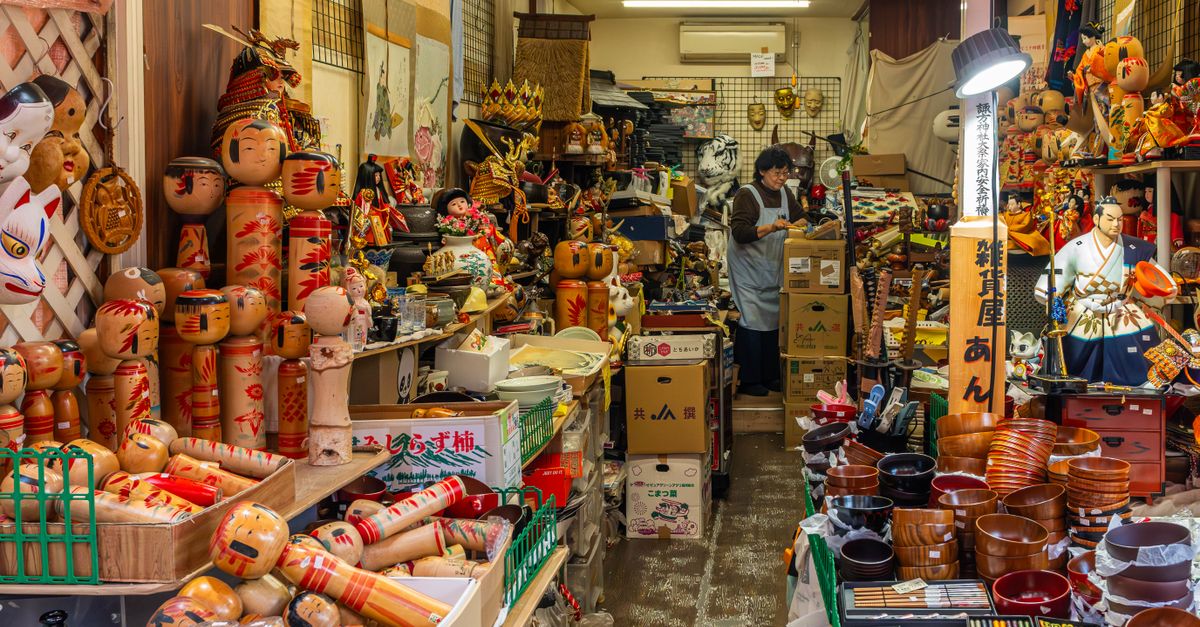
Seafood is among the most sought-after produce. Depending on the stalls, you may find tuna sashimi, scallops or grilled oysters, sea urchin and crab legs. Some stalls prepare portions for immediate tasting; others have a few places where you can stop. Ask the staff how the product is served and whether it can be eaten on site.
Wagyu beef is sometimes served on a skewer or in a small portion cooked on a teppan. This presentation lets you try a well-known speciality without necessarily making it a complete meal. Fans of hot dishes can also look for takoyaki, the octopus-filled balls, as well as tempura or oden. Grilled chicken skewers and gyoza round out options that are often popular in Japanese markets.
The choices are not limited to meat and fish. Seasonal fruit, vegetables, tofu, salads or fresh soya milk may suit those looking for a lighter or vegetarian tasting. Preparations and ingredients vary from one business to another, so ask directly whether a dish contains fish, meat or an animal-based broth. For broader background, explore our guide to Japanese cuisine.
| What to try | What to expect | Tasting tip |
|---|---|---|
| Seafood | Sashimi, scallops, oysters or crab, depending on the day’s selection | Ask whether the product is served raw or cooked |
| Wagyu beef | A skewer or small portion grilled to order | Check the size and cooking method before buying |
| Takoyaki and tempura | Hot snacks that are easy to share | Wait until you find the stall’s designated eating area |
| Fruit and vegetarian options | Seasonal fruit, vegetables, tofu or salad, depending on the shops | Confirm the ingredients with the seller |
To enjoy the widest choice, visit in the morning or early afternoon. The selection of fresh produce is generally more complete then, and the market’s activity is easy to see. In the late afternoon, some businesses may already have closed or may have run out of some preparations, so it is best not to postpone your visit if you have a particular speciality in mind.
The advertised opening hours generally cover the daytime, but they are not uniform across all the shops. One business may open earlier than another or close before the usual end of the day. Check the opening hours of the market and the stalls that interest you using official information before your visit, especially if you are coming on a public holiday or at the weekend.
As the market is covered, it remains a practical option when it rains. This does not mean that it will be quiet: on busy days, arriving early makes it easier to move around and choose your dishes without rushing. If your itinerary includes several districts, Kuromon combines well with Nipponbashi and Namba, followed by a walk towards Dotonbori.
First take a walk around to observe the stalls, then return to the ones that interest you. This approach avoids buying the first dish you see and lets you put together a varied meal, for example with a grilled item, a hot snack and a piece of fruit. Sharing several portions with your companions is also a simple way to discover more flavours.
To get online as soon as you land, a Japan eSIM can be installed before you leave, with no need to look for a local SIM card.
The market is easy to reach from the Nipponbashi area, served by the Sennichimae and Sakaisuji metro lines. Namba Station is also within walking distance. To choose your route, check the exit and journey according to your starting point: walking around this district can form part of a visit to Namba or Nipponbashi.
Bring cash. Many businesses may accept cards, but not all small stalls offer this payment method. Product and portion prices depend on the stall and the day’s selection; check the displayed prices before ordering rather than assuming they are the same from one stand to another.
To eat in accordance with market customs, consume your purchase in front of the stall or in the indicated area rather than while walking along the aisle. Dispose of your rubbish where the business from which you bought the dish indicates. If you are unsure about how a product is prepared or whether you can taste it, ask the seller: a direct question helps avoid misunderstandings and lets you get more from the exchange.
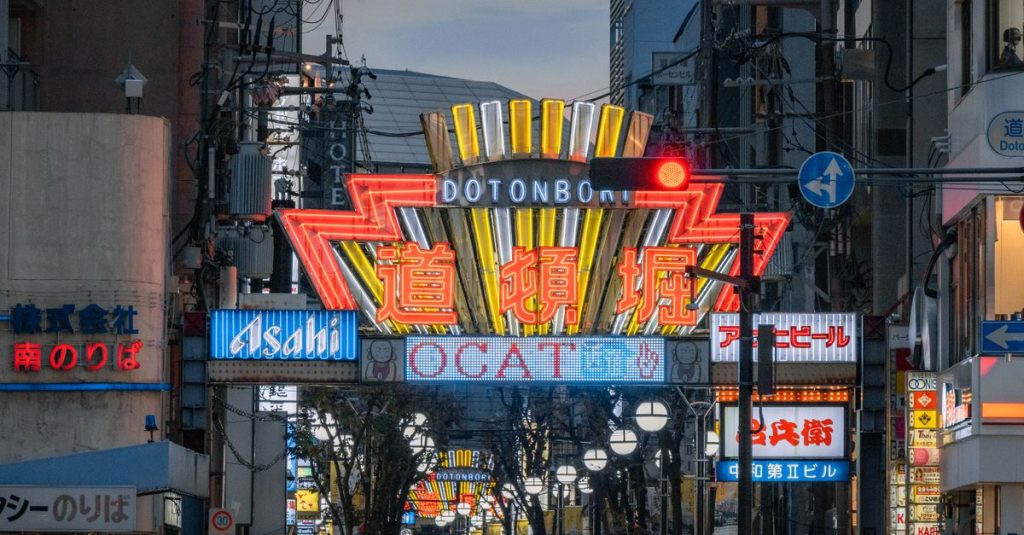
After tasting your way around the market, the nearby districts offer several ways to continue the day. Dotonbori attracts visitors with its illuminated signs and restaurants, while the shopping streets of Namba and Shinsaibashi are suitable for a stroll and shopping. Den Den Town, known for its electronics and pop-culture shops, is also in the area.
The market can be a stop for a late breakfast or a lunch made up of several small portions. It is less suitable for those looking for a long sit-down meal: many tastings are eaten quickly, at the counter or beside the stall. To sleep nearby and limit travel, see the options for a hotel in Osaka near Namba.
Kuromon fits equally well into a stay focused on Osaka or a broader itinerary in Japan. Allow enough time to look at the stalls and choose your tastings, then save visits to the nearby districts for later in the day. The market is most rewarding when you explore it without trying to taste everything in a rush.
Popular choices include grilled seafood or seafood served as sashimi, wagyu beef, takoyaki, tempura, oden and seasonal fruit. The selection depends on the stalls and the day.
The morning and early afternoon are the best times to enjoy a generally more complete selection. Check each stall’s opening hours, as they vary.
Some businesses offer vegetables, fruit, tofu or salads. Ask about the ingredients, particularly broths and sauces, to identify animal-derived ingredients.
The market is in the Nipponbashi area and is accessible from Nipponbashi and Namba metro stations. Check the route and the most suitable exit for your starting point.
To book tours and activities in Osaka ahead, see the options on Klook.
Updated on 05/11/2026
Scroll to see more articles →