Shirakawa-go: Visit the Gasshō-Zukuri Village
Discover Shirakawa-go, a UNESCO-listed Japanese village with gasshō houses, Alpine scenery and practical advice for planning your visit.
Travelling to Japan in May often means mild spring weather, vivid green landscapes and a lively cultural calendar. To enjoy the country without dealing with packed transport or fully booked accommodation, choosing the right dates is essential: Golden Week in Japan, concentrated at the beginning of the month, creates a peak in domestic travel. After this period, visitor numbers generally fall and the cities of Honshū return to a more comfortable pace for exploring temples, gardens and urban neighbourhoods.
Japan’s weather in May varies considerably from north to south. Tokyo and Kyoto usually enjoy pleasant conditions before the arrival of tsuyu, the rainy season, while Okinawa often enters a wetter period. May is also not cherry-blossom season across most of Honshū: the iconic spring blooms have generally finished. Fresh green maples, wisteria and azaleas then take centre stage. Here is how to choose your region, organise your travel and adapt your itinerary to the season.
In brief
For the climate, central Japan generally offers mild days and good conditions for walking.
To avoid crowds, choose dates after Golden Week and book popular journeys in advance.
For the scenery, focus on spring greenery, gardens and late-season flowers rather than cherry blossoms.
When choosing a region, compare Honshū, Hokkaidō and Okinawa: their climates and rainfall are different.
When preparing your trip, check official calendars, timetables and local conditions shortly before departure.

Japan’s spring climate is often ideal for sightseeing, but temperatures are not uniform across the archipelago. The country stretches from the cool north to southern islands already exposed to seasonal rain. For a classic itinerary between Tokyo, Kyoto and Osaka, May is generally a pleasant time to explore neighbourhoods on foot, visit gardens and plan day trips. See our guide to Japan’s seasons and weather when comparing periods.
In Tokyo, climate normals indicate an average maximum temperature of 23.6°C and a minimum of 14.6°C in May. The Japan Meteorological Agency (JMA), using 1991–2020 normals for the Tokyo station, also records 179.6 hours of sunshine during the month. These figures describe climate averages, not a forecast for specific dates: conditions in a particular year may vary.
Mild weather does not mean that it never rains. The JMA’s Tokyo normals record around ten days with precipitation in May. A lightweight waterproof jacket or folding umbrella is therefore useful, even though the month generally falls before the main rainy season in central Japan. Based on its climate normals, the JMA places the average start of tsuyu around 7 June for the Tokyo region and around 6 June for Kansai. To understand this period and its effect on itineraries, see our guide to the rainy season in Japan.
The south presents an important contrast. In Naha, on Okinawa Island, JMA normals record 245.3 mm of rainfall in May and place the average arrival of the rainy front around 10 May. By contrast, Sapporo records an average 200.4 hours of sunshine, the highest monthly total of the year in the climate data cited by the JMA for that station. Travelling further south in May therefore does not guarantee more sunshine: the season and latitude make a difference.
| Region | Typical May conditions | What to expect |
|---|---|---|
| Tokyo and Kansai | Mild days before tsuyu, with some possible rainy spells | Layered clothing and rain protection |
| Hokkaidō | Cooler conditions, often sunny in Sapporo | A warm jacket, especially in the evening |
| Okinawa | The rainy season usually begins in May | Waterproof clothing and a flexible programme |
In the mountains, altitude can make mornings and evenings considerably cooler than in the major cities. Trails and some access routes may also depend on local path conditions or snow, so check information from operators and local authorities before setting off. The best approach is to pack layers rather than rely on a single summer outfit.
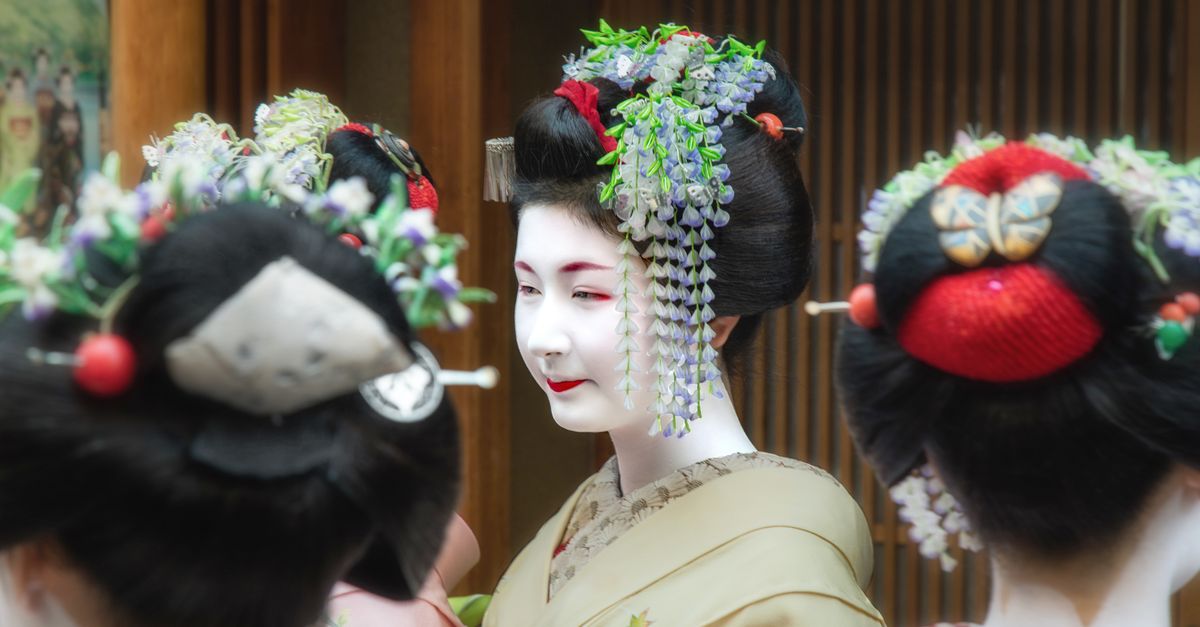
Golden Week in Japan brings together several Japanese public holidays at the end of April and beginning of May. For many residents, this period is an opportunity to take a few days off and travel around the country. It therefore has a very noticeable effect on trains, hotels, roads and popular attractions: the peak is mainly caused by domestic travel, not only international tourism.
The holidays concerned include Shōwa no hi on 29 April, followed by Kenpō kinenbi, Midori no hi and Kodomo no hi on 3, 4 and 5 May. These dates appear in the official calendar published by the Japanese Cabinet Office for 2026. The actual holiday period may nevertheless be longer depending on the days of the week, substitute holidays and leave taken by employees. Check the official calendar for the year of your trip before finalising your dates.
On major routes, bullet trains and lines serving the most visited destinations are particularly busy. Reserved seats may be difficult to obtain if you wait until the last minute, while accommodation in major cities may sell out or become more expensive. Long-distance buses and rental cars are also affected by demand. As booking conditions vary by operator and date, check the official arrangements directly before departure. Our guide to train travel in Japan can help you plan your journeys.
If you can choose your dates, postponing your trip until after Golden Week is often the simplest solution. Pressure on domestic travel generally eases, making journeys easier and allowing you to enjoy places without the same density of visitors everywhere. For a first visit, scheduling Tokyo, Kyoto and Osaka after this period makes the itinerary more flexible, especially when arranging timed-entry visits or day trips.
If your dates are fixed, travelling is still possible, but it requires more planning. Book accommodation and train seats as soon as sales open, avoid changing cities repeatedly on the busiest days and keep nearby alternatives close to your base. A day in a less central neighbourhood or a less sought-after museum may be more enjoyable than an ambitious journey to a very crowded site.
The period also has cultural appeal. Koinobori carp streamers and local events associated with the public holidays give some streets and parks a distinctive atmosphere. Festivals may attract both residents and visitors, so check their dates, locations and any restrictions with the organisers. Golden Week is therefore not something to avoid at all costs: plan for it as a period of high demand, with a less improvised itinerary.
International visitor figures do not tell the whole story. The Japan National Tourism Organization recorded 3,908,900 international arrivals in April 2025 and 3,693,300 in May 2025, monthly records for those periods according to the organisation. These annual figures do not measure travel by Japanese residents and therefore cannot, on their own, estimate how crowded trains are during Golden Week.
Destinations in Japan in May should first be chosen according to the pace you want. For a first trip, the Tokyo–Kyoto–Osaka route remains practical thanks to its rail connections and variety of sights. After Golden Week, it is easier to balance major stops with an excursion to a less crowded town or natural area. To plan urban stops, see our guides to Tokyo, Kyoto and Osaka.
Tokyo in spring is best explored by alternating busy neighbourhoods with green spaces. Ueno Park, Shinjuku Gyoen and historic gardens offer breaks in an urban programme. Late-season blooms are not guaranteed on a specific date, but wisteria, azaleas and other seasonal flowers may extend the spring colours. Cherry blossoms should not be the main reason for visiting Honshū in May: they have generally finished blooming there by April. To compare with the sakura season, see our guide to Japan in March and cherry blossoms.
Kyoto in May is well suited to walks through temple gardens, morning visits and routes on foot between historic neighbourhoods. Mild days make getting around more comfortable than in summer, but the best-known sites remain busy, particularly at weekends and during holidays. Setting out early, booking visits where necessary and including a less famous stop in the same area can prevent you from spending the day on transport or in queues.
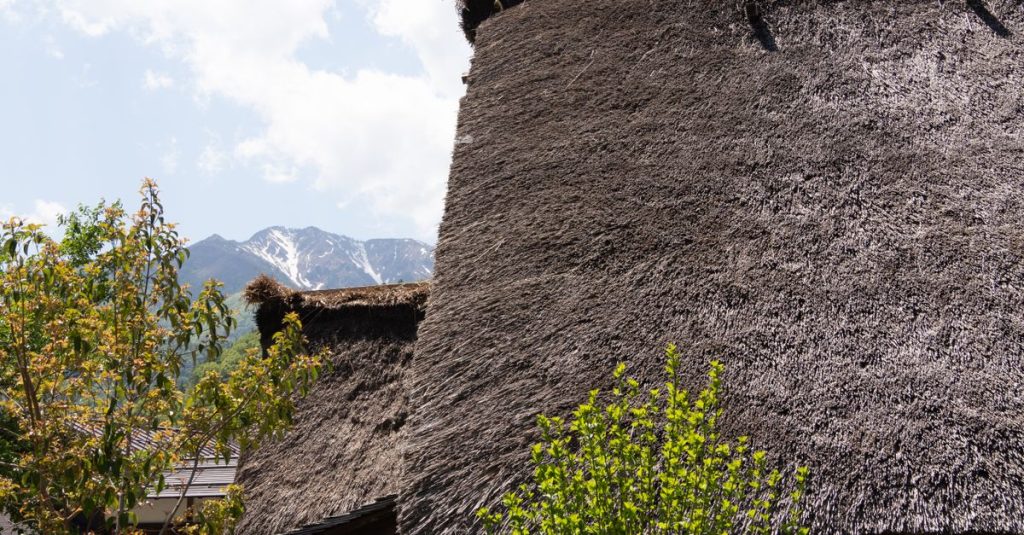
For higher ground, the Japanese Alps and mountain valleys offer a contrast between lush forests and peaks that are still snow-covered. Conditions vary according to altitude and whether routes are open; check trail conditions and access before planning a hike. Matsumoto can serve as a base for exploring the region, while Kamikōchi attracts visitors who want to walk through an alpine landscape. Our page on an itinerary in the Japanese Alps helps organise this part of your trip.
Hokkaidō may suit travellers looking for a cooler spring and bright days. Expectations should nevertheless be adjusted: vegetation and flowering follow a different calendar from Tokyo or Kansai. In Okinawa, beaches and coastal scenery remain attractive, but the beginning of the rainy season can make plans less predictable. Swimming also depends on local conditions and water temperature; a beach holiday in May does not guarantee pleasant seas everywhere.
A good itinerary avoids trying to cross the entire archipelago in a few days. Tokyo, Kyoto and Osaka can already fill a week, especially if you add garden visits or secondary neighbourhoods. To include a mountain or island, it is better to remove one stop than to accumulate long journeys. In May, the quality of the trip often depends more on the pace you choose than on the number of places you tick off.
To get online as soon as you land, a Japan eSIM can be installed before you leave, with no need to look for a local SIM card.
May marks the return of a busy period for matsuri, local festivals that may combine religious rites, processions, music and food stalls. Events do not all follow the same calendar from one year to the next, and some are linked to specific shrines or neighbourhoods. Before travelling, check dates and information with the organiser or local tourist office: a popular festival may also change traffic arrangements and increase crowds along its route.
Well-known events include Kanda Matsuri in Tokyo and Aoi Matsuri in Kyoto. Their programme and format should be confirmed for the year of your trip. Watching a procession or participants in traditional dress offers a different way to discover local culture beyond the monuments. Respect reserved areas, do not obstruct processions and follow posted instructions, particularly in narrow streets.
Sumo is another possible experience if a tournament coincides with your dates. According to the Japan Sumo Association, the Tokyo tournament scheduled for May 2026 takes place from 10 to 24 May at Ryōgoku Kokugikan. Tickets, sales conditions and available categories may change; check the official organiser’s information before booking. A sumo session lasts several hours, so make it the main event of the day rather than planning several distant visits afterwards.
Gardens are particularly well suited to this month. Wisteria may form floral trellises and tunnels, while azaleas add colour to parks and temple grounds. Flowering nevertheless depends on weather conditions and cannot be guaranteed on a particular date. Ashikaga Park and some gardens in the Fukuoka region are known for their wisteria; check the sites’ information before visiting, as opening hours and access conditions may change.
The countryside offers another side of spring. In some regions, rice fields are flooded before planting and reflect the sky, mountains or nearby houses. This landscape is seasonal, but depends on local farming practices and each area’s timetable. A train or bus excursion may allow you to see it without hiring a car, provided you check connections and do not enter cultivated fields.
Food completes these discoveries. Markets, neighbourhood restaurants and festival stalls offer opportunities to taste local specialities, but popular establishments may be full during peak periods. Eating in an izakaya, a Japanese pub, offers another way to discover evening cuisine, with shareable dishes and an often lively atmosphere. A few polite expressions can make interactions easier; our guide to saying hello, thank you and goodbye in Japanese provides useful phrases.
To experience events without turning every day into a race, choose one main festival or activity and leave time for nearby sightseeing. This is particularly useful in May, when the weather encourages outdoor activities but major events can concentrate large crowds.
The best travel advice for Japan in May follows one simple rule: book early for the first week, then keep some flexibility for the rest of the trip. If your dates overlap Golden Week, confirm accommodation and transport before planning distant excursions. Outside this period, demand remains real in major cities, but arrangements are often less pressured. As prices vary according to dates and providers, compare conditions when booking. Our Japan travel budget guide can help with planning.
Do not assume that a rail pass will automatically be good value. The choice between individual tickets and a pass depends on your itinerary, distances and the trains used. Check current fares and conditions with the official operators, as prices and booking rules may change. The same applies to flights, buses, car rentals and festival tickets: any price information should be checked at the time of purchase.
For accommodation, staying near a station can simplify day trips, but the best location depends on your plans. In Tokyo, staying near a line suited to your intended sightseeing can avoid repeated changes; in Kyoto, the choice between the city centre, the station and historic neighbourhoods affects both atmosphere and travel times. Budget accommodation, including capsule hotels, may suit some travellers; check access rules, the layout and included services before choosing.
Pack clothes that are easy to layer. Light clothing may be enough during the day in central Japan, while a jumper or jacket becomes useful in the evening and in the north. Comfortable shoes are essential: temple visits, shopping districts and gardens often involve long walks. Add rain protection and, on sunny days, something to protect you from the sun.
Finally, adapt your programme to the region, not just the month. A rainy day in Tokyo can be an opportunity to visit a museum, covered market or shopping district. In the mountains, postpone a hike if local conditions are unsuitable; in Okinawa, plan alternatives to trips at sea. Check weather information and transport announcements shortly before each excursion, especially when your journey depends on a bus or seasonal service.
If your priority is seeing red maple leaves, November is more suitable in many regions, while May highlights spring greenery. To choose between these seasons, compare the atmosphere and conditions in our guide to Japan in November and autumn leaves. The right month depends less on a ‘perfect’ season than on the landscapes, pace and events you want to prioritise.
Yes, May generally offers mild weather in central Japan and good conditions for walking. You should nevertheless take Golden Week at the beginning of the month into account, as well as the climatic differences between Honshū, Hokkaidō and Okinawa.
Across most of Honshū, cherry blossoms have generally finished by May. A few late blooms may vary according to region and weather; the month is mainly associated with green foliage, wisteria and azaleas.
Where possible, choose dates after this period. If that is not possible, book accommodation and transport early, limit the number of city changes and check official information for your journeys.
Swimming is not a certainty everywhere in the country. Conditions vary according to the region and sea; check local conditions before planning a beach day, particularly in Okinawa, where the rainy season may begin in May.
To book tours and activities in Japan ahead, see the options on Klook.
Updated on 13/11/2026
Scroll to see more articles →