
Shirakawa-go: Visit the Gasshō-Zukuri Village
Discover Shirakawa-go, a UNESCO-listed Japanese village with gasshō houses, Alpine scenery and practical advice for planning your visit.
To reach Tokyo quickly, Haneda is generally the more convenient choice; for a wider selection of international flights, particularly low-cost services, Narita may be more appealing. The best airport depends as much on your flight’s price and schedule as on your destination in the capital. Before booking, compare the ticket price with the cost of transfers and the time needed to reach your accommodation.
Both airports serve Tokyo, but they are in different locations and do not offer access to the same flight networks. Here are the practical differences to help you choose an airport without relying solely on the price shown on the ticket.
In brief:

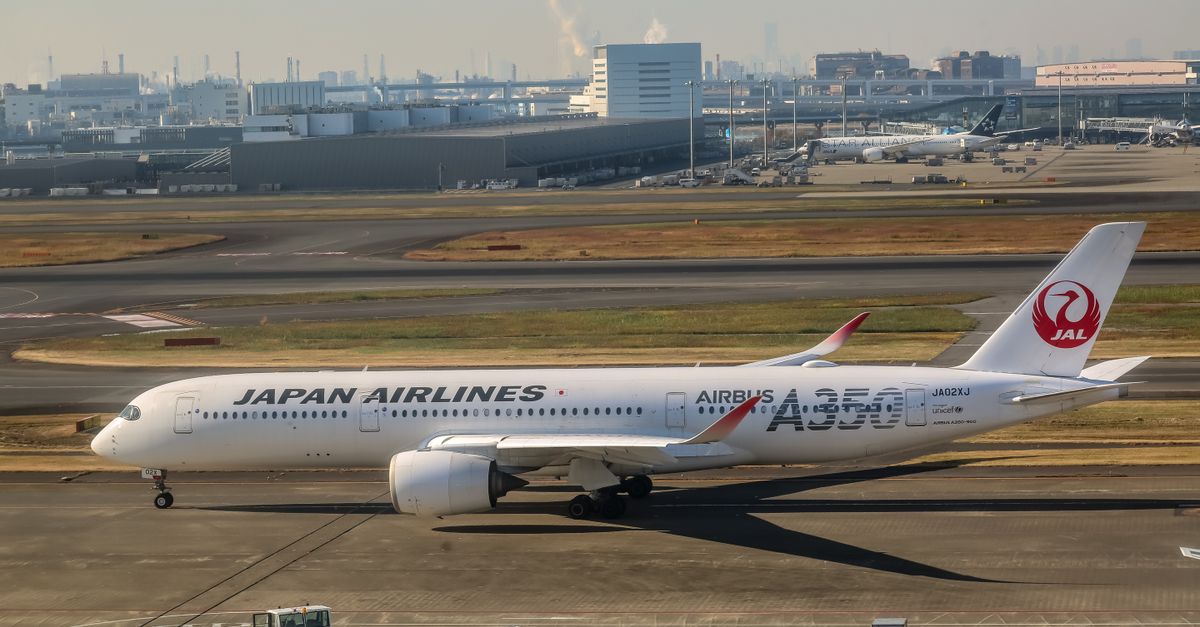
Haneda, also known as Tokyo International Airport, is in the Ōta district, south of the capital. Information provided by the airport indicates a distance of around 14 km to Tokyo Station. This proximity generally shortens the transfer, but the actual journey time depends on your neighbourhood, baggage wait and chosen mode of transport.
Narita is in Chiba Prefecture, east of Tokyo, around 60 km from the central station. Its distance makes the journey longer, without necessarily making it complicated: express trains, less expensive railway services and buses connect the airport with the capital. The useful comparison is therefore based on the distance to the city centre and your exact address, not just the airport’s name.
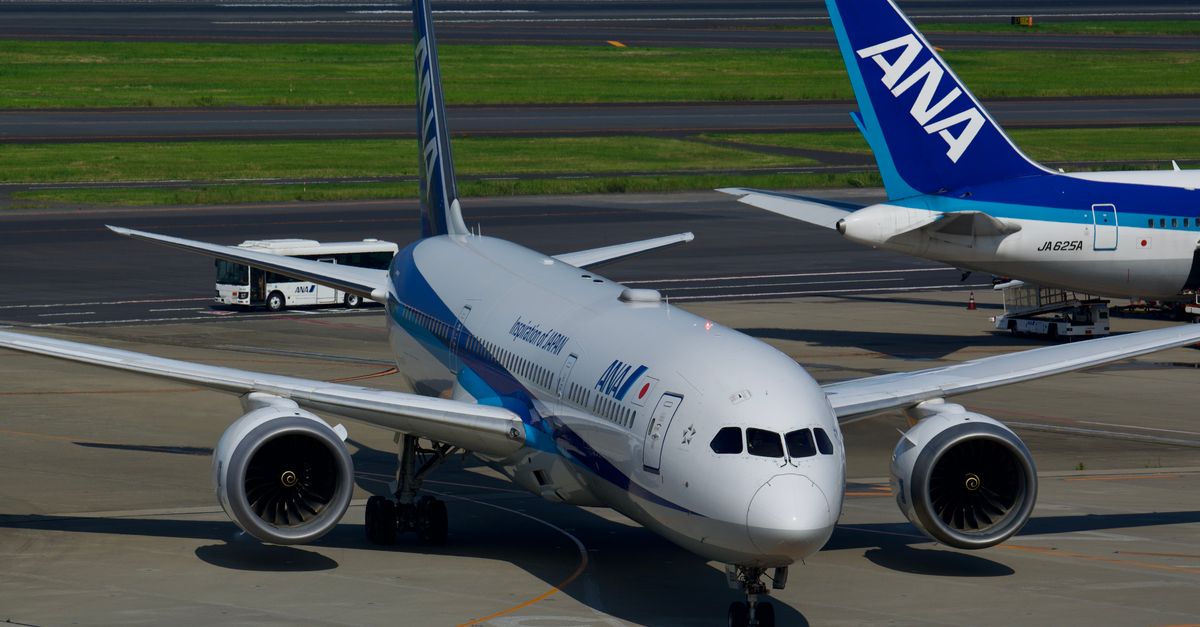
The two airports have different profiles. Haneda is an important base for domestic flights and also handles many international services. Narita retains a wide international network and is home to several low-cost airlines. Routes and carriers change: check the airport shown on your ticket before booking a hotel or transfer.
From Haneda, the monorail reaches Hamamatsuchō, where you can change to continue towards several neighbourhoods. The Keikyū Line serves Shinagawa in particular and offers connections to other areas. Limousine buses are convenient for reaching certain hotels without changing trains, while a taxi can be useful with bulky luggage, although it is generally much more expensive.
From Narita, the Narita Express (N’EX) connects with Tokyo Station and other major stations. The Keisei Skyliner serves Ueno and Nippori; slower services may cost less depending on the route. Buses also serve central areas and certain hotels. Journey times and fares published by Tokyo Monorail, Keikyū, JR East, Keisei and bus operators vary by service and may change: check their official information for the day of travel. You can also compare routes using this guide to getting around Japan.
| Airport and option | Convenient destination | What to remember |
|---|---|---|
| Haneda, monorail | Hamamatsuchō | Rail connections to central and eastern Tokyo. |
| Haneda, Keikyū | Shinagawa and served areas | Useful if your hotel is near a station on the line. |
| Narita, Narita Express | Tokyo Station and other major stations | Comfortable train, often chosen for a direct journey. |
| Narita, Keisei Skyliner | Ueno and Nippori | A fast option if your destination is in north-eastern Tokyo. |
| Both airports, bus | Served hotels and neighbourhoods | A direct journey can make travelling with luggage easier. |
To compare transfer prices, add the train or bus fare to the cost of the journey to your hotel. A lower fare to Narita may lose its advantage if you then have to cross the city with several changes. Conversely, a direct bus may be simpler than a train, even though it is affected by traffic.
The number of flights and available destinations is not fixed. Haneda handles many domestic services and international flights, while Narita remains a major entry point for airlines serving Japan from overseas. Low-cost flights are often available from Narita, but compare schedules, included baggage and transfer costs before deciding that an offer is the cheapest.
Haneda has three passenger terminals; some international flights also depart from Terminal 2, while Terminal 3 remains the main international terminal. Narita also has three terminals, with the allocation depending on the airlines. The terminal number must be checked on your booking and with the airport: a mistake can add an unnecessary journey, especially with suitcases.
If your itinerary involves a connection between Narita and Haneda, allow plenty of time. You need to account for disembarkation, immigration, baggage collection and the journey between the two airports. Direct buses can avoid changes, but their availability and duration depend on schedules and traffic. Do not book a tight connection without confirming the conditions with the airlines.
To prepare the first stages of your flight between Paris and Tokyo, also check the total duration including any stopover, arrival time and terminal. The advice on finding a cheaper flight to Japan is useful, provided you balance the saving against the transfer from the airport.
To get from the airport to your hotel, book a transfer before you leave.
For a short stay focused on the capital, Haneda is often the most comfortable choice. The generally shorter journey helps preserve time for sightseeing, particularly if you arrive late in the day or leave early. The advantage nevertheless depends on the neighbourhood: consult the best areas to stay in Tokyo and compare connections to your accommodation.
Narita may be more suitable if the flight is significantly cheaper, if your airline operates only from that airport or if your schedule allows a transfer without rushing. Passengers travelling to eastern Tokyo or Chiba may also find access more convenient than someone staying west of the capital. For a hotel in Shinjuku, for example, compare door-to-door journeys rather than air distance alone; this guide to accommodation in Shinjuku can help you locate your arrival point in your plans.
The choice of airport also matters for a wider trip. If Kyoto and Osaka are on your itinerary, you could consider arriving in Tokyo and departing from Kansai rather than retracing your steps. The itinerary and train price should be compared together; information about the Tokyo–Osaka Shinkansen journey and a three-week Japan itinerary can help you plan this arrangement.
Before departure, write down the airport name, terminal, intended station or bus stop and your accommodation address. A downloaded transport map or screenshots of your bookings may be useful on arrival. Prepaid IC cards make it easier to pay for many urban journeys; availability and sales conditions may vary, so check the information displayed at the airport. Our guide to Suica cards in Japan explains the principle.
Luggage delivery services available at the airports can save you from carrying large suitcases on trains. They are particularly useful if you arrive before your hotel’s check-in time or continue straight to another city. Confirm the delivery times, destinations served and cut-off times at the operator’s counter. See also our guide to luggage in Japan.
Finally, a late arrival requires a specific check. The last trains and buses do not run all night; in the event of a delay or a long wait at immigration, your options may be limited. Check the day’s schedules with transport companies and, if necessary, plan accommodation near the airport. For entry formalities, consult the Japanese authorities and France Diplomatie, as the rules depend on nationality and may change.
Haneda is closer to Tokyo, while Narita is in Chiba Prefecture, east of the capital. The final journey time depends on your neighbourhood and the transport method chosen.
No. Haneda often provides easier access to Tokyo, but Narita may offer a cheaper flight, a more suitable destination or a more convenient schedule. Compare the ticket and transfers together.
The main options include the Narita Express, the Keisei Skyliner, other trains and buses. Choose according to your arrival station, budget and amount of luggage, then check schedules with the operator.
Allow plenty of time for the transfer, particularly if you need to collect and recheck your luggage. Check bus schedules or rail connections before booking the flights.
To book tours and activities in Tokyo ahead, see the options on Klook.
Updated on 07/11/2026
Scroll to see more articles →