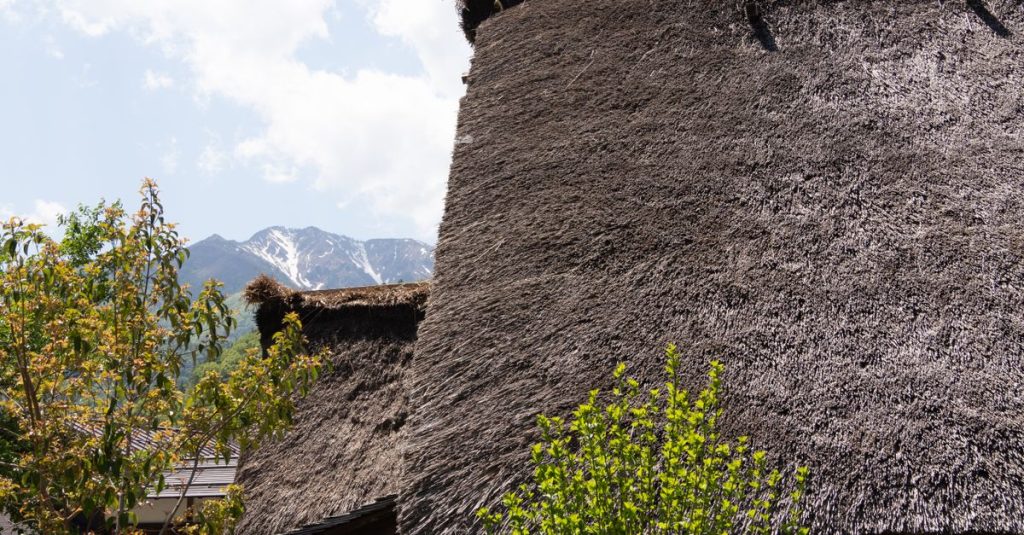
Shirakawa-go: Visit the Gasshō-Zukuri Village
Discover Shirakawa-go, a UNESCO-listed Japanese village with gasshō houses, Alpine scenery and practical advice for planning your visit.
Yes, you can enjoy an onsen without leaving Tokyo: several establishments in the capital offer baths supplied with thermal water, while sentō provide a more everyday public-bathing experience. To choose, check the type of baths, the rules concerning tattoos and the access conditions for each venue, as these vary from one establishment to another.
Large urban complexes focus on comfort and services, while neighbourhood baths offer a simpler insight into Japanese bathing habits. If you mainly want to discover a mountain landscape and the atmosphere of a hot-spring resort, a trip to Hakone is a good complement to a stay in the capital.
For a first experience: choose a hot-spring complex, which is generally easier to fit into a day of sightseeing.
For a neighbourhood bath: look for a sentō, bearing in mind that not all of them use natural thermal water.
For a day trip: Hakone lets you extend your stay with a hot-spring excursion outside the city.
Before setting off: check the access rules, opening hours, prices and tattoo policy with the establishment.
On site: wash before entering the bath and keep your towel out of the water.
An onsen is associated with natural thermal water, while the word sentō refers to a public bath. In practice, urban establishments may combine several types of pools and services, so the commercial name does not always tell you exactly what is offered. Read the establishment’s description to find out whether the bath you are interested in uses thermal spring water or is a heated bath.
In Shinjuku, Thermae-Yu is a well-known option for those who want to combine bathing with relaxation areas. In Nerima, Niwa no Yu offers another type of hot-spring complex. These venues suit visitors looking for an organised experience without having to plan a trip outside Tokyo.
Your choice mainly depends on the pace of your day. A large establishment can take up a significant part of your schedule: allow time to change, wash and enjoy the facilities rather than treating it as a quick stop between two visits. If your accommodation is in central Tokyo, also check the return journey before settling in for the evening. A hotel in Ginza can, for example, be a useful base for arranging your sightseeing, without confusing proximity to your hotel with proximity to the bath.
As facilities, access and services may change, check practical information directly with the establishment before your visit. In Tokyo, the best choice is often the one that fits your neighbourhood and schedule, rather than the one promising the most facilities.
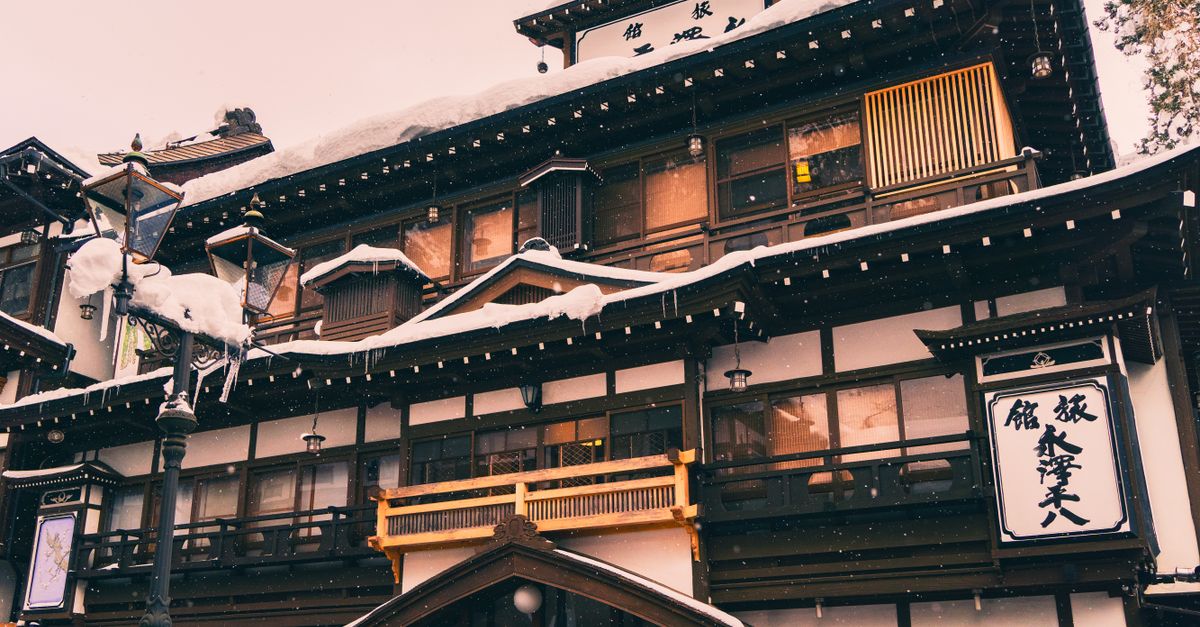
The sentō is part of everyday life in Japanese neighbourhoods. Its appeal is not limited to the bath: the architecture, changing rooms and atmosphere offer a glimpse of a local practice, generally in a simpler setting than a large leisure complex. Facilities nevertheless vary greatly from one venue to another, and some public baths may also offer thermal water.
For a straightforward visit, find an establishment near your route and check its rules before going. Useful information includes tattoos, children, accepted payment methods and personal belongings. Conditions are not uniform: do not assume that a rule observed at one establishment applies everywhere.
The bathing ritual is simple, but it rests on an important distinction: you wash before entering the shared pool. Use the showers and equipment provided, rinse yourself thoroughly and then enter the water without soap. A small towel can be used to cover yourself in circulation areas, but it must not be put into the pool.
To prepare, read this guide to onsen etiquette. It is also useful to distinguish a sentō from a traditional onsen: the former primarily means a public bath, while the latter refers to thermal spring water. In both cases, respecting the shared rules makes the experience more pleasant for everyone.
To get online as soon as you land, a Japan eSIM can be installed before you leave, with no need to look for a local SIM card.
The best bath is not necessarily the largest. If you are staying in Shinjuku, a complex in the neighbourhood can easily fit into a day of sightseeing; from Nerima, Niwa no Yu is an option to consider. For a more local experience, choose a sentō near your accommodation and check the type of pools in advance.
Tourist districts are not all hot-spring destinations. In Asakusa, for example, temples and shopping streets mainly shape the visit. You can plan a cultural day in the area and then go to a bath that suits your itinerary, rather than assuming that an onsen is immediately nearby. The guide to Asakusa, Sensō-ji and Nakamise helps you place this part of the city in your schedule.
Before booking an activity or travelling to a venue, compare the practical information with your situation: address, access, services offered and entry conditions. Opening hours and prices may change, so confirm them with the establishment. For tattoos, checking directly is particularly important, as policies differ and may depend on the size of the tattoo or whether it can be covered.
| Type of bath | What to expect | What to check |
| Hot-spring complex | Several bathing areas and sometimes relaxation services. | Access, length of visit, prices and entry rules. |
| Neighbourhood sentō | A public bath with a more everyday atmosphere. | Type of water, facilities and local instructions. |
| Trip outside Tokyo | A hot-spring resort experience in a different setting. | Transport, reservations and how the baths operate. |
By planning your visit around the neighbourhood rather than around a vague promise of Japanese wellbeing, you can avoid unnecessary detours and choose a bath that genuinely suits your day.
To book tours and activities in Tokyo ahead, see the options on Klook.
If you are looking for the atmosphere of a hot-spring resort, leaving the capital may be more satisfying than adding another urban bath to your schedule. Hakone is often chosen for combining hot springs with scenic landscapes. Travel times and bathing options depend on your starting point and the establishment you choose: check routes and access conditions before fixing your plans for the day.
A hot-spring excursion requires a little more organisation than a city bath. Decide whether you simply want to bathe or would prefer an overnight stay, then check whether reservations are needed. Establishments do not all offer the same arrangements, and access to a bath may be limited to staying guests or subject to specific conditions.
The guide to Hakone onsen lets you compare this excursion with the baths in the capital. For an activity focused on bathing, you can also consult information about a Hakone hot-spring experience. These options are particularly appealing if you want to give hot springs more space in your trip rather than reducing them to a break between two urban visits.
Another possibility is Odaiba, which can fit into a programme focused on the waterfront and leisure activities, but do not choose the district assuming that an older hot-spring establishment is still open there. Offers change: check the existence and access conditions of any bath you are considering. A guide to things to do in Odaiba helps you plan the rest of the day without confusing a tourist destination with a hot-spring destination.
In most shared baths, preparation takes place outside the pool. Undress in the changing room, store your belongings as instructed and then wash while seated in the shower area. This helps keep the water clean and is an integral part of the experience, whether you are visiting a sentō or an onsen.
Enter the pool calmly and avoid movements that cause splashing. Do not swim, dive or use soap in the shared water. If you have long hair, tie it up so that it does not touch the water; also keep your towel on the edge or outside the pool.
Quiet is part of the shared comfort. Speak softly, avoid photographing the bathing areas and follow the signs. In separate baths, use the changing room corresponding to the establishment’s signage. If in doubt, ask the staff before entering: local instructions take priority over habits learned elsewhere.
Finally, check any health restrictions and displayed advice before bathing, especially if you are feeling unwell. The temperature and length of bathing will not suit everyone in the same way. A successful visit depends less on staying in the water for a long time than on careful preparation and consideration for other bathers.
Yes. Several establishments in the capital offer baths associated with thermal spring water. Check the type of pools and access conditions with the establishment you choose.
Onsen refers to a bath associated with a natural hot spring; sentō refers to a public bath. Some establishments may nevertheless offer several types of baths.
Rules vary according to the establishment. Check its policy before your visit, particularly if you need to cover a tattoo.
It depends on the venue and the arrangement you choose. Check directly with the establishment whether a reservation is necessary, and confirm opening hours and prices before setting off.
Updated on 03/11/2026
Scroll to see more articles →