Tip: set up a Japan eSIM before departure so your data works on arrival.
What to expect when visiting an onsen
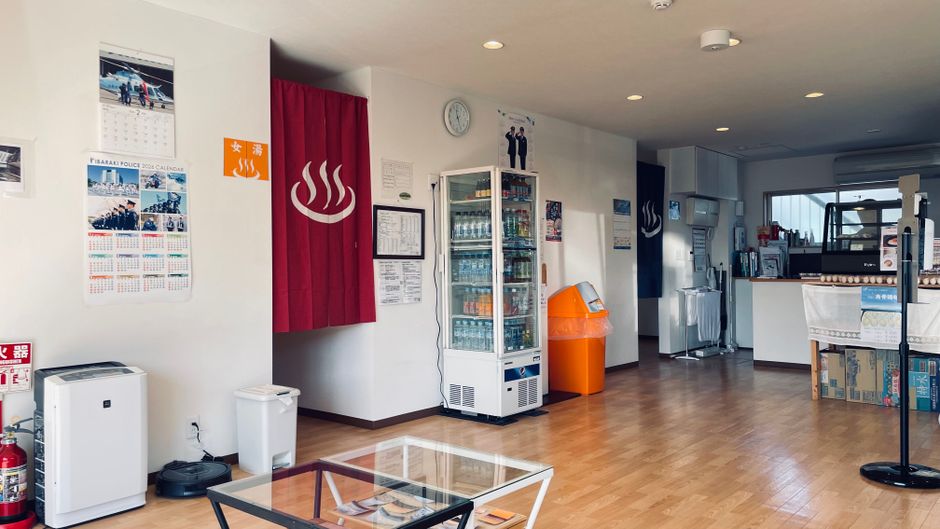
The process is simple, but the order of the steps matters. At the entrance, you pay or show your booking, then take off your shoes. The women’s and men’s areas are usually separate and may be indicated by Japanese signs or different colours. If you do not understand the signs, ask a member of staff to direct you to the correct changing room.
- Take off your shoes and, if necessary, take a basket or locker for your belongings.
- Undress completely in the changing room. Swimwear is not worn in a traditional onsen.
- Take only your small towel into the washing and bathing area.
- Wash yourself sitting on the small stool, then rinse the soap and shampoo off thoroughly.
- Enter the bath slowly without splashing the other people.
- After bathing, dry yourself roughly before returning to the changing room so that you do not get water everywhere.
To learn about Japanese bathing customs and variations between establishments, also see the guide to onsen and onsen etiquette.
What to do in the washing area
Showering before bathing is not just a quick wash: it helps keep the shared water clean. Use the seat provided, point the shower towards yourself and avoid splashing nearby people. Soap your body, wash your hair if necessary, then rinse off all products before approaching the bath.
Do not leave the water running unnecessarily and do not lie down in the washing area. Products may be provided, but this is not always the case. Ask a member of staff if you cannot find any soap or shampoo. Personal belongings should remain in the changing room or in the designated area near the showers.
Behaviour in the bath
Respecting other people’s peace and space
An onsen is a shared place for relaxation. Speak quietly, sit or immerse yourself without taking up all the space, and avoid games, diving and sudden movements. Phones and cameras have no place in the changing rooms or near the baths: they may compromise other customers’ privacy.
Handling your towel and hair
The small towel is used to cover yourself while walking around, but it must not go into the water. Place it on the edge of the bath or on your head, as long as it does not fall in. Tie up long hair so that it does not touch the water. Do not wash your towel in the bath or soak it to cool it down.
Entering and leaving without disturbing others
Test the temperature carefully and immerse yourself gradually. If you feel unwell, get out immediately and notify a member of staff. Avoid running on wet floors. Also follow any instructions concerning the baths, rest periods or access to outdoor areas.
Tattoos and onsen: check before you go
Tattoo policies are not uniform. Some establishments still refuse entry to people with tattoos, while others accept covered tattoos; private baths and certain venues may have a more flexible policy. Acceptance may also depend on the tattoo’s size, number or location.
Do not assume that a discreet tattoo will automatically be accepted. Check the establishment’s official page, write to the staff or ask your accommodation to confirm the rule. Information found in a directory may change: the establishment itself remains the most reliable source.
- Visible tattoo: ask whether entry is permitted and whether it must be covered.
- Tattoo that can be covered: check the accepted size and the conditions for using a waterproof dressing.
- Large tattoo: consider looking for a private bath, called kashikiri, if the venue offers one.
- Unclear policy: do not try to conceal the tattoo without prior approval.
In Noboribetsu, as in other hot spring towns, the expression “tattoo-friendly” does not guarantee the same experience everywhere. It may mean unrestricted entry, mandatory covering or access limited to a private bath. Read the precise conditions before booking.
Private onsen, ryokan and sentō: which option should you choose?
| Type of venue | What characterises it | What to check |
|---|
| Public onsen | Shared bath and collective rules | Tattoo policy, opening hours and separation of areas |
| Private bath or kashikiri | Area reserved for your group | Booking, duration and access conditions |
| Ryokan onsen | Bath integrated into a traditional inn | Access included or limited to guests |
| Sentō | Urban public bath with heated water | Local rules and tattoo acceptance |
A private bath is particularly suitable for people who want greater privacy, are travelling with their family or do not want to worry about other people’s reactions. It can also be a solution for a tattoo when the establishment explicitly confirms that it is possible. If you are staying at an inn, ask about the bathing schedule and access reserved for guests.
Do not confuse onsen etiquette with ryokan etiquette. In a traditional inn, you will also need to respect areas where shoes are prohibited, tatami mats and slippers reserved for certain rooms. The guide to how Japanese accommodation works can help you compare the different types of stay.
Special situations to anticipate
Children
Supervise children at all times in the wet area and explain the rules to them before entering. Check any minimum age or height specified by the establishment, as well as the conditions for accessing the changing rooms. Instructions may vary depending on the venue.
Health-related rules
If you have an illness, are pregnant, are sensitive to heat or have any questions about your health, seek advice from a healthcare professional before bathing. Leave the bath as soon as you feel unwell and notify the staff. Do not drink alcohol before using a hot bath.
What to bring
Bring a small towel, clothes that are easy to put back on and a means of payment accepted at the venue. Valuables should be left in a secure locker when one is available. Avoid bringing jewellery or accessories that could be lost in the water.
The mistakes most likely to cause discomfort
- Entering the bath without washing first.
- Keeping your swimsuit on in a traditional onsen without checking that it is permitted.
- Putting your towel or hair in the water.
- Speaking loudly, filming or using your phone.
- Ignoring instructions about tattoos.
- Walking with shoes in the changing room or on the tatami mats.
If you make a mistake, calmly leave the water and observe the other bathers or ask the staff for advice. The rules are easier to follow when you prepare for your visit, particularly if you are looking for a venue that accepts tattoos or a private bath.
To complete your preparations for your stay, you can consult the guide to the Working Holiday Visa in Japan or the advice on food customs in the guide to the Japanese bento.
Frequently asked questions
Can you enter an onsen with a tattoo in Japan?
It depends on the venue. Some refuse tattoos, while others accept tattoos that are covered or offer a private bath. Check the official rule before your visit and ask about the permitted dimensions or type of dressing. Do not rely solely on the “tattoo-friendly” label in a directory.
Do you have to wear a swimsuit in a Japanese onsen?
In a traditional onsen, nudity is the rule and swimsuits are generally not permitted. Exceptions exist in some resorts, mixed-gender baths or private areas. Check the venue’s instructions before changing, as practices are not the same everywhere.
What should you do if you do not understand the signs at an onsen?
Look for signs indicating the changing room, observe the pictograms and ask the staff to direct you. You can also show the name on your booking or use a translation prepared in advance. It is better to wait for confirmation than to choose an area at random, particularly when the women’s and men’s areas are separate.
Can you talk in an onsen?
Yes, but quietly and without disturbing the other bathers. Lively conversations, shouting, games and jumping into the water are unwelcome in a shared bath. Turn off or put away your phone and follow the staff’s requests if an area requires greater silence.
Can you go to an onsen during your period?
The rules vary between venues and according to personal practices. Seek advice from a healthcare professional if you have a medical question and check the venue’s policy. A private bath may offer greater privacy, but you should confirm its access conditions before booking.