To find somewhere to stay, you can compare hotels on Klook.
How many days should you plan for your first trip?
The ideal length of a first trip to Japan is between 10 and 14 days. This timeframe allows you to visit the three must-see destinations (Tokyo, Kyoto and Osaka) without rushing, while also fitting in a day trip to Nara or Hiroshima. A stay of fewer than 7 days forces you to make frustrating choices, while with more than 15 days, you can add regions such as the Japanese Alps or Hokkaido.
Allocate your time as follows: 4 days in Tokyo to take in the city’s energy, 3 days in Kyoto for its temples and gardens, 2 days in Osaka for its food and lively atmosphere, plus 1 day in Nara. Leave one day’s leeway for unexpected events or jet lag on arrival.
Choose your itinerary based on your interests
The classic Tokyo-Kyoto-Osaka itinerary suits most first-time travellers, but you can adapt it according to your priorities. Lovers of traditional culture can extend their stay in Kyoto (5 days) and add Kanazawa. Nature enthusiasts can replace Osaka with Hakone and Mount Fuji. Families with children can include Universal Studios Japan or Tokyo Disneyland.
For a food-focused trip, make Osaka your base (3–4 days), complemented by Tsukiji Market in Tokyo and Kyoto’s kaiseki cuisine. If you are travelling outside the cherry blossom or autumn foliage seasons, focus on urban and cultural experiences rather than natural landscapes. Consult the family travel guide to Japan if you are travelling with children.
Book your accommodation at the right time
Booking early makes all the difference in Japan. For a trip during the cherry blossom season (late March–early April) or Golden Week, book at least 6 months in advance. During normal periods (September, November and January–February), 2 to 3 months is sufficient. Japanese business hotels (Toyoko Inn, APA Hotel and Dormy Inn) offer the best value for money, with clean, practical rooms.
Choose neighbourhoods with good metro connections: Shinjuku or Shibuya in Tokyo, Kyoto Station or Gion in Kyoto, and Namba or Umeda in Osaka. Spending one night in a capsule hotel is a typical experience worth trying once, but not for your entire stay. Traditional ryokan with onsen are expensive (from 15 000 yens per person including meals) and need to be booked even further in advance.
Plan your travel between cities
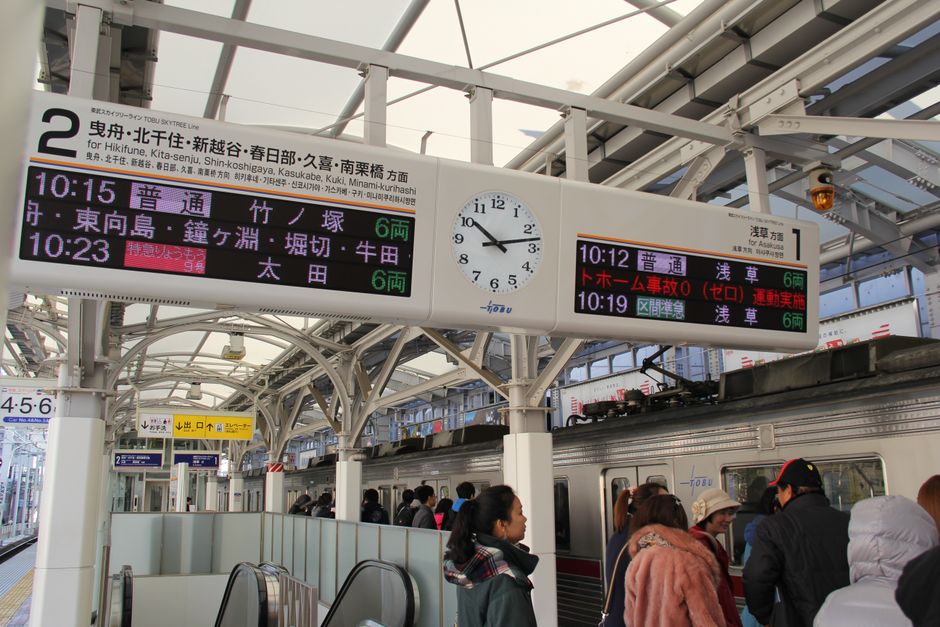
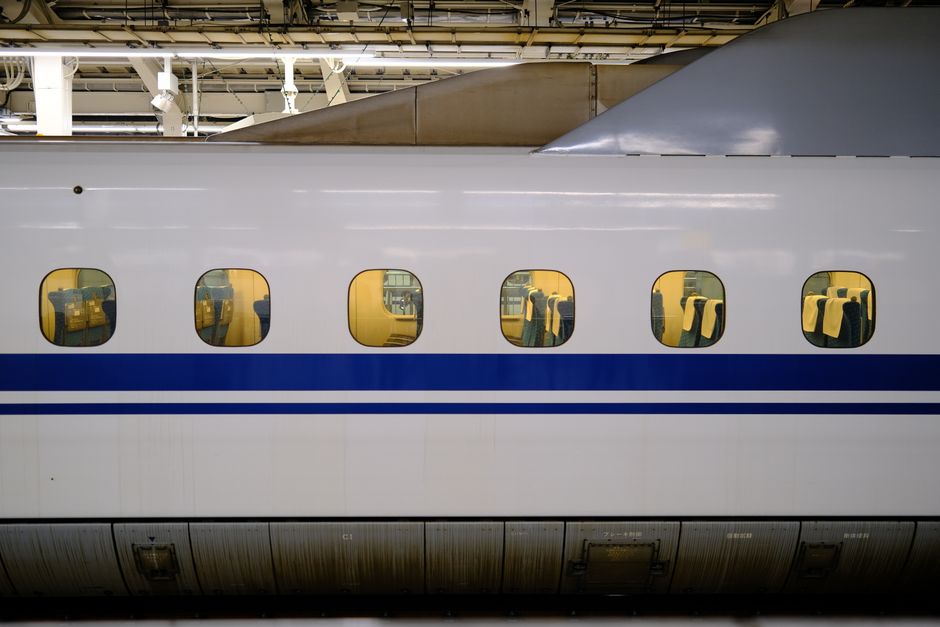
The Shinkansen (high-speed train) connects the main cities in just a few hours: Tokyo–Kyoto in 2h15, Kyoto–Osaka in 15 minutes, and Osaka–Hiroshima in 1h30. The JR Pass becomes worthwhile if you make at least one Tokyo–Kyoto–Osaka return trip or travel from Tokyo to Hiroshima. Calculate your journeys before buying: a 7-day Pass costs around 50 000 yens, while Tokyo–Kyoto–Osaka with individual tickets costs around 30 000 yens.
| Journey | Duration | Single ticket price |
|---|
| Tokyo – Kyoto | 2h15 | 13 320 yens |
| Kyoto – Osaka | 15 min | 560 yens |
| Osaka – Hiroshima | 1h30 | 10 570 yens |
| Tokyo – Osaka | 2h30 | 13 870 yens |
For getting around cities, buy a rechargeable Suica or Pasmo card as soon as you arrive at the airport. It works on all public transport and in many shops. Download the Suica app to top it up from your smartphone.
Manage your money and payments on the spot
Japan remains a country where cash is king, despite recent progress in electronic payments. Plan to withdraw yens regularly from 7-Eleven or post office ATMs, which accept international cards. Always keep 10 000 to 20 000 yens in cash for small restaurants, temples, vending machines and local shops.
Visa and Mastercard cards work in major chains, hotels and tourist restaurants, but often fail in local establishments. Inform your bank about your trip to avoid your card being blocked. Withdrawal fees vary between banks; some online banks offer free withdrawals abroad. Avoid airport bureaux de change, whose rates are unfavourable.
Adapt to Japanese cultural customs
Respecting Japanese etiquette makes interactions easier and enriches your experience. Beyond the basic rules (removing your shoes and not leaving tips), observe a few essential customs: queue neatly, do not eat while walking in the street, do not talk on the phone on public transport, and do not blow your nose in public (sniff discreetly or step away).
In restaurants, call the waiter by raising your hand or pressing the table button. Never stand your chopsticks upright in rice, pass them from hand to hand, or point at anyone with them. At onsen, wash yourself thoroughly before entering the communal bath. If you have visible tattoos, check the establishment’s policy: some prohibit them, while others provide adhesive covers to conceal them.
Learn a few basic words: arigatō gozaimasu (thank you very much), sumimasen (excuse me/sorry), onegaishimasu (please). Japanese people appreciate the effort, even when it is awkward. To learn more about the practical aspects of life in Japan, the complete visa guide explains the entry formalities.
Prepare your phone and internet connection
Staying connected in Japan makes getting around and researching considerably easier. There are three options: an eSIM (a virtual SIM card installed before departure), pocket WiFi (a portable router rented at the airport), or a physical SIM card bought locally. An eSIM is the most convenient option for compatible smartphones: instant activation, no equipment to return, and unlimited or tiered data plans.
Install your essential apps before departure and download offline maps from Google Maps. Activate offline translation for Japanese in Google Translate. Free WiFi is available in konbini, stations and some tourist attractions, but is still insufficient for continuous use. For more details on connectivity options, see the complete guide to phone and internet services in Japan.
Anticipating unexpected expenses and your actual budget
The initial budget often underestimates certain expenses. Beyond accommodation and transport, allow for the following costs: luggage storage at stations (500-800 yen per day), temple and museum admission (300-1,000 yen per site), restaurants (800-2,000 yen per meal depending on the category), souvenirs and snacks (variable budget), travel insurance (recommended, approximately 50-80 € for 15 days).
| Type of expenditure | Backpacker budget/day | Comfort budget/day |
|---|
| Accommodation | 3 000-5 000 yen | 10 000-15 000 yen |
| Meals (3 per day) | 2 500-4 000 yen | 6 000-10 000 yen |
| Local transport | 1 000-1 500 yen | 1 500-2 500 yen |
| Sightseeing and leisure | 1 000-2 000 yen | 3 000-5 000 yen |
| Daily total | 7 500-12 500 yen | 20 500-32 500 yen |
Add a 20% safety margin to your estimated budget. Drinks from vending machines (150 yen), konbini and tempting food options quickly add up. For a detailed estimate, see the complete guide to travel budgets in Japan.
Travelling alone or with others: adapting your preparations
Japan is one of the safest and most accessible destinations for solo travel, including for women. The language barrier can be overcome with translation apps, signs in romaji (the Latin alphabet) in tourist areas, and the general kindness of the Japanese. Youth hostels and themed bars make it easier to meet fellow travellers.
If you are travelling alone, choose lively neighbourhoods for your accommodation (you will find it easier to go out in the evening), book a few group experiences (cooking classes, guided walking tours), and join online communities before departure. The solo travel guide to Japan explores the specifics of this type of trip in greater detail. When travelling as a group or couple, coordinate your interests during the planning stage to avoid frustrations once there.
What to pack depending on the season
What you need to pack varies considerably depending on when you travel. In spring (March-May) and autumn (September-November), plan to wear layers: T-shirts, light jumpers, a waterproof jacket and comfortable trousers. Temperatures range from 10 to 25°C, with significant differences between morning and afternoon. In summer (June-August), choose breathable fabrics, a hat, sun cream and an umbrella (the rainy season is in June-July). Winter (December-February) calls for a warm coat, scarf and gloves, especially in Tokyo and Kyoto, where temperatures fall to around 5°C.
Whatever the season, bring comfortable shoes that are easy to put on and take off (you will remove them several times a day), socks in good condition (you will walk in your socks in some places), a small backpack for daily excursions and a basic first-aid kit. Limit yourself to cabin baggage if possible: Japanese hotels often offer laundry services, and you can easily buy clothes locally if necessary.
Frequently asked questions
How much does a first 10-day trip to Japan cost?
For 10 days, budget between 1 200 € (backpacker style with hostels and inexpensive meals) and 4 000 € (comfortable hotels and quality restaurants), excluding the flight. The average budget is around 2 000-2 500 €, including accommodation, transport, meals and sightseeing. Add 700-1 200 € for a Paris-Tokyo flight.
Do you need to speak Japanese to travel in Japan?
No, you can travel without speaking Japanese. Tourist areas display signs in English, translation apps work well, and Japanese people make an effort to help despite the language barrier. Learning a few polite expressions (<em>arigatō</em>, <em>sumimasen</em>) nevertheless improves interactions and shows your respect.
Is the JR Pass compulsory for a first trip?
No, the JR Pass is not compulsory and only becomes worthwhile if you make several long Shinkansen journeys. For a Tokyo-Kyoto-Osaka itinerary, calculate your travel costs: if you mainly stay in these three cities with just one return journey, individual tickets often cost less than the 50 000 yen Pass.
What is the best time of year for a first trip to Japan?
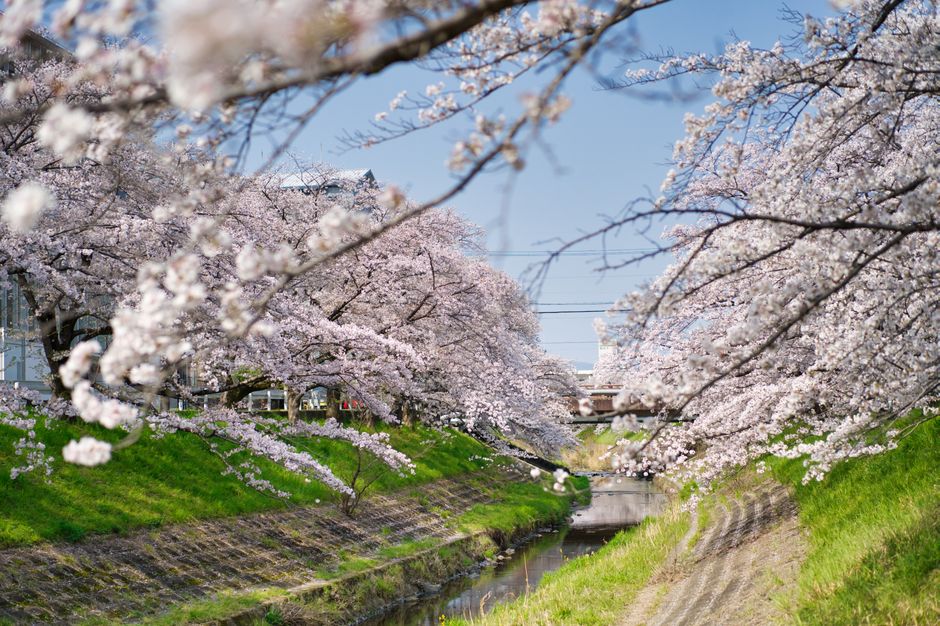
The ideal periods are late March to early April (cherry blossom season) and October-November (autumn foliage). These seasons offer pleasant temperatures (15-25°C) and iconic scenery. Autumn is less crowded and more affordable than spring. Avoid Golden Week (late April to early May), Obon (mid-August) and the Japanese New Year.
Can you travel easily in Japan with children?
Yes, Japan is a very family-friendly destination: excellent safety, cleanliness, child-friendly facilities (changing tables, high chairs) and punctual transport. Children under 6 travel free on public transport. Plan a less demanding pace and include fun activities (parks, aquariums and toy shops).
Should I take out travel insurance for Japan?
Travel insurance is strongly recommended because medical treatment in Japan is very expensive for tourists without cover. A simple consultation can cost more than 10 000 yen, while hospitalisation can cost several hundred thousand yen. Check whether your bank card includes travel insurance; if not, take out specific insurance covering medical expenses, repatriation and cancellation.