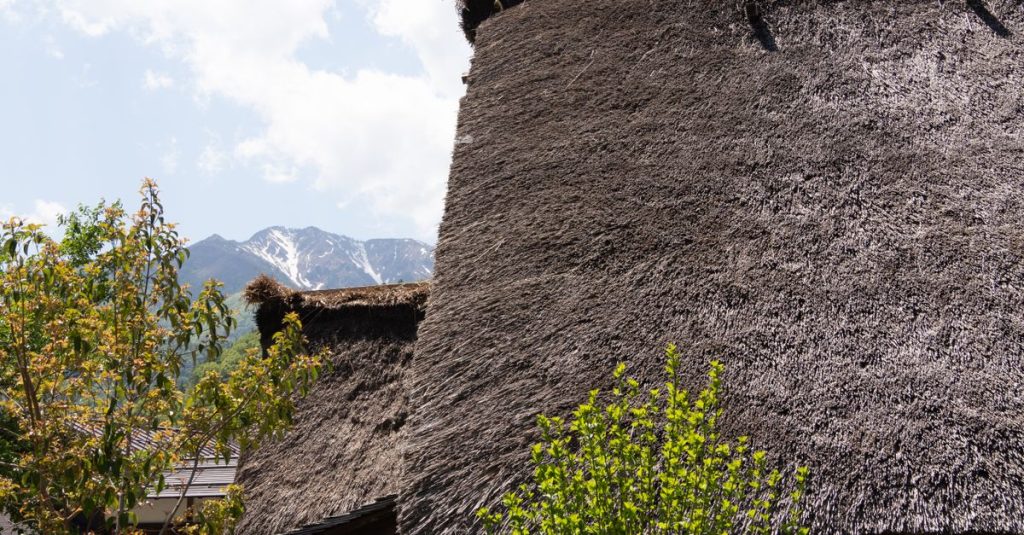
Shirakawa-go: Visit the Gasshō-Zukuri Village
Discover Shirakawa-go, a UNESCO-listed Japanese village with gasshō houses, Alpine scenery and practical advice for planning your visit.
Travelling to Japan in February is particularly suitable for travellers who want to see snowy landscapes, enjoy winter sports or discover seasonal festivals. The cold is pronounced in the north and at higher altitudes, while the major cities of Honshu generally experience a drier winter, with conditions varying from one region and year to another.
Your choice therefore depends on your priorities: Hokkaido for snow and the Sapporo Snow Festival, the Japanese Alps for skiing in Japan, or Tokyo and Kyoto for city sightseeing with warm clothing. Before booking, check local forecasts, event dates and transport conditions with the relevant organisations: this information may change.
In brief
For snow: choose Hokkaido or mountainous regions, taking local conditions into account.
For winter festivals: check dates and access before leaving, particularly for the Sapporo Snow Festival.
For city sightseeing: bring warm layers and footwear suitable for cold or slippery surfaces.
For planning your stay: check forecasts and transport conditions shortly before each journey.

Weather in Japan in February cannot be reduced to a single pattern. The archipelago stretches from north to south and has significant variations in altitude, so perceived temperatures, precipitation and snowfall differ considerably between Hokkaido, the mountains of Honshu and the southern regions.
In Hokkaido, winter is well established and snow forms part of the landscape in many areas. Conditions can also be distinctly wintry in the central mountain regions. In Tokyo, Kyoto and Osaka, the cold still needs to be taken into account, but a day sightseeing in the city is not necessarily comparable with a stay at a ski resort.
On the Sea of Japan coast, snowfall can be heavy in winter, while other areas experience drier conditions. This regional difference matters when travelling: an itinerary that looks short on a map may be disrupted by the weather or by the condition of roads and railway lines. Check the latest travel safety advice before setting out.
To choose between February and a milder season, compare your travel goals with the characteristics of neighbouring months using this guide to the best time to visit Japan. General trends are useful when preparing an itinerary, but they do not replace checking local forecasts as your departure approaches.
| Region | What to expect in February | What to plan for |
|---|---|---|
| Hokkaido | Wintry atmosphere, frequent snow depending on the area | Insulating clothing and extra time for journeys |
| Mountains of Honshu | Cold and snowy conditions at altitude | Equipment suited to the activities planned |
| Tokyo and Osaka | City sightseeing in cold, changeable conditions | Adaptable clothing and comfortable shoes |
| Kyoto | Exploring historic sites in winter | Protection from the cold and checked opening hours |
The best approach is to prepare adaptable clothing rather than rely on uniform weather. For seasonal forecasts and regional differences, also see this guide to weather and seasons in Japan.
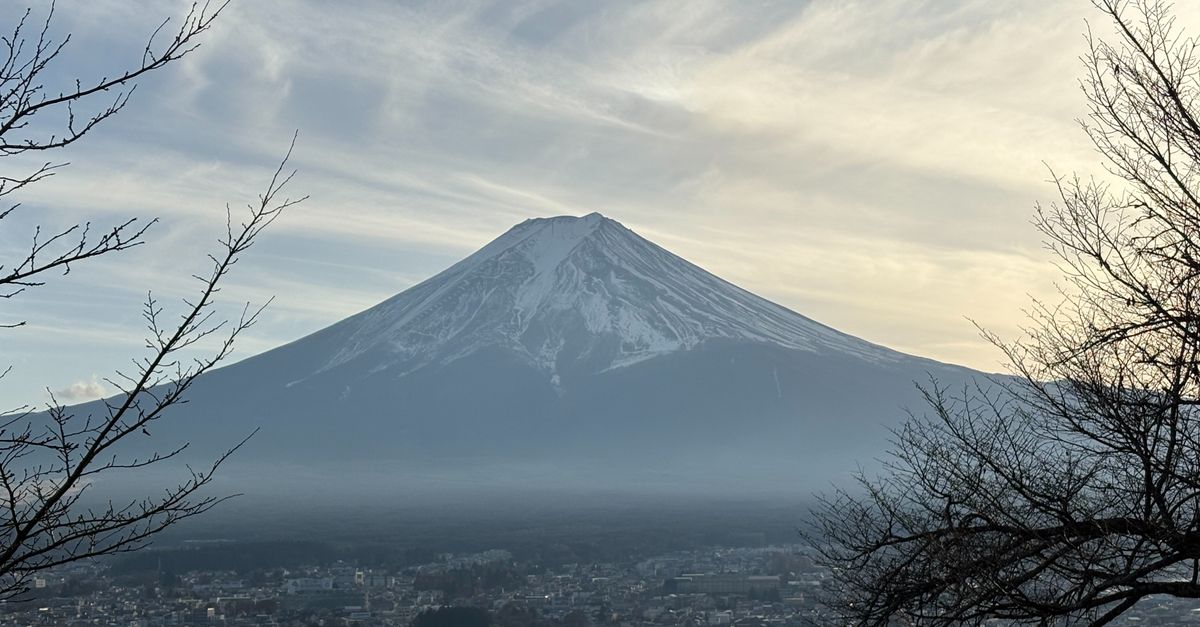
Snow in Japan attracts both lovers of winter landscapes and travellers coming to ski. Hokkaido in winter is a popular option for its snowy atmosphere, resorts and seasonal events. The mountainous regions of Honshu also offer opportunities, but choosing a destination means considering your level of experience, transfers and the conditions forecast.
Skiing in Japan is not simply a matter of selecting a resort on a map. You should check opening periods, piste conditions, equipment availability and how to reach the ski area from a station or nearby town. These details may change; confirm them with the resort or transport operator before travelling.
A snow-focused trip also requires time for journeys. During heavy snowfall, roads may become difficult and some services may be delayed or altered. Keeping one stage flexible, avoiding tight connections and following local announcements will make your programme more resilient.
Warm clothing should adapt to different situations: walking outdoors, heated transport and visiting places where you remove your shoes. A comfortable base layer, an insulating layer and protection from wind or damp are often more practical than one very thick garment.
For a mountain excursion, your shoes should match the terrain and planned activities. In cities, soles with good grip can be useful when pavements are wet or icy. Gloves, a hat and rain accessories should be chosen according to your destination and recent forecasts rather than a general average.
The cold also changes the pace of your days: indoor breaks become welcome and walking journeys may take longer. Building an itinerary around a reasonable number of visits lets you enjoy the scenery without making the whole trip depend on ideal weather.
Winter festivals give February a cultural dimension that complements outdoor activities. The Sapporo Snow Festival is associated with snow and ice sculptures and installations; it attracts visitors who want to discover the city in a winter setting. However, dates, occupied sites and access arrangements must be checked for the relevant edition with the local organisers.
Visitor numbers can affect the practical experience: accommodation near event venues is in demand and travelling around the city may take more time. Booking early may be sensible when a festival is the main focus of your stay, but prices and availability change. Check conditions directly with accommodation providers and transport operators.
Winter events are not limited to Sapporo. Depending on the region and calendar, you may find celebrations connected with snow, light or local traditions. To understand the role of festivals in Japanese life and find other events, see this guide to matsuri and festivals in Japan.
Winter illuminations offer another way to discover cities after dark. They may accompany a walk through a shopping district or a visit to a site arranged for the season; installations and opening periods vary by location. Check local information before organising a journey specifically for an illumination.
To balance your programme, combine a festival day with a more flexible activity, such as exploring a neighbourhood or taking a break in an indoor venue. This avoids placing all your expectations on an event affected by weather conditions and large crowds.
Check access routes, visitor areas and instructions published by the organisers in advance. On site, dress for spending time outdoors and make sure you can warm up somewhere indoors. A festival is best enjoyed when you can take your time rather than rush between several distant sites.
Tip: set up a Japan eSIM before departure so your data works on arrival.
A Japanese onsen can complement a winter trip, particularly after a day spent outdoors. The term refers to a hot spring and the establishments that operate it; entry rules, facilities and customs differ from one place to another. Read the posted instructions and ask before visiting if you have a question about the entry conditions.
Hot-spring baths fit well into a regional itinerary, but they should not be treated as interchangeable with urban sightseeing: some establishments are a considerable distance from major centres. You should therefore check connections and timetables with the relevant operators, particularly in bad weather. See our guide to onsen etiquette before your visit.
Tokyo, Kyoto and Osaka remain interesting choices for a winter trip if you want to alternate monuments, museums, restaurants and walks. In Kyoto, historic sites have a different atmosphere from busier periods, but you need to allow for the cold and check each venue’s opening hours. In Osaka, restaurant districts and indoor activities can structure a day that is less dependent on the weather.
Practical preparation makes days easier: keep an extra layer in your bag, identify places where you can take a break and choose shoes suitable for walking. For a first visit, the first trip to Japan guide helps you organise your stops without adding too many transfers. The pages dedicated to Tokyo, Kyoto and Osaka can then help you refine your programme according to the neighbourhoods you visit.
In February, comfort often comes from balancing outdoor and indoor activities: a winter walk is more enjoyable when followed by a warm indoor visit or a meal at a local establishment.
Preparation starts by choosing a priority: snow, festivals, skiing, cities or hot springs. Trying to combine distant regions in a short time increases the proportion of your stay spent travelling and makes adjustments harder in unfavourable weather.
For an itinerary focused on Hokkaido, group visits around a few bases and examine connections before booking activities. For a trip combining Tokyo, Kyoto and Osaka, check the value and cost of the planned journeys rather than assuming that a pass will automatically be suitable. Transport conditions and fares change: check them with the official operators when preparing your trip. Our guide to train travel in Japan can help with this planning.
Festival periods can affect accommodation and transport availability. Compare booking options and check cancellation conditions, particularly if your programme depends on an outdoor activity. Transport timetables, forecasts and entry formalities are also subject to change: consult the official organisations before departure.
Choose one main region to limit long journeys on cold days.
Check festival dates directly with the organisers and access arrangements with local transport providers.
Plan an indoor alternative for activities affected by bad weather.
Check booking conditions for accommodation, resorts and transport.
Consult official entry requirements before departure, as the rules may change.
February can therefore combine snowy landscapes, urban life and seasonal traditions, provided you build a programme that allows for changing weather. For practical information, checking local conditions remains the best complement to any plan.
Cold weather affects the whole country, but its intensity and conditions vary considerably depending on the region, altitude and weather at the time. Check local forecasts for each stop.
Hokkaido and mountainous regions are suitable choices if you are looking for snowy landscapes. Snow cover and access conditions vary, so check local information before travelling.
This event is associated with the winter season, but dates and arrangements change from one edition to another. Check the organisers’ announcements before booking.
Bring warm layers, protection from wind or damp and shoes suitable for the walking conditions. Adjust your equipment to the forecast for each region.
To book tours and activities in Japan ahead, see the options on Klook.
Updated on 12/11/2026
Scroll to see more articles →