
Japan’s safety figures
According to the National Police Agency (NPA)’s 2024 data:
- Tokyo: 1.2 million inhabitants, ~70 homicides per year (vs 300+ in Paris)
- Pickpockets: virtually non-existent in tourist areas
- Burglaries: 0.3% of households (one of the lowest rates in the OECD)
- Sexual violence: very rare but under-reported
- Natural disasters: typhoons (July–October), earthquakes (frequent), tsunamis (rare), volcanoes
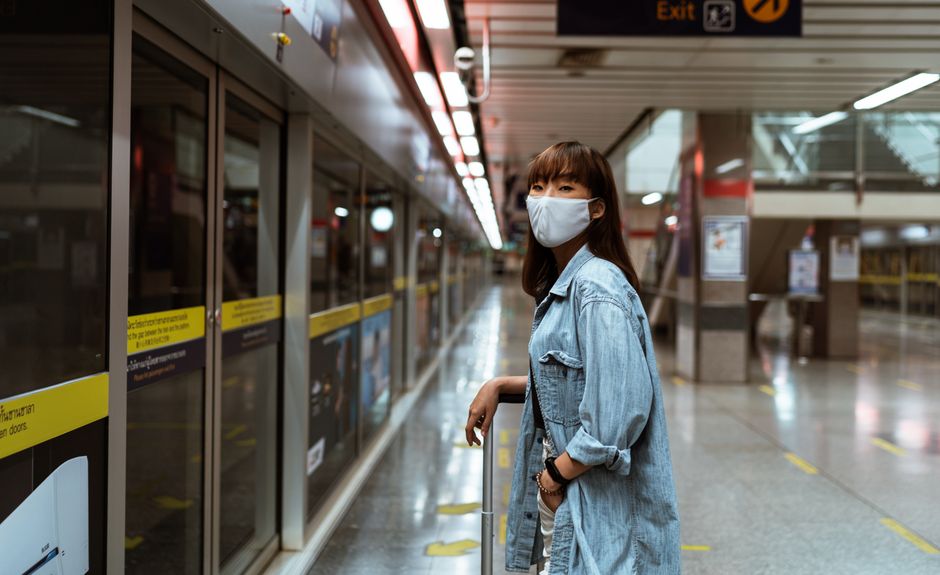
Women travel alone without any particular problems, including at night in major cities.
Scams to know about
Rare but they do exist:
- Overcharging in bars in Roppongi/Kabukicho: a glass of alcohol charged at 50,000 yen. Rule: refuse an “otoshidama” (an invitation from someone in the street who takes you to a bar).
- Unlicensed taxis: use official taxis only (green licence plate and number). Foreigners must use official taxis.
- ATMs at “non-7-Eleven konbini”: hidden fees for foreign cards. Prefer 7-Eleven, JP Post or a bank.
- Pochi-uke (dirty work): a Japanese person offers you a “luggage delivery contract” for money laundering. Refuse.
- Karaoke extortion: a karaoke evening arranged with improvised geishas and a bill of 100,000+ yen. Rare but documented.
Natural disasters and prevention
Key natural hazards to be aware of:
- Earthquakes: 1,500 detected per year, 1–2 felt in Tokyo per month. Earthquake-resistant buildings have been required since 1981.
- Typhoons: 10–25 per year, peaking in August–September. Monitor the JMA (Japan Meteorological Agency).
- Tsunamis: Pacific coast, alerts via loudspeakers. Evacuation routes are signposted along the coast.
- Volcanic eruptions: Mount Fuji, Sakurajima (Kagoshima), Asama (Nagano). Exclusion zones.
Essential apps: Yurekuru Call (real-time earthquake alerts) and NHK World (disaster alerts in English).
Emergency numbers
Remember:
- Police (kōban): 110 — available in English, Japanese, Chinese and Korean
- Fire brigade / ambulance (shōbō): 119 — Japanese only; interpreting app available at the police station
- Japan Visitor Hotline: 050-3816-2787 (24/7, English, Chinese, Korean)
- Tokyo English Life Line (TELL): 03-5774-0992 (9am–11pm, psychological support)
- JNTO Tourist Info: 050-3502-1463 (English-language call centre)
- Embassy of France in Tokyo: 03-5798-6000
Safe areas and areas to avoid
Tokyo:
- Safe: Shinjuku, Shibuya, Asakusa, Ueno, Akihabara, Ginza, Marunouchi, Roppongi (daytime)
- Safe at night: all central areas with lit streets and people around
- Avoid at night: alleys behind Yoyogi Kaikan, certain parts of Kabukicho (Shinjuku)
Kyoto: Higashiyama, Gion, Arashiyama and the central station are safe day and night. Avoid Nishiki Market late in the evening (few people around). Osaka: Dotonbori and Namba are safe; Shinsekai is a little seedy late at night but not dangerous.
General safety advice
Ten rules:
- Photocopy your passport and keep a digital copy
- Travel insurance: essential (€3–5/day) for medical expenses and repatriation
- Pharmacies: konbini sell basic essentials; pharmacies on duty (yakkyoku) are open 24/7 in Tokyo
- Alcohol: no alcohol in the street. Drinking at a konbini or in a park is prohibited. Tokyo is more tolerant than other cities
- Smoking: smoking in the street is prohibited in Tokyo (¥2,000 fine). Designated areas
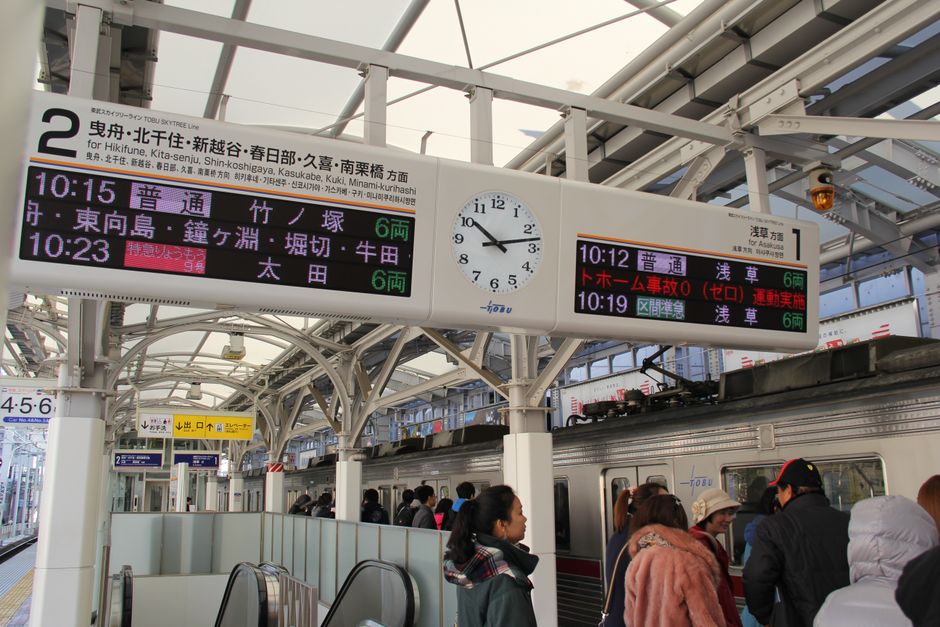
- Trains: pushing people from the end of the platform is rare but does happen in Tokyo. Police officers are present.
- Bicycle theft: common; always lock your bike (¥1,000–3,000)
- Internet cafés: use a VPN; public Wi-Fi may be monitored
- Disasters: follow “drop, cover, hold on” in the event of an earthquake
- Lost property: local police station (kōban); lost items are often returned
More to discover
Continue exploring Japan with our additional guides.
To get online as soon as you land, a Japan eSIM can be installed before you leave, with no need to look for a local SIM card.
You may also like
Online scams in Japan: how to protect yourself
Fake recruitment offers, property fraud, phishing and deepfakes: the most common scams and the right steps to protect yourself.