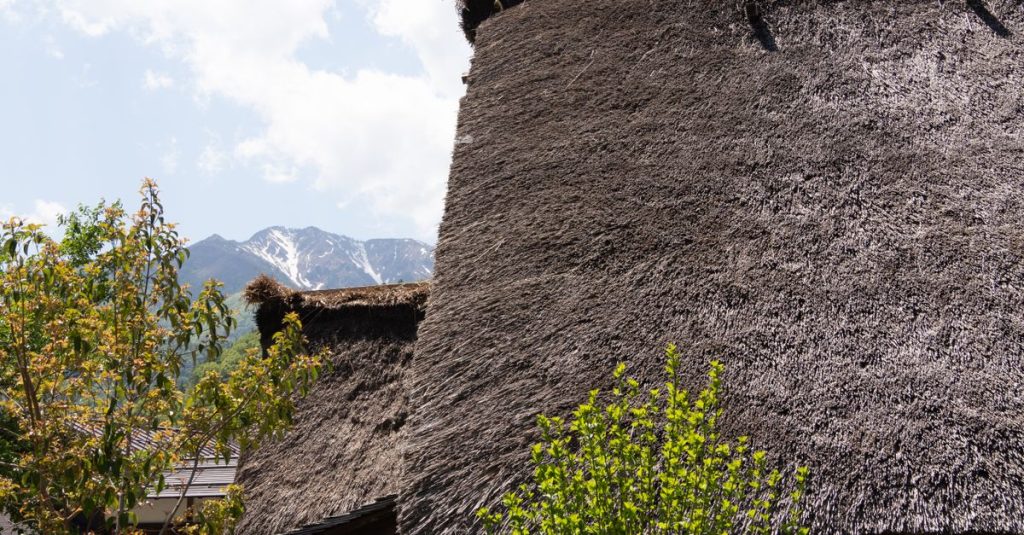
Shirakawa-go: Visit the Gasshō-Zukuri Village
Discover Shirakawa-go, a UNESCO-listed Japanese village with gasshō houses, Alpine scenery and practical advice for planning your visit.
Travelling to Japan in July lets you discover Japanese summer festivals, matsuri evenings and hanabi fireworks, but the trip requires planning around the heat in Japan and the rainy season. Japan’s summer climate varies by region, so choose your stops according to the expected weather, plan cool-down breaks and check local conditions shortly before departure. For August travel, see the guide to Japan in August.
For a successful trip to Japan, choose a flexible pace rather than a packed outdoor itinerary. Cities offer sheltered attractions and convenient transport, while mountainous or northern regions can provide a different kind of summer atmosphere. Festival dates and venues vary from one edition to the next: check announcements from organisers and local authorities before planning your evenings.

The heat in Japan is one of the first factors to consider when travelling in July. In large urban areas, walking between places, station platforms, concrete streets and waiting outdoors can make a day more tiring than the itinerary on a map suggests. It is better to plan fewer visits, group nearby attractions together and keep some time for indoor breaks.
Start walks early when opening hours allow, then use the hottest hours for museums, galleries, department stores or a break in an air-conditioned place. This does not mean giving up on lively neighbourhoods; rather, it lets you discover them at a more comfortable pace, especially at the end of the day, when the urban atmosphere changes and festival stalls may start setting up.
Pack lightweight, breathable clothing, sun protection and a bottle of water that you can refill when possible. How hot it feels also depends on humidity, physical effort and direct exposure to the sun. If you experience unusual tiredness, feel unwell or become very weak, stop your activity, find a cool place and ask for help rather than continuing with your plans.
When visiting Tokyo, for example, it is better to choose one main area per half-day than to cross the city repeatedly. A cultural visit in the morning can be followed by lunch indoors, then an indoor activity before an evening stroll. The same principles work in Kyoto and Osaka: grouping visits by neighbourhood reduces walking and leaves more time for breaks.
A trip does not have to be packed with activities to be rewarding. A day with one major visit, a local meal and a short walk may be more enjoyable than a succession of distant sites under intense sunshine. To adapt your plans to alerts and seasonal precautions, consult the advice on summer heat in Japan and check official recommendations when you leave.
The best travel advice is to treat the weather as part of your itinerary, just like train times or the distance between two neighbourhoods. A flexible schedule makes visits more comfortable and makes last-minute changes easier.
Japan’s summer climate cannot be reduced to one uniform weather pattern. Conditions vary according to the region, landscape and time of your stay. The rainy season, called tsuyu, affects part of the country at the beginning of summer, but its timing and effects are not the same everywhere. In July, it is therefore more useful to follow forecasts for your specific destination than to rely on a general description of Japan.
Rain can affect how comfortable a day is without preventing every visit. Pack a light waterproof jacket or an umbrella, protect electronic devices and keep a nearby backup activity in mind. In cities, museums, shops and covered passageways offer ways to continue exploring. In the countryside, paths and journeys may become less convenient after heavy rainfall; it is better to confirm conditions with the relevant operators.
Landscapes also change with the weather. A garden, temple or traditional street in the rain can offer a different atmosphere, but do not treat this as guaranteed: heavy rain can make some outings unpleasant. Keeping a day flexible lets you move an outdoor visit without disrupting the whole trip.
If your priority is enjoying major cities, Tokyo and Osaka make it possible to combine indoor activities with evening outings. Kyoto attracts visitors with its historic neighbourhoods and temples, but some routes involve prolonged walking, so choose visits and times with the heat in mind. The guides to Tokyo, Kyoto and Osaka can help you select coherent stops.
For a more nature- or landscape-focused atmosphere, compare regions and travel times before booking. The north of the country and higher-altitude areas may offer ways to vary your trip, but they do not guarantee a particular temperature or an absence of rain. Check local forecasts, access conditions and site information before setting out.
The page on the rainy season in Japan provides further guidance, while the guide to Japanese weather and seasons helps compare periods. In July, information at regional level is the most useful.
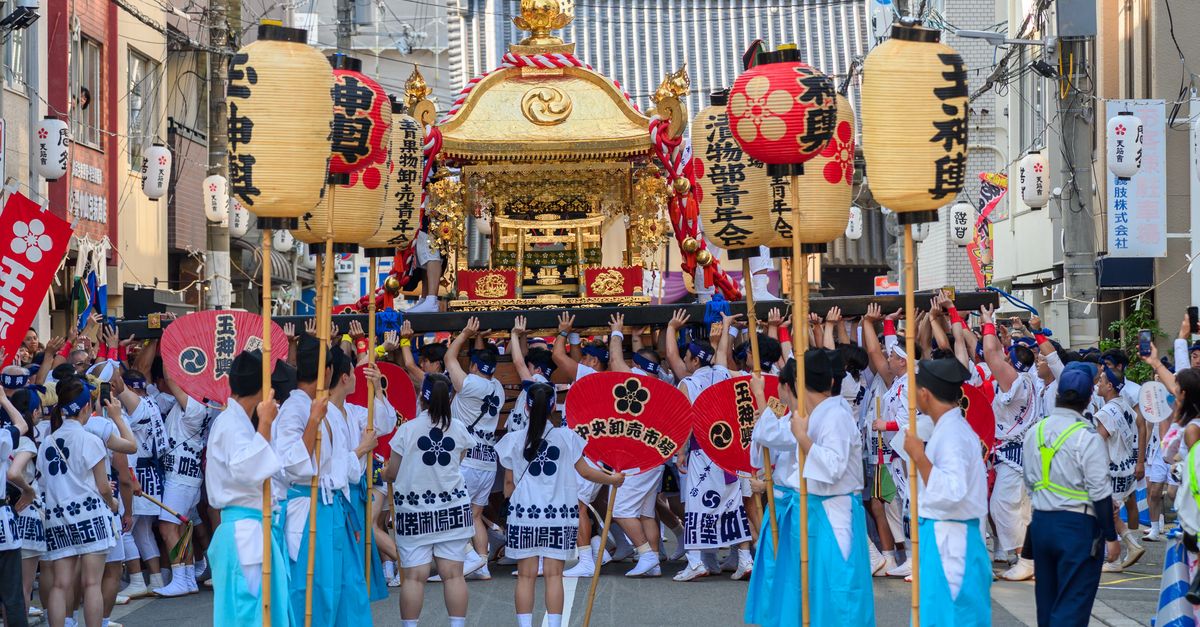
Japanese summer festivals give a trip a collective, local dimension. A matsuri may include processions, music, food stalls or activities connected with a shrine or neighbourhood. Traditions and the scale of the event vary considerably from place to place: some gatherings attract large crowds, while others remain closely rooted in community life.
Hanabi, or fireworks, are another highlight of summer. Their programme is not identical every year, and organisational arrangements may change. Before travelling to an event, check its official announcement, location, any access rules and transport guidance. Do not assume that a display is taking place simply because it is usually associated with a city or a particular summer period.
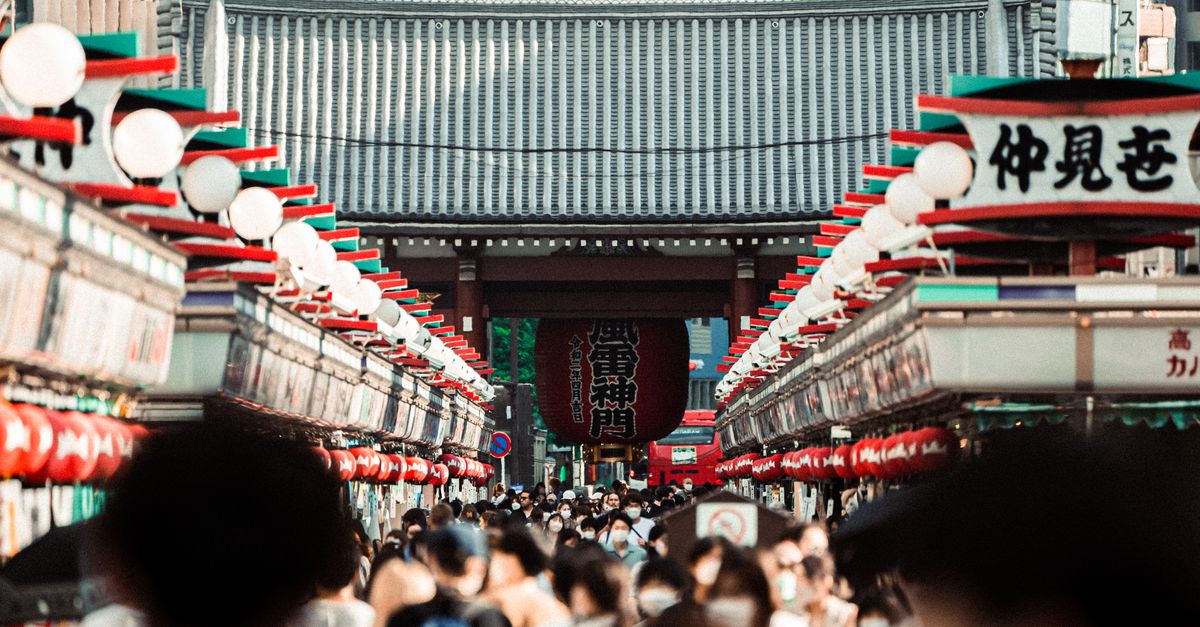
To enjoy a festival, plan your return journey and identify the relevant station or transport stop in advance. Large crowds can slow down travel, and some streets may be temporarily rearranged or closed. Carry as little as possible, follow the organisers’ instructions and respect areas reserved for local residents or participants.
A festival is also an opportunity to observe local practices without reducing them to a tourist backdrop. Ask permission before photographing people, do not block passageways and dispose of rubbish in the designated places. When the event is connected with a shrine, follow the posted guidance and observe how visitors behave on site.
The stalls offer a chance to discover specialities, but their menus and offerings vary from one event to another. To better understand local customs, consult the guidance on Japanese customs and the page dedicated to matsuri in Japan. An attentive visitor gets more from the atmosphere and helps preserve the festival’s welcoming character.
You can also attend a festival without building your whole trip around one event. Choose a city where you already want to stay, then see whether the local programme matches your dates. This approach avoids unnecessary long journeys and leaves you with a backup option if the weather disrupts the evening.
Tip: set up a Japan eSIM before departure so your data works on arrival.
The question of where to go in Japan in July mainly depends on the balance you want between culture, major cities, nature and events. Tokyo suits a stay combining neighbourhoods, museums, shops and evening outings. Kyoto offers remarkable heritage, but days can be demanding when visits involve long walks or journeys between several sites. Osaka is well suited to an urban discovery focused on neighbourhoods, food and indoor activities.
Hiroshima can fit into an itinerary focused on history and discovering the region, while other stops require you to assess connections and time spent travelling. Do not choose a destination solely for a photograph or one-off event: consider distances, opportunities to rest and options in bad weather. The pages on Hiroshima and a Japan itinerary can provide a basis for a more realistic selection.
| Type of stop | Why visit in July | What to plan for |
|---|---|---|
| Major city | Varied visits, indoor activities and evening outings | Walking, heat and crowds |
| Historic city | Heritage, gardens and traditional neighbourhoods | Sun exposure and distances between sites |
| Mountain region | Landscapes and a change of pace | Local weather, access and trail conditions |
| Festival destination | Neighbourhood atmosphere and seasonal events | Confirmed dates, crowds and the return journey after the evening |
A balanced itinerary avoids stringing together distant regions in just a few days. If you combine several cities, check timetables and transport conditions with operators during your trip, as this information can change. The guide to transport in Japan helps compare travel options without assuming that one solution suits every route. For longer journeys, you can also compare the Japanese railway system and available passes.
For a slower trip, spend more time in one region rather than ticking off a long list of destinations. This reduces hotel changes, makes breaks easier and leaves room for spontaneously discovering a neighbourhood or event. The right choice is not the most famous destination, but the one that matches your pace and priorities.
Practical preparation matters as much as choosing your cities. Check the entry requirements that apply to your situation with the official authorities before departure, as rules can change. The page on a visa for Japan provides preparation guidance, but it does not replace checking the requirements currently in force for your nationality and length of stay.
Your budget varies according to accommodation, meals, transport and activities. As prices may change, compare costs when booking and allow some margin to change a journey or choose accommodation closer by if you become tired. For meals, Japanese cuisine offers a wide variety of dishes; clearly mention any allergy and check ingredients when necessary.
Reliable access to maps and transport information makes it easier to adjust your plans on the spot. Before leaving, check connection options and the terms of your plan with your operator; the guide to phones and internet in Japan can help you prepare. Also download useful information so that you can consult your itinerary when the network is weak.
A trip to Japan in July can be lively and rewarding, provided you do not treat heat or rain as minor details. Comfort mainly depends on practical choices: reduce long walks, organise stops by area and do not make the whole trip depend on a single festival evening.
Yes, if you want to experience the summer atmosphere, matsuri and hanabi, and if you adapt your pace to the heat and regional weather conditions. Check the forecast and events shortly before departure.
Conditions and timing vary by region. Check forecasts for your specific destinations rather than relying on one nationwide trend.
Major cities such as Tokyo and Osaka offer many indoor activities, while an itinerary in Kyoto or Hiroshima can be adapted by grouping visits and planning breaks. No destination guarantees particular weather.
Check the dates, locations, access conditions and transport instructions with the organisers. The programme and arrangements may change from one edition to the next.
To book tours and activities in Japan ahead, see the options on Klook.
Updated on 14/11/2026
Scroll to see more articles →