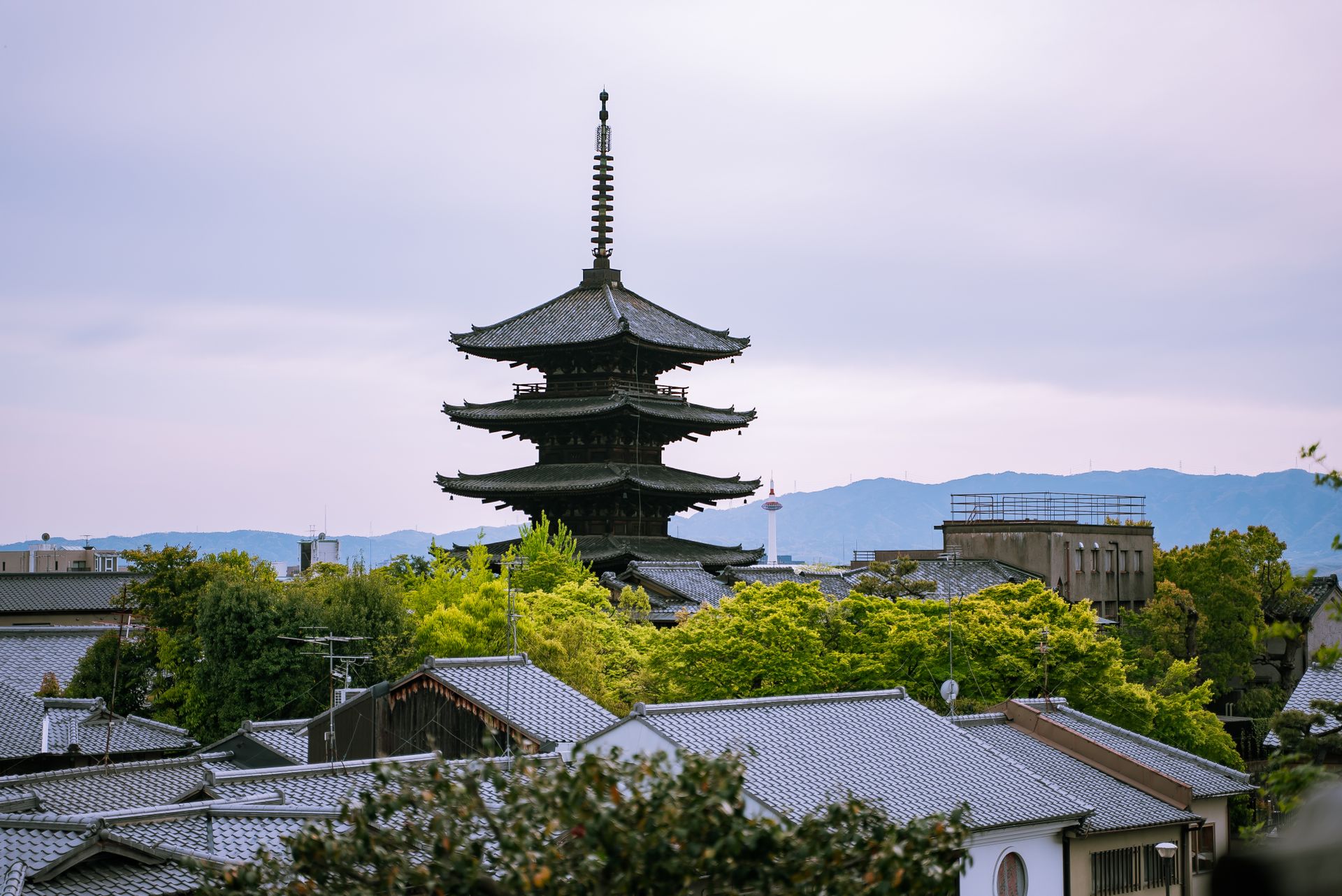
Traditional Japanese temple in Kyoto
Etiquette in 2026

Mastering the Art of
Fitting In in Japan

More than just a trip, settling in Japan means immersing yourself in a centuries-old social code. Discover the keys to decoding the unspoken rules and living in harmony.

Japanese customs are based on respect for others, discretion and consideration for the places around you. To avoid awkward mistakes, take off your shoes when asked, respect the quiet on public transport, use both hands when offering an object and observe local practices before acting. The rules vary depending on the context: temple, restaurant, accommodation, workplace or festival.

You do not need to know everything before you arrive. An attentive attitude, a simple apology if you make a mistake and a willingness to follow local instructions are generally enough to show your respect.

eSIM: online on arrival

The Concept of Harmony: “Wa”

In Japan, fitting in is not based solely on mastering the language, but on understanding “Wa” (harmony). In 2026, despite rapid technological modernisation, respect for social codes remains the foundation of Japanese society. Understanding the local way of life means, above all, learning not to disrupt the delicate balance between the individual and the group.

01 Ojigi: The Art of Bowing

A Japanese bow is much more than a simple courtesy. It expresses respect, gratitude or an apology. The depth of the bow varies depending on social status and the situation:

  • 15° (Eshaku): Informal greeting for friends or colleagues.
  • 30° (Keirei): Respectful bow for customers or superiors.
  • 45° (Saikeirei): Deep bow for a solemn apology.

People greeting each other in Japan

The Sacred Ground

Taking off your shoes at the Genkan is compulsory. It is a symbolic boundary between the “dirty” outside world and the “pure” interior.

“Never walk on tatami wearing slippers; remain in your socks.”

Omiyage

A return gift (Omiyage) is essential for maintaining good social relationships. It should be beautifully wrapped and offered with both hands.

Wrapped Japanese gift Find out more →

Table Manners: Chopsticks

The use of chopsticks (Hashi) is surrounded by strict taboos that expats absolutely need to know:

  • Never stand your chopsticks upright in a bowl of rice (a funeral ritual).
  • Do not pass food from chopsticks to chopsticks.
  • Do not point at someone with your chopsticks.

Did you know?

Slurping your noodles is a sign of appreciation and helps cool the ramen without losing its aromas. Do not be afraid of the noise!

Japanese Etiquette Simulator

Test your cultural reflexes for a smooth integration.
You are visiting a Japanese friend for the first time. What do you do when you enter?
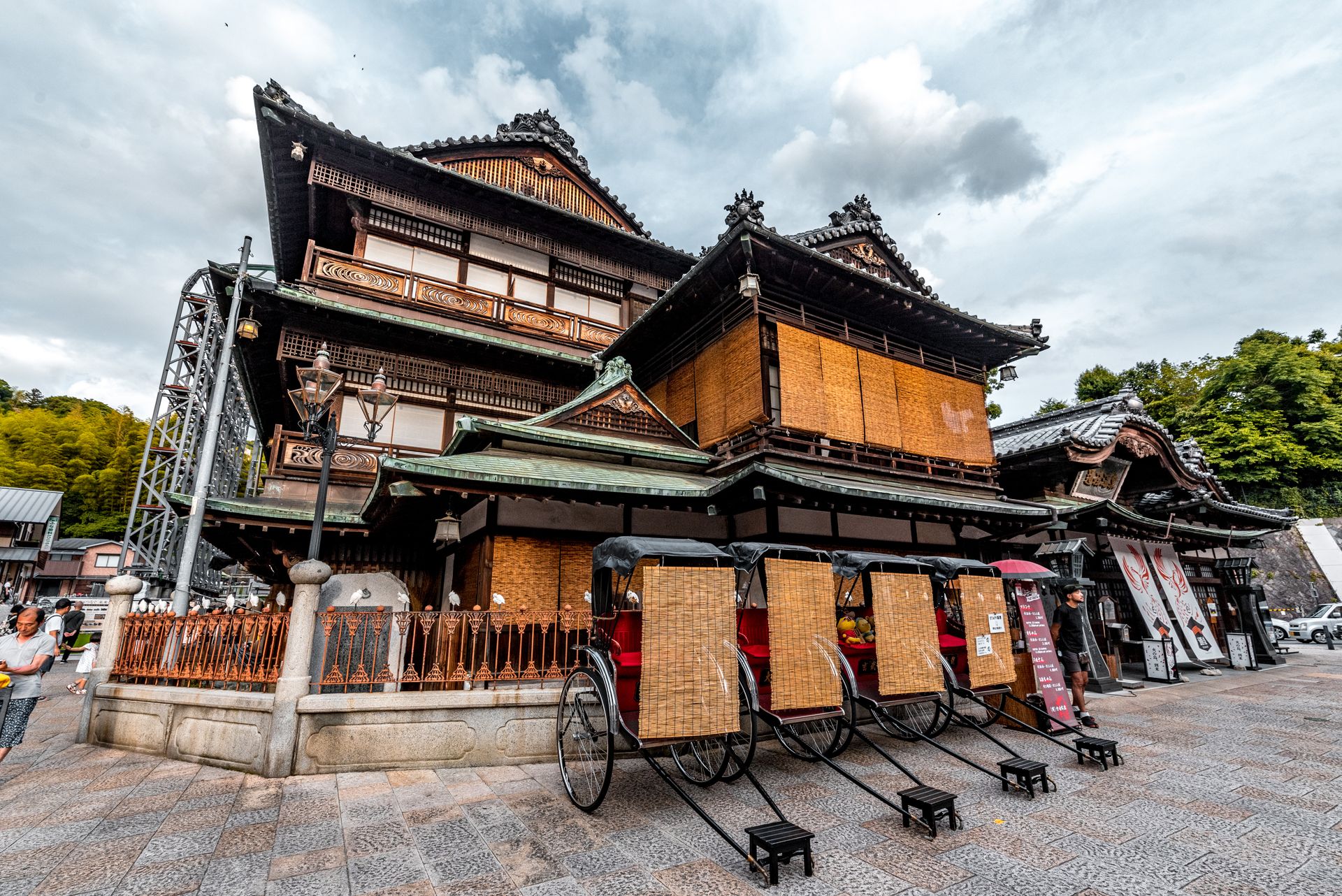
Traditional Japanese hot spring bath

Onsen and Sento: Shared Nudity

Bathing in Japan is not merely a matter of hygiene; it is a social and spiritual ritual called Hadaka no Tsukiai (communion through nudity). Whether you are in an onsen (hot spring) or a sento (public bath), the rules are inflexible.

1

Washing beforehand: Entering the bath without thoroughly washing yourself while seated on a small stool outside the bath is unthinkable.

2

No clothing: Swimming costumes are forbidden. The towel may be placed on your head but must never touch the bathwater.

3

Tattoos: Although attitudes are changing in 2026, many establishments still refuse entry to people with tattoos. Always check the establishment’s policy in advance.

Public Discretion

Silence is golden on public transport. Never make phone calls on the train, put your mobile on “Manner” mode (vibrate) and avoid speaking loudly. The golden rule is simple: do not cause inconvenience to others (Meiwaku).
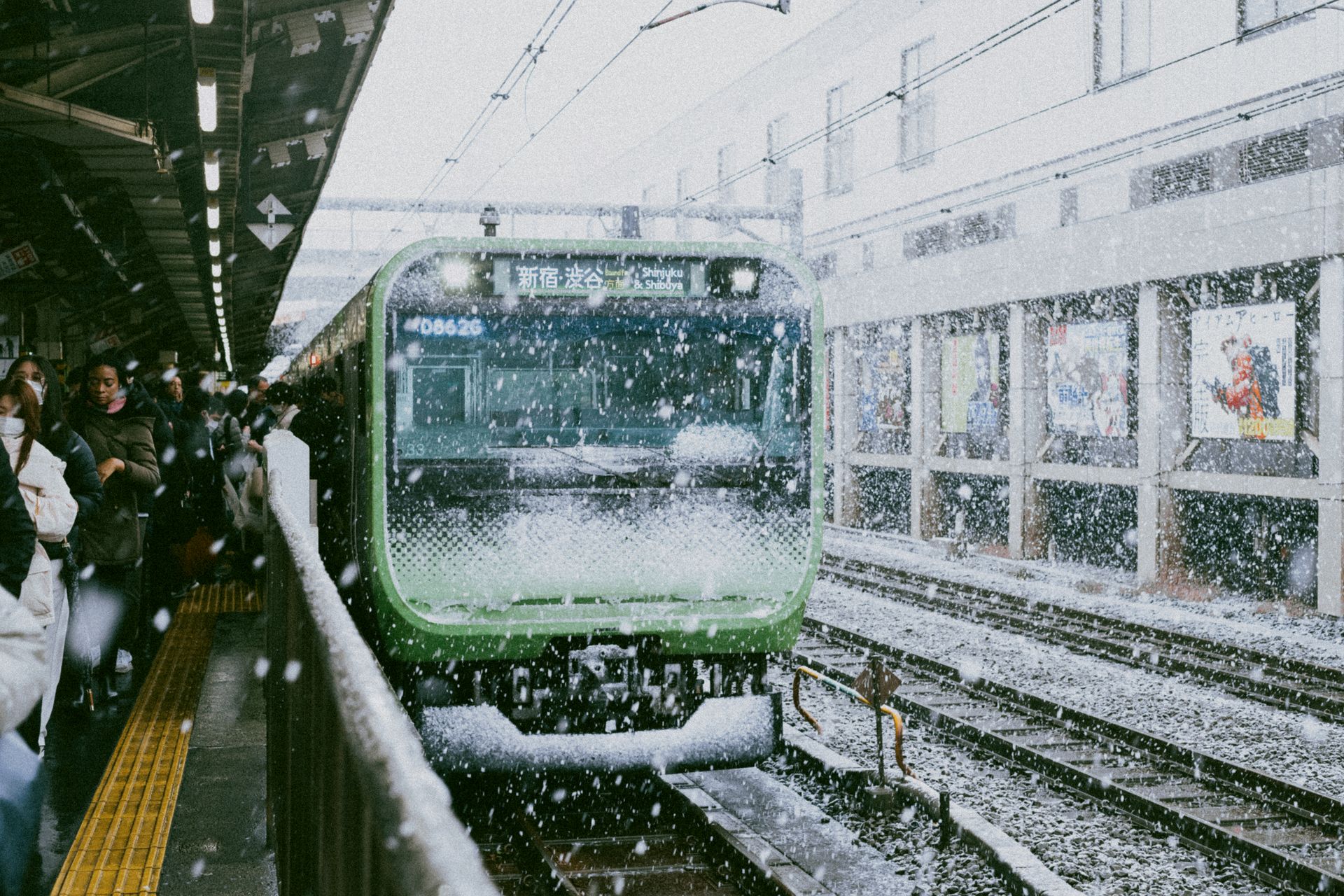
Modern train in Tokyo

Strict Punctuality

In Japan, arriving on time already means you are late. For a professional or social appointment, plan to arrive 5 to 10 minutes early. Punctuality is the first sign of respect for the other person’s time.

“In 2026, with ultra-precise transport systems, no excuse for being late is really accepted.”

Non-Verbal Communication

Learn to “read the air” (Kuuki wo yomu). Japanese people are often indirect to avoid conflict. “Maybe” or “that’s difficult” often means a definite “no”. Understanding silences and what is left unsaid is the key to successful integration.

Office meeting in Japan

An Everyday Essential

Washlet: The Future of the Toilet

Japanese toilets are famous for their technology. Heated seats, adjustable water jets, music to mask sounds... Learn the basic buttons to avoid surprises!

Tip: Find the “Stop” button (red) before activating anything.

The Konbini: Your 24/7 Ally

More than just a convenience store, the konbini (7-Eleven, Lawson, FamilyMart) lets you pay bills, send parcels and withdraw money. It is the beating heart of practical everyday life in Japan.

Discover the services →

Staying in a Ryokan

A traditional inn is the ultimate place to experience Japanese hospitality (Omotenashi). But be aware: the protocol is precise.

  • Wear the Yukata (light kimono) provided by the establishment.
  • Observe the dinner times (often precisely at 6pm or 7pm).
Ryokan interior

Tatami

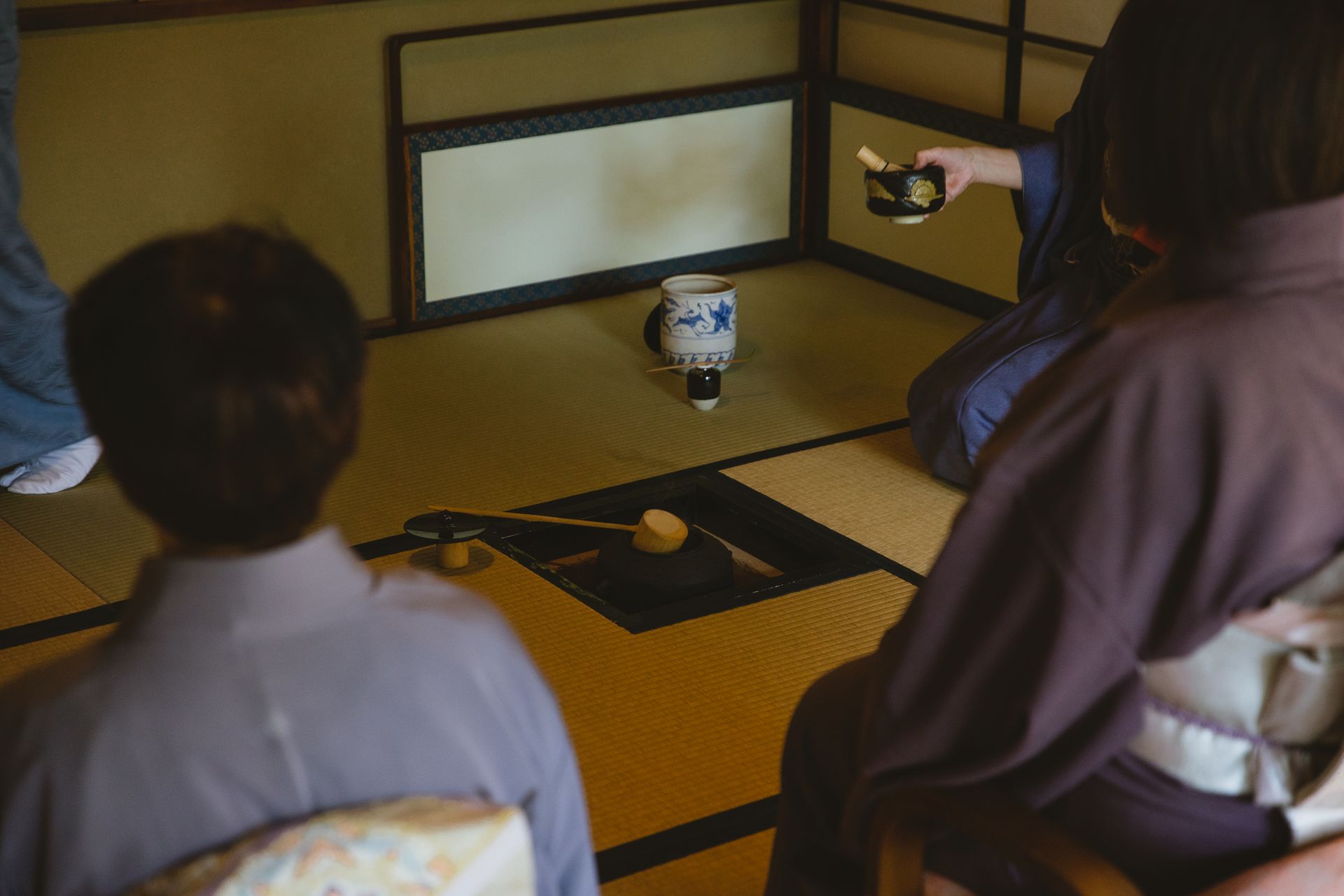
Tea ceremony

The Tea Ceremony

Greetings, workplace etiquette and taboos to avoid

Greetings and Ojigi

Bowing (ojigi) remains the standard greeting: a simple 15° inclination is enough for an informal greeting, around 30 degrees in a professional context, and a deeper bow for a sincere apology. Handshakes are becoming more common with foreigners, but letting your Japanese counterpart take the initiative remains the safest approach.

Traditional Japanese greeting

Workplace etiquette: the meishi business card

A business card (meishi) is exchanged with both hands, with the text facing the recipient, and read carefully before being put away respectfully—never slipped straight into a pocket. Hierarchy also determines the order in which people speak at meetings: address the most senior person first, even if they are not your direct contact.

A damaged meishi or one that is put away carelessly may be seen as a lack of respect towards the company it represents.

Taboos to avoid as a foreigner

Never stand your chopsticks upright in a bowl of rice or pass food from chopstick to chopstick (gestures associated with funeral rites). Avoid pointing, sitting cross-legged on a tatami without being invited, and flatly refusing a proposal: polite hesitation is understood as a refusal.

Traditional Japanese meal with chopsticks

Tip: set up a Japan eSIM before departure so your data works on arrival.

Frequently Asked Questions: Customs and Integration

Ready to start your adventure?

Moving to Japan is a journey of self-discovery. Join our community to share your first experiences.

Updated on

10 Japanese customs to know before your stay

Japanese traditions are not limited to ancient ceremonies. They appear in everyday gestures, the way people get around, meals, visits and social relationships. Some rules are very visible; others are best understood by observing the people around you.

  1. Respect private spaces: remove your shoes when entering a home, ryokan or certain establishments. Place them properly and use the slippers provided, without wearing them on tatami.
  2. Keep the noise down: avoid loud conversations on trains, in queues and at visitor attractions. Keep phone use discreet on public transport.
  3. Greet appropriately: a nod may be enough in an ordinary situation. The Japanese bow varies according to the level of respect or seriousness of the situation.
  4. Handle objects carefully: give a gift, card or document with both hands when appropriate.
  5. Observe the guidelines: in a temple, shrine, public bath or restaurant, first watch how others proceed.
  6. Respect queues: wait your turn without overtaking the people in front of you, particularly at stations, shops and platforms.
  7. Keep places clean: use the available bins and keep your rubbish with you if no solution is provided. Find the practical rules in the guide to waste management in Japan.
  8. Avoid sudden gestures: pointing at someone, interrupting a person or taking a photo without permission can create an awkward situation.
  9. Respect timings: confirm arrival, meal or appointment times and let people know promptly if there is a problem.
  10. Stay flexible: customs may vary depending on the region, establishment and generation. A rule displayed on site always takes precedence over a general assumption.

Japanese traditions still visible today

Hanami and the importance given to the seasons

Hanami involves admiring flowers, particularly cherry blossoms, in groups or with family. This practice highlights the place of the seasons in Japanese culture. In a park, settle only in authorised areas, leave the place clean and respect other groups. Contemplation does not exempt you from ordinary neighbourly etiquette.

Matsuri and community life

Matsuri are local festivals linked to a shrine, a season or a regional tradition. They often feature food stalls, processions and group activities. Follow the organisers’ instructions, do not touch ritual objects without being invited, and ask before photographing a person or ceremony.

The tea ceremony

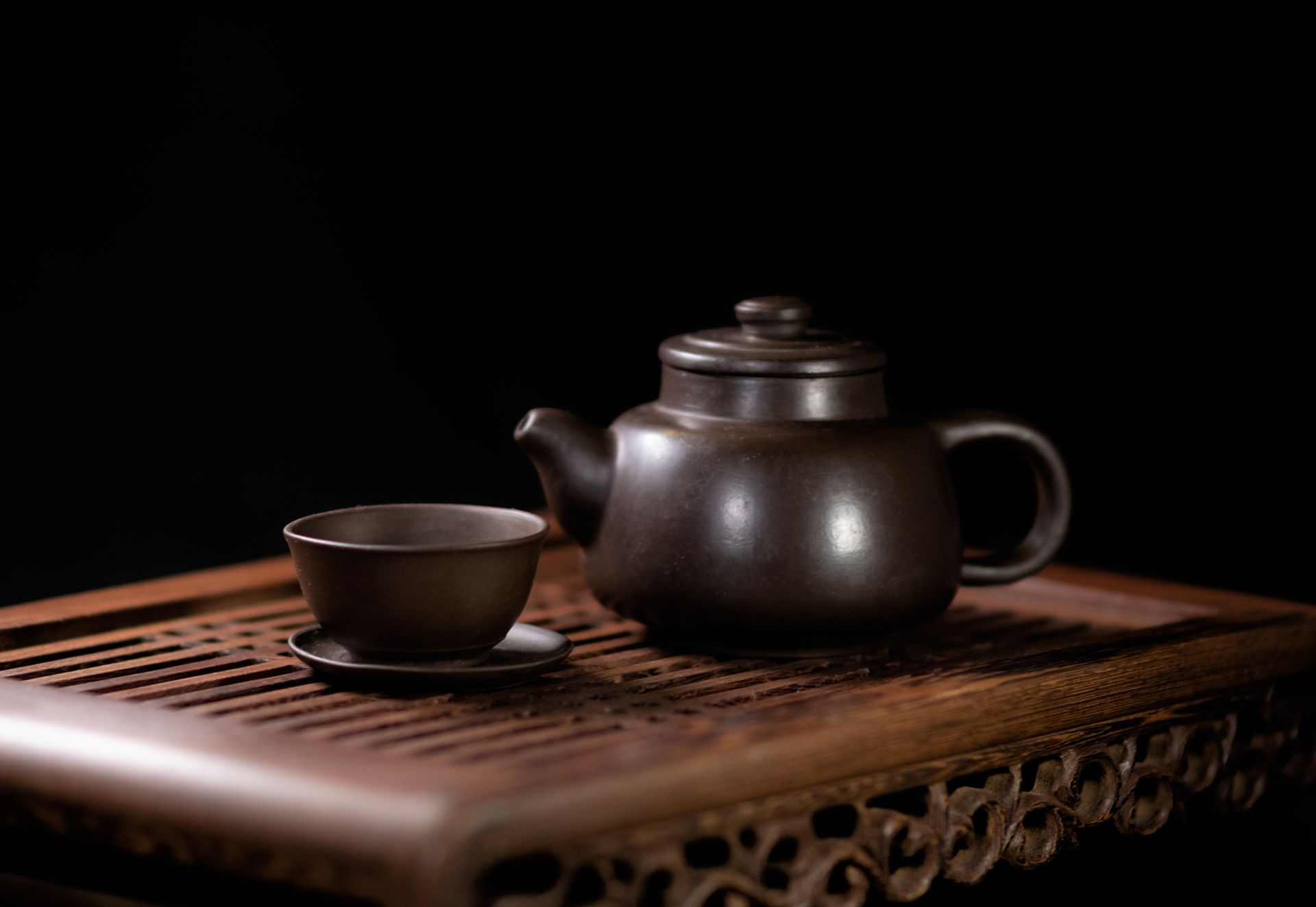
The tea ceremony emphasises preparation, simplicity and attentiveness towards the guest. If you take part, listen to the explanations, avoid handling utensils without being invited and take time to observe. Politeness matters more than perfect knowledge of the protocol.

Visiting temples and shrines

A Buddhist temple and a Shinto shrine are not necessarily visited in the same way. Respect restricted areas, speak quietly and do not sit on steps or reserved spaces. Purification and prayer rituals should be followed according to the instructions displayed on site, without reducing them to a mere tourist performance.

Table manners and restaurant etiquette

In a restaurant, wait until everyone has been served when the situation calls for it and use chopsticks appropriately. Do not stick them into rice, pass food directly from one pair to another or use them to point at someone. For shared dishes, serve yourself using the utensil provided rather than your personal chopsticks.

Also avoid altering a dish without a good reason or leaving the table in a major mess. In a traditional establishment, observe how customers sit down and store their belongings. To understand the customs surrounding purchases and payment, see the guide dedicated to payment methods in Japan.

Money, gifts and social exchanges

Attitudes towards money can surprise visitors. Use the payment methods accepted by the establishment and check the instructions before presenting your card or cash. Avoid conspicuously counting money in a social setting or negotiating when the displayed price is final. Practices vary from place to place; simply ask if you are unsure.

Omiyage, or a gift brought back from a trip, is used to thank a host, a team or loved ones. Choose a present that is easy to share and offer it with a simple phrase. The price matters less than the thought and presentation. At work, receive a business card respectfully: take the time to look at it before putting it away.

What changes between travelling and settling in

SituationRecommended approachMistake to avoid
Tourist tripRead the signs and observe local customsAssume that a custom is the same everywhere
Accommodation or ryokanFollow the instructions on footwear, bathing and mealsEnter private areas directly
CompanyRespect schedules, introductions and the hierarchyInterrupt or contradict someone bluntly
Daily lifeRemain discreet in shared spacesImpose your volume or pace on others

Settling in also means understanding practical procedures and habits. The information on everyday life in Japan complements the rules of behaviour, while the guide to finances in Japan helps distinguish social customs from banking matters.

How to react when you make a faux pas

A mistake is not necessarily serious. Stop what you are doing, apologise briefly and correct your behaviour. Avoid lengthy justifications or turning the situation into a joke. If you do not understand an instruction, calmly ask for an explanation. In a tourist location, staff can tell you what is expected.

Frequently asked questions

Which Japanese customs should you learn about first?

Start by removing your shoes when asked, keeping quiet on public transport, waiting your turn and following the posted instructions. At the table, avoid gestures associated with funeral rites when using chopsticks. Observation and discretion will help you more than trying to memorise everything.

Can you take photos in a temple or shrine?

It depends on the location and the area you are visiting. Check the signs before taking out your camera and respect areas where photography is prohibited. Avoid photographing a ceremony, monk, priest or worshipper without permission, even if other visitors are doing so.

How should you behave at a Japanese festival?

Stay in areas open to the public, follow the movement of the crowd and respect the organisers’ instructions. Do not touch ritual objects unless invited to do so. At the stalls, wait your turn and throw your rubbish in the designated areas or keep it with you.

Are Japanese customs the same everywhere?

No. Customs may vary depending on the region, people’s age, the type of establishment and the context. A rule observed in a ryokan does not necessarily apply in a modern hotel. Signs and staff instructions are the most reliable references on site.

How can you show respect if you do not speak Japanese?

Adopt a calm attitude, use a few simple phrases if you know them and accompany them with attentive behaviour. Apologise if you make a mistake, do not raise your voice and ask for help patiently. A willingness to respect the place is generally well received.

To book tours and activities in Japan ahead, see the options on Klook.