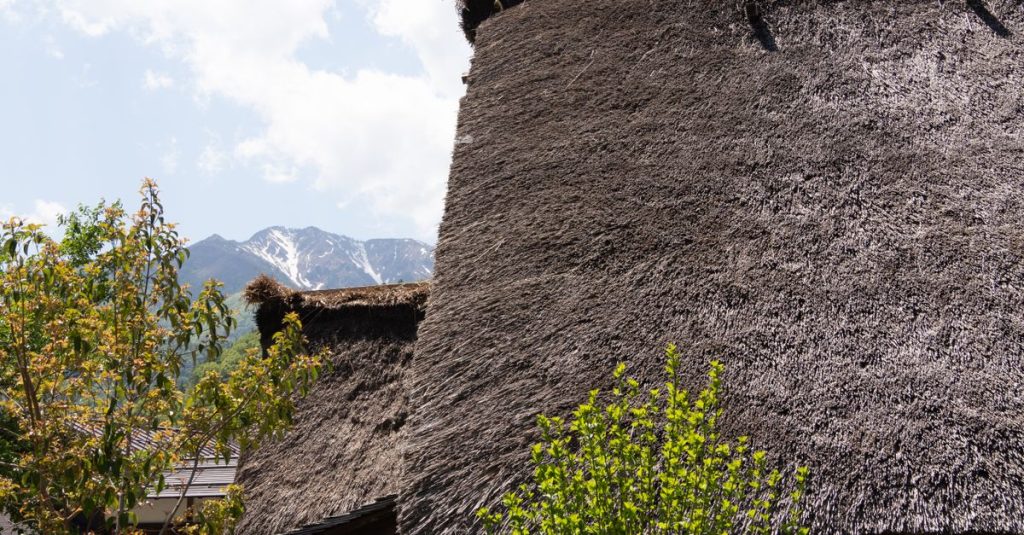
Shirakawa-go: Visit the Gasshō-Zukuri Village
Discover Shirakawa-go, a UNESCO-listed Japanese village with gasshō houses, Alpine scenery and practical advice for planning your visit.
In Nara, Tōdai-ji is best known for the Great Buddha Hall, home to the Daibutsu, a monumental statue at the heart of a vast religious complex. Visiting it offers a chance to discover a major site of Japanese Buddhism, while also understanding how a temple fits into a landscape shared with the paths and deer of Nara Park.
To make the most of the site, take time to observe the buildings as well as the statue and visitors’ behaviour. Tōdai-ji rewards a thoughtful cultural visit: the experience is not limited to taking a photograph in front of the Great Buddha, because the architecture, gates and temple surroundings also tell the story of Nara. As practical arrangements may change, check the opening hours and access arrangements with the official organisation before setting out.

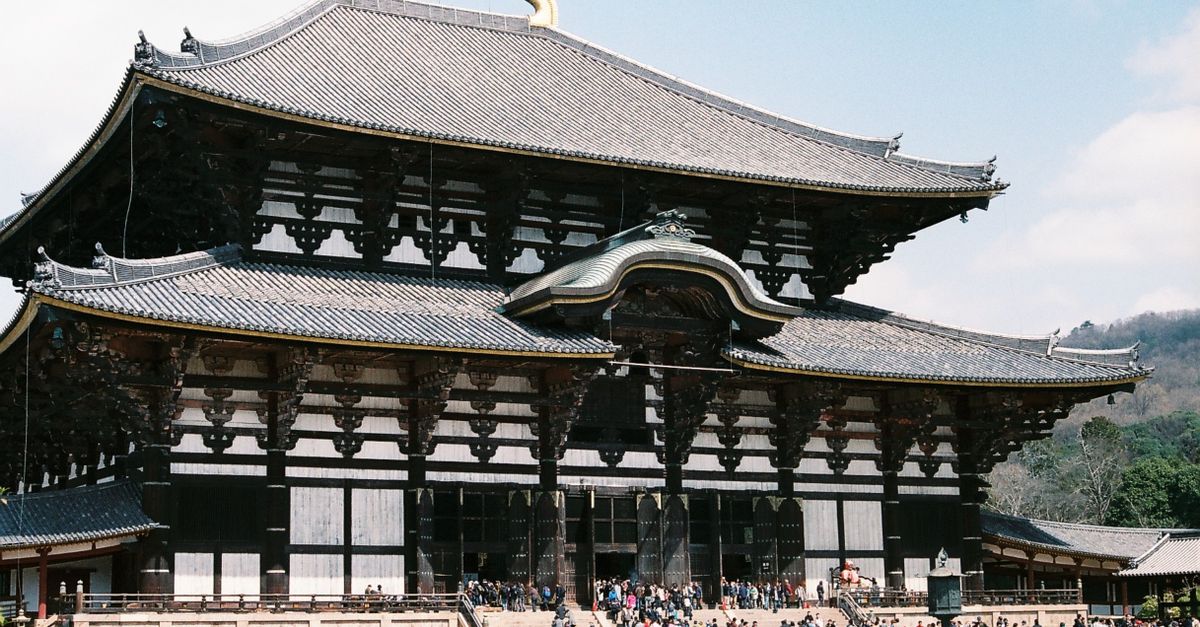
Tōdai-ji is a vast religious complex whose Great Buddha Hall is its most famous landmark. It houses the Daibutsu, a representation of Vairocana Buddha associated with light and awakening in Buddhist tradition. On entering, your eyes are naturally drawn to the statue, but it is also worth noticing the proportions of the building and the way the space directs attention towards it.
The name Great Buddha refers here both to a religious work and to a central symbol of Nara. The temple recalls the role Buddhism played in Japan’s history and in establishing the city as a political and spiritual centre. To place this context within a broader chronology, you can read this guide to the major periods of Japanese history. Nara’s wider role is also explored in this guide to Nara, Japan’s first capital.
The visit becomes more meaningful if you do not regard the Daibutsu as simply an attraction. Take time to observe the details visible from the areas open to visitors, the relationship between the statue and the hall, and the attitudes of people who have come to pray or reflect. The site welcomes both religious practices and visitors: discretion allows you to respect these uses while still making your own discovery.
Tōdai-ji is therefore both a remarkable monument and a living place. This dual nature gives your encounter with the Great Buddha its full meaning.
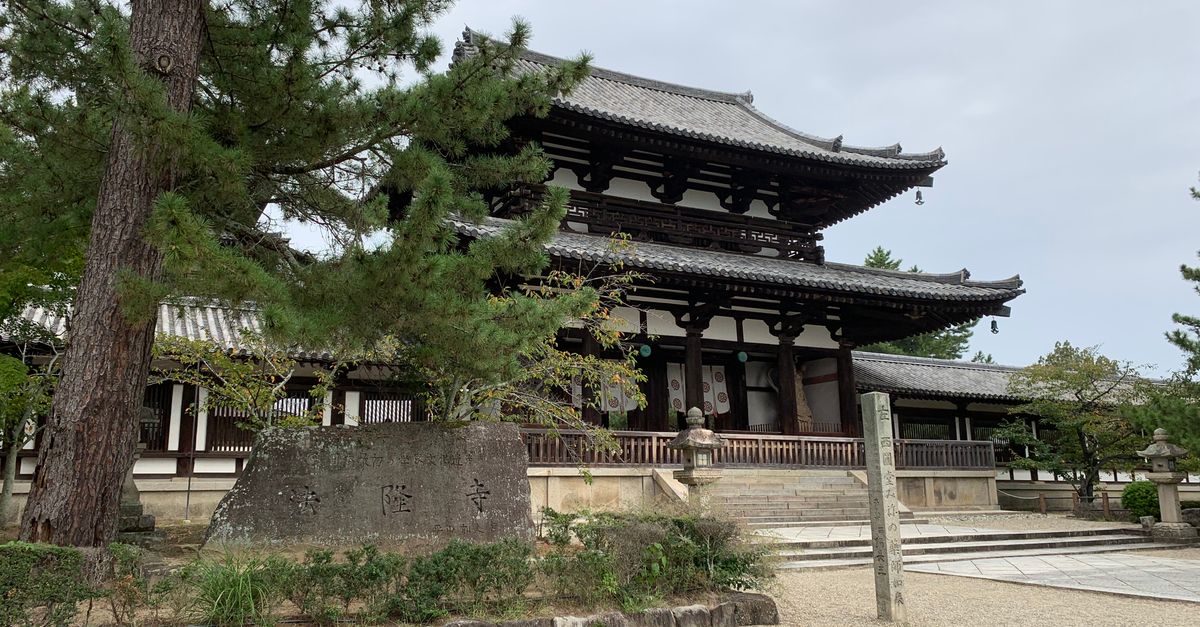
The Great Buddha Hall is at the heart of the experience, but observing it is not just about the statue’s size. The building shapes the route and creates an impression of volume that changes depending on where you stand. Moving forward without rushing makes it easier to appreciate the Daibutsu’s place within the space and the sculptures accompanying it.
Visitors can also pay attention to the architectural features and the way wood, light and openings structure the hall. You do not need to know the technical terms to appreciate these choices: simply notice how the construction frames the statue and how the perspectives change as you move around. This observation turns a quick visit into a genuine discovery of the site’s heritage.
As the temple is a place of worship, adopt a calm and respectful attitude. Avoid disturbing people who are praying, follow the posted instructions and check the rules concerning photography before taking pictures. As access and restrictions may vary, it is best to follow the information displayed on site rather than rely on outdated information.
After visiting the hall, also look at the surrounding complex and the monumental gates open to the public. They offer another perspective on the religious complex and show that Tōdai-ji is not limited to a single room. Paying attention to the thresholds and peripheral buildings usefully completes your encounter with the Daibutsu.
A presentation video can help you identify the main features before arriving, but it cannot replace seeing them in person: the hall’s dimensions and atmosphere take on a different significance on site.
Tip: set up a Japan eSIM before departure so your data works on arrival.
Tōdai-ji is visited in an environment where religious spaces meet the paths of Nara Park. This proximity gives the day a distinctive rhythm: you move from buildings and works of art to an open landscape frequented by Nara’s deer. The animals are part of the city’s familiar image, but their presence should not make you forget that they are wild animals. For more detail, see our guide to Nara’s deer and the rules to follow.
Keep your food put away and do not try to attract a deer by waving food around. If you choose to buy biscuits intended for the animals, follow the local instructions and give them the biscuits without prolonging the contact. Do not try to touch the animals or approach a fawn: a calm attitude and a reasonable distance are safer for everyone.
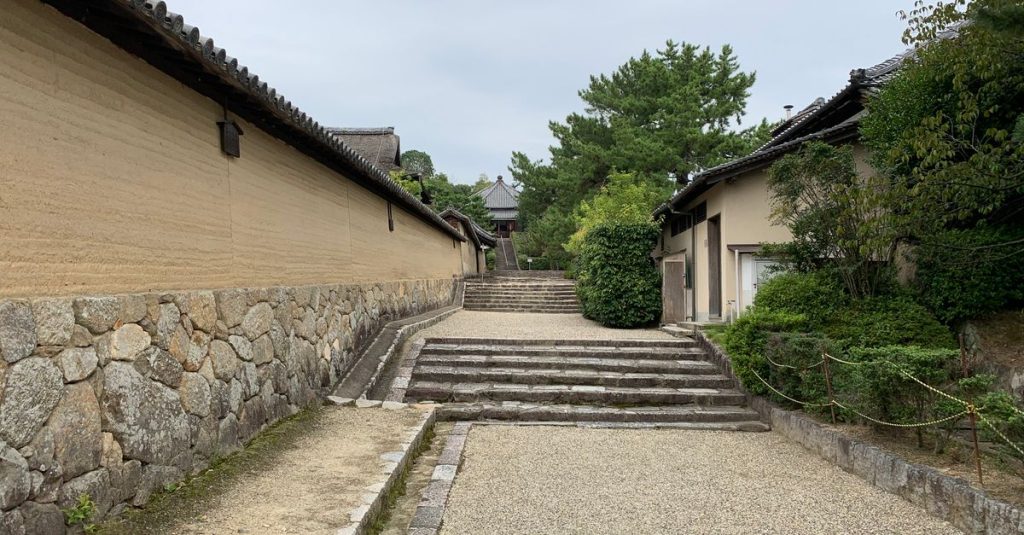
The park is not separate scenery detached from your temple visit. It helps you understand Tōdai-ji’s position within the city and provides transitions between the area’s different sites. The paths can be busy, particularly during peak periods; paying attention to other visitors and the animals makes the walk more enjoyable.
To plan an excursion from Kyoto, compare transport options and departure points using this guide to the train from Kyoto to Nara. Fares and timetables change, so check them with the official operators before travelling. The key is to allow enough flexibility to visit the temple without turning the walk through the park into a simple journey between two attractions.
In the park, the best memories often come from balancing observation with respect: admire the deer without treating them as photography props.
An effective visit starts by checking the practical information. Opening hours, entry conditions and some access arrangements may change; consult Tōdai-ji’s official information when planning your visit. Avoid relying on a fare or timetable found in an old document, especially if your journey depends on a connection.
Once there, choose an order of visit that gives you time to look around the Great Buddha Hall before exploring the other areas open to visitors. Also allow some leeway for getting around the park and taking breaks. The area is best discovered on foot, at a pace that lets you move from a monument to a shaded path without constantly watching the time.
Here are some useful steps for making the most of this discovery:
This preparation is not complicated, but it helps avoid the most common mistakes: arriving without checking access, underestimating distances or treating the temple as a backdrop. A successful cultural visit combines curiosity, respect for local customs and time for observation.
| What to discover | What deserves attention | Good practice |
|---|---|---|
| Great Buddha Hall | The Daibutsu and the layout of the space | Observe without disturbing religious practices |
| Tōdai-ji complex | The gates and accessible buildings | Follow the information provided on site |
| Nara Park | The paths and the presence of the deer | Keep a respectful distance from the animals |
| Journey from Kyoto | Stations and possible connections | Check timetables and fares with the operators |
The hall houses the Daibutsu, a representation of Vairocana Buddha. You can also observe the building’s architecture and the sculptures accompanying the statue, while respecting the instructions and religious practices.
The temple is part of the Nara Park area. Your visit can therefore combine the religious complex with a walk through the surrounding spaces, where Nara’s deer live.
Keep a reasonable distance, do not chase the animals and follow the local instructions if you give them biscuits intended for this purpose. The deer are wild animals, not pets.
Yes. Opening hours, access arrangements and any restrictions may change. Check Tōdai-ji’s official information before setting out.
To book tours and activities in Nara ahead, see the options on Klook.
Updated on 19/11/2026
Scroll to see more articles →