
Shirakawa-go: Visit the Gasshō-Zukuri Village
Discover Shirakawa-go, a UNESCO-listed Japanese village with gasshō houses, Alpine scenery and practical advice for planning your visit.
The night bus between Tokyo and Osaka lets you cover a long distance while you sleep and can reduce travel costs compared with the train. The best choice nevertheless depends on the price shown for your departure date, the location of the terminals and the level of comfort you are looking for: seats, available space and facilities vary by service.
Before booking, compare the final fare and timetables directly with operators or booking platforms, then check the latest conditions. Prices, available departures and facilities may change. To choose between the road and the train, also see this guide to the Tokyo–Osaka shinkansen journey.
In brief

The night bus connects two major stops on a trip to Japan without using part of the day for travel. It can be worthwhile for a budget trip to Japan, especially if you would rather spend your money on sightseeing, meals or accommodation. The actual saving nevertheless depends on the fare you obtain and on how well you sleep in the vehicle.
This means of transport also requires you to accept several constraints: remaining seated for much of the journey, arriving early in the morning and organising your belongings in advance. A poor night’s sleep can affect the following day. It is therefore useful to plan a light schedule after arrival rather than expecting to fill the morning with sightseeing immediately.
Departure and arrival do not necessarily take place at the main stations. Check the exact address of the terminals and how to reach your accommodation. In Tokyo, the area where you stay can affect the time and cost of reaching the departure point; this guide to the best areas to stay in Tokyo can help you assess these choices.
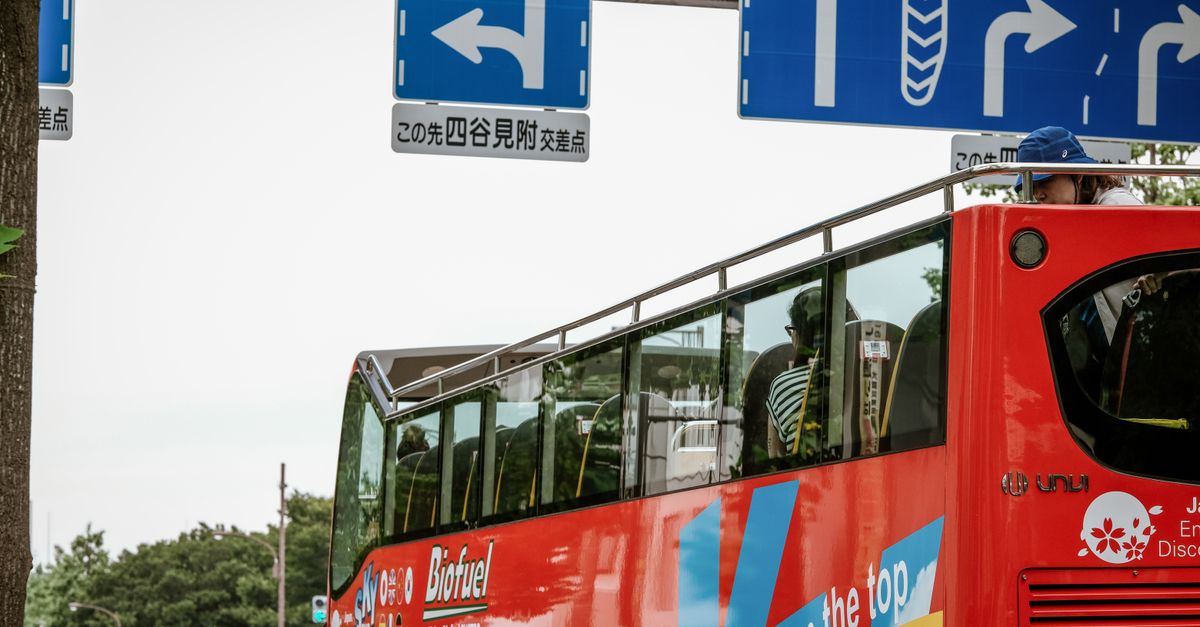
Not all bus companies offer the same experience, even when they serve the same route. A comparison of companies should cover the vehicle, seat layout, departure location and the conditions for changes or cancellations. A low fare is not enough to make an option the best choice if the terminal is far from your accommodation or the seat does not meet your needs.
Examine the detailed information for each departure: it generally specifies the type of service and the facilities advertised. Commercial names and seat categories may differ from one operator to another, so compare the actual features rather than the name given to a package. If a facility is essential, check that it is specifically listed for the departure you choose.
| Criterion | What to check | Why it matters |
|---|---|---|
| Ticket prices | Final fare, any additional fees and conditions for changes | The displayed price may not summarise all the purchase conditions. |
| Seats | Layout, recline and advertised space | These factors affect your ability to rest during the journey. |
| Terminals | Departure and arrival address, access and connections | A road journey may require additional travel within the city. |
| Luggage | Dimensions, number of bags and storage instructions | Rules may vary by service. |
Follow a simple rule: compare similar departures, on the same date and under equivalent conditions. This is the most reliable way to identify an offer that genuinely suits you.
Ticket prices vary according to the date, level of demand, seat category and sales conditions. As fares change frequently, check the amount and rules with the operator or booking service when you buy. It is better not to rely on an old price found in a guide or screenshot.
Online booking lets you compare several departures and read the information associated with the ticket. Before confirming, check the date, stated time, terminal, the passenger’s name as it must appear and the cancellation rules. Keep the confirmation accessible on your phone and make a note of the departure address, as a large city may have several boarding areas.
To create a realistic budget, do not compare the ticket alone. Add travel to the terminal and, if you arrive too early to access your accommodation, the expenses you expect after arrival. The bus may avoid a hotel night during the journey, but this saving is not automatic: it depends on your ability to rest and on how you organise the following day. For practical advice on getting around Japan, also consider the connections needed before and after the bus.
A cheaper ticket may be worthwhile if its times and conditions suit your itinerary. Conversely, paying more for a better-positioned departure or a more comfortable seat may be justified when recovering your energy is a priority.
To book tours and activities in Tokyo ahead, see the options on Klook.
To get online as soon as you land, a Japan eSIM can be installed before you leave, with no need to look for a local SIM card.
Onboard comfort depends first on the seat and the space available. Reclining seats can make resting easier, but reclining alone does not guarantee a restorative night’s sleep. The time spent sitting, proximity to other passengers and sensitivity to noise also play a role. Consult photos and the vehicle description when provided, without assuming that every bus operated by the same company has the same layout.
Onboard facilities may include different services depending on the journey; their presence should be confirmed in the information for the departure selected. Bring personal items useful for a night in transit, such as an eye mask, earplugs or an extra layer if you are sensitive to air conditioning. These accessories do not replace the bus’s facilities, but they can help you manage your individual preferences.
Travelling light also makes it easier to settle in quickly. Keep your night-time essentials within reach and store your other belongings according to the carrier’s instructions. For bulky luggage, check the applicable limits in advance: they should not be inferred from an experience on another route. Our guide to luggage in Japan can also help you plan what to carry.
Comfort is therefore a combination of the seat, personal preparation and journey length. A detailed check before buying helps you avoid choosing solely on the basis of a photo or commercial name.
The journey duration depends on the departure selected, the route and traffic conditions. Check the timetable provided for your ticket and allow extra time if you have a connection or a booking that same morning. As times may change, the operator’s information at the time of travel takes precedence over any general estimate.
On arrival, identify the terminal and how to reach your first activity or accommodation in advance. Osaka has several areas frequently visited by travellers, so the arrival point may influence your choice of route through the city. This guide to Osaka and its main landmarks can help you plan what comes next without confusing neighbourhoods or access points.
Allow time to transition from the journey to sightseeing. If you slept poorly, starting with a meal, leaving your luggage where possible and reducing the number of activities will make the day more comfortable. For an itinerary covering several cities, also see this three-week Japan itinerary to place journeys without overloading each stop.
The night bus is above all an organisational choice: it trades some rest and an early arrival for the possibility of travelling overnight. The right option is the one whose conditions fit the rest of your trip.
Not necessarily. Fares vary according to the date, service and booking conditions. Compare current prices and associated fees with those of the train before choosing.
Check the seat layout, recline, advertised space and facilities listed for the specific departure. Services may differ from one vehicle to another.
Availability and fares change. Check operators or booking services as soon as your dates are fixed, then verify the conditions before paying.
Check the terminal address and time, ticket information, luggage rules and the instructions provided by the operator for the departure selected.
Updated on 16/11/2026
Scroll to see more articles →