Odaiba Tokyo: Things to Do on the Artificial Island
Discover Odaiba, Tokyo’s artificial island: attractions, beaches, museums and bay views for a memorable waterfront escape in the capital.
Tokyo is the capital of Japan. It is home to the government, Parliament and the emperor’s main residence. Kyoto, the former imperial capital, lost this role when the court moved to the former city of Edo, renamed Tokyo at the beginning of the Meiji era. This change accompanied a major political transformation: the end of shogunal government and the construction of a centralised state centred on imperial power.
To understand the shift from Kyoto to Tokyo, you need to distinguish the sovereign’s residence from the place where political authority was actually exercised. During the Tokugawa shogunate, these functions were divided between the two cities. Palaces, castles and administrative districts still allow this history to be read in the urban landscape, without reducing Kyoto to a museum city or Tokyo to a metropolis focused solely on the future.
In brief
Tokyo performs the functions of a national capital: the state’s main institutions are gathered there. The Diet, the name of Japan’s Parliament, sits in Nagatachō, while neighbouring Kasumigaseki is home to numerous ministries.
The Imperial Palace occupies part of the site of the former Edo Castle. This geographical continuity makes the transition from shogunal government to the new imperial order visible, even though the buildings and their uses have changed.
The city’s status requires a legal nuance: the Japanese Constitution does not expressly designate the capital. This does not make its identity uncertain, since the lasting presence of the national institutions and the imperial residence clearly establishes its role.
It would therefore be misleading to say that the country has no capital. The distinctive feature lies in how this function was established, not in any current uncertainty between several cities.
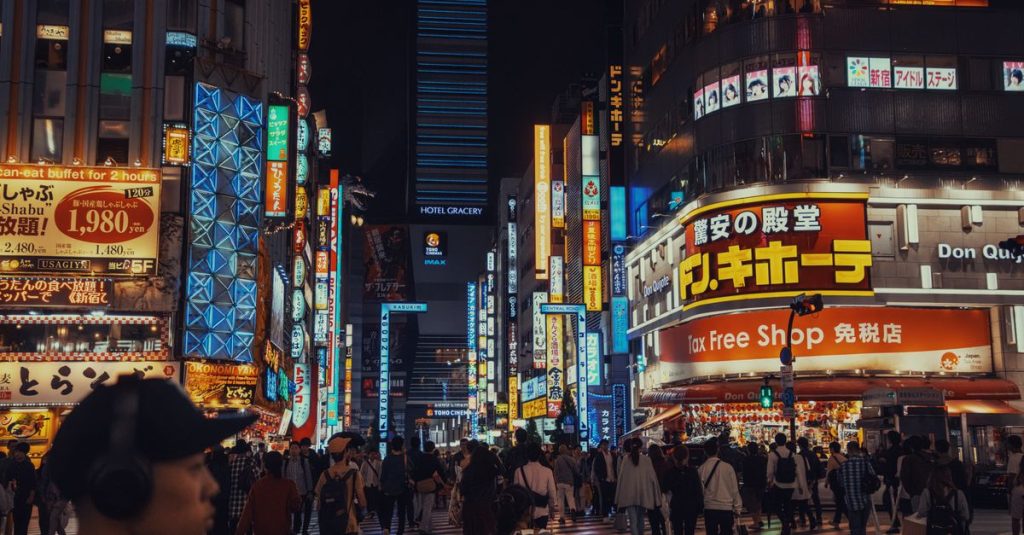
Why does Shinjuku sometimes appear in answers to this question? Because the district is home to the Tokyo Metropolitan Government, responsible for administering Tokyo’s territory, rather than the headquarters of all the national institutions.
The administrative geography explains this confusion: Tokyo refers to a metropolitan government comprising special wards, municipalities and island territories. Its urban area also extends into neighbouring prefectures, without the whole area forming a single municipality.
For travellers, these distinctions make it easier to organise visits. The guide to Shinjuku and its sights helps place centres of power among the commercial, cultural and residential hubs: the national capital and metropolitan administration are not the same thing.
Choosing Edo did not mean creating a political centre from nothing. Before the court moved there, this large city already housed the Tokugawa government, the residences of many lords and significant commercial activity.
The shogun directed military affairs and much of the government, while the emperor lived in Kyoto. Effective power and imperial prestige therefore had separate centres, a distinction that is essential to understanding the transition.
The Meiji Restoration ended the shogunate and reorganised authority around the sovereign. Establishing the court in the former Tokugawa centre allowed the new regime to rely on an already established base of power.
This decision also came amid internal conflicts, international opening and institutional change. Presenting it as a simple move intended to modernise the country would overlook the power struggles that accompanied it.
The change took place in stages, through the city’s new name, imperial journeys and the establishment of government bodies. The transition cannot be reduced to a single ceremony in which all functions moved at the same time.
The characters in Tokyo, 東京, combine east with capital. The name places the new imperial centre in relation to Kyoto, further west, whose own name refers to the idea of a capital city.
The change of name therefore carried a political message: the former shogunal city was now home to the court. The imperial government’s occupation of the castle gave this transformation a concrete expression in the city.
The moats and fortifications visible around the palace help convey this logic. The new regime reused an existing seat of authority, while the former imperial residence preserved another memory of power in Kyoto.
Kyoto hosted the imperial court for a long time, along with its residences, ceremonies and aristocratic surroundings. Originally known as Heian-kyō, it developed according to a regular plan inspired by continental urban models.
Its history is therefore part of the cultural and political exchanges of East Asia. The layout of its streets and the importance given to palace spaces reflected an orderly conception of government and society.
The emperor’s presence did not mean that he personally governed without sharing power. Depending on the period, authority was exercised or strongly influenced by aristocratic families, retired sovereigns and military governments.
The Imperial Palace and Nijō Castle illustrate this overlap. The former refers to the court; the latter recalls the Tokugawa presence in the imperial city and their relationship with it.
This distinction corrects a common misconception: the existence of a military government in Kamakura did not eliminate Kyoto’s imperial function. The seat of government and the seat of the court could remain separate.
The concentration of religious institutions, workshops and patrons contributed to the development of textiles, ceramics, tableware and ceremonial practices. These activities formed an economic network, not merely a setting associated with the sovereign.
However, the contrast between a modern Tokyo and a frozen Kyoto should be avoided. Kyoto also has universities, businesses and contemporary districts, while the current capital retains shrines, gardens and craft traditions.
Its cultural influence remains considerable, but it is no longer the seat of national power.
The history of Japan’s capitals did not begin with Kyoto. Changes in the court’s residence, the construction of new urban centres and the emergence of military governments produced a shifting political geography.
When comparing these places, the useful question is always the same: what function did the city perform? An imperial residence, a capital designed for the court and the seat of a shogunal government are not interchangeable categories.
| City or site | Historical function | Key distinction |
|---|---|---|
| Nara, formerly Heijō-kyō | Imperial capital | A major centre of the ancient state and Buddhism |
| Nagaoka-kyō | Imperial capital before Heian-kyō | A stage between Nara and Kyoto |
| Kyoto, formerly Heian-kyō | Long-term residence of the court | An imperial role maintained despite changes in government |
| Kamakura | Seat of a military government | Did not replace Kyoto as the imperial residence |
| Edo, now Tokyo | Shogunal centre, then current capital | Gradually brought together national institutions and the imperial residence |
In Nara, the remains of the Heijō Palace and the great Buddhist complexes shed light on the links between administration and religion. Nara’s history can be explored through more than just the areas visited by deer.
Nagaoka shows that the following move did not lead directly to Kyoto. This intermediate stage demonstrates that the court’s location resulted from political and practical choices that could be reconsidered.
Kamakura is a central example of a military government established far from the imperial palace. Its importance should therefore not lead it to be presented as Kyoto’s simple replacement in a uniform succession.
The area of present-day Osaka also has an imperial past around Naniwa, distinct from its later commercial development. To explore this legacy, the guide to Osaka complements a regional perspective in which centres of authority move and overlap.
Following the locations of power provides a practical theme for visiting both cities. It allows you to connect architecture with its function, rather than moving from one monument to another without understanding what distinguishes them.
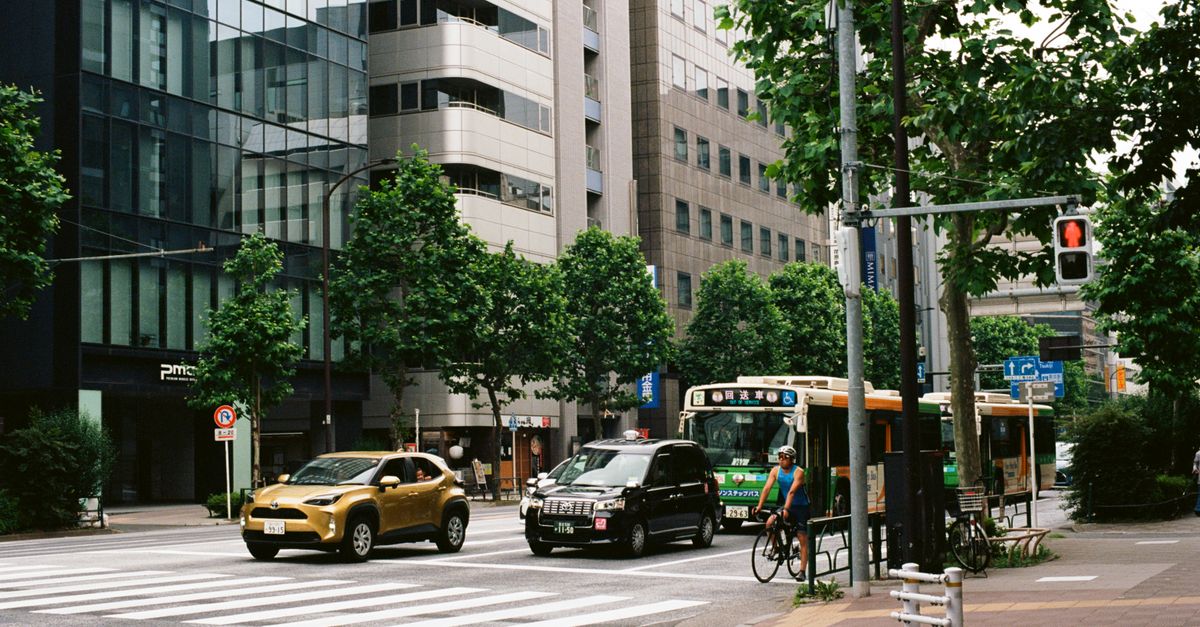
In Tokyo, the area around the Imperial Palace makes Edo’s legacy visible: moats, stone walls and defensive spaces recall the shogunal castle. Parliamentary buildings and ministry districts tell another story, that of the organisation of the modern state.
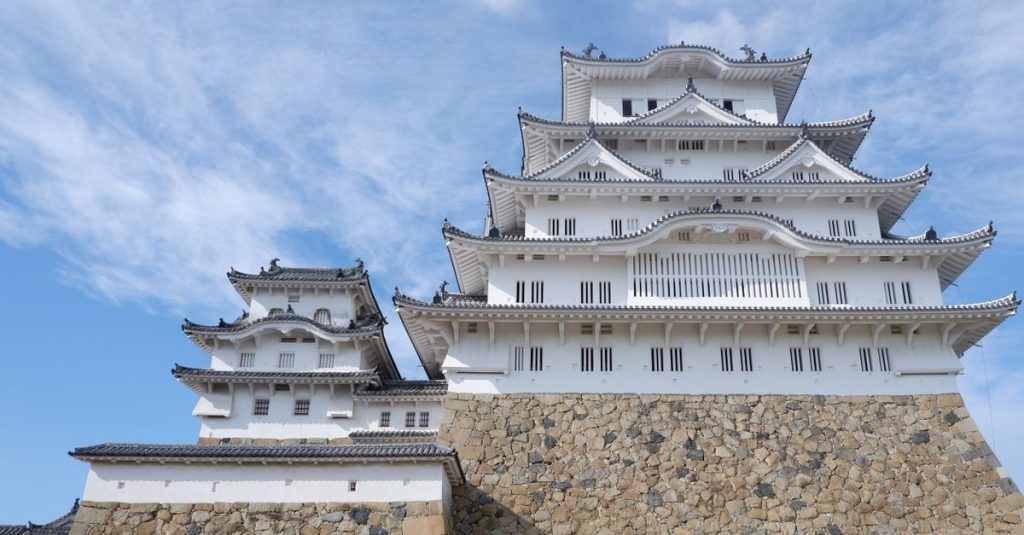
In Kyoto, the Imperial Palace provides an introduction to the court’s surroundings, while Nijō sheds light on the presence of military power. Comparing them helps explain why several forms of authority could coexist in the same city.
A shrine, a temple and a palace do not serve the same function. The first belongs to Shinto, the second to Buddhism, while the last is a residence of power, even though their histories may intersect.
Access arrangements for imperial grounds and public buildings may change. Check bookings, accessible areas and opening hours with the Imperial Household Agency or the relevant institution before your visit.
Tokyo is in the Kantō region, while Kyoto belongs to Kansai. This regional difference explains why it is useful to plan your journeys with a guide to Shinkansen travel, rather than treating the cities as neighbouring stops.
Your budget will then depend on your accommodation district, the time of year and the journeys you choose. The guide to the cost of living in Japan provides additional points of reference; transport fares should be checked directly with the operators.
Finally, combining imperial residences with ordinary neighbourhoods avoids an exclusively monumental view. The history of a capital can be read as much in its current functions as in the traces left by its former powers.
Tokyo is the capital of Japan. It is home to the main national institutions and the emperor’s principal residence.
During the Meiji Restoration, the court and the state’s central functions gradually moved to Edo, which was renamed Tokyo. Kyoto retained its imperial heritage, but no longer served as the seat of national power.
Nagaoka-kyō preceded Heian-kyō, which became Kyoto. Nara, then known as Heijō-kyō, had previously served as the imperial capital.
No. Shinjuku is a special ward of Tokyo and is home to the Tokyo Metropolitan Government headquarters. This territorial role is distinct from that of the national capital.
Updated on 12/10/2026
Scroll to see more articles →