Odaiba Tokyo: Things to Do on the Artificial Island
Discover Odaiba, Tokyo’s artificial island: attractions, beaches, museums and bay views for a memorable waterfront escape in the capital.
What can you do in Shinjuku? Visit Shinjuku Gyoen National Garden, discover the skyscrapers to the west, then head to Kabukichō and the small bars of Golden Gai after dark. Shinjuku in Tokyo lets you move from tree-lined paths to shopping streets and lively counters without leaving this part of the capital.
The station is the main landmark, but its exits lead to very different atmospheres. Office towers and large hotels dominate the west; shops, restaurants and nightlife venues occupy the east; and shopping complexes to the south provide convenient places to pause between visits.
To discover these contrasts without taking unnecessary detours, plan your walk around places that are open during the day, followed by the streets that come alive in the evening. The location of your accommodation also matters: staying near public transport does not necessarily mean staying among the neon lights.
In brief
Shinjuku Gyoen National Garden deserves a visit in its own right, rather than a quick stop between shops. Its Japanese-style compositions, landscaped views and open spaces allow you to vary your walk without leaving the park.
Around the ponds, take time to observe the trees, reflections and views towards the surrounding buildings. The contrast between vegetation and skyline explains much of the garden’s appeal: Tokyo remains visible, but its bustle feels far away.
Cherry trees attract visitors in spring, while the foliage gives the garden a different character in autumn. Blossoming and autumn colours depend on the weather; our guide to the best season to visit Japan can help you choose a period without promising a particular landscape.
Check opening hours, entry conditions and any reservation requirements with the garden’s official administration. Do not leave this visit until after your evening plans: it should structure the daytime part of your itinerary.
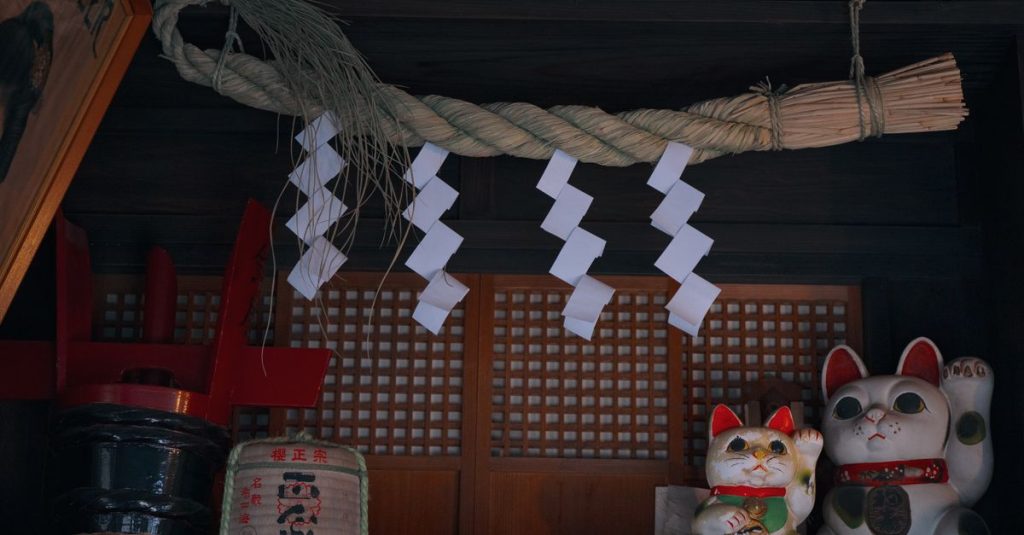
Near the shopping streets in the east, Hanazono-jinja offers a different kind of stop. This Shinto shrine remains a place of worship: keep access routes clear, respect people who are praying and follow the instructions concerning photography.
Its atmosphere changes when a celebration takes place in the grounds. The contrast with Kabukichō is therefore interesting, but calm cannot be guaranteed at all times.
To the west, Shinjuku Central Park naturally fits into a visit to the skyscrapers. It is better suited to a break between buildings than to discovering a landscaped garden: choose your green space according to the experience you are looking for.
The observation deck of the Tokyo Metropolitan Government Building helps you understand the scale of the capital. The view is particularly useful for reading the urban landscape: clusters of towers, residential neighbourhoods and transport routes take on a different dimension from above.
Visibility depends on atmospheric conditions; do not plan your visit around the promise of seeing Mount Fuji. Consult the Tokyo Metropolitan Government for current opening times, closures and access arrangements.
At street level, Mode Gakuen Cocoon Tower is recognisable by its silhouette wrapped in a lattice. The broad vistas of Nishi-Shinjuku appeal to architecture enthusiasts, with an atmosphere very different from the narrow lanes in the east.
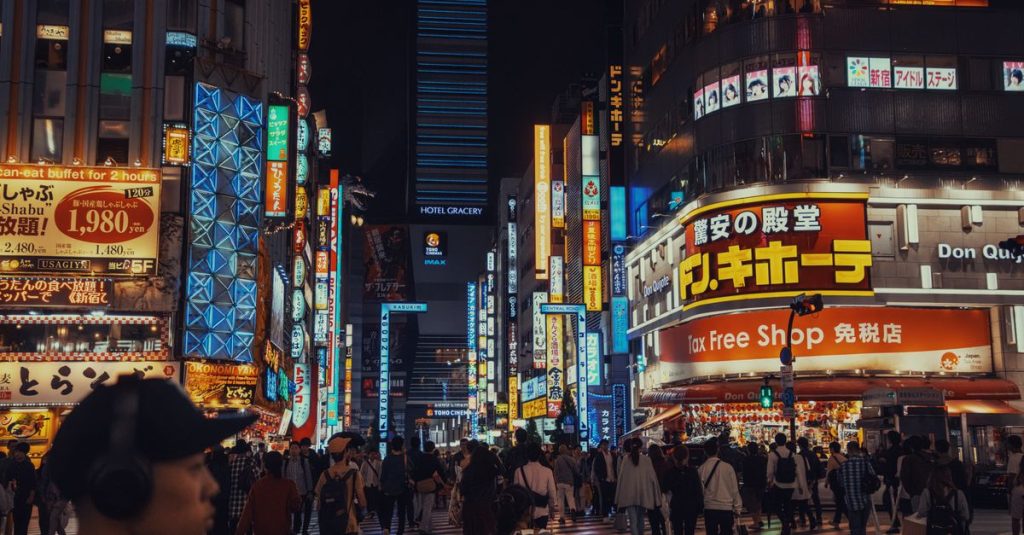
Looking for what to see in Shinjuku among its iconic sights? Godzilla’s head towers over the complex containing Hotel Gracery Shinjuku in Kabukichō; viewing it from the street does not require access to the terrace, whose conditions should be checked with the hotel.
Near the east exit, the Cross Shinjuku screen is known for its three-dimensional animated cat. The programme may change: treat this stop as a curiosity along your route rather than as an attraction with guaranteed timings.
For shopping, Isetan is suitable for fashion and food, while Takashimaya and NEWoMan combine well with a walk south of the station. Yodobashi Camera is more appealing to photography and electronics enthusiasts; check device compatibility and warranty conditions before buying.
The Yayoi Kusama Museum is elsewhere in the ward, away from the shopping centre. Plan it as a separate visit, checking the exhibition and reservation arrangements directly with the museum.
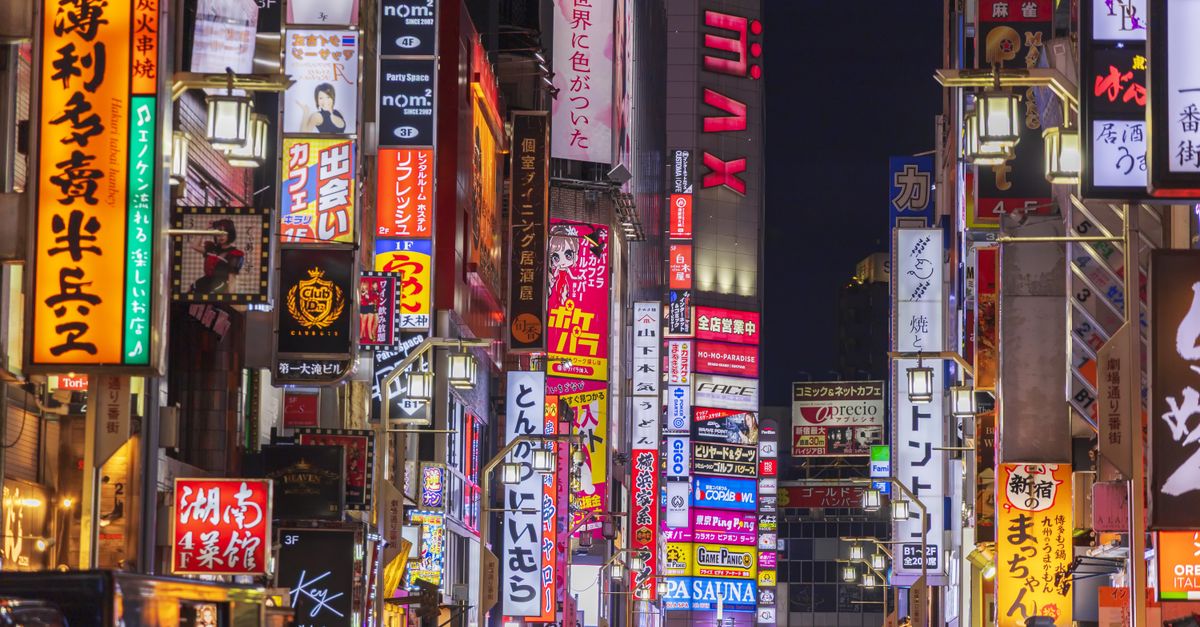
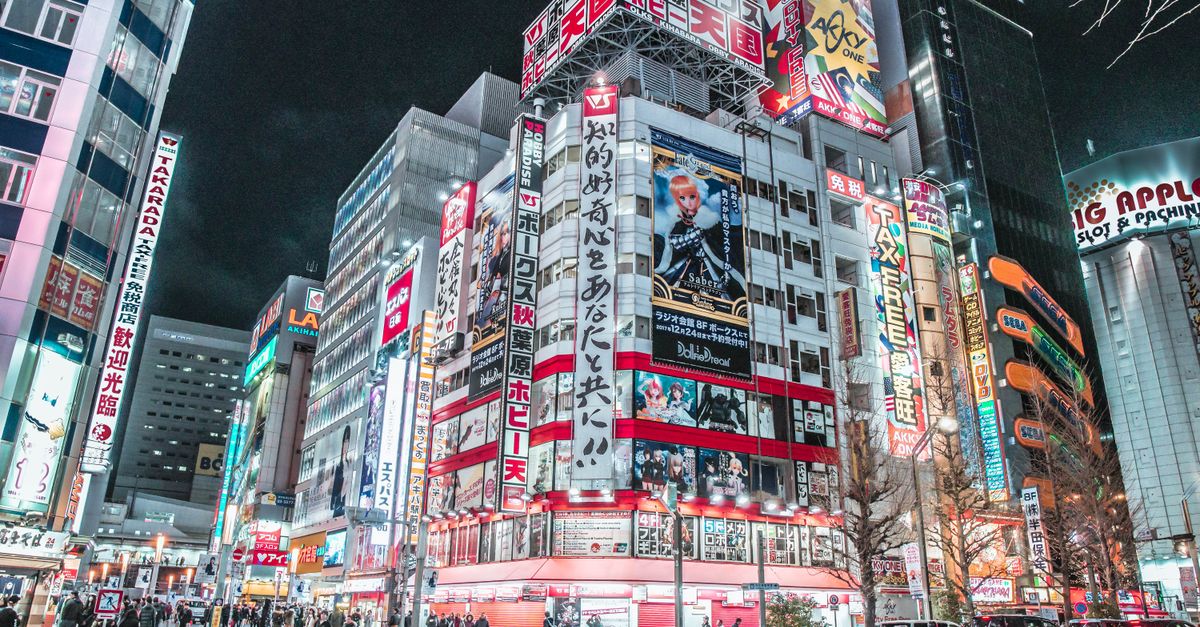
Kabukichō in Shinjuku brings together restaurants, karaoke venues, cinemas and nightlife establishments. For a first look, simply walking through the illuminated streets is enough to understand its appeal, without entering a club or taking part in an organised activity.
Adult entertainment venues do not define the whole area, but they do call for a few precautions. Do not follow touts, and check prices, supplements and consumption conditions before sitting down.
Golden Gai in Tokyo offers a more intimate experience: narrow lanes, small counters and venues with distinctive identities. People mainly come to have a drink and chat; it is not necessarily the best place to look for a full dinner. For a broader introduction, see our guide to izakaya, Japanese pubs.
Welcome, available seating and cover charges vary from bar to bar. Look at the information at the entrance, ask staff for confirmation and seek people’s permission before photographing them.
Where should you go out in Shinjuku if you prefer a different atmosphere? Shinjuku-nichōme is an important centre of Tokyo’s LGBTQ+ life, with intimate bars and livelier venues whose audiences and admission conditions vary.
For a quiet conversation, look instead for a cocktail or whisky bar in Shinjuku-sanchōme. The floor, soundproofing and layout of the venue matter more than its distance from the main streets.
Shinjuku nightlife can continue beyond the operating hours of some transport services. Check your last journey with the railway operator and keep useful emergency contacts in Japan accessible: a successful evening also includes planning your return in advance.
Omoide Yokocho, near the west side of the station, brings together small eateries where grilled food plays an important role. Lanterns, kitchens close to the seats and narrow passageways create a lively atmosphere, but it is not always comfortable for a long meal.
The establishments are cramped and the area is popular with tourists. If you are travelling with a pushchair, luggage or a group, a restaurant in Shinjuku-sanchōme will often be easier than a counter where every seat counts.
Before ordering, ask whether a charged appetiser or supplement applies. Keep a backup payment method: whether cards are accepted depends on the establishment.
Among the bars and restaurants in Shinjuku, it is better to start with what you feel like eating than with a general reputation. Katsukura, at Takashimaya, is an option for tonkatsu, while Nabezo is associated with meals featuring meat and vegetables cooked at the table.
Menus, set meals and commercial addresses may change: confirm them directly with the establishments. To distinguish shabu-shabu, sukiyaki and other specialities before booking, consult our guide to Japanese cuisine.
| What you feel like | Area to prioritise | Point to consider |
|---|---|---|
| Grilled food at a counter | Omoide Yokocho | Limited seating and variable comfort |
| Dinner with more choice | Shinjuku-sanchōme | Check the menu and reservations |
| Takeaway food | Department-store food halls | Seating is not guaranteed |
| A drink in a small bar | Golden Gai | Confirm the cover charge and welcome conditions |
Food halls in department-store basements, known as depachika, let you compare bento, pastries and Japanese preparations. If you have an allergy or follow a vegetarian diet, ask for the ingredients to be checked: a vegetable dish may contain fish stock.
Shinjuku is a convenient base for exploring Tokyo, especially if you want to eat late and have numerous connections available. Its main drawback is the size of the station: a hotel advertised as being close to the trains may still be far from the platform you need for your journey.
The west suits travellers attracted by large hotels and streets less focused on nightlife. The south provides easy access to shops, while Shinjuku-sanchōme lets you stay near restaurants without necessarily choosing Kabukichō.
Tokyu Stay Shinjuku and Odakyu Hotel Century Southern Tower are options to compare according to your needs. Check the facilities, booking conditions and exact location, then use our selection of hotels in Shinjuku to refine your choice.
Shinjuku Station is served by JR, Odakyu and Keiō services, as well as connections to the underground network. Shinjuku-sanchōme, Nishi-Shinjuku and Seibu-Shinjuku are separate stations: their similar names do not mean that they share the same entrances.
Identify the exit suited to your destination before setting off. To understand the networks and transport tickets, our guide to transport in Japan is a useful complement to an up-to-date route-planning app.
A coherent walk starts with the garden, continues towards the shops in the east and ends around Hanazono and the nightlife streets. If the view is your priority, group Central Park and the western towers together, then cross over to the restaurants: limiting backtracking makes the visit more enjoyable.
The atmospheres complement each other. Choose the daytime for gardens and architecture, then the evening for illuminated signs, restaurants and bars. Check visiting hours with the relevant managers.
Yes, particularly for green spaces, shops and restaurants. For accommodation, choose a street away from nightlife venues and check how much space is available in the room.
Conditions differ according to the establishment, its clientele and available seating. Read the information at the entrance and ask about the admission conditions and any cover charges before ordering.
Shinjuku refers to a ward and, in tourist usage, the area around its major station. Kabukichō is an entertainment district to the east of the station: it represents only part of Shinjuku.
Updated on 22/10/2026
Scroll to see more articles →