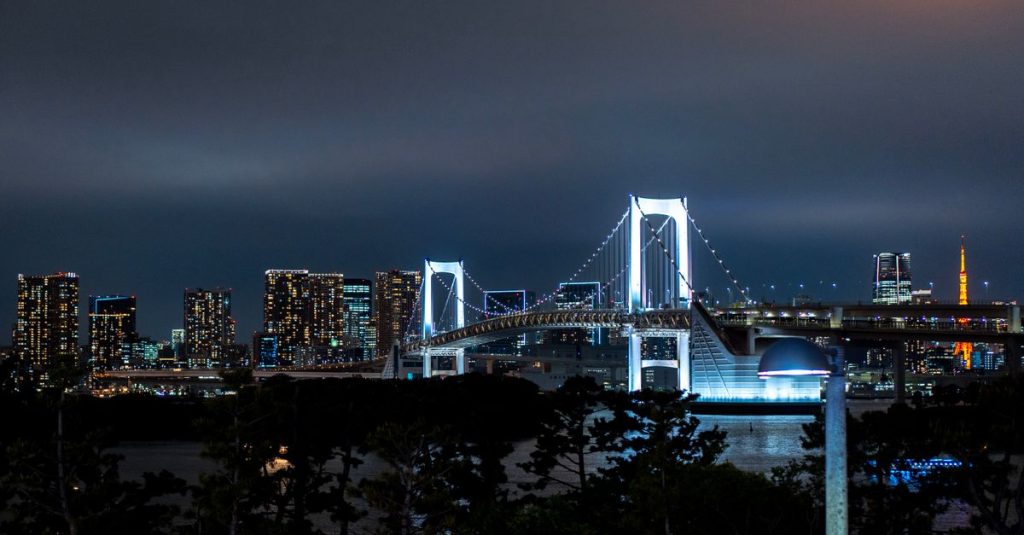
Odaiba Tokyo: Things to Do on the Artificial Island
Discover Odaiba, Tokyo’s artificial island: attractions, beaches, museums and bay views for a memorable waterfront escape in the capital.
For visiting Hokkaido, choose summer for hiking and flower-filled landscapes, autumn for foliage and onsen, or winter for skiing. The places to include depend on your plans: Sapporo and Otaru for an urban introduction, Hakodate for its port heritage, Furano and Biei for their countryside, and Daisetsuzan and Shiretoko for nature.
In the north of Japan, this volcanic island mainly requires you to choose a coherent area. Distances between towns, seasonal access to the mountains and driving conditions have a greater impact on your itinerary than on the main routes around Tokyo or Kyoto. A successful trip is therefore not about multiplying the number of stops, but about grouping visits according to the season and available transport. You can also check the time difference with France when planning your days.
In brief
The best season depends on the activity you are looking for. A period that is suitable for walks in town does not guarantee that mountain trails will be accessible, and a snowy landscape does not mean that every excursion will operate.
Summer is ideal for the hills of Biei, Furano’s flower crops and hikes in the national parks. The atmosphere is often less oppressive than in the central regions of the archipelago, although hot or rainy spells are still possible.
Flowering varies according to the plants, exposure and weather. For lavender, ask farms open to the public directly for information: this will help you choose places to visit rather than relying on a theoretical date.
Autumn is well suited to combining walking, colourful landscapes and hot baths. Foliage changes first at higher altitudes, where the cold and first snowfalls can also restrict excursions.
Niseko, Rusutsu and Furano are well-known skiing destinations. However, your choice should be based on the resort, slopes suited to your ability and available transfers, not just the reputation of the powder; our guide to skiing and snow in Japan can help you define these criteria.
Spring arrives later than in the Tokyo and Kyoto regions. Cherry blossom may brighten Hakodate while the mountains remain snow-covered, so this season is better suited to a flexible itinerary than to an ambitious crossing on foot.
| Season | What to prioritise | Point to watch |
|---|---|---|
| Spring | Towns, cherry blossom, hot springs | Thaw and persistent snow in the mountains |
| Summer | Flowers, countryside, hiking | Variable flowering and mountain weather |
| Autumn | Foliage, walking, hot springs | Cooling temperatures and seasonal closures |
| Winter | Skiing, snowy landscapes, hot baths | Slippery roads and disruption |
To combine this destination with other regions, compare conditions in our guide to the best time to visit Japan. Choose your main activity first, then the stops that fit it.
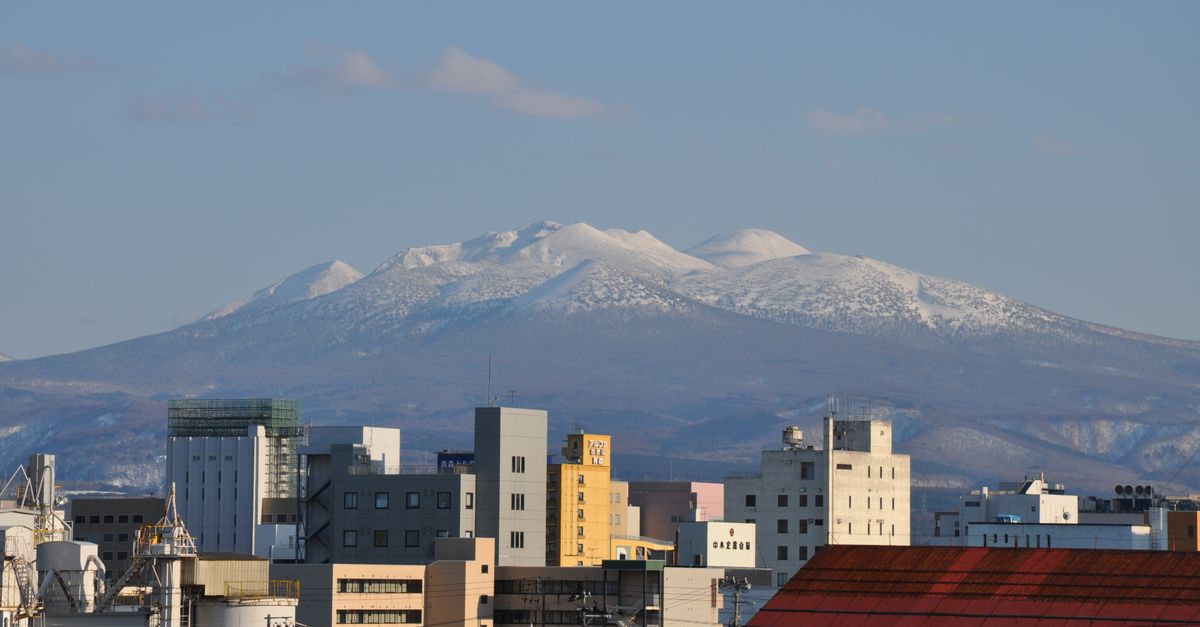
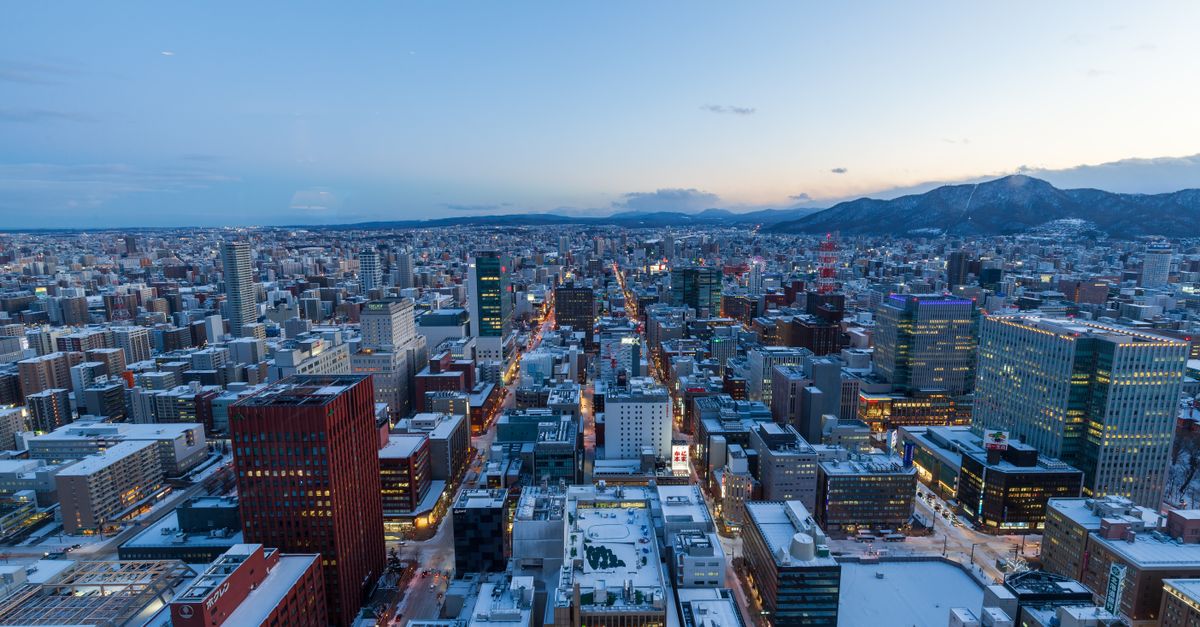
Sapporo is a convenient base for a first stay. Its regular layout makes it easy to navigate, while Odori Park provides a break between shopping districts and dining areas.
The city lets you alternate walks, markets and local specialities without constantly relying on a vehicle. Consult our Sapporo guide to organise visits by neighbourhood rather than repeatedly crossing the urban area.
Its snow festival requires specific planning. Check the dates, sites concerned and visiting conditions with the organising committee before booking: the programme changes with each edition.
Otaru extends this experience with a port atmosphere. The canal and former warehouses tell the story of its commercial past, while glassware and music-box shops provide additional places to visit.
A day trip works for the centre, but staying overnight allows you to enjoy the streets at different times of day. In snowy conditions, make sure you have suitable footwear: getting around on foot requires extra care.
Further south, Hakodate stands out for its Western architectural influences and districts facing the sea. Goryokaku Fort and the port area offer different perspectives on local history.
The view from Mount Hakodate depends greatly on visibility. Keep some flexibility for this outing and check operating conditions for your chosen means of access with the operator.
Our selection of things to do in Hakodate helps you combine a market, heritage walks and viewpoints. This stop makes sense on a southern route, less so on a loop focused on the east.
Furano and Biei are appealing for their agricultural landscapes, hills and flower fields. However, this is cultivated countryside: stay in permitted areas and do not enter fields to take photographs.
The viewpoints are spread out, making them less straightforward to access than tourist images might suggest. Group stops by area and check return options before setting out by public transport.
Daisetsuzan offers a more mountainous environment, shaped by volcanic terrain. Choose a hike according to the elevation gain, terrain and conditions on the day, rather than by the route’s length alone.
Fog, wind and residual snow can quickly change an outing. Park visitor centres are the people to consult for trail conditions and local restrictions.
In the east, Akan-Mashu brings together lakes and volcanic landscapes. Lake Mashu can be seen from observation points; reduced visibility may hide the panorama, so it is worth planning alternative visits in the area.
Shiretoko suits travellers wishing to spend time among forests, coastline and wildlife. Brown bears require particular caution: do not try to approach them, do not leave food accessible and follow the managers’ instructions.
Guided outings offer a better understanding of this environment, but do not guarantee animal sightings. At sea, departures remain subject to weather conditions and the operator’s decision.
Rishiri and Rebun also appeal to walkers, but ferry crossings add a constraint to the route. For this type of nature tourism, allowing some weather flexibility is more useful than filling your itinerary with back-to-back bookings.
A night near hot springs allows you to slow down between journeys. Noboribetsu combines hot-spring establishments with volcanic scenery, while Jozankei fits more easily into a stay centred on Sapporo.
Around geothermal areas, use authorised paths only. Gas emissions and ground activity explain restrictions that must be followed even when an area appears accessible.
In an onsen, wash before entering the bath and avoid putting your towel in the water. Access conditions concerning tattoos, children or private baths depend on the establishment: ask for confirmation before booking.
In Shiraoi, the Upopoy Ainu national museum and park introduces the history, languages and cultural practices of this Indigenous people. This visit provides essential insight into a region too often presented solely through its landscapes.
This is not a culture confined to the past. Prioritise the explanations offered on site and follow the guidance concerning photography, demonstrations and visitor areas.
Local restaurants notably highlight seafood, Sapporo miso ramen and jingisukan, a grilled lamb dish. Dairy products also feature prominently in desserts and ice cream.
Port markets offer the chance to discover fish and shellfish, but the selection varies according to arrivals. Do not build an entire stop around a specific product without checking its availability with the restaurant.
For allergies or a strict vegetarian diet, contact your accommodation in advance: broths, sauces and seasonings may contain less visible ingredients. Our guide to Japanese cuisine can help identify these points; an adapted meal should be arranged before arrival.
Choose one main area rather than touring the whole island. A southern route can combine Hakodate, a hot-spring stop, Shiraoi and Sapporo; a central stay will instead focus on the countryside around Furano and Biei and the nearby mountains.
In the east, build your stops around Akan-Mashu and Shiretoko, taking access and your arrival point into account. An internal flight may sometimes avoid a long overland journey, depending on the services available when you travel.
Plan a replacement option for outings exposed to the weather. A cultural visit or a day at a hot spring is easier to move than a succession of distant accommodation bookings.
Trains are suitable for journeys between the main towns they serve. In the countryside, buses may require careful planning; check timetables with the operators and consult our guide to transport in Japan.
A car makes some rural routes easier, but snow and ice change driving conditions. Without experience on these roads, prioritise public transport and organised transfers.
Do not assume that an international driving permit is enough to rent a vehicle: the documents required depend on the country that issued your licence. Check the requirements with the Japan Automobile Federation and the rental company, then consult the information on driving licences and car insurance in Japan.
For your budget, add accommodation, transport, meals and activities together before comparing offers. Check prices with operators, any taxes with local authorities and entry formalities with the Japanese authorities; a compact itinerary mainly reduces transfer costs and fatigue.
Summer is suitable for flower-filled countryside and hiking, autumn for foliage and hot baths, and winter for skiing. Spring is good for urban visits, but the mountains may remain snow-covered.
Yes, particularly around Sapporo, Otaru and Hakodate. For rural areas and parks, check buses, transfers and guided excursions before choosing your accommodation.
Furano and Biei are well-known destinations for their flower-filled landscapes. Timing varies according to the crops and weather: check with farms open to the public before your visit.
This is preferable at ski resorts, during events and for sought-after hot-spring establishments. Also check cancellation conditions if your route depends on sea crossings or weather-sensitive activities.
Updated on 08/10/2026
Scroll to see more articles →