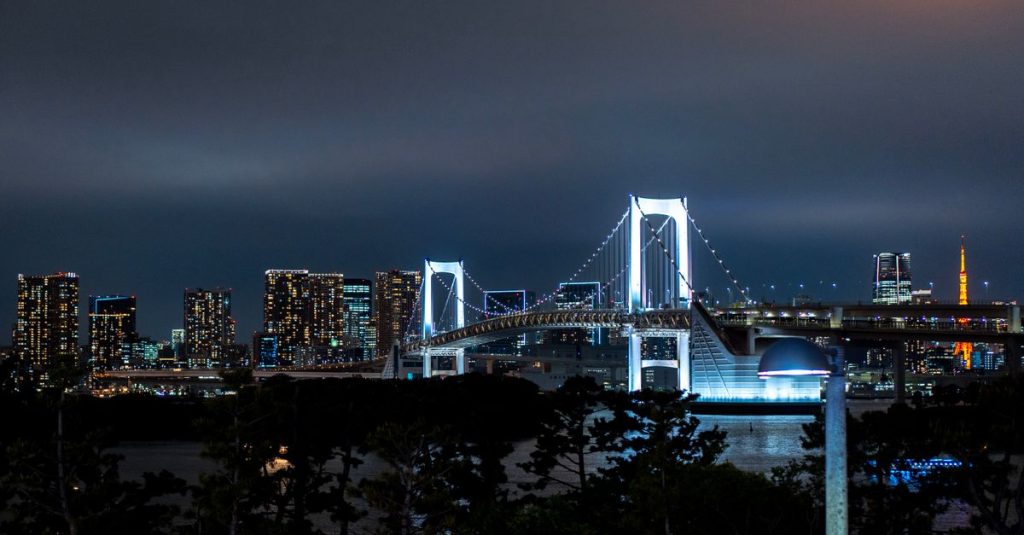
Odaiba Tokyo: Things to Do on the Artificial Island
Discover Odaiba, Tokyo’s artificial island: attractions, beaches, museums and bay views for a memorable waterfront escape in the capital.
Fushimi Inari is explored on foot, from the shrine buildings to the rows of vermilion torii gates climbing Mount Inari. You do not need to reach the summit to discover the site: the lower section already offers torii, fox statues and places of prayer. The climb continues the experience in a wooded setting, but requires more effort.
Located south of Kyoto, this Shinto shrine is dedicated to Inari, a deity associated with rice, abundance and prosperity. Its nickname, the “shrine of a thousand torii”, mainly refers to the spectacular succession of its gates rather than a literal count. Behind the famous photographs, the site remains a place of worship where visitors encounter worshippers who have come to pray.
To prepare for your visit, decide mainly how far you want to walk and how you will reach the area. Crowds, the weather and your comfort on stairs matter more than a precisely timed itinerary. Service hours, access conditions and any restrictions should be checked with the shrine administration before you travel.
In brief
Fushimi Inari Taisha is the principal shrine of the Inari faith. Its importance comes from this religious role, not only from its photogenic paths. Calling it the largest Shinto shrine in Japan would be misleading without specifying the criterion used.
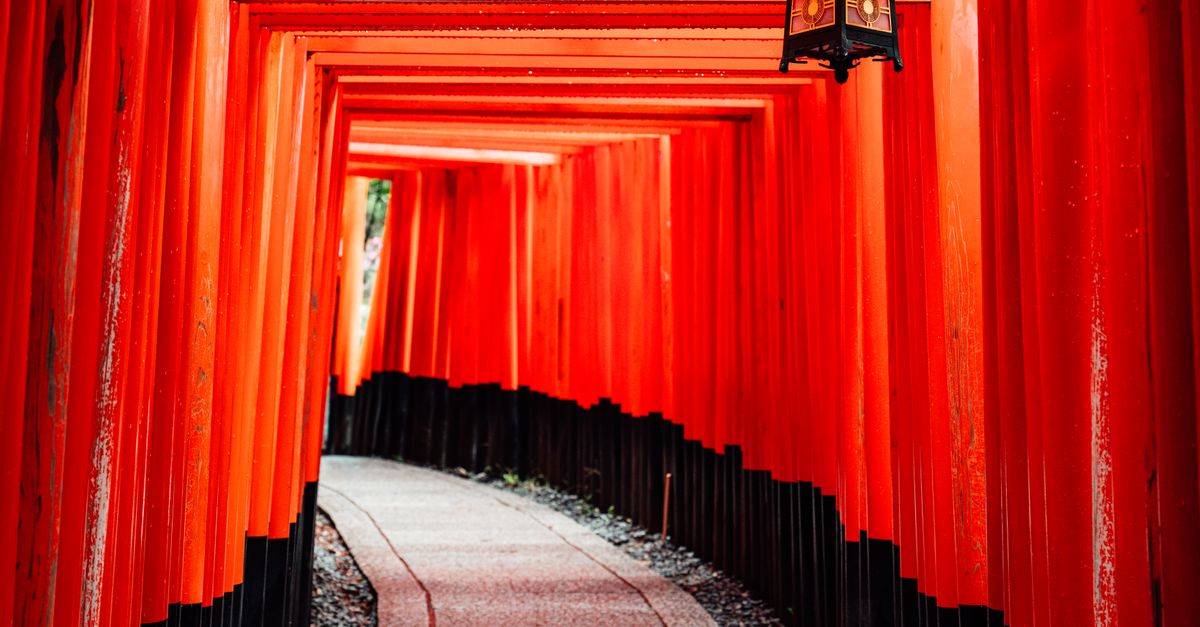
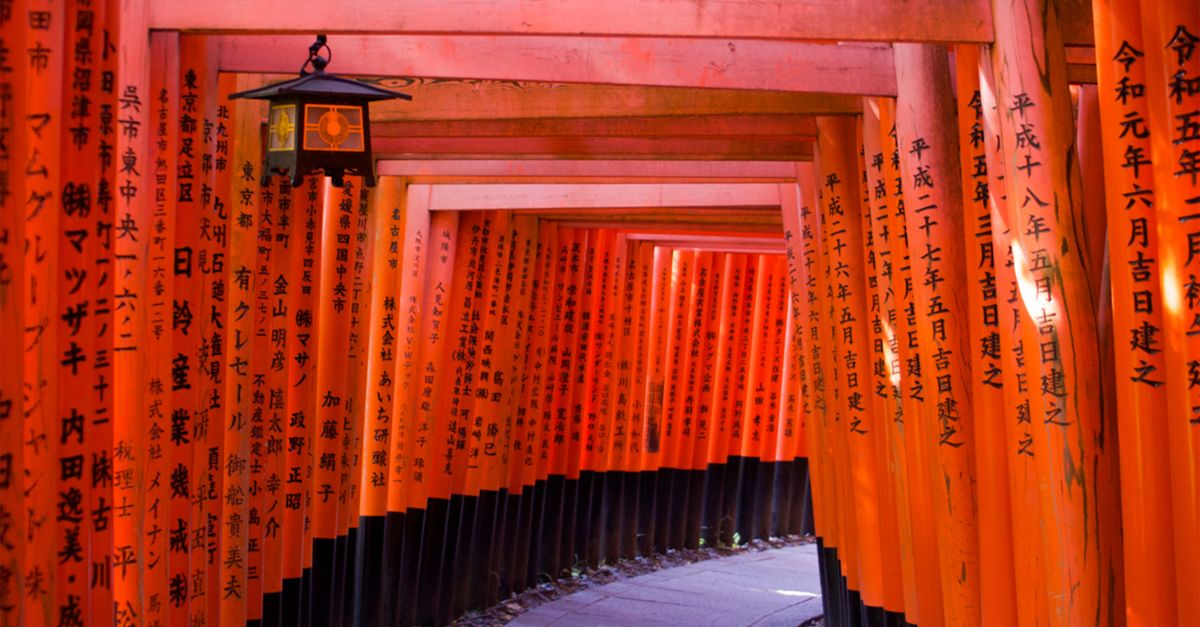
A torii marks the passage into a sacred space. Here, their succession transforms the path into an open gallery leading up the mountain: the gaps let in the light and reveal vegetation in places.
These gates are donated by individuals, families or companies, notably to accompany a wish or give thanks to the deity. The inscriptions visible on their pillars generally indicate the donors and the date of the offering, so they are not merely decoration.
This practice is explained by the areas associated with Inari. Rice and abundance occupy a central place in its worship, which is also linked to commercial prosperity. A path of red gates therefore tells of individual endeavours as much as a collective tradition.
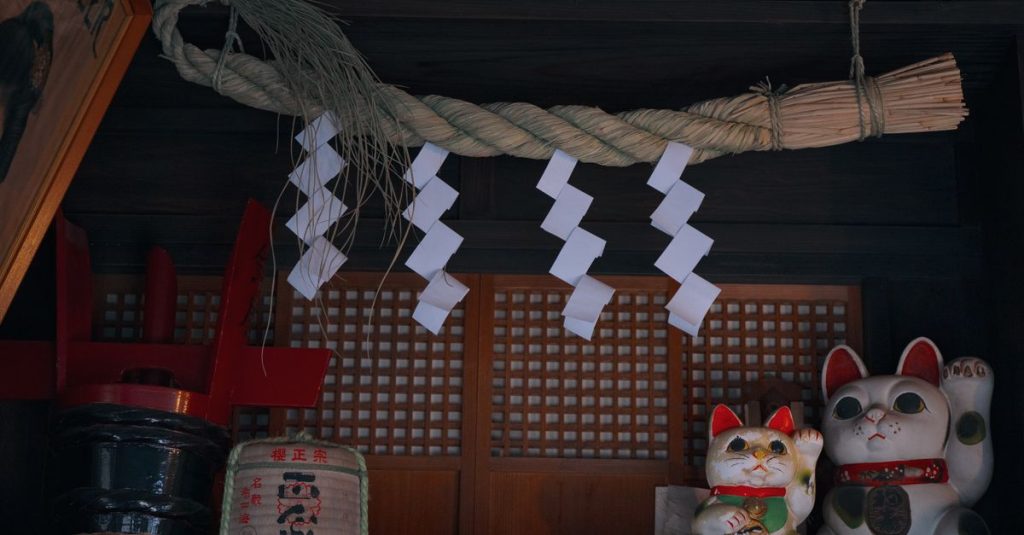
Kitsune foxes are Inari’s messengers, not the deity itself. Statues mark the devotional spaces: observe their postures and the objects they carry, without touching the sculptures or moving the offerings.
It is also preferable to describe Inari as a kami rather than reducing this figure to the term “goddess”. Its representations are diverse, and this distinction helps explain a religious tradition that does not correspond exactly to Western categories.
To place these symbols within Japanese spirituality, remember the distinction between a Shinto shrine and a Buddhist temple. At Fushimi Inari, the torii, offerings and places of prayer form a living religious setting: the landscape is easier to understand when you also observe the gestures that bring it to life.
Start with the buildings at the foot of the mountain before entering the torii tunnels. This progression helps you understand how the site is organised and decide whether you want to continue. Going straight to the expected photograph means missing an important part of the visit.
The Rōmon Gate is an architectural landmark on arrival. Take time to observe its structure and the nearby prayer areas, while keeping access routes used by worshippers clear.
The path then leads towards the Senbon Torii, the famous passages of closely spaced gates. Their density creates the particularly striking tunnel effect, but also concentrates photography stops. Move with the flow of visitors and wait for a clear space before stopping.
Beyond the busiest passages, the route becomes more of a mountain walk. Stairs, small shrines and altars follow one another in the woods; some openings offer views over Kyoto.
The Yotsutsuji intersection is a useful point at which to decide whether to continue or turn back. The summit is not a large, unobstructed viewpoint: continue for the religious and forested journey rather than expecting a constant panorama.
| Route | Main interest | Point to bear in mind |
|---|---|---|
| Buildings at the foot of the mountain | Architecture and religious practices | Crowds and keeping access clear |
| Senbon Torii paths | Iconic passages beneath the gates | Movement and photography stops |
| Climb towards Yotsutsuji | Wooded atmosphere and views over the city | Stairs and tiredness |
| Upper route | Scattered shrines in the mountains | Remember the effort needed for the descent |
The hiking trails should not be approached as a simple urban stroll. Bring water, keep your hands free on the stairs and read the signs at intersections rather than automatically following other walkers.
With a pushchair or reduced mobility, do not assume that the entire route is accessible. Ask the shrine about the precise options and consult advice on accessibility in Japan. Turning back is a route choice, not a failed visit.
From Kyoto Station, the JR Nara Line serves Inari Station, located close to the main entrance. However, check that the train you choose stops there: not every service on the same line necessarily serves every station.
Check times and stops with JR West before travelling. This avoids relying on a theoretical journey time that takes account of neither waiting nor the service used.
Keihan’s Fushimi-Inari Station offers another access option. It may be more convenient depending on where you are staying or what follows in your itinerary, particularly if you are travelling along this company’s route.
Do not confuse JR Inari and Keihan Fushimi-Inari: their names are similar, but they belong to different networks. Compare the complete route from your starting point rather than just the station’s proximity to the shrine.
Our guide to transport in Japan helps you understand connections and the different operators without taking unnecessary detours.
From Osaka, the Shinkansen is not essential. Conventional rail networks may make more sense depending on your departure area; check the options with JR West or Keihan.
From Tokyo, you can arrive in Kyoto and then change trains for Inari. However, avoid planning a long climb immediately after an intercity journey if you are travelling with luggage or have little spare time.
The Japan Rail Pass does not cover all Japanese transport. Its conditions depend in particular on the operator and service used; check current coverage with the JR group and do not assume that a Keihan journey is included.
The best access route is the one that limits connections from your actual address, not necessarily the one that goes through the central station.
Early morning is generally preferable if you are looking for a less crowded atmosphere. This is not a guarantee, however: weekends, festivals and tourist periods can significantly change visitor numbers.
The first sections particularly attract photographers. Further up, visitor movement may ease, but the mountain remains popular; do not begin the climb solely on the promise of finding empty paths.
In hot and humid weather, the shade of the trees does not remove the effort. Bring water and adapt the route to your physical condition rather than relying entirely on the shops along the way being open.
After rain, the steps and stone surfaces can become slippery. Footwear that holds your feet securely is more useful than an outfit chosen for photographs, especially on the descent.
In the colder season, check the local weather and information on site. Our guide to Japan’s best travel seasons helps put general conditions into context, but does not replace a recent forecast.
Avoid monopolising a path, blocking stairs or asking passers-by to disappear from your frame. Photograph buildings from authorised areas and follow the signs, particularly near places of worship.
A visit after dark changes the atmosphere, but also the walking conditions. Do not assume that lighting is continuous or that staff are present throughout the route; check access conditions with the shrine and adapt your equipment.
For a family trip to Japan, leave time for breaks and the return journey. The right time is also the time when everyone still has enough energy to descend safely.
Pair the shrine with an activity that matches the effort already made. After a long climb, a meal and a short walk are often more enjoyable than another demanding route.
Gion allows you to continue discovering Japanese culture in an urban setting. The district is not immediately next door, however: allow time for the journey and check Keihan services if you choose this network.
Respect private entrances, signs and local photography rules. Geiko and maiko are working: do not follow them or block their way to obtain a photograph. Our guide to geishas and maiko explains more about their role.
To vary your visits, choose a Buddhist site among the temples to discover in Kyoto. This alternation lets you observe differences in architecture and practices rather than moving from one monument to another without distinguishing them.
Arashiyama lies west of the city and requires a cross-city journey. It is best given a separate time slot if you want to explore Mount Inari’s paths without rushing.
The shops near the entrances can be suitable for a break. Among the specialities associated with Inari, inari-zushi is a seasoned fried-tofu pocket filled with vinegared rice; check the ingredients if you follow a particular diet.
Staying nearby makes an early arrival easier, but is not automatically the best choice for an entire stay. Compare access to other districts, dining options and the conditions of your accommodation.
Check prices, availability and arrival arrangements directly with the establishments. To organise the next stages, a Kyoto guide helps group visits by area: geographical consistency prevents the day from becoming a succession of journeys.
No. The main buildings and the iconic Senbon Torii passages already provide an interesting visit. The climb is mainly suitable for visitors who want to extend their walk through the forest and discover the places of worship scattered across the mountain.
JR Inari is convenient from Kyoto Station, provided you take a service that stops there. Keihan Fushimi-Inari may be more suitable from other districts. Check routes and times with the operators.
The stairs greatly limit progress towards the upper paths. Ask the shrine about suitable access and choose a route compatible with your equipment.
Foxes are considered Inari’s messengers. The kami is associated in particular with rice, abundance and prosperity, which helps explain offerings from both individuals and companies.
Updated on 19/10/2026
Scroll to see more articles →