Odaiba Tokyo: Things to Do on the Artificial Island
Discover Odaiba, Tokyo’s artificial island: attractions, beaches, museums and bay views for a memorable waterfront escape in the capital.
The best time to visit Tokyo is in spring, especially April and May, followed by autumn, in October and November. These periods make it easier to walk around without having to cope with the humid summer heat. April attracts visitors for the cherry blossom, whose flowering varies according to the conditions each year; November offers a good balance between cool temperatures, moderate rainfall and colourful foliage. October remains pleasant in terms of temperature, but its average rainfall makes it sensible to keep your itinerary flexible.
Tokyo’s weather changes considerably from one season to the next: winter mornings are cold, while summer nights remain warm. When choosing your dates, distinguish between climate averages, which are useful for preparing your trip, and forecasts, which are essential for organising your activities. The Japan Meteorological Agency’s normals presented here cover the period 1991–2020: they provide reference points, not the exact weather for your trip. Your comfort also depends on your planned pace: gardens, long urban walks and museum visits do not require the same conditions. You can also check the time difference between Japan and France when planning your days.
In brief
Spring is particularly suitable for days spent outdoors. March remains cool, especially in the morning and after sunset; April brings milder weather, while May generally allows you to extend your walks without facing the muggy summer heat.
Cherry trees are a major attraction, particularly around Chidorigafuchi and in Ueno Park. However, their flowering is not guaranteed on a fixed date: an early spell of mild weather, a cold snap, wind and rain can change the timing or shorten the display.
So book a spring trip for all the possibilities it offers, not just for the flowers. Golden Week also brings strong tourist demand: check the official public holiday calendar and availability before finalising your travel plans.
November is a reliable choice if your priority is comfortable sightseeing. According to JMA normals, it is less rainy than October, but it is not the driest month of the year: the winter months have lower rainfall totals.
Maples and ginkgo trees create different atmospheres depending on the gardens and how far the season has progressed. Their colours vary with the weather; check park information before setting out specifically to see the foliage.
For a wider itinerary, also compare the destinations in our guide to the best season for travelling around Japan. A pleasant period in the capital does not necessarily mean the same conditions elsewhere: choose your dates according to your entire route.
This table shows the 1991–2020 normals from the Japan Meteorological Agency for the Tokyo station. Temperatures are the average minimum and maximum temperatures, rounded to the nearest degree; rainfall is the average monthly total, rounded to the nearest millimetre.
| Month | Average minimum | Average maximum | Rainfall |
|---|---|---|---|
| January | 1 °C | 10 °C | 60 mm |
| February | 2 °C | 11 °C | 57 mm |
| March | 5 °C | 14 °C | 116 mm |
| April | 10 °C | 19 °C | 134 mm |
| May | 15 °C | 24 °C | 140 mm |
| June | 19 °C | 26 °C | 168 mm |
| July | 22 °C | 30 °C | 156 mm |
| August | 24 °C | 31 °C | 155 mm |
| September | 20 °C | 28 °C | 225 mm |
| October | 15 °C | 22 °C | 235 mm |
| November | 9 °C | 17 °C | 96 mm |
| December | 4 °C | 12 °C | 58 mm |
January and February require winter clothing despite occasionally bright afternoons. March marks a transition, without removing the cold mornings; April and May offer more flexibility for alternating between parks, temples and shopping districts.
In June, temperatures in Tokyo rise and the atmosphere becomes more humid. The total rainfall does not tell the whole story: persistent cloudy skies and intermittent showers can affect walks more than a short but intense spell of rain.
July and August are mainly about managing the heat, including in the evening. September remains summery and very wet; October is cooler, but has the highest monthly rainfall total in the table.
November and then December gradually become cooler and less rainy. An average is neither a limit nor a forecast: a day may be considerably warmer, colder or wetter than these reference figures.
Tokyo’s rainy season, known as tsuyu, generally covers June and part of July. Its beginning and end vary each year: check announcements from the JMA for the current situation.
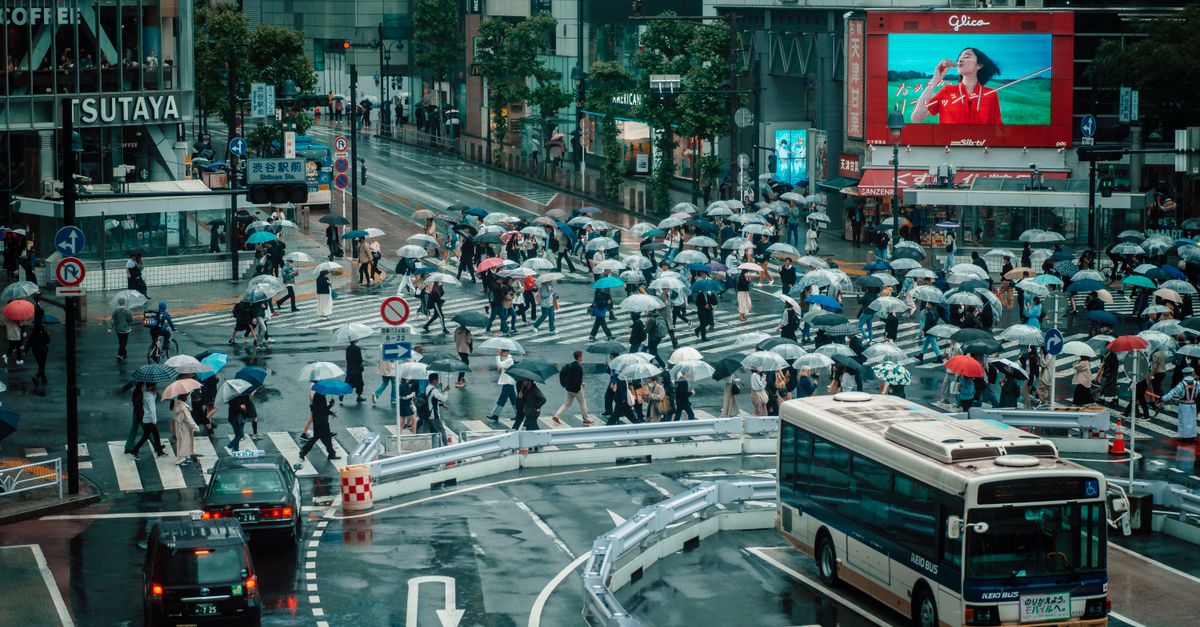
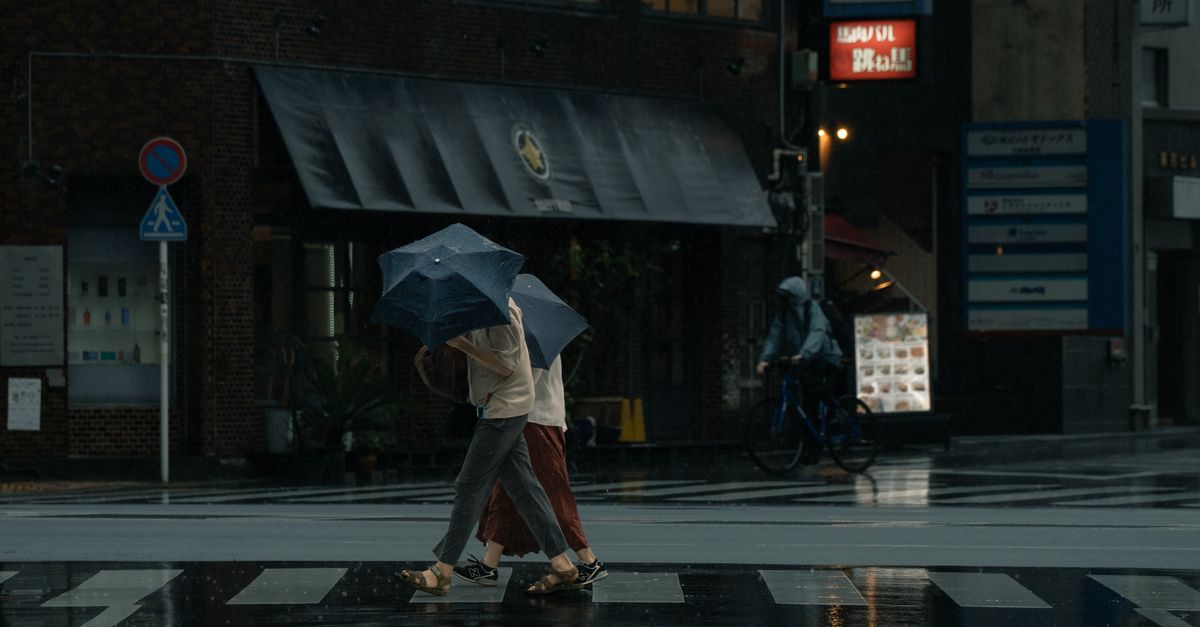
It does not necessarily rain all day. The main challenge is often the alternation between persistent humidity, grey skies and showers: a garden may remain accessible during a break in the rain, while a long walk without shelter becomes less enjoyable.
Take shoes that dry easily and a compact umbrella. A waterproof jacket that is not very breathable can increase discomfort; choose protection suited to the heat rather than heavy equipment.
Typhoons in Japan can disrupt Tokyo and access to the city, particularly at the end of summer and the beginning of autumn. The capital is not protected from a direct hit or significant effects at a distance: heavy rain, wind and transport difficulties depend on each situation.
A cyclone does not always lead to the same closures, or to an immediate return to normal. In the event of an alert, check the JMA, local instructions, your airline and railway operators; avoid riversides and exposed areas.
Before an intercity journey, check traffic conditions and possible changes with the operator. Our guide to booking Shinkansen tickets helps you prepare this part of your trip.
Forecasts become less precise as the date gets further away, particularly when a cyclone’s path changes. Prepare your trip with the climate in mind, but make daily decisions using up-to-date forecasts and alerts.
Summer in Tokyo is demanding because humidity slows the evaporation of sweat. A walk involving stairs, queues and stretches without shade can become tiring even when the distance seems reasonable.
Plan outdoor visits for the cooler parts of the day and take breaks in air-conditioned places. Drink regularly, protect yourself from the sun and slow down at the first signs of discomfort; vulnerable people require particular vigilance.
Choose light, loose and breathable clothing. Linen, lightweight cotton or certain technical fabrics may be suitable depending on their design: comfort depends on the fabric and cut, not just its composition.
Winter in Tokyo is generally less humid than the warmer seasons, but wind can make some outings feel considerably colder. A coat, scarf and gloves are useful, particularly for extended walks and waiting outdoors.
Snow remains possible: choose your footwear according to the forecast rather than assuming it will always stay dry. For accommodation, check the heating facilities and recent reviews, as thermal comfort varies between buildings.
In spring and autumn, combine a light layer, a jumper and an adaptable jacket. This allows you to manage the differences between a cool morning, walking in the sunshine and an evening outdoors.
In every season in Tokyo, already-worn-in shoes are preferable to a new pair. Pack for your actual activities, then adjust your luggage using the forecast shortly before departure.
The Tokyo National Museum in Ueno is one option for spending a wet day exploring Japanese collections. Check opening times, closing days and booking requirements directly with the institution, as they may change.
Department stores make it possible to combine shopping with food discovery. Depachika, their floors or basement levels devoted to food, offer pastries, prepared dishes and specialities; be aware that seating areas are not always available.
Our guide to Ginza and its department stores helps you group visits together. Underground passages around the major stations also offer sheltered routes, although they do not guarantee a completely covered journey to every destination.
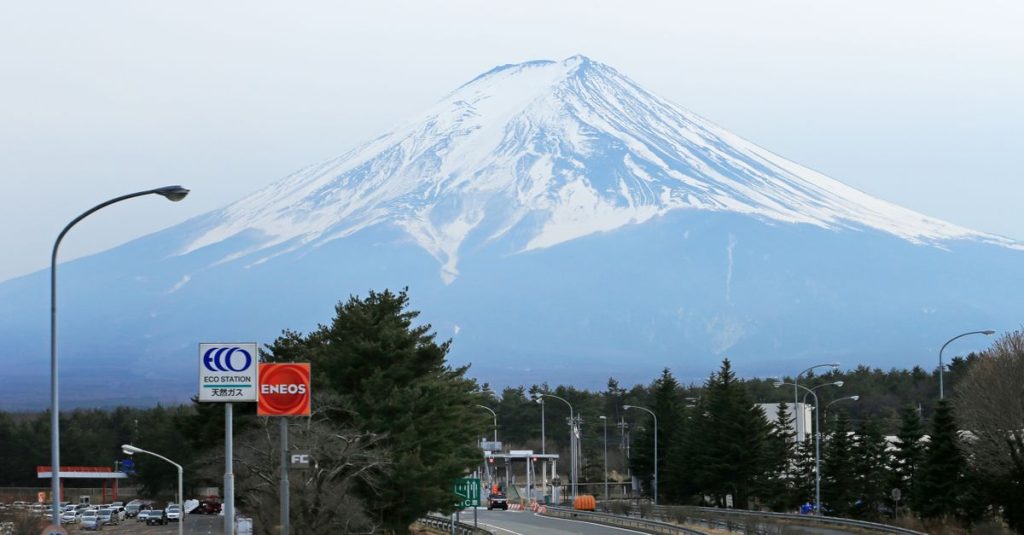
Save panoramic views for a day when visibility is good. Winter can offer clear horizons, but seeing Mount Fuji also depends on clouds and haze: it is never guaranteed.
Compare Tokyo’s observation decks according to their location and their indoor or outdoor areas. Check opening conditions with the operator, particularly when wind may affect the terraces.
Plan alternatives close to each other geographically: a museum and a park in the same area make it possible to react without adding numerous journeys. A flexible neighbourhood-based itinerary is more effective than a succession of scattered visits. For example, you can combine the area’s weather-friendly options with our guide to things to do in Shibuya.
May and November are good choices for walking without the humid summer heat. April is also suitable, particularly for its spring atmosphere, but cherry blossom depends on the conditions each year.
According to the Japan Meteorological Agency’s 1991–2020 normals, October has the highest average total in the table, at approximately 235 mm. This does not mean that it rains every day: intense spells can have a major effect on the total.
Not necessarily. A trip remains possible by alternating outings during breaks in the rain with indoor visits. However, humidity can be difficult for people sensitive to heat or those planning mainly long walks.
Check the Japan Meteorological Agency’s updated forecasts and alerts. For an immediate outing, also look at the rain radar; in bad weather, check transport operators’ information before setting off.
Updated on 14/10/2026
Scroll to see more articles →