Odaiba Tokyo: Things to Do on the Artificial Island
Discover Odaiba, Tokyo’s artificial island: attractions, beaches, museums and bay views for a memorable waterfront escape in the capital.
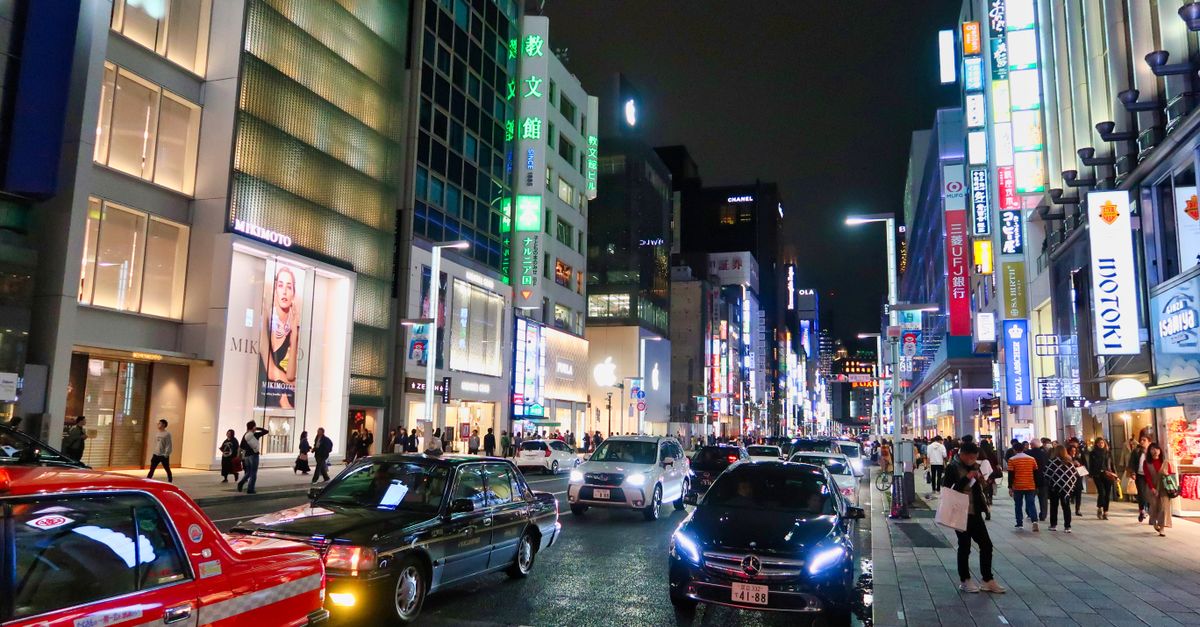
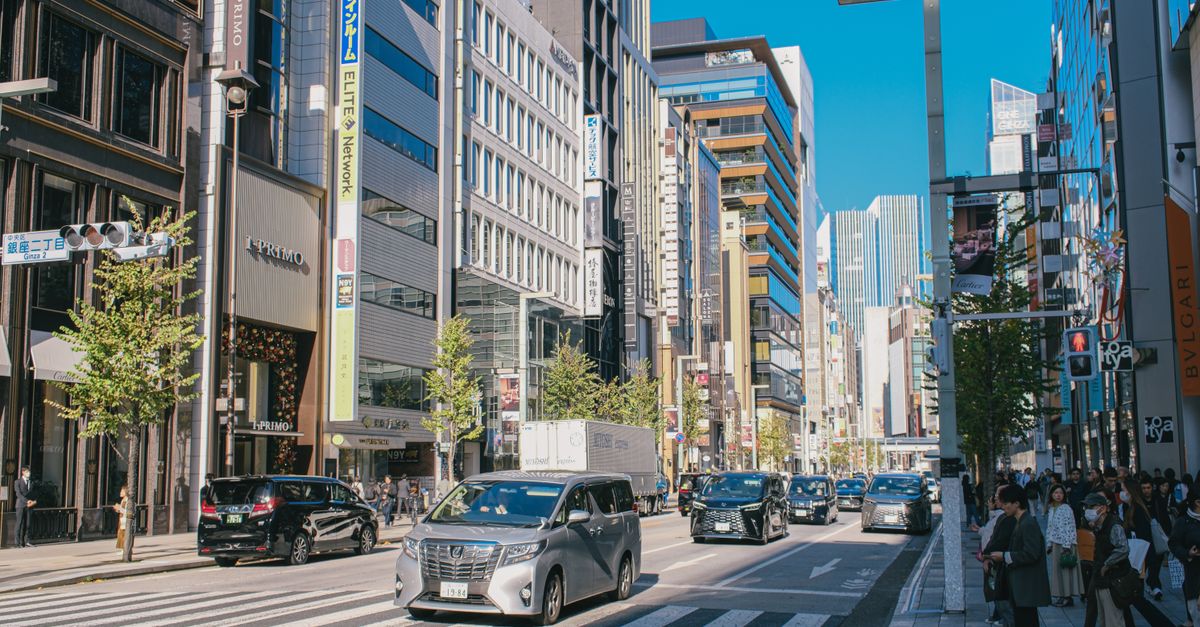
Ginza is worth visiting even if you are not shopping. This Tokyo district brings together department stores, luxury boutiques, art galleries and traditional theatre in an area that is easy to explore on foot. Chuo-dori is the main thread of the walk: you can see the Wako clock, Mitsukoshi’s shop windows and contemporary façades before reaching Ginza Six or the quieter side streets.
The district’s appeal lies in these contrasts. International fashion houses stand alongside a large stationery shop, food halls extend the visit to historic department stores, and Kabukiza offers another way to experience Japanese culture. To make the most of it, choose a few addresses based on your interests rather than moving from one shop to another. An architectural walk, lunch and a cultural discovery are already enough to experience Ginza’s different sides.
In brief
The junction dominated by the Wako clock is a useful landmark. It immediately shows how the district is laid out: broad shopping avenues intersected by streets hiding restaurants, cafés and exhibition spaces. Starting here prevents your visit from becoming simply a succession of shops.
Ginza takes its name from a silver coin-minting workshop established during the Edo period. This origin is a reminder that the district has a history predating its luxury shop windows, even though its present-day streetscape mainly combines historic businesses with contemporary buildings.
Along Chuo-dori, look at the differences in scale, materials and façade design. Wako provides a heritage landmark, while the flagship stores of international brands use architecture to express their identity: glass surfaces, metal exteriors and carefully designed lighting.
The side streets change your perception of the area. Entrances are sometimes more discreet, with businesses located on upper floors rather than at pavement level; looking at plaques and building directories can therefore be just as useful as following the shop windows.
The pedestrianisation of Chuo-dori at weekends gives you a chance to step back from the buildings and walk in a different way from along the shopfronts. Check the applicable days and hours with the official Ginza district association, as conditions may change or be altered.
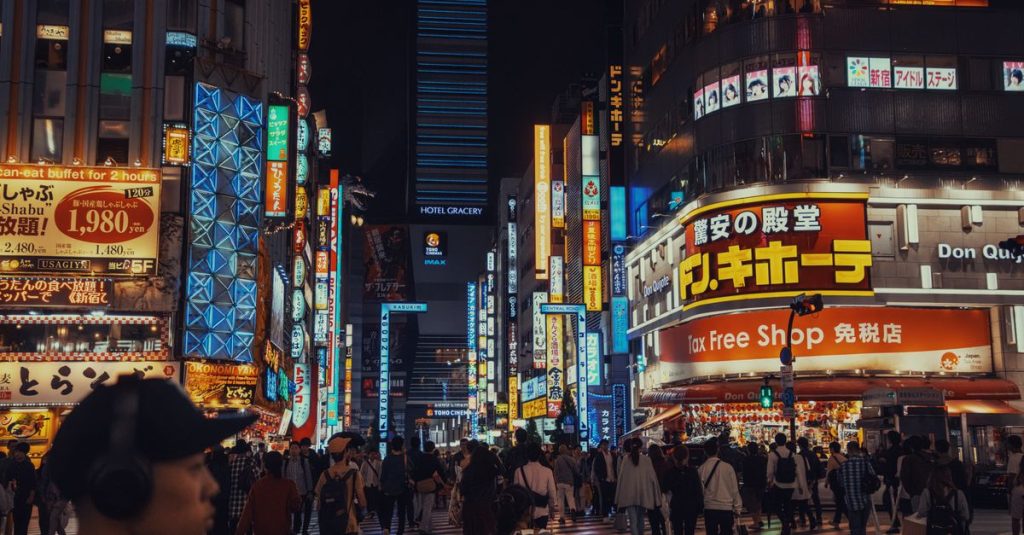
When photographing the avenue, choose viewpoints that do not block the way. At nightfall, the illuminated signs create a different atmosphere; however, remember that the outdoor promenade and access to the shops are separate, and closing times vary.
To include this walk in your other sightseeing, see our guide to Tokyo. The main appeal of this route is moving from the monumental avenue to the smaller streets, rather than staying only in front of well-known brands.
Choose your shops according to what you want to discover. Mitsukoshi and Matsuya provide an introduction to Japanese department stores, while Ginza Six brings together high-end boutiques in a contemporary setting. Itoya suits a more specialised interest: discovering paper, writing instruments and office accessories.
| Address | Main appeal | What to focus on |
|---|---|---|
| Wako | Iconic clock and refined shopping | The façade and shop windows |
| Mitsukoshi | Historic department store | The sales floors and food hall |
| Matsuya | Fashion and homeware | Japanese selections and gourmet products |
| Ginza Six | High-end shopping centre | The shops and rooftop garden, subject to accessibility |
| Itoya | Specialist stationery shop | Paper, notebooks and writing instruments |
Luxury houses do not represent the whole retail offer. Major Japanese brands, particularly Uniqlo and Muji, also offer a way to discover clothing and everyday items in spacious stores.
At Itoya, the appeal lies in the variety of uses represented. For a notebook, examine its format and paper; for a pen, check which refills are available. An object that is pleasant to look at is not always the most practical to use once you are back in France.
In fashion departments, try clothes on rather than relying solely on the label. Cuts differ between brands, and you should ask about return arrangements before paying, especially if you will soon be leaving the city.
Do not treat tax-free shopping as an automatic discount. Check the current conditions with Japan’s National Tax Agency and ask the shop how the service works. Our Japan shopping guide complements this preparation: a successful purchase depends as much on its usefulness as on its displayed price.
Kabukiza is the district’s main cultural stop. Located on the Higashi-Ginza side, this theatre provides a sharp contrast with the neighbouring commercial buildings. Its façade is worth a detour, but attending a performance lets you discover an art based on acting, costumes, music and theatrical conventions.
Kabuki is not only about understanding the dialogue. Coded gestures, poses and vocal work all contribute to the story; reading the synopsis before the performance nevertheless helps you identify the characters and the issues at stake in the scene.
Tickets for a single act may be offered depending on the programme. Check with Kabukiza or Shochiku which performances are concerned, as well as sales arrangements, prices and any language support available, without assuming that this option is always offered.
Choose the performance first, then organise your walk around it. This avoids discovering too late that a show starts during lunch or that a reservation was required.
Art galleries offer a more flexible visit. Some occupy small spaces in office buildings, while others are associated with major houses; their programmes may focus on painting, photography, objects or contemporary art.
Do not infer the access conditions from a building’s appearance. Check the venue’s programme to find out which exhibition is currently on, whether a reservation is required and what rules apply to photography.
These places offer a chance to slow down between highly stimulating commercial spaces. To continue discovering Japanese artistic practices, our page on Tokyo culture offers another perspective: observing a work and practising a gesture are complementary experiences.
Ginza works equally well for a booked meal or a gourmet break. The choice mainly depends on your budget, the time available and the kind of experience you want. A sushi counter, a restaurant floor and a food hall do not meet the same needs.
The district is known for its Edomae-style sushi counters. This cuisine is not simply a matter of placing raw fish on rice: the preparation of the ingredients, their seasoning and their texture are essential parts of it.
With an omakase menu, the chef chooses the succession of pieces. Before booking, mention any allergies and ask whether dietary restrictions can be accommodated; a significant adaptation may not be compatible with the menu on offer.
Lunch may offer a less expensive option than dinner, but this is not a general rule. Compare the restaurant’s menus, what is included and the cancellation conditions directly before confirming.
Depachika, the food halls in department-store basements, bring together prepared dishes, pastries and specialities suitable for gifts. They allow you to put together a takeaway meal or observe the importance attached to the presentation of products.
These departments are not necessarily dining areas. Before buying a ready-to-eat dish, find somewhere where eating it is permitted; for a gift, check its storage requirements, fragility and transport conditions.
To the east, Tsukiji’s outer market continues the culinary discovery. Wholesale activities moved to Toyosu, but the shops and restaurants in the outer market remain a separate destination: you should not expect to see the fish auction there.
Check opening days with the establishments concerned and compare menus rather than assuming that everything will be cheaper there. Our guide to Japanese cuisine helps you choose beyond sushi alone.
Choose your station according to your first stop. Ginza is served by the Ginza, Marunouchi and Hibiya metro lines. Higashi-Ginza is particularly convenient for Kabukiza, while JR Yurakucho Station lets you approach the area from the west.
For a shopping-focused visit, start around Wako, then follow Chuo-dori towards your chosen addresses. For a cultural outing, put the theatre first in your plan and keep window-shopping as a flexible activity around the performance.
Tsukiji is a logical extension if food is your priority. Hibiya Park offers another direction for continuing on foot; there is no need to include every surrounding area if you also want to go inside the shops.
Check Tokyo Metro, Toei or JR East for timetables, disruptions and accessibility facilities. Our guide to transport in Japan helps you understand the different networks instead of choosing a ticket solely by its name.
In rainy weather, prioritise department stores, exhibitions and an indoor meal. When the weather is comfortable for walking, leave more time for the side streets and for observing the façades.
To limit spending, separate free activities from planned purchases: walking, window-shopping and seeing the theatre from outside can form the core of your outing. Check the access conditions for terraces and exhibitions individually rather than assuming they are free.
If you are considering staying overnight, compare the property’s location and its actual access to stations in our selection of Ginza hotels. The right base depends mainly on your daily journeys, not solely on the prestige of the address.
Yes. The architecture, Wako clock, art galleries and Kabukiza make it possible to visit without buying anything. The side streets provide an interesting contrast with the main shopping avenues.
Mitsukoshi and Matsuya are good choices for discovering Japanese department stores and their food halls. Ginza Six focuses on high-end boutiques, while Itoya specialises in stationery.
The avenue is pedestrianised at weekends. Check the days, hours and any changes with the official Ginza district association before setting out.
This depends on the programme and ticketing arrangements. Check with Kabukiza or Shochiku to confirm the acts available, ticket availability and purchasing conditions.
Updated on 13/10/2026
Scroll to see more articles →