Odaiba Tokyo: Things to Do on the Artificial Island
Discover Odaiba, Tokyo’s artificial island: attractions, beaches, museums and bay views for a memorable waterfront escape in the capital.
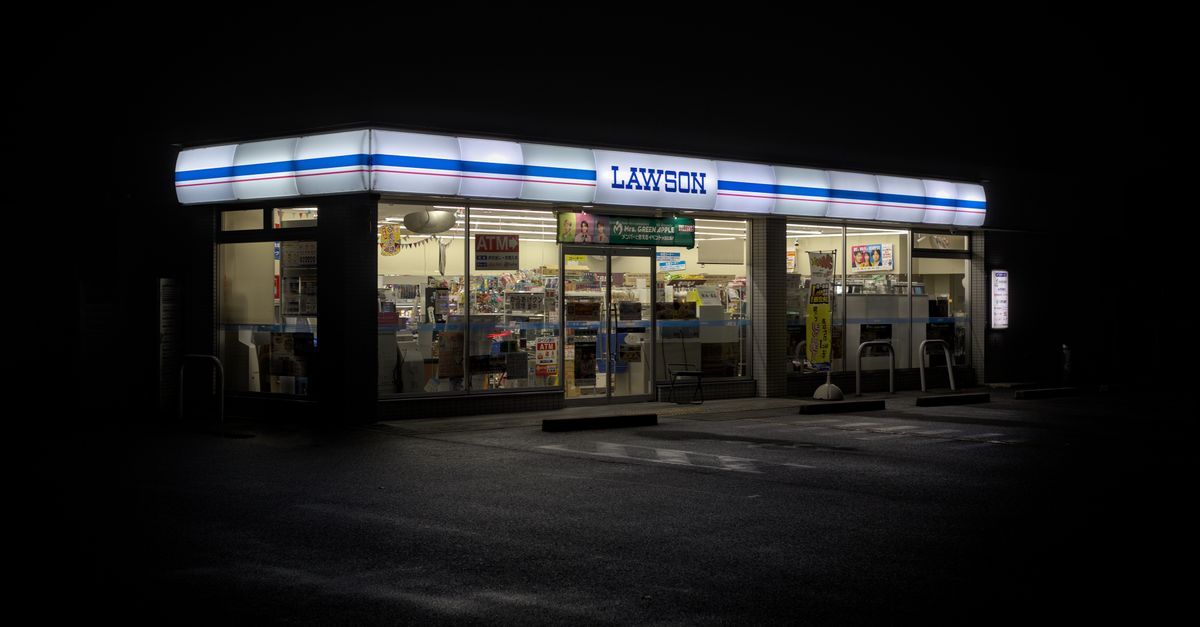
In a Japanese konbini, you can find ready-to-eat meals, drinks, toiletries and practical services such as cash withdrawals, document printing and the handling of certain parcels. These local shops are useful for buying breakfast or replacing a forgotten umbrella. They are often associated with the expression 24-hour convenience shop, but round-the-clock opening is not guaranteed at every branch: check the opening hours with the relevant chain. This can be particularly useful when planning a late-night visit in Shibuya.
Seven-Eleven, FamilyMart and Lawson offer broadly comparable ranges, with their own specialities and equipment varying by location. For travellers, the key is to distinguish what is usually available on the shelves from services that need to be checked. An ATM inside the shop will not necessarily accept your card, and a shipping counter is not the same as a luggage storage service.
In brief
An onigiri is a portion of shaped rice, often triangular, filled with ingredients such as salmon, mayonnaise tuna or umeboshi, a salty and tart plum. Some packaging separates the seaweed from the rice to keep it crisp: follow the printed instructions rather than tearing the plastic open directly.
A bento is a boxed meal generally combining rice with several side dishes. Chicken, fish, vegetables or breaded preparations make up different assortments; look at the contents rather than assuming that every tray is a balanced meal.
Sandwiches frequently use soft sliced bread. Tamago sando, filled with egg and mayonnaise, is sold alongside recipes with ham, raw vegetables or breaded meat; sweet versions with fruit and cream are closer to a dessert.
Near the till, heated displays may offer fried chicken, croquettes or steamed buns. Nikuman contains a meat filling, while anman is generally filled with sweet red bean paste; availability depends on the shop and the season.
Instant ramen is prepared according to the manufacturer’s instructions, often with hot water. If you plan to eat it immediately, check that a suitable hot-water dispenser is available before buying it, and remove the seasoning sachets when the instructions require this.
For a chilled tray meal, ask whether it can be heated: “atatamete kudasai” means “please heat it up”. Not all packaging is microwave-safe, and products already being kept hot do not necessarily need to be heated again.
Japanese snacks range from rice crackers to flavoured crisps and chocolate biscuits. For desserts, you will come across caramel custards, Swiss rolls, dorayaki filled with red bean paste and daifuku with a glutinous rice coating.
Recipes change with commercial product launches: a flavour spotted during a trip may later disappear. To place these products in the context of everyday Japanese cuisine, bear in mind that they mainly represent a convenient offering, not the full diversity of Japanese food.
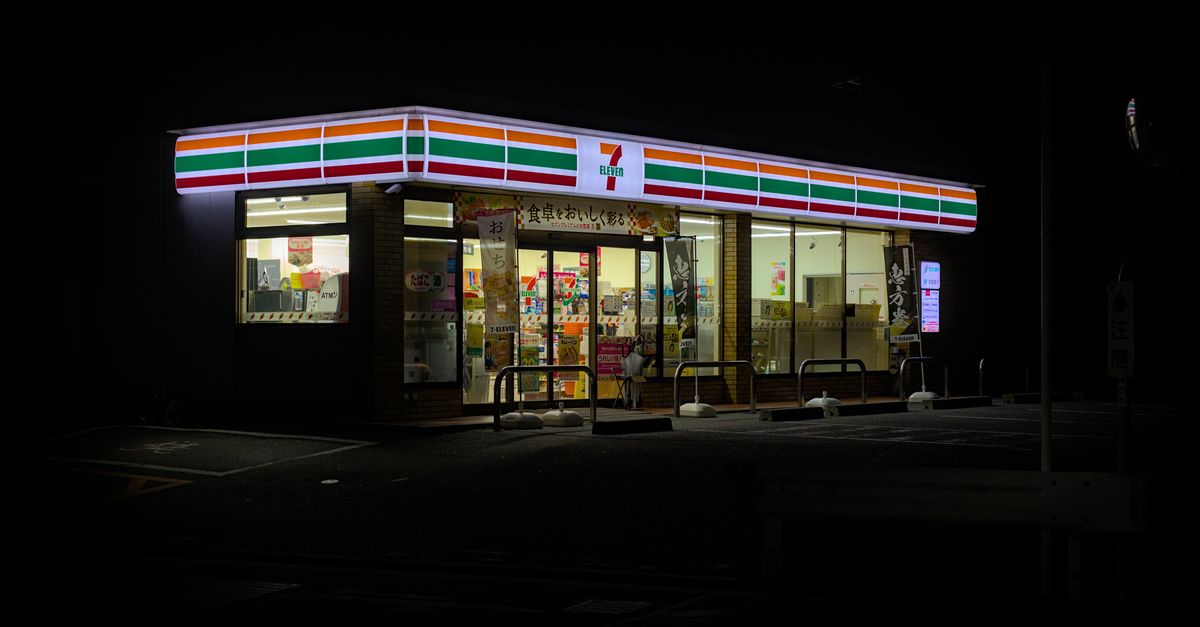
The most useful choice often depends on the product you are looking for and what is closest. The major chains share many categories, but their own recipes, collaborations and local ranges allow you to vary your purchases.
| Chain | Products to look for | Point to note |
|---|---|---|
| Seven-Eleven | Prepared meals, onigiri, sandwiches and machine-made coffee | Products and equipment vary from one shop to another. |
| FamilyMart | Famichiki, desserts and some clothing items | Fried chicken is generally requested at the counter. |
| Lawson | Karaage-kun, pastries and collaboration products | Special editions are not available everywhere. |
| Natural Lawson | A distinct range, including specialised products | The positioning does not guarantee vegan recipes. |
FamilyMart’s Famichiki and Lawson’s Karaage-kun bites are examples of products associated with a particular chain. However, there is no reason to describe one chain as consistently better than another: preference depends on taste, the recipe and what is actually available.
Other names are also worth noting, including Ministop, Daily Yamazaki and NewDays in railway environments. A small station shop may have a more limited range than a neighbourhood branch, particularly when it comes to non-food items.
Collaborations with manga or anime franchises illustrate the links between everyday shopping and Japanese culture. Before buying something to obtain a promotional gift, check the displayed conditions: not every product in a section necessarily takes part in the promotion.
The Japanese drinks aisle includes water, tea, coffee, soft drinks and milk-based drinks. Mugicha is a roasted barley infusion that is generally caffeine-free; green tea and coffee contain caffeine unless stated otherwise.
Do not rely solely on the colour of the bottle to distinguish a sweetened drink from a sugar-free version. Latte coffees, matcha drinks and fruit-based preparations may have very different ingredients despite similar packaging.
For machine coffee, the procedure varies: the cup may be handed to you at the till or selected from a chilled cabinet for an iced version. Select the button corresponding to the product you paid for, as the volume and recipe are not interchangeable.
So-called functional drinks are not a substitute for a varied diet or medical treatment. A claim on the packaging is not enough to demonstrate a benefit suited to your situation, particularly when caffeine or other active substances are involved.
Toothbrushes, tissues, period products, razors and small toiletries can replace something you have forgotten. Some shops also sell socks, underwear, umbrellas and stationery, but may not offer every size or product reference.
For a phone cable, check the connector and the specifications shown on the packaging. Physical compatibility does not guarantee every charging function; our guide to telephones and the internet in Japan can help you prepare for these needs before departure.
Convenience also comes at a cost: a supermarket may offer better value for a large shop, although this is not true for every item. Compare the contents and displayed price, then check current prices with the retailer; the guide to the cost of living in Japan helps place these expenses within your budget.
Seven Bank, Lawson Bank and E-net ATMs may accept cards issued abroad, depending on their network and the conditions set by the issuing institution. Acceptance is never automatic: check the displayed logos and on-screen information before confirming.
Fees, limits and periods of availability may change. Check them with the ATM operator and your bank; our guide to Japanese currency and payments explains useful precautions.
At the till, cash, bank cards and compatible transport cards are commonly used in the major chains. Some transactions, including bill payments, may require a particular payment method: do not assume that the conditions for food purchases apply to every service.
Multifunction photocopiers can be used to copy and print compatible documents. Depending on the machine, files may be transferred using an accepted storage medium or a printing service with an app and collection code; direct email submission is not a universal function.
A ticket machine is not necessarily the photocopier itself. To pay for or collect a reservation, follow the ticket seller’s instructions: the authorised chain, required reference and deadline must match your order.
Some shops handle shipments for a partner carrier. Check the accepted dimensions, the destinations served and whether the receiving hotel agrees before taking a suitcase to the counter.
Shipping is not luggage storage, and delivery to an airport is subject to specific conditions. Ask the carrier about its current delivery times and prices, then keep medicines, travel documents and essential belongings with you.
A vegetable preparation may contain fish stock, meat or a seasoning of animal origin. An umeboshi onigiri is therefore not automatically vegan: only the ingredients of the specific product can settle the question.
A translation app can make labels easier to read, but it does not guarantee safety in the event of an allergy. If an ingredient remains unclear, ask the manufacturer for reliable information or choose a product whose ingredients are clearly identified.
Fresh foods carry storage instructions and a deadline that may include a time. Follow these details and avoid keeping a chilled tray meal in a bag during a long visit, particularly in hot weather.
The availability of a seating area, toilets or accessible bins varies from one shop to another. Ask permission when the signs require it and respect displayed restrictions; the guide to Japanese toilets provides additional pointers.
If you eat on site, indicate this when staff ask you to. Do not use the shop’s bins to dispose of rubbish collected elsewhere, and follow the sorting instructions rather than guessing how they should be used from their location.
Finally, during severe weather, do not use the state of the shelves as a weather indicator. Check the alerts issued by the Japan Meteorological Agency and local instructions: a shop that is usually accessible may close or have limited supplies.
No. Continuous opening is common, but some shops have reduced hours or depend on the opening hours of the building that houses them. Check the chain’s opening hours before travelling at night.
Yes, depending on the range, but you need to check each recipe. Fish stock and seasonings of animal origin may be present in preparations that appear to be entirely vegetable-based.
It may work if its network is accepted and your bank authorises the transaction. Keep a backup payment method, as some services and equipment have their own restrictions.
Not as you would in an ordinary luggage storage facility. Some shops accept luggage for shipment under the conditions set by their partner carrier, but this does not provide access to a general storage service on site.
Updated on 10/10/2026
Scroll to see more articles →