Odaiba Tokyo: Things to Do on the Artificial Island
Discover Odaiba, Tokyo’s artificial island: attractions, beaches, museums and bay views for a memorable waterfront escape in the capital.
Shibuya’s must-see sights include the crossing, the Hachikō statue, Shibuya Sky observatory and the shopping streets around Center-gai. Continue your walk towards Harajuku, Meiji Shrine and Omotesandō to discover very different atmospheres without leaving western Tokyo.
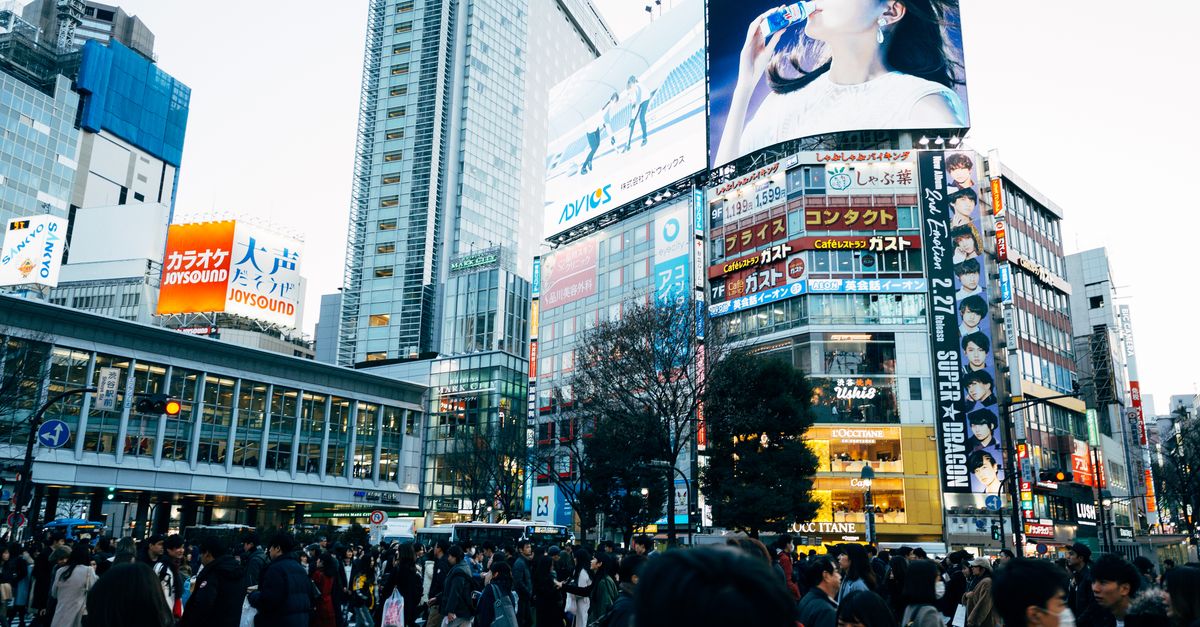
The name refers both to a ward and, in everyday speech, to the lively area around its station. This distinction matters when planning your visit: the giant screens and department stores are concentrated near the crossing, while the wooded areas and shopping avenues require you to continue walking.
The neighbourhood’s appeal lies in these contrasts: a statue that has become a meeting place, contemporary towers, shops devoted to popular culture and narrow streets lined with small restaurants. To make the most of it, build your route around your priorities rather than moving from one shopping centre to the next: panoramic views, fashion, food and exploring on foot do not all lead to exactly the same places.
In brief
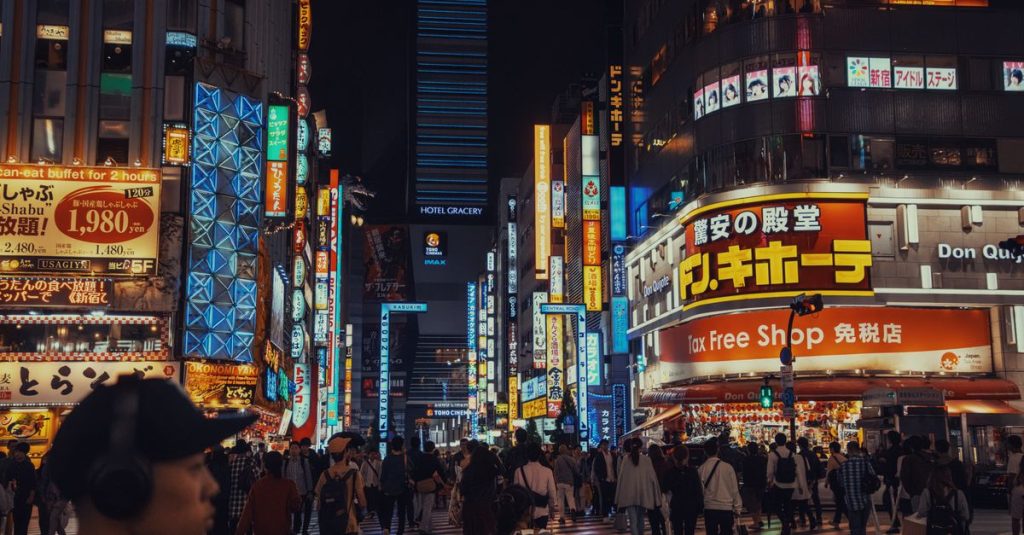
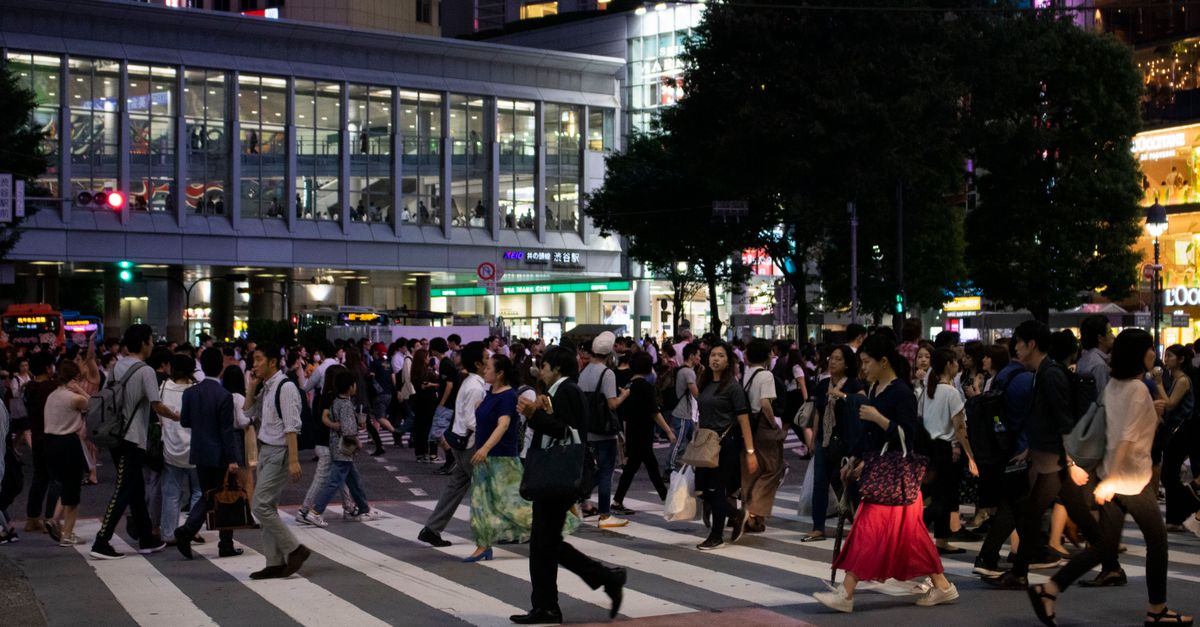
Shibuya Crossing is best experienced first at street level. When car traffic stops, pedestrians cross in several directions, including diagonally, beneath façades covered with screens.
The spectacle comes as much from the movement of the crowds as from the surroundings. During the day, the urban perspectives are easier to make out; after dark, the illuminated signs take up more space in the landscape.
Cross normally, then find a place set back from the flow to watch the intersection. Stopping in the middle of the crossing to film obstructs other pedestrians and leaves little time to reach the pavement.
A high viewpoint makes it easier to understand the pattern of the crossings, but spaces overlooking the square have their own access conditions. Do not assume that a café window or a commercial terrace is a freely accessible viewpoint: check the arrangements with the establishment.
The Hachikō statue stands near the station exit of the same name. It commemorates an akita dog that continued returning to wait for its owner after his death.
This story explains the emotional significance of the monument, beyond taking a souvenir photograph. The small square is also a meeting place, which adds to its lively atmosphere and can make approaching the sculpture less straightforward.
If you are meeting someone, choose a precise landmark rather than simply saying “in front of the station”. There are many entrances, and the different railway networks do not all lead to the same place.
The crossing is an excellent starting point, but it is not a complete representation of Tokyo and its neighbourhoods: just a few streets are enough to change the atmosphere.
Shibuya Sky offers a panoramic view of the capital that is very different from experiencing the screens at ground level. The observatory is at the top of Shibuya Scramble Square, a complex directly associated with the station area.
From above, the interest goes beyond the crossing. The railway lines, groups of towers and expanse of the urban fabric help you understand how this hub fits into the wider metropolis.
Daylight is suitable for distinguishing buildings and neighbourhoods. Twilight lets you watch the transition to the night lights, but it is better to plan this visit in advance rather than rely on immediate availability.
Visibility depends on the weather. Cloudy skies reduce distant views, while wind or bad weather may change access to the outdoor areas.
Check the official operator for tickets, time slots, cancellation conditions and instructions concerning personal belongings. Do not assume that all photographic equipment or luggage is allowed on the terrace.
The building also contains shops and restaurants. It can provide a break when the weather becomes less pleasant, without making a visit to the observatory essential.
To choose between the panorama and shopping, start with your priority: the retail floors do not replace the terrace experience, and the observatory alone does not constitute a visit to the surrounding streets. Allow time to walk around the station before or after your booking.
If your schedule remains flexible, the guide to the best season for visiting Japan helps put this outing into the wider conditions of your trip. For the view itself, the weather on the day remains decisive.
Center-gai Street concentrates part of the neighbourhood’s commercial activity. Accessible from the crossing area, it brings together restaurants, shops and entertainment venues in a dense environment of signs and music.
Its appeal also lies in the neighbouring streets. Look up: some shops and restaurants occupy the upper floors, with discreet entrances at pavement level.
For shopping in Tokyo, it is better to choose addresses according to what you are looking for. The nearby large complexes do not all have the same speciality or atmosphere.
| Address | Best for | Why visit |
|---|---|---|
| Shibuya 109 | Fashion and accessories | Discover shops associated with Japanese clothing trends. |
| Shibuya Parco | Design, fashion and popular culture | Combine creative shops with the world of video games. |
| Loft Shibuya | Stationery and everyday items | Look for a notebook, a practical accessory or a small souvenir. |
| Shibuya Scramble Square | Department stores and dining | Combine shopping and a break near the station. |
Parco is home to shops devoted to Nintendo and Pokémon, among others. For fans of these worlds, their appeal goes beyond buying souvenirs, but access arrangements may change during special events: check them with the shops.
At Loft, the focus is more on practical uses: storage, writing, travel accessories and small household items. Look at the dimensions, instructions and product compatibility rather than just the packaging.
Miyashita Park combines a landscaped rooftop space with a commercial complex. It is a stop where you can leave the most crowded streets while remaining in the lively area.
However, it should not be confused with a large wooded garden. For a proper walk among greenery, continue towards Yoyogi; for an urban break among shops and terraces, this complex fits easily into your route.
Choosing a few targeted shops leaves more room to discover the streets, which remains one of the neighbourhood’s main attractions.
Harajuku is a natural extension of a visit to Shibuya if you want to explore other expressions of fashion and urban culture. Cat Street in particular provides a pedestrian link between these areas.
Shops alternate with cafés and side streets. This walk allows you to gradually leave the large complexes around the station for a scale better suited to observing the shop windows.
Around Takeshita-dōri, accessories, clothing and takeaway treats contribute to a very busy atmosphere. If the crowds become tiring, the neighbouring streets allow you to continue your visit without remaining in the main flow.
Omotesandō has a different character, with a tree-lined avenue, fashion houses and carefully designed buildings. Even without plans to shop, the façades and volumes make the walk worthwhile.
These areas complement rather than replace one another. Harajuku is particularly appealing for its clothing codes and popular culture, while the nearby avenue is better suited to appreciating the architecture of the shops.
Yoyogi Park and Meiji Shrine are close to one another, but they are distinct places. The former is suitable for a break in a green space; the latter is a Shinto place of worship dedicated to Emperor Meiji and Empress Shōken.
The shrine’s wooded paths create a clear break from the shopping streets. Follow the instructions on site, remain discreet during ceremonies and check photography restrictions before taking out your camera.
To decide the order of your visit, check the opening times with the shrine and park manager. Leaving the shopping streets until later may be practical, but their opening times should also be checked with the establishments.
Shibuya is a convenient base for combining sightseeing, restaurants and an evening out, provided you choose your accommodation carefully. A place near the station may overlook a busy street or be on a less convenient route with luggage.
Around Center-gai, options range from ramen to izakaya, establishments where dishes are ordered to accompany drinks. Check the displayed menu and ask about any table or cover charges before sitting down.
The small establishments in Nonbei Yokocho offer a different atmosphere from the large chains. Their limited capacity is less suitable for large groups, and it is best to ask before photographing the premises or customers.
To explore specialities rather than choosing solely by a shopfront, consult the guide to Japanese cuisine. Karaoke venues and clubs are other options for extending the evening, with entry conditions and programmes to be checked directly with the establishments.
Compare Shibuya hotels by looking at the actual route from the station, the advertised soundproofing and recent comments about noise. Proximity on a map is not enough to assess how comfortable your arrival will be.
The station brings together several networks, including JR East, Tokyo Metro, Tōkyū and Keiō. Identify your operator and line before following an exit; the guide to transport in Japan helps explain their differences.
When returning after an evening out, check the last departures with the relevant railway operator. Do not assume that trains run continuously throughout the night.
Finally, separate accommodation, meals, transport and paid activities in your budget. Information on the cost of living in Japan helps structure these expenses; actual prices should be checked with providers when booking.
Start with the Hachikō statue and the crossing, then explore Center-gai. Add Shibuya Sky for the panorama or continue towards Harajuku if you prefer walking.
Booking allows you to choose from the available time slots. Check the official operator for sales arrangements, cancellation conditions and weather-related restrictions.
Yes, the areas work well as part of the same walk, particularly via Cat Street. Adapt the route to your energy and the visits planned at Meiji Shrine or Omotesandō.
Yes, particularly if you want to enjoy the restaurants, shops and transport. Choose your street carefully if you are looking for peace and quiet, and check the exact route between the station and your hotel.
Updated on 22/10/2026
Scroll to see more articles →