Odaiba Tokyo: Things to Do on the Artificial Island
Discover Odaiba, Tokyo’s artificial island: attractions, beaches, museums and bay views for a memorable waterfront escape in the capital.
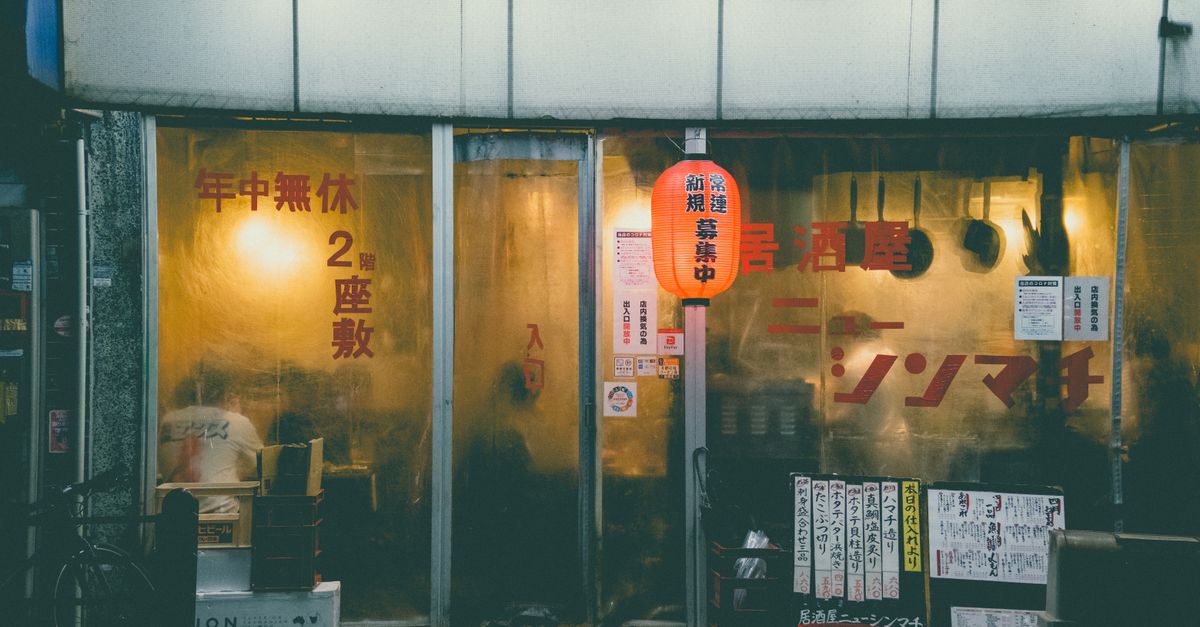
An izakaya is a Japanese pub where you order drinks and dishes to share gradually throughout the meal. To start, choose edamame, yakitori or karaage chicken, then add more according to your appetite. You do not necessarily follow a starter, main course and dessert sequence: dishes usually arrive when they are ready, and everyone helps themselves.
These establishments range from small neighbourhood counters to large chains equipped with tablets. The experience varies from one place to another, but a few guidelines are useful: understand the small accompaniment sometimes charged on arrival, check portion sizes and ask about the conditions of set menus before ordering. Drinks play an important role, without requiring you to drink alcohol.
In brief
An izakaya combines restaurant service with the atmosphere of a drinking establishment. Friends or colleagues meet there to chat over shared dishes, but some places also welcome solo diners at the counter. The expression “Japanese tapas” describes the sharing aspect fairly well, without referring to a specific category of recipes.
The layout often gives you an indication of how the meal will work. At the counter, you order close to the staff; at a table, service may be handled with a call button or tablet. Small establishments sometimes have a handwritten menu, while chains are more likely to display photographs.
You do not always remove your shoes. It depends on the layout, particularly when a room has a raised platform or tatami mats: wait for instructions at the entrance. If you find it difficult to sit on the floor, ask for a table with chairs before settling in; our guide to accessibility in Japan can help you prepare for these practical questions.
You may be given a damp towel called an oshibori for your hands. It may come with an otoshi: a small dish chosen by the establishment, such as seasoned vegetables or fish. Do not mistake it for a free tasting.
Whether it is charged and whether you can refuse it depend on the establishment. Ask for details before sitting down if this matters for your budget, and immediately mention any allergy: this accompaniment may arrive before you order. Understanding the house rules helps avoid surprises on the bill.
To explore the menu, combine a cold preparation, a grilled dish and a vegetable rather than filling up on fried food. This combination lets you compare textures and save your appetite for the day’s recommendations. Portions vary between establishments: ask whether a dish is suitable for sharing.
| Dish | What you are ordering | What to check |
|---|---|---|
| Edamame | Soybeans served in their pods, often salted | The pod is not eaten |
| Yakitori | Grilled chicken skewers | The cut and seasoning |
| Karaage | Marinated and fried chicken pieces | The marinade ingredients in case of an allergy |
| Tsukemono | Pickled or salted vegetables | The vegetables and their seasoning |
| Yaki onigiri | Shaped rice that is then grilled | The sauce and any filling |
Shio means seasoning with salt; tare is a generally sweet-and-savoury sauce. The former lets the flavour of the meat and cooking stand out more. The latter adds a stronger flavour, with a recipe that varies according to the cook.
Read the name of the cut too: skewers may contain thigh, skin or offal. If you want boneless meat and few unusual textures, ask for advice rather than relying solely on the photograph.
A place focused on seafood may offer sashimi or grilled fish; another may specialise in simmered dishes. Sushi and ramen are not available everywhere: it is better to follow the advertised speciality than to look for a complete catalogue of Japanese cuisine.
To finish, grilled rice is an option if the menu offers it. Ochazuke combines rice with a hot liquid, often tea or stock, and toppings: it is not necessarily porridge. The best order is the one you adjust to your appetite and the specialities available.
Japanese beer is a common choice, on tap or bottled depending on the establishment. To ask for a draught beer, the expression “nama biru” is useful, but you can simply point to the menu. Check the size offered rather than assuming that all glasses are the same.
Saké is a fermented rice-based drink, unlike shochu, which is distilled. On a Japanese menu, the term “nihonshu” more precisely identifies the former. The latter may be made from barley, sweet potato or rice, among other ingredients.
The serving temperature of nihonshu depends on the product and the establishment’s offering. Ask for a recommendation, explaining whether you prefer a dry, smooth or aromatic profile; drinking it hot is neither compulsory nor suitable for every variety.
A highball generally combines whisky and sparkling water. Sours combine an alcoholic base, something sparkling and a fruit flavour, with recipes that vary. A sweet or lemon-flavoured drink is still alcoholic: its taste does not indicate its strength.
Tea, juice and soft drinks let you accompany your meal without alcohol. If a cocktail is presented as “non-alcohol”, have its ingredients confirmed if completely avoiding alcohol matters to you. You do not need to follow the choices of the other diners.
An nomihodai plan gives you access to a selection of drinks for a set period. Before accepting it, check which drinks are included, the conditions applying to the group, any compulsory food orders and the time of the last order.
Offers and prices change: check the establishment’s official menu at the time of your visit. A plan is only worthwhile if it matches what you actually want to drink.
To order at a restaurant without speaking Japanese fluently, start with the information shown: photographs, translated names or the ordering interface. Point clearly to the dish and confirm the quantity. A translation device can help, but it does not guarantee a correct reading of handwritten menus.
A simple “sumimasen” allows you to attract staff’s attention politely. First order what you have identified, then add more once the first dishes arrive. Our guide to travelling without speaking Japanese covers other ways to make communication easier.
Dishes may arrive separately, depending on their preparation time. Edamame may be served before grilled dishes, without this corresponding to a menu served in courses. So avoid ordering a dish while insisting that it arrive exactly at the same time as another.
Use the small individual plates and serving utensils when provided. You can ask for them if necessary. For skewers or pieces that are difficult to divide, agree on how to share them before ordering: sharing does not mean that every preparation can be divided easily.
A tofu- or vegetable-based dish is not automatically vegetarian. Its stock may contain fish, while its topping may include bonito flakes, meat or other ingredients not visible in the photograph. Ask about the complete ingredients, including sauces.
In case of an allergy, show a written formulation in Japanese and ask about possible cross-contamination. If staff cannot confirm that a suitable dish can be prepared, choose another establishment. An approximate translation is not enough for a medical restriction.
These conversations are part of discovering Japanese food culture: understanding the ingredients is more useful than ordering lots of dishes at random.
Small neighbourhood establishments and large chains meet different needs. A compact counter suits a small group; a room with tables is better for a larger party. Having a translated menu may matter more than the decor on your first visit.
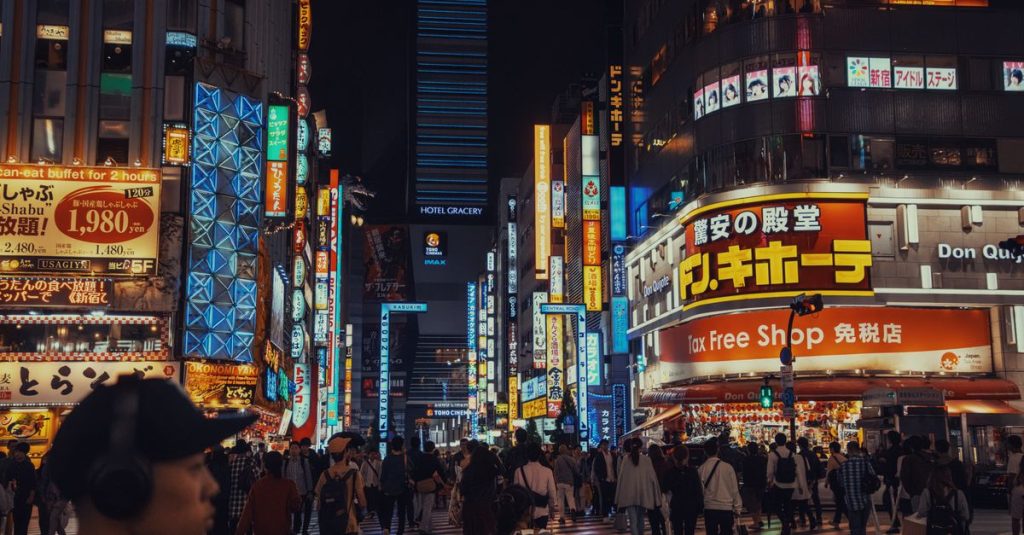
Yokocho often bring together bars and eating places in narrow passages. In Tokyo, Omoide Yokocho and Ebisu Yokocho have different atmospheres; Golden Gai is mainly known for its small bars and is not necessarily a choice for dinner. You can also explore things to do in Shibuya or things to do in Shinjuku when planning your Tokyo itinerary.
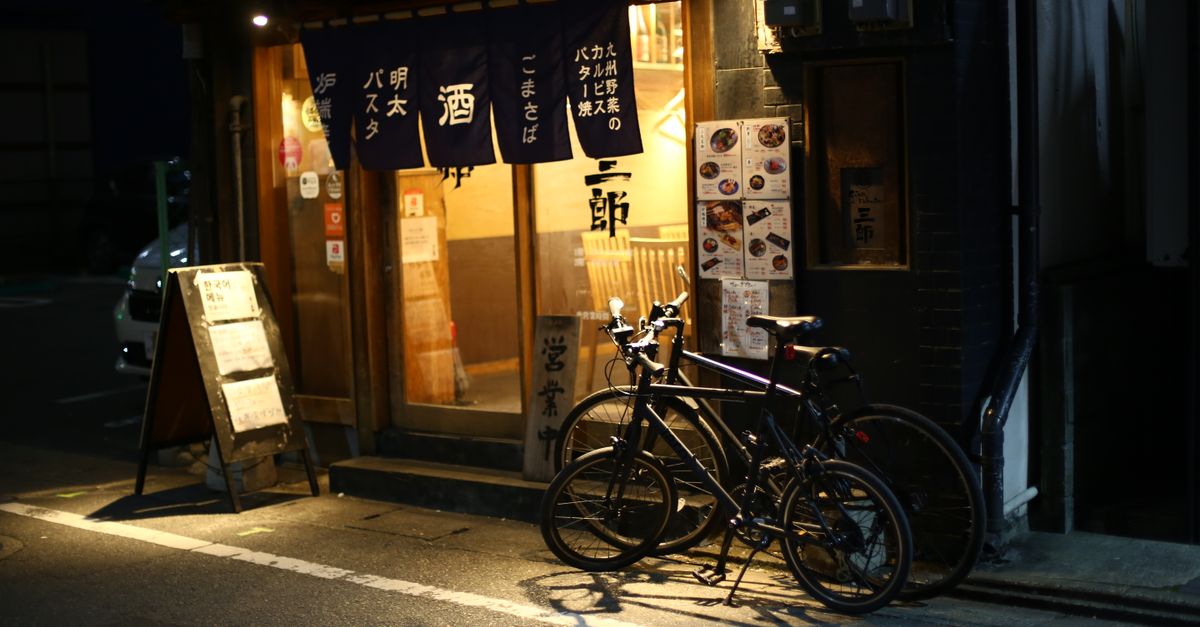
A lantern or noren curtain does not tell you everything about what is offered. Look at the menu, available seats and any displayed charges before entering. With children, ask directly about the house rules; if you are sensitive to smoke, also check the establishment’s policy rather than assuming it is non-smoking.
To ask for the bill, say “okaikei onegaishimasu”. You pay at the table or at the till, depending on the establishment. If you want to pay separately, ask beforehand: splitting the order between diners is not always available.
Check the drinks, charged accompaniments and any other announced fees. Tipping is not usually expected. Also check which payment methods are accepted, particularly in small establishments, and leave some room in your Japan travel budget for additional orders.
Opening hours and the last order are specific to each establishment: check them with the venue. For your return journey, consult the official timetable of your railway company, as the restaurant’s closing time does not necessarily correspond to the last train. Planning your journey lets you enjoy the meal without rushing to leave.
Yes, many establishments serve tea, juice or soft drinks. However, check whether the venue has any specific ordering conditions.
It is generally charged when it is served. Whether you can refuse it or have it replaced depends on the establishment’s policy: ask before sitting down.
Yes, particularly at establishments with a counter. Simply check the portion sizes to avoid ordering too many dishes.
It depends on the establishment and how busy it is. A reservation is useful for a group or if you need a particular layout, such as a table with chairs.
Updated on 10/10/2026
Scroll to see more articles →