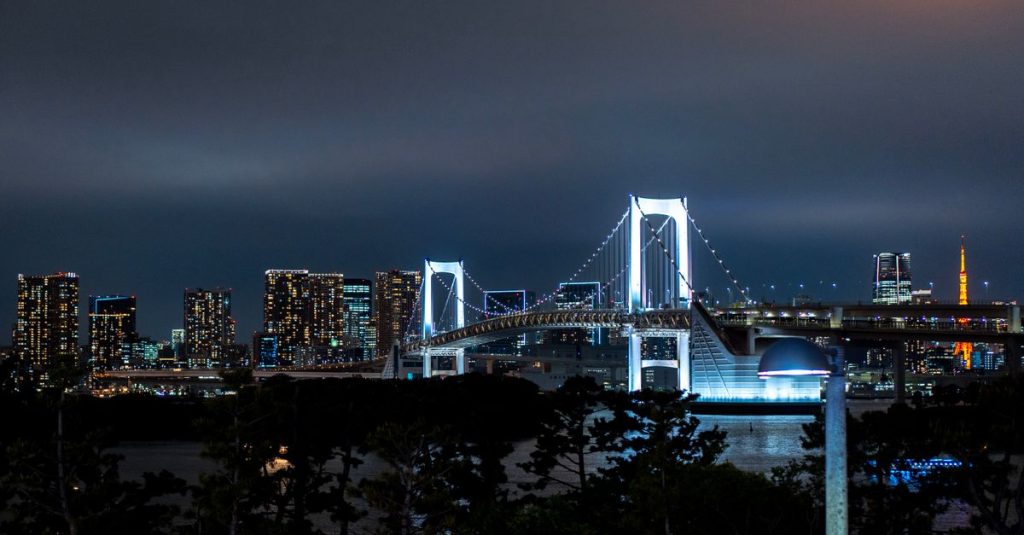
Odaiba Tokyo: Things to Do on the Artificial Island
Discover Odaiba, Tokyo’s artificial island: attractions, beaches, museums and bay views for a memorable waterfront escape in the capital.
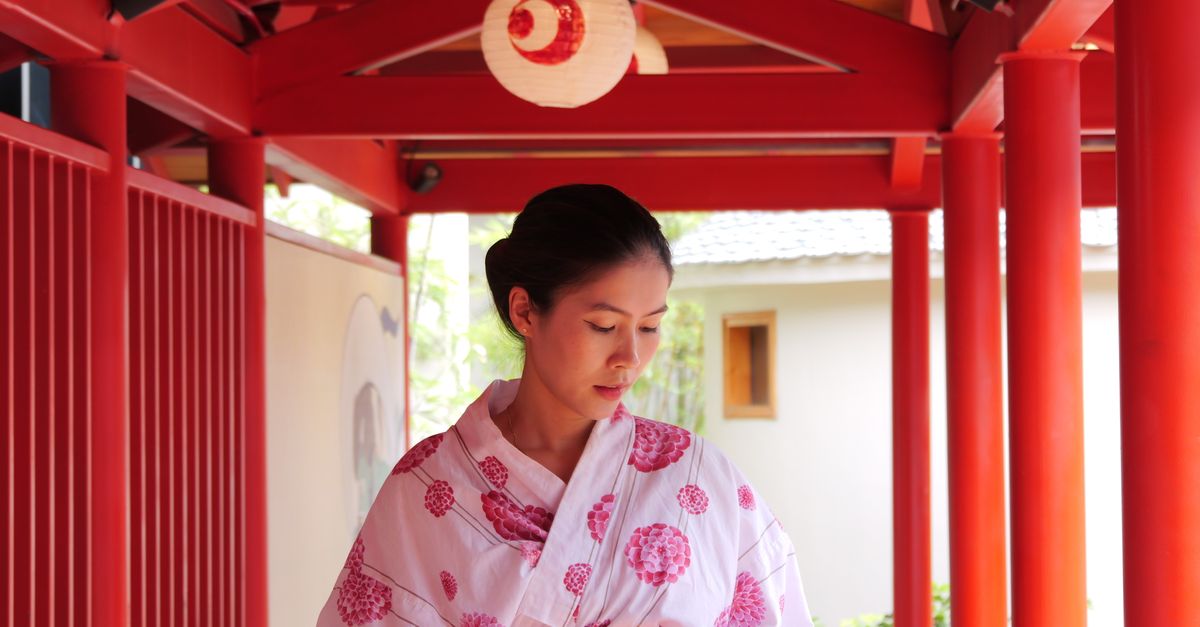
A yukata is a light, informal garment, while kimono cover a wider range of uses, from everyday wear to formal occasions. The main differences concern the fabric, layers worn underneath, accessories and context. Their silhouettes are similar, but an outfit suitable for a summer festival is not necessarily appropriate for a wedding.
The distinction between ceremonial kimono and informal yukata therefore needs to be qualified. Not all kimono are made of silk or lined, and some are worn for a simple outing. Conversely, a yukata intended for summer festivals requires proper fitting: it is not worn exactly like the one provided in a traditional inn.
When choosing this traditional Japanese garment, start with the occasion, then consider the climate and the comfort you are looking for. The fabric alone is not enough to identify the garment: the collar, belt and footwear also provide clues. A walk in Kyoto, a tea ceremony and a stay in a ryokan therefore involve different choices, without having to systematically seek out the most elaborate ensemble.
In brief
Kimono and yukata share a cross-over cut, wide sleeves and a fastening held in place by a belt called an obi. Their distinction is based on a combination of clues, rather than on any particular colour or pattern.
Silk has an important place in traditional clothing, but kimono are also made from wool, cotton or synthetic fibres. Some are lined and others are not, so the absence of a lining alone does not identify a yukata.
The latter is generally made from a light fabric, often cotton and sometimes a blend containing linen or synthetic fibres. Its unlined construction and fewer layers make it suitable for summer use.
| Criterion | Kimono | Yukata |
|---|---|---|
| Use | Casual, smart or ceremonial depending on the design | Relaxation, festivals and summer outings |
| Fabric | Silk, wool, cotton or synthetic fibres | Cotton and other light fabrics |
| Lining | Present or absent depending on construction | Generally absent |
| Traditional undergarment | Often worn with a nagajuban | Usually without a nagajuban |
| Common footwear | Zori with tabi for a smart outfit | Geta often worn barefoot |
A visible inner collar often indicates a nagajuban, worn beneath the main garment. A structured obi, accompanied by cords and a decorative piece of fabric, may also suggest a smarter outfit.
These indicators are not infallible, however: contemporary combinations can blur the categories. Look at the outfit as a whole and consider its context, rather than drawing conclusions from the footwear alone.
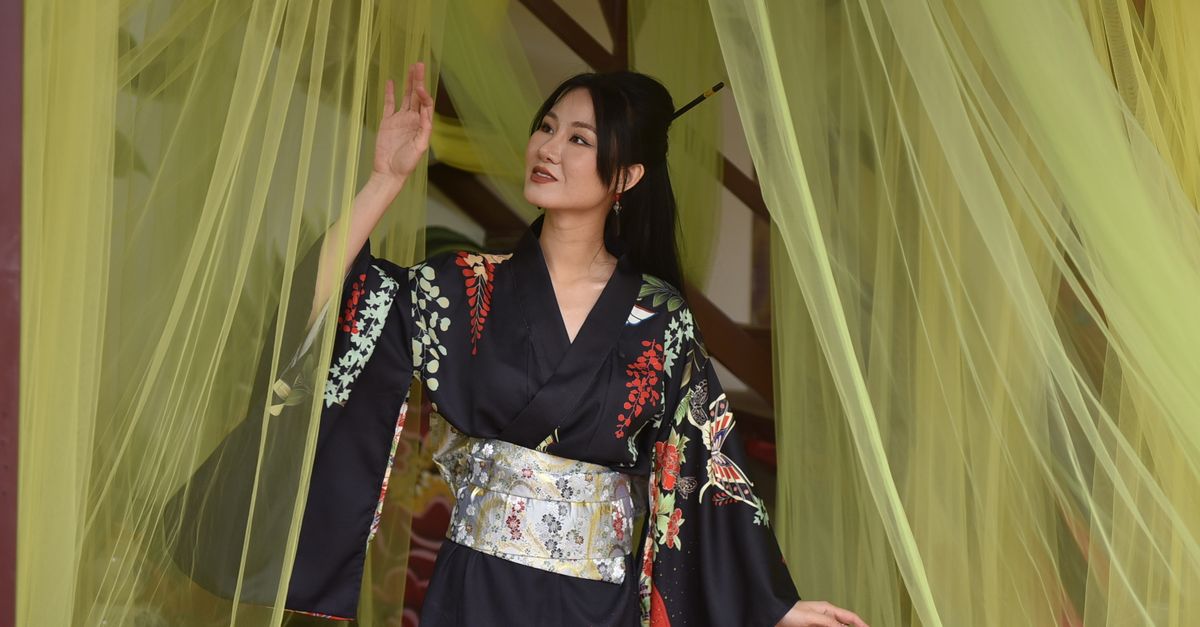
The event determines the expected level of formality. A luxurious fabric does not automatically make an outfit suitable: the type of garment, its patterns and its traditional accessories must form a coherent whole.
Weddings, certain family celebrations and graduation ceremonies are among the occasions when smart outfits are seen. The choice depends in particular on the wearer’s role: a guest and a close family member do not necessarily follow the same conventions.
A tea ceremony also requires consideration of the setting. A session designed as an introduction for visitors does not necessarily require traditional clothing, while a formal meeting may involve specific expectations: ask the organiser for advice.
Kimono are not limited to ceremonial occasions, however. Casual designs are suitable for an outing or walk; when planning a visit to Kyoto and its historic districts, choose an outfit compatible with your route rather than always seeking prestige.
Yukata are commonly worn at summer festivals, fireworks evenings and summer walks. They remain informal, even when their patterns are elaborate or their belts have an intricate knot.
In a ryokan, the garment provided is primarily intended for comfort during your stay. Whether it may be worn in communal areas or outside depends on the establishment; also check the customs to follow in onsen to distinguish relaxation clothing from bathing practice.
Do not confuse traditional clothing with clothing that is suitable everywhere: the context remains the best guide.
The left side goes over the right side, from the wearer’s point of view. The reverse overlap is used for funerals: this is the essential point to remember before adjusting the length or tying the belt.
Getting dressed begins with suitable undergarments, followed by positioning the garment and its collar. Discreet ties hold the panels in place before the obi is put on, so the belt does not have to carry the entire adjustment by itself.
In many women’s outfits, a fold at the waist called ohashori is used to adjust the length. Men’s cuts are generally adjusted differently, which is why choosing the right size matters rather than relying solely on the belt.
Wearing a kimono often involves a nagajuban and various support elements. Professional assistance makes learning about this dressing process easier, but it is possible to learn independently.
Wearing a yukata involves fewer layers, but adjustments are still necessary. For an outing, a light, discreet inner layer can reduce transparency and absorb perspiration; not wearing an under-kimono does not mean you should wear it without underwear.
The hanhaba obi is common in casual women’s outfits, while the kaku obi often appears in men’s ensembles. A pre-tied bow can make dressing easier, provided that the belt and panels remain properly secured.
Before setting off, sit down, walk around and check that the hem does not trail. A well-adjusted outfit should remain stable without causing pain or restricting your breathing.
Patterns contribute to the choice of an outfit, but interpreting them requires nuance. A flower does not automatically correspond to one particular occasion: its depiction, the elements accompanying it and the more or less stylised nature of the design also matter.
The plum blossom is associated in particular with renewal, the cherry blossom with fleeting beauty, and the crane belongs to the repertoire of auspicious patterns. These cultural associations enrich the way the garment is read, but do not on their own provide a dress code.
A design bringing together several flowers may be a decorative composition rather than a reference to one particular season. Likewise, waves, stripes and geometric shapes appear on different types of clothing: a pattern is not enough to distinguish the categories.
The climate matters as much as the decoration. To choose your outfit during your trip, consult the guide to the best time to visit Japan and consider local conditions, particularly humid heat.
Obijime is a cord worn over the obi; obiage is a visible piece of fabric near its upper edge, associated with certain arrangements. Their presence depends on the chosen outfit: they are not essential for every ensemble.
Tabi separate the big toe from the others and are commonly worn with zori as part of smart clothing. Geta, often worn with summer outfits, may take some getting used to: try them before going on a long walk.
A small drawstring bag or a fan can complete the outfit without overloading it. Coherence comes from matching use, season and comfort, not from accumulating accessories.
Renting allows you to try a complete outfit with help getting dressed. Buying is more suitable for repeated use, an interest in textiles or the desire to take home a genuinely wearable garment.
Ask whether the service includes the inner layers, ties, obi, footwear and bag. Also check the return conditions, arrangements in case of stains and the sizes available; prices and opening hours should be confirmed directly with the provider.
Your route deserves as much attention as your appearance. A fitted outfit and unfamiliar sandals can make a day involving many stairs or long distances on foot less comfortable.
To include this experience in your Japan travel budget, compare what the offers actually contain. A package presented as complete may include options charged separately.
Check the composition, dimensions, condition of the collar and seams, as well as the care recommendations. For a second-hand piece, also look for signs of damp and faded areas, which are particularly visible when the garment is spread out.
A light design is not necessarily machine washable, and a silk garment may require specialist care. The label and the seller’s advice take priority over general habits: fabrics, dyes and construction react differently to cleaning.
Finally, distinguish a garment intended to be worn from one bought for decoration. For regular use, the correct size and manageable care are more useful than a spectacular design that is difficult to preserve.
In the broad sense, it belongs to the family of Japanese garments with overlapping panels. In everyday usage, yukata are distinguished from other kimono, whose uses and construction are more varied.
Yes. There are unlined designs and fabrics suited to the warm season. The choice also depends on the inner layers, the occasion and the comfort you are looking for.
Geta worn with a summer yukata are commonly worn barefoot. This is a frequent practice, but combinations may vary depending on the context and the style chosen.
The garment is removed in the changing area before bathing; it is not worn in the water. Conditions for wearing it in communal areas depend on the establishment. Consult the rules on clothing and bathing in an onsen to prepare for your visit.
Updated on 17/10/2026
Scroll to see more articles →