Why visit Osaka
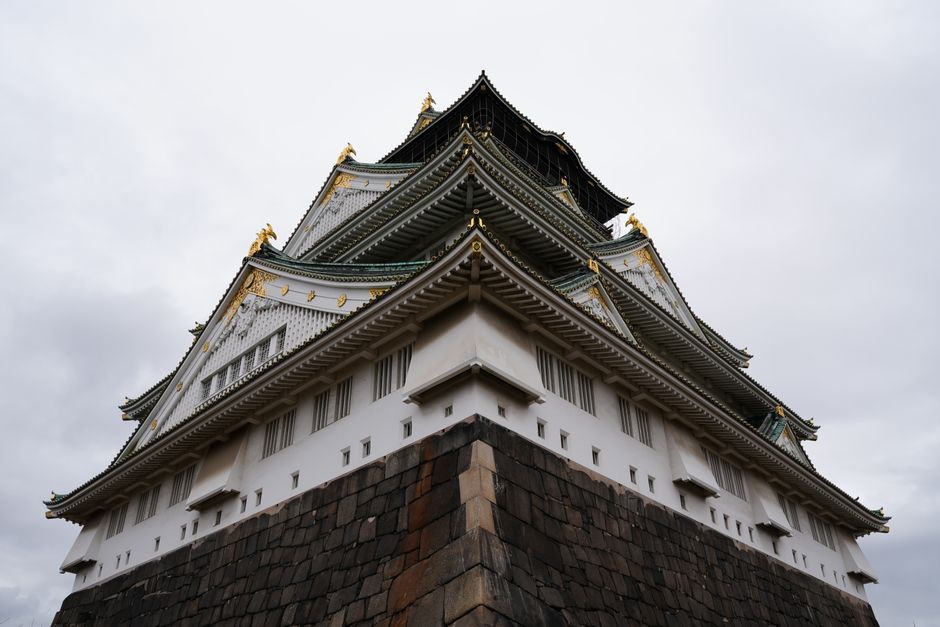
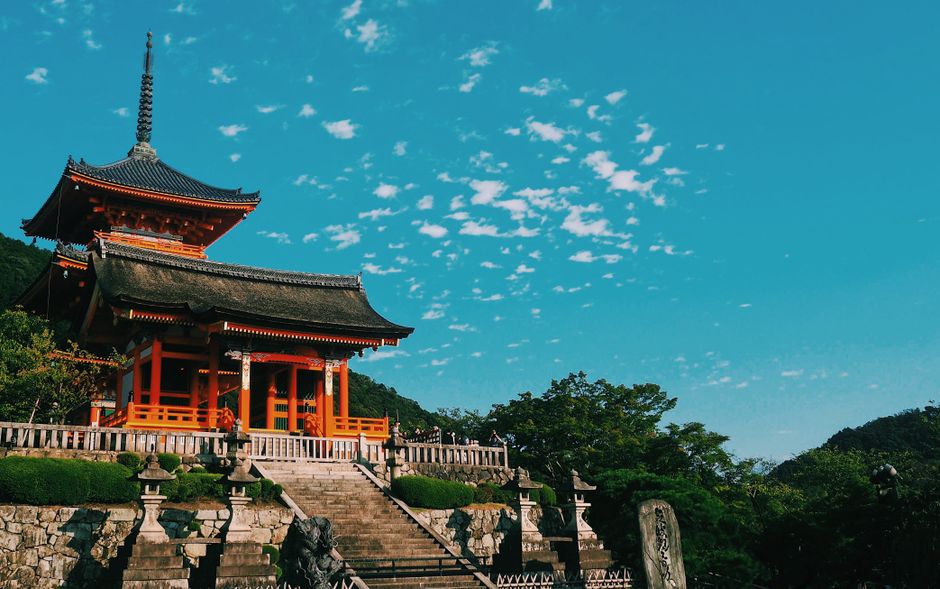
Osaka stands out for its distinct identity, far removed from Tokyo's polished image. The city embodies the “kuidaore” spirit, literally “ruining yourself by eating”, reflecting the local passion for good food and the pleasures of the table. Unlike refined Kyoto or spiritual Nara, Osaka cultivates a lively, warm and direct atmosphere.
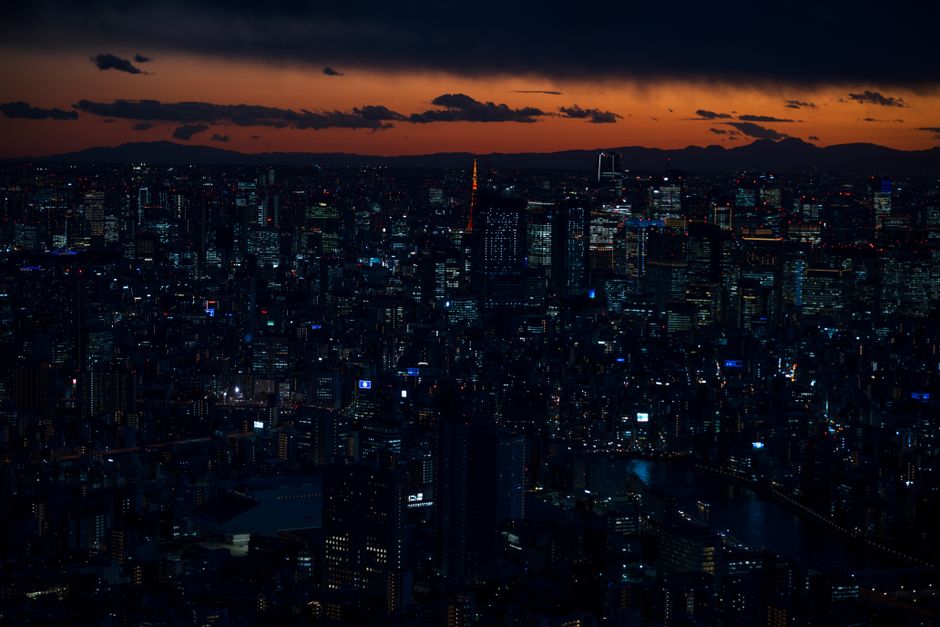
The city combines historical heritage (the castle, ancient temples) with urban modernity (Umeda's skyscrapers, Universal Studios Japan). It is an ideal base for exploring Kansai, with Kyoto 15 minutes away and Nara 30 minutes by train. If you are considering a longer stay, see our guide to the Working Holiday Visa in Japan.
Osaka's history and economic role
Osaka was Japan's capital under the name Naniwa from the middle of the 7th century to the middle of the 8th century, before the imperial court moved to Nara and then Kyoto. From the medieval period onwards, the city established itself as a major commercial centre thanks to its strategic position on Osaka Bay, which opens onto the Seto Inland Sea.
Today, Osaka remains the economic capital of Kansai. The city is home to the headquarters of many Japanese companies and has intense industrial and commercial activity. Its port is one of the busiest in the country, reinforcing its status as a logistics hub.
Tip: set up a Japan eSIM before departure so your data works on arrival.
When to visit Osaka
Spring (March–May) and autumn (October–November) offer the most pleasant conditions. In April, Osaka Castle Park welcomes the blossom of its 3,000 cherry trees, attracting thousands of visitors for hanami. Summer (June–August) is hot and humid, with temperatures regularly exceeding 30°C. Winter remains mild compared with other regions of Japan, but evenings can be chilly.
If possible, avoid Golden Week (late April–early May) and New Year, when tourist numbers are high and accommodation prices rise.
Getting around Osaka
Osaka's underground network has eight lines serving the main districts efficiently. The Midosuji Line (red) connects Umeda in the north with Namba in the south, via Shinsaibashi and Namba. A single journey costs between 180 and 400 yen, depending on the distance.
The JR Pass covers JR lines, notably the JR Loop Line (Osaka Kanjo-sen), which circles the city centre and serves Osaka Castle. Municipal buses complete the network but are less convenient for visitors who do not speak Japanese. For a stay of several days, the Osaka Amazing Pass provides unlimited access to the underground and certain attractions.
ICOCA card
The rechargeable ICOCA card works on all public transport in Osaka and Kansai. It can be purchased from the ticket machines at JR stations (a refundable 500-yen deposit). It is also valid at konbini and vending machines.
Budget and cost of living in Osaka
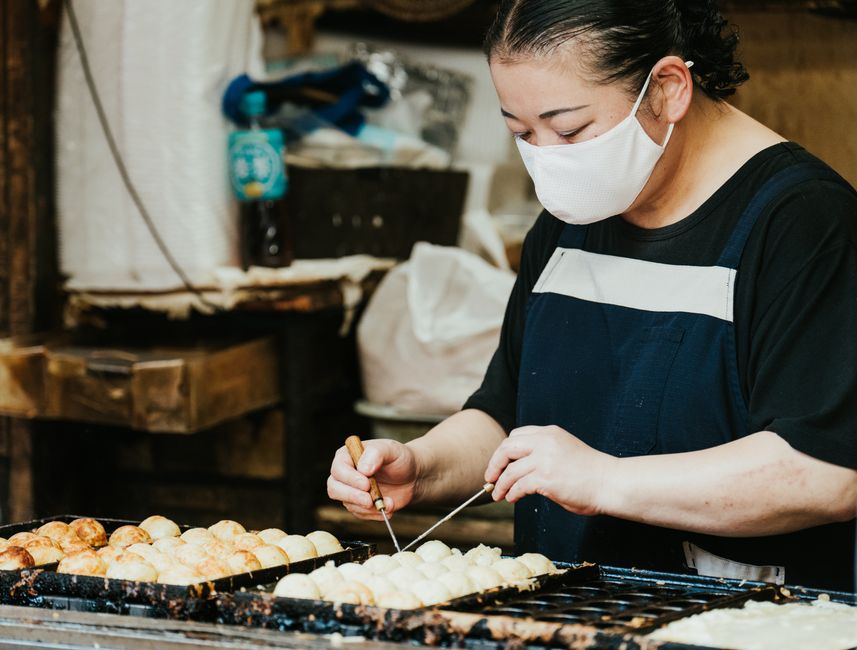
Osaka is known for being slightly cheaper than Tokyo, particularly for food and accommodation. A street food meal (takoyaki, okonomiyaki) costs between 500 and 800 yen. A restaurant meal costs between 800 and 1500 yen. A bento from a konbini costs 400–600 yen.
For accommodation, expect to pay between 3000 and 5000 yen per night in a youth hostel, 6000 to 10000 yen for a capsule hotel or business hotel, and more than 12000 yen for a mid-range hotel. The widest range of options is concentrated in the Namba and Umeda districts.
| Expense category | Price range (yen) |
|---|
| Street food meal | 500 – 800 |
| Restaurant meal | 800 – 1500 |
| Youth hostel (night) | 3000 – 5000 |
| Capsule hotel (night) | 6000 – 10000 |
| Metro journey | 180 – 400 |
| Osaka Castle admission | 600 |
Excursions from Osaka
Osaka is the perfect base for exploring the Kansai region. Kyoto is 15 minutes away by Shinkansen or 30 minutes by local train. Nara, Japan's first capital, can be reached in 30 minutes via the Kintetsu line. Himeji Castle, a UNESCO World Heritage Site, can be visited on a half-day trip from Osaka (approximately 1 hour's travel).
Kobe, famous for its wagyu beef, is 30 minutes away by train. Mount Koya (Koyasan), an important centre of Shingon Buddhism, can be reached in 2 hours via the Nankai line. Wakayama and its temples offer a nature escape less than an hour away.
Safety and precautions
Osaka is a very safe city, with a low crime rate. Pickpockets remain rare, even in busy tourist areas such as Dotonbori. As throughout Japan, respecting etiquette (not eating while walking, speaking quietly on public transport) makes it easier to fit in.
The Kansai region, including Osaka, is located in an active seismic zone. Familiarise yourself with the safety instructions to follow in the event of an earthquake, available in hotels and in our guide to earthquakes in Japan. Buildings are constructed according to strict earthquake-resistant standards.
Language and communication
English is not widely spoken in Osaka, apart from in tourist areas and major stations. Signs on the metro and trains display translations in the Latin alphabet (romaji). Instant translation apps (Google Translate, DeepL) make communication in restaurants and shops easier.
Osaka residents are known for their friendliness and direct sense of humour, contrasting with Tokyo's reserve. Making an effort to greet people in Japanese (« konnichiwa », « arigatō gozaimasu ») is always appreciated.
Nightlife and entertainment
Osaka has a lively nightlife scene centred around the Dotonbori, Namba and Umeda districts. Izakaya (Japanese bar-restaurants) stay open late into the night and offer a friendly atmosphere centred around small dishes and beer or sake. The Shinsekai district retains a retro, down-to-earth atmosphere, with its bright signs and kushikatsu stalls.
Karaoke boxes (« karaoke-kan ») are ubiquitous and often open 24 hours a day. Prices vary depending on the time (cheaper during the day) and generally include unlimited drinks. For video game enthusiasts, arcades (« game centres ») stay open late and offer machines not found in the West.
Frequently asked questions
Is Osaka the capital of Japan?
No, Osaka is not Japan's current capital. The capital is Tokyo. Osaka was nevertheless the imperial capital under the name of Naniwa between the mid-7th and mid-8th centuries, before the court moved to Nara and then Kyoto.
How long do you need to visit Osaka?
Two to three days are enough to discover Osaka's main attractions (the castle, Dotonbori, Shinsekai, Umeda). Allow more time if you want to explore the lesser-known districts, visit Universal Studios Japan or take excursions around the Kansai region from Osaka.
What is the difference between Osaka and Kyoto?
Osaka is a modern, dynamic city known for its cuisine and lively, down-to-earth atmosphere. Kyoto, the former imperial capital, is home to temples, Zen gardens and traditional heritage. The two cities complement each other and are only 15 minutes apart by Shinkansen.
Where can you eat Osaka's best specialities?
Dotonbori is home to iconic takoyaki and okonomiyaki establishments. Kuromon Market has offered fresh seafood, wagyu and street food since 1903. For kushikatsu, head to Shinsekai, a historic district specialising in these breaded skewers.
Is the JR Pass valid in Osaka?
Yes, the JR Pass covers JR lines in Osaka, including the JR Loop Line (Osaka Kanjo-sen) and the Haruka Express from Kansai Airport. It does not cover the municipal metro or private lines such as Kintetsu or Nankai.
Can you visit Osaka without speaking Japanese?
Yes, you can visit Osaka without speaking Japanese. Metro and train signs are translated into the Latin alphabet. Instant translation apps make communication easier. Tourist areas (Dotonbori, the castle, Universal Studios) often have English-speaking staff.