Shirakawa-go: Visit the Gasshō-Zukuri Village
Discover Shirakawa-go, a UNESCO-listed Japanese village with gasshō houses, Alpine scenery and practical advice for planning your visit.
Japan in October is an excellent choice for exploring major cities on foot, discovering temples and adding a mountain escape. The summer heat generally subsides, evenings become cooler and walks are more comfortable. For autumn colours, however, you need to choose your destination carefully: Tokyo and Kyoto do not necessarily show their finest foliage at this time of year.
Japanese autumn begins earlier in the north and at higher altitudes. Nikko, Nagano and certain parts of Hokkaido therefore deserve more attention if colourful landscapes are your main reason for travelling. Their progression nevertheless depends on the conditions that year: no stop guarantees red maple leaves during your visit.
A route between Tokyo and Kansai, complemented by a seasonal excursion, lets you enjoy the month without multiplying your journeys. Leave some flexibility for rain, check conditions before any mountain outing and book sought-after accommodation as soon as your itinerary is settled.
In brief

The weather in Japan generally becomes more pleasant after summer, but October does not offer the same conditions everywhere. Between the Kansai plains, the mountains of Nagano and Hokkaido, clothing needs and outdoor possibilities can change considerably.
In Tokyo, Kyoto, Osaka and Hiroshima, the usual reduction in heat makes long visits less tiring. Gardens, shopping streets and temple complexes therefore return to a central place in your itinerary.
Mornings and evenings may require an extra layer, even after a mild afternoon. A jacket that is easy to remove is therefore more practical than an outfit designed for a constant temperature.
| Destination | Seasonal trend | Useful preparation |
|---|---|---|
| Tokyo and Kansai | Possibly mild during the day, cool in the evening | Adaptable clothing and rain protection |
| Nikko and the Japanese Alps | Cooler conditions at higher altitudes | Warm layer and checking access |
| Hokkaido | More advanced autumn atmosphere | Clothing suitable for cold and wind |
| Okinawa | Generally warmer conditions than on the main islands | Adjust maritime activities to the forecast |
October does not eliminate the risk of bad weather. A spell of rain or a late typhoon can disrupt a sea crossing, a railway connection or an excursion. Check the forecasts and alerts from the Japan Meteorological Agency, followed by information from your transport operator.
In particular, avoid scheduling a ferry-dependent excursion immediately before an international departure. A museum or covered attraction can replace an urban walk; an exposed hike may require a genuine change of plan.
To compare regions, our guide to weather conditions by season in Japan helps you choose a suitable destination. Pack for the planned stops, not just for the month.
Tokyo is well suited to exploring on foot in October, provided you do not turn every day into a journey across the whole metropolis. Grouping Asakusa and Ueno, or Harajuku and Shibuya, limits travel time and leaves room for side streets.
Alternate a busy attraction with a garden, museum or break in a nearby district. This organisation remains pleasant when the sky changes, because it makes it easy to move an outdoor activity.
Our Tokyo guide helps you select areas suited to your interests. For an excursion to Hakone or Mount Fuji, wait for a favourable forecast: an autumn atmosphere does not guarantee a clear view.
Kyoto is worth visiting in October for its heritage, not for a promise of red foliage. The most spectacular colouring often arrives later in urban areas. The gardens are nevertheless interesting for their compositions, moss and views.
Fushimi Inari, Higashiyama and Arashiyama remain highly sought-after places. Visit them early when access conditions allow, then continue in a nearby area rather than making numerous connections.
To plan your days, consult the districts and attractions in our Kyoto guide. Japanese temples are not merely backdrops: respect prayer areas and local instructions concerning photography.
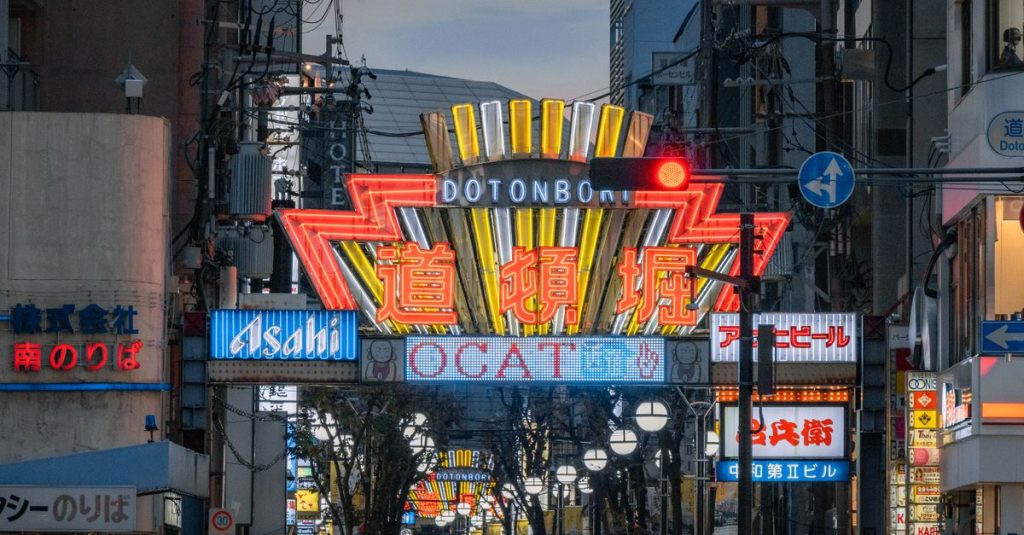
Osaka suits a stay focused on food, lively districts and excursions in Kansai. Nara, Himeji and Kobe can round out the itinerary, but it is better to choose according to your interests than try to add everything.
Hiroshima is another possible stop if your route heads west. Use our guides to Osaka and Hiroshima to build coherent days: October’s comfortable conditions are most useful on itineraries that leave time at each stop.
When looking for autumn leaves, latitude is not the only decisive factor: altitude also matters. A nearby valley, plateau and summit may show very different landscapes at the same time.
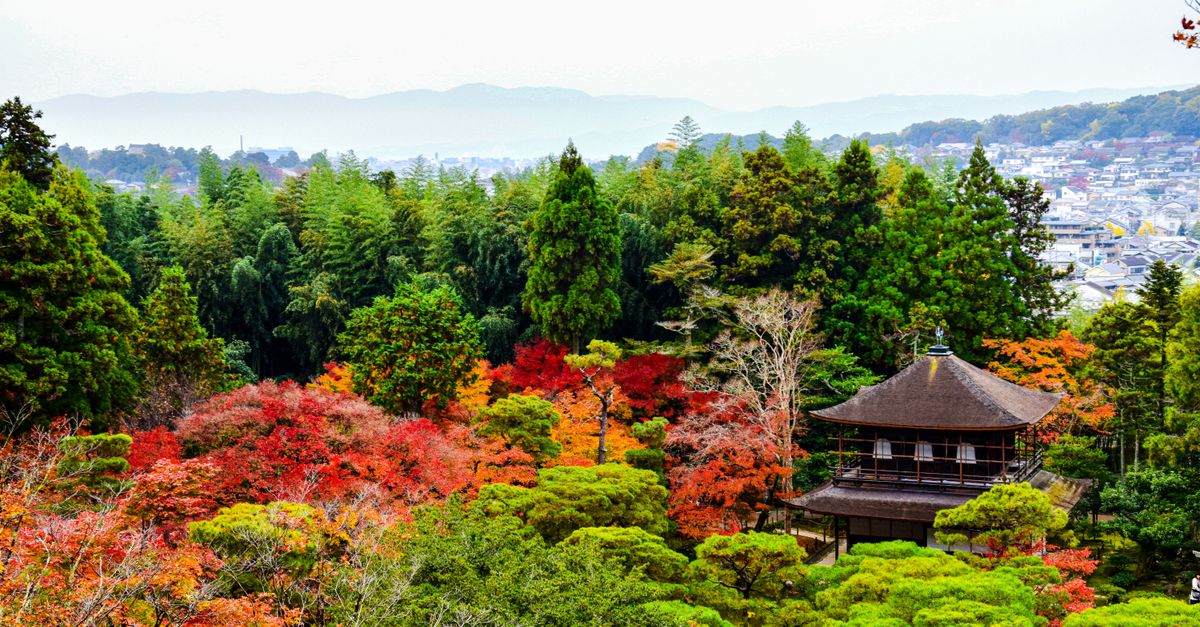
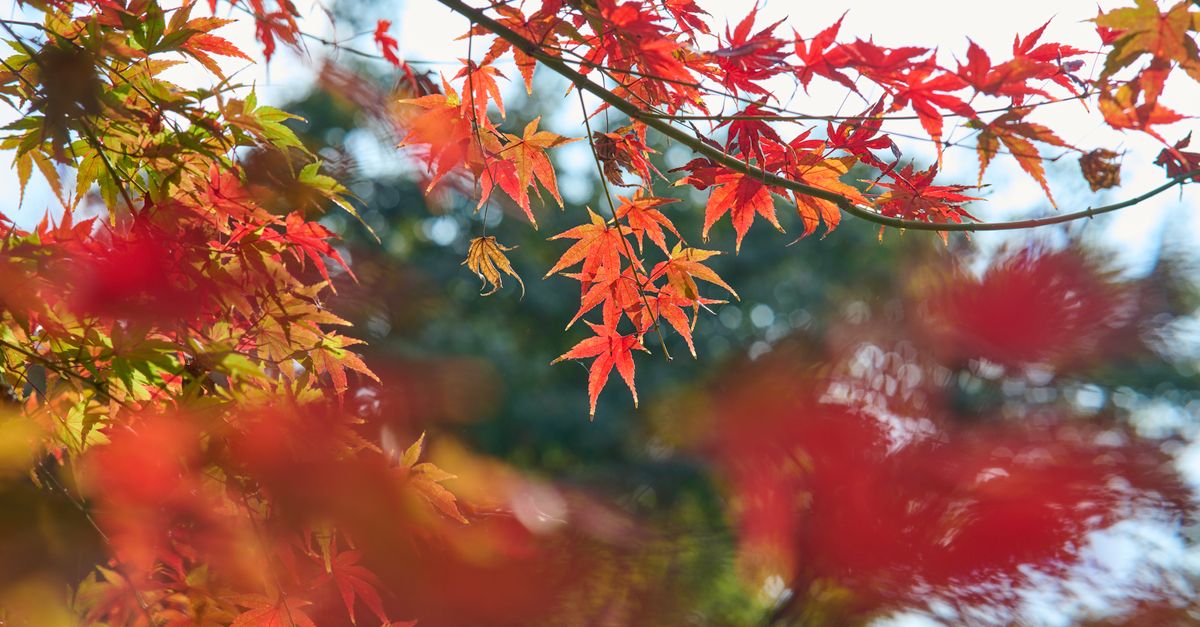
The term koyo refers to the autumn colouring of foliage, while momiji refers to Japanese maples. The spectacle is therefore not limited to red: yellow and copper shades also contribute to the seasonal landscapes.
Nikko is a relevant option for combining heritage and nature from the capital. You should nevertheless distinguish between the shrines and the higher areas around Lake Chuzenji: conditions and the progress of the colours are not identical.
Plan realistic local travel, particularly when tourist roads are busy. An itinerary focused on the shrines requires a different organisation from an outing to the lakes and waterfalls.
Nagano and the Japanese Alps also make it possible to introduce a mountain stop. Choose a specific valley or area, then check access with the tourist office and the operators concerned.
Hokkaido in autumn requires more than a hastily added extension. The distances, cooling temperatures and journeys to natural areas justify an itinerary built around the region.
Higher areas can quickly develop cold conditions. Check local information about the foliage, but also the state of roads and trails: beautiful colours alone do not make an excursion suitable.
Kanazawa can provide a cultural stop between major bases, without guaranteeing early colours. Similarly, staying in Takayama does not mean that the townscapes and nearby mountains will be at the same stage.
Our guide to the best time to visit Japan helps put these expectations into the context of the year. Choose a place that interests you even if the trees remain partly green.
Tip: set up a Japan eSIM before departure so your data works on arrival.
Autumn festivals offer access to traditions that are not revealed by a simple monument visit. In Takayama, the seasonal festival is notably associated with elaborately decorated floats; in Kyoto, the Jidai Matsuri showcases representations of different historical periods.
Before organising your stay around these events, check the calendar, times and arrangements with the organisers. Some outdoor activities may be altered by the weather.
Accommodation close to popular events should be booked in advance. Learn more about these celebrations in our guide to matsuri and Japanese festivals, then plan your stop with our Takayama guide.
A hike in Japan in October may be a walk around a lake or a considerably more demanding route. Do not choose a trail based solely on photographs: elevation gain, ground conditions, return transport and weather should guide your decision.
In the mountains, bring protection from wind and rain, a warm layer, water and an itinerary accessible offline. Check closures with the local manager and turn back if conditions exceed your equipment or experience.
Chestnuts, mushrooms, sweet potatoes and persimmons are among the flavours associated with this time of year. Their availability varies according to the region and establishment: seasonal menus are more useful than a list of specialities you absolutely must find.
A chestnut dessert or mushroom rice dish can punctuate a day of sightseeing. Our guide to Japanese cuisine helps you explore these preparations: autumn can also be discovered at the table, regardless of the colour of the trees.
For a first trip, Tokyo, Kyoto and Osaka form a straightforward base, complemented by a chosen excursion. Nikko works well as an extension from Tokyo; Nagano and the Japanese Alps require closer examination of connections.
Do not combine destinations solely to increase your chances of seeing red maples. Every hotel change takes time, and an isolated stop can make the journey heavier without improving the experience.
Consult our guide to a first trip to Japan and our guide to Japanese transport. Check updated timetables directly with operators before fixing a distant excursion.
October does not guarantee a cheaper trip. Festivals, popular mountain destinations and local demand can affect accommodation prices. Compare cancellation conditions as well as the advertised rate.
For trains, assess the tickets you actually need before buying a pass. The Japan Rail Pass should match your real journeys; check its prices and conditions with its official distributor.
Our guide to the Japan travel budget helps distinguish transport, accommodation and daily expenses. Also check formalities with the relevant Japanese authorities, according to your nationality and the purpose of your stay.
Pack shoes you have already worn in, breathable clothing, a jumper and compact rain protection. Add warmer layers for Hokkaido or higher ground rather than overloading your entire suitcase. Our guide to choosing a travel bag for Japan can help you prepare.
For a SIM card or eSIM, check your phone’s compatibility and the advertised coverage in the regions you will visit. Download bookings and useful maps: a mobile connection does not replace documents accessible offline. See our guide to internet connectivity in Japan before you leave.
Yes, particularly for urban and cultural visits, which are generally more comfortable than in the middle of summer. Nevertheless, expect some rain and keep your excursion plans flexible.
It is occasionally possible, but October does not guarantee the city’s finest colours. The peak often comes later; prioritise the heritage and gardens without relying on the foliage.
The northern regions and higher-altitude areas are the most relevant options, particularly Hokkaido, Nikko and the mountains of Nagano. The progression varies according to the location and the conditions that year.
Pack layers for the evenings, and warmer clothing for the north or mountains. Rain protection and comfortable shoes remain useful throughout the route.
To book tours and activities in Japan ahead, see the options on Klook.
Updated on 14/11/2026
Scroll to see more articles →