Why visit Takayama
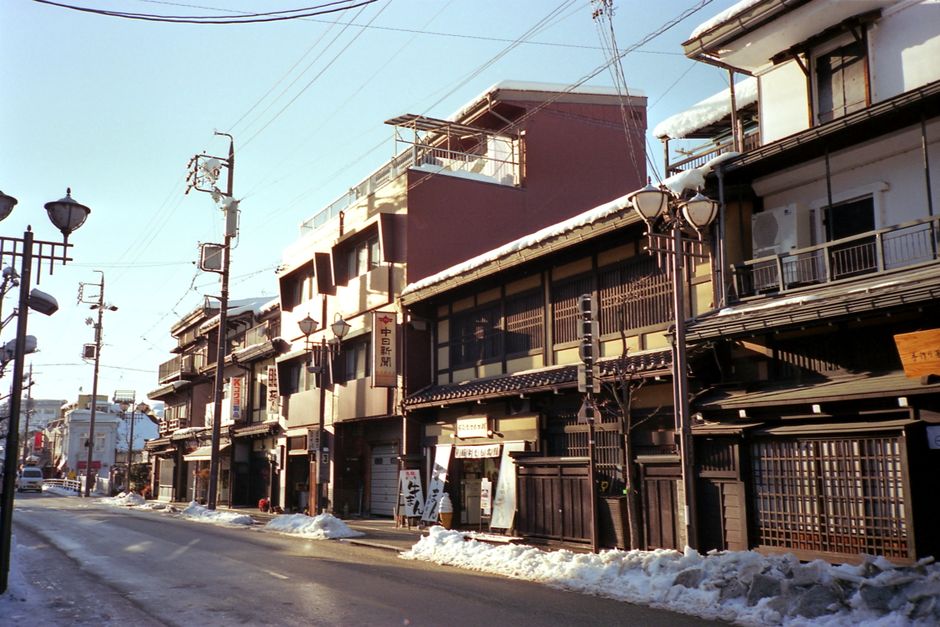
Takayama offers an authentic immersion in traditional Japan, preserved since the Edo period. Unlike the major cities, the town has retained its historic character thanks to its geographical isolation in the Hida mountains. You will find cobbled streets lined with machiya, artisan sake breweries, and a peaceful atmosphere that contrasts with Tokyo or Osaka.
The city also provides a strategic base for exploring the Japanese Alps and the UNESCO-listed village of Shirakawa-gō, located less than an hour away. Culture enthusiasts will appreciate the craft museums, lacquerware workshops and mechanical puppet demonstrations. To explore this mountainous region in greater depth, see our full Japanese Alps itinerary.
Best time to visit
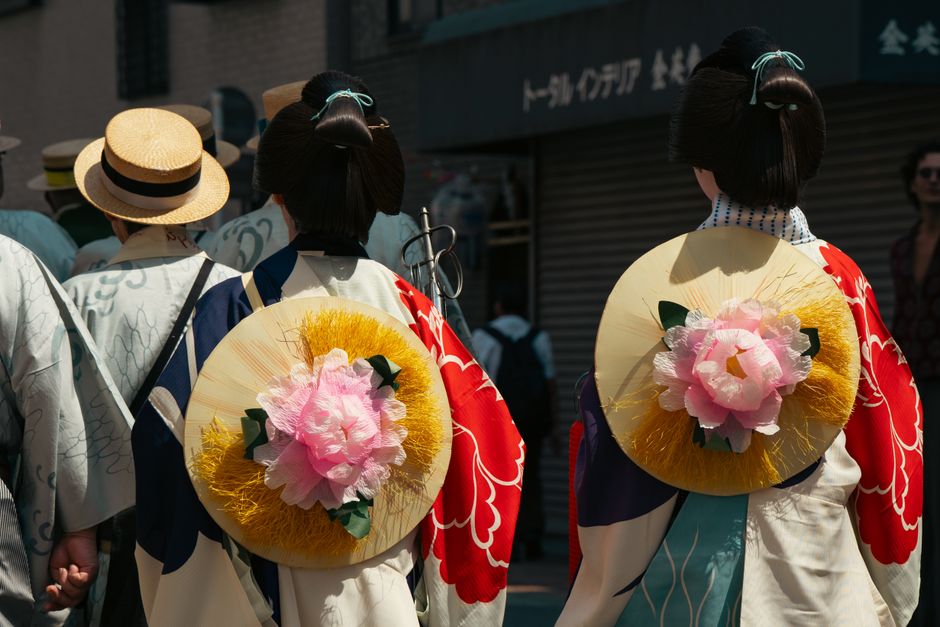
Spring and autumn are the ideal seasons. In April, the Sannō Matsuri coincides with the cherry blossom season in the surrounding mountains. In October, the Hachiman Matsuri takes place during momiji, when the maple leaves turn fiery shades. Winter transforms Takayama into a picturesque snow-covered village, but some mountain roads may be closed.
Summer remains pleasant thanks to the altitude, with cooler temperatures than in the lowlands. Avoid festival weekends if you are looking for peace and quiet, as the city then welcomes several hundred thousand visitors. Weekday mornings, particularly at the Asaichi market, offer the most authentic experience.
Tip: set up a Japan eSIM before departure so your data works on arrival.
Planning your stay in Takayama
Allow at least two days to explore the old town and its surroundings. A three-day stay gives you time to add a trip to Shirakawa-gō or a hike in the Alps. The historic centre is easy to explore on foot, while a bus network serves Hida-no-Sato and the outlying sights.
For accommodation, the Sanmachi-suji district offers traditional ryokans in historic buildings. Book several months in advance for festival periods. You will find detailed recommendations in our selection of hotels in Takayama. Prices vary according to the season, with peaks in April and October.
Indicative budget
| Category | Range | Notes |
|---|
| Accommodation | Variable | Traditional ryokan or hotel, according to preference |
| Meals | Moderate to high | More expensive Hida beef specialities |
| Local transport | Low | Town centre accessible on foot |
| Museums and sights | Moderate | Individual admission fees for each attraction |
Trips from Takayama
Shirakawa-gō is the must-see excursion, with its gasshō-zukuri houses listed as World Heritage. The bus journey takes 50 minutes and offers spectacular views over the valleys. Some visitors combine Shirakawa-gō with Gokayama, another traditional village that is less crowded.
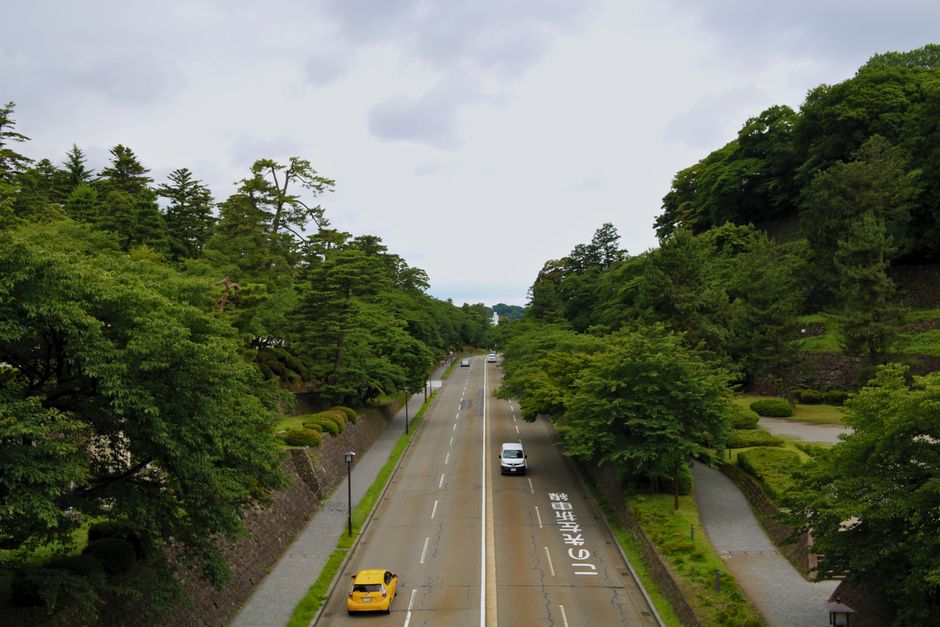
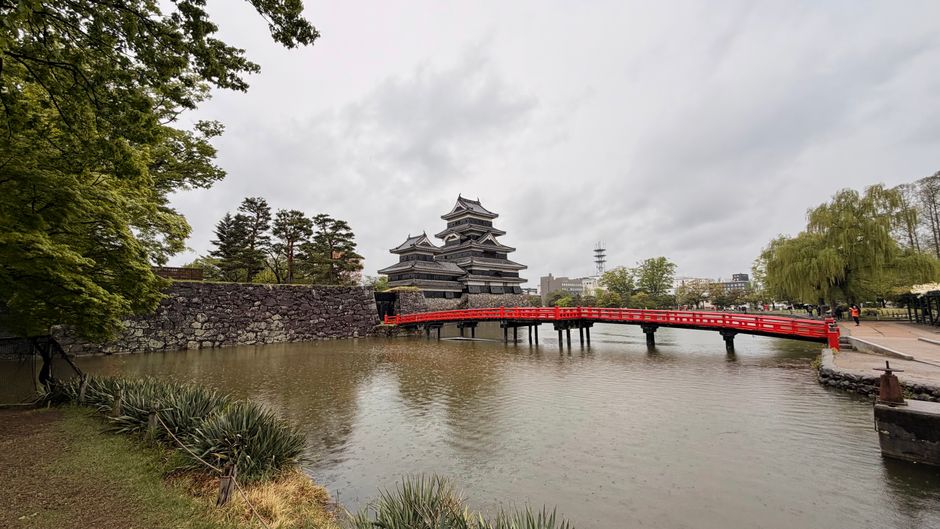
To the north, Kanazawa can be reached by direct bus or via Toyama. This port city is home to Kenroku-en Garden and the Higashi Chaya geisha district. To the south, Matsumoto and its black castle are a logical stop on a Japanese Alps itinerary. The Wide View Hida train passes through remarkable mountain scenery.
Popular combined itineraries
Many travellers include Takayama in an itinerary linking Tokyo and Kyoto via the Japanese Alps. A classic route includes Tokyo, Matsumoto, Takayama, Shirakawa-gō, Kanazawa and then Kyoto. This circuit allows you to discover rural and mountainous Japan between two major cities, using the JR Pass to optimise transport costs.
For hiking enthusiasts, Kamikōchi (accessible by seasonal bus from Takayama) offers spectacular alpine trails. The city of Toyama is also a gateway to the Tateyama-Kurobe Alpine Route, which can be visited from April to November depending on snowfall.
Understanding Takayama's history
Placed under the direct authority of the Tokugawa shogunate from 1692, Takayama developed its prosperity through the timber trade and craftsmanship. Takayama Jinya, the only surviving administrative building from the Edo period, bears witness to this era. The Hida carpenters (Hida no Takumi) were renowned throughout Japan for their technical expertise.
This historical wealth explains the exceptional quality of the festival floats and the well-preserved architecture. Merchant families invested in refined residences, some of which can still be visited today. The city's geographical isolation protected it from the destruction of the Second World War and the rapid post-war urbanisation.
Local traditions and crafts
Takayama preserves several traditional skills. Hida lacquerware (Hida Shunkei-nuri) is distinguished by its transparency, which reveals the grain of the wood. Workshops offer demonstrations and everyday objects such as bowls, trays and chopsticks. Yosegi-zaiku (marquetry) produces complex geometric patterns assembled without glue.
Sarubobo dolls, faceless red talismans, symbolise the region. Their name means “baby monkey” in the local dialect. They come in different colours according to the wishes they represent: red for love, yellow for fortune and green for health. The shops of Sanmachi-suji sell them in all sizes, from key rings to decorative versions.
To better understand these traditions in their cultural context, our guide to Japanese customs offers useful insights. Takayama's festivals perfectly illustrate the continuity of ritual and community practices.
Gastronomy beyond Hida beef
While Hida beef attracts much of the attention, the local cuisine offers other lesser-known specialities. Hoba miso, served on a grilled magnolia leaf, accompanies mountain mushrooms and local vegetables. Sansai (edible wild plants) harvested in spring add distinctive bitter flavours.
Takayama ramen is distinguished by its clear chicken- and vegetable-based broth, flavoured with soy sauce. The thin, curly noodles absorb the broth well. Several establishments that are over a century old continue to serve family recipes. In the morning, the Asaichi market offers homemade pickles, fresh tofu and rice cakes (mochi) prepared in front of you.
Sake tasting
The six historic breweries of Sanmachi-suji open their doors for free or low-cost tastings. Pure Alpine water and local rice produce sake renowned for its delicacy. Each brewery develops a distinct aromatic profile: some favour fruity sweetness, while others prefer mineral dryness.
Guided tours (in Japanese, sometimes in English) explain the fermentation process and the importance of koji (a fungus). You can buy bottles that are unavailable elsewhere, sometimes limited-edition brews reserved for local sale. Respect the quantities during tastings and prioritise quality over quantity.
Practical tips for your visit
Arrive early in the morning to enjoy the Sanmachi-suji district before the tourist crowds arrive. Shops generally open around 9 am, but the Asaichi market starts as early as 7 am. In the late afternoon, after the groups have left, the atmosphere becomes peaceful again and ideal for a leisurely stroll.
Hire bicycles at the station to explore the surrounding area: outlying temples, terraced rice fields and country lanes. Several signposted routes allow you to discover the Hida countryside. In winter, check the weather conditions before venturing outside the town centre.
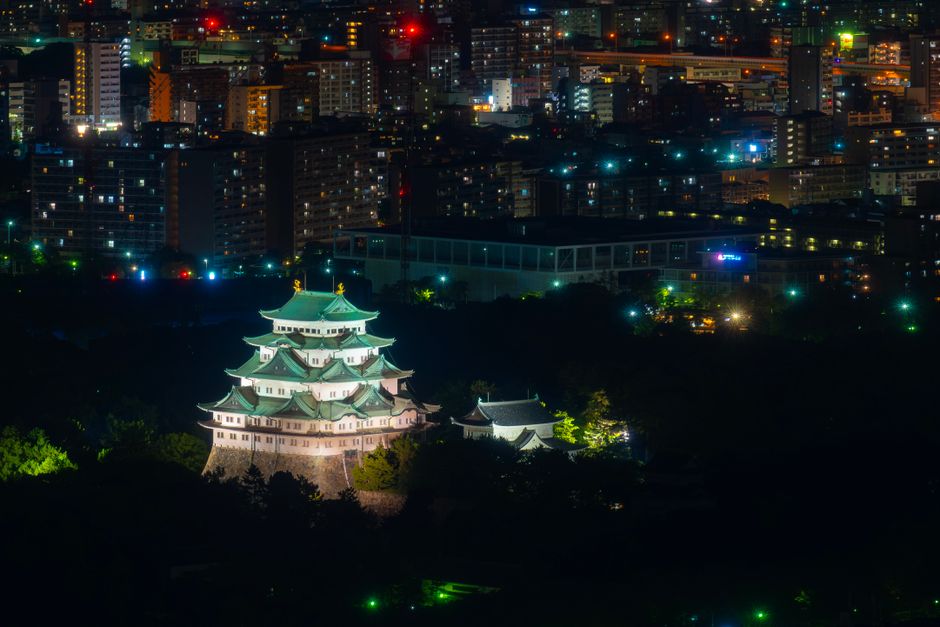
For festival periods, book your accommodation at least six months in advance. Hotels sell out and charge higher rates. If you cannot find anywhere in Takayama, look in nearby towns accessible by train. Some visitors opt for a day trip from Nagoya or Kanazawa, but this greatly limits the experience.
Frequently asked questions
How long do you need to visit Takayama?
Two days are enough to discover the historic Sanmachi-suji district, the main museums and the morning market. Add a day to visit Hida-no-Sato and Shirakawa-gō. Three days allow you to explore the region without rushing and enjoy its peaceful atmosphere, especially if you visit outside the festival period.
Can you visit Takayama in one day from Tokyo?
Technically possible, but not recommended. The journey from Tokyo takes around four hours (Shinkansen followed by a regional train). A flying visit does not give you time to appreciate the town’s unique atmosphere or discover its surroundings. Plan to spend at least one night there for a satisfying experience and to make the travel time worthwhile.
When are the Takayama festivals held?
The Sannō Matsuri takes place on 14 and 15 April, and the Hachiman Matsuri on 9 and 10 October. These dates are fixed every year. Floats parade through the streets of the historic district and are lit up at night during the autumn festival. Arrive the day before to secure accommodation and make the most of the festivities.
Does the JR Pass cover the journey to Takayama?
Yes, the JR Pass fully covers JR trains to Takayama, including the Shinkansen to Toyama or Nagoya and the Limited Express Wide View Hida. However, the Nohi bus to Shirakawa-gō is not covered. The JR Pass becomes worthwhile if you combine Takayama with other destinations on your itinerary.
Where can you try Hida beef in Takayama?
Many restaurants in the Sanmachi-suji district serve Hida beef in various forms: sushi, yakiniku (grilled meat), sukiyaki or street-food croquettes. Prices vary considerably depending on the preparation and cut. Check local reviews or ask your accommodation for recommendations to identify well-regarded places within your budget.
Is Takayama accessible in winter when there is snow?
Yes, the town remains accessible all year round. Trains run normally and the town centre is cleared of snow regularly. Winter offers a magical atmosphere, with snow-covered roofs and fewer tourists. Bring warm clothes and non-slip shoes. Some mountain roads to outlying sites may be temporarily closed during heavy snowfall.