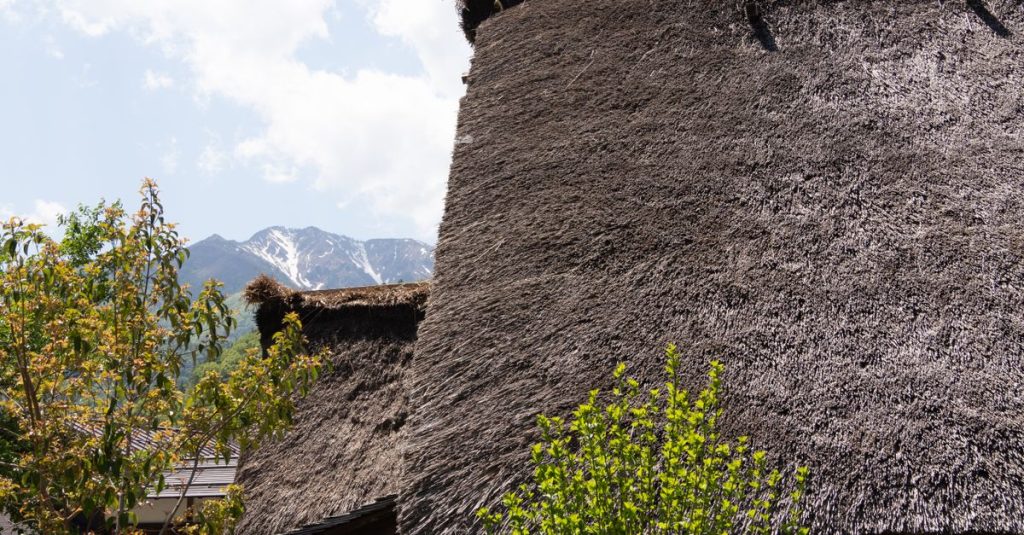
Shirakawa-go: Visit the Gasshō-Zukuri Village
Discover Shirakawa-go, a UNESCO-listed Japanese village with gasshō houses, Alpine scenery and practical advice for planning your visit.
Staying with locals in Japan lets you discover ways of life that are often missed during hotel stays, but these terms refer to different experiences. A minshuku is a small inn often run by a family, a homestay in Japan generally means staying in a household, while a shukubō is accommodation in a Buddhist temple. The right choice therefore depends less on a promise of authenticity than on the type of contact you are looking for, the setting and the rules specific to each place.
These stays can offer genuine cultural immersion: shared meals, removing your shoes at the entrance, set schedules or discovering the customs of a Japanese home. However, they do not guarantee constant conversation or a programme of activities. To make the most of this local experience, it is best to understand in advance what is included, how the accommodation works and how much interaction the host would like to have.

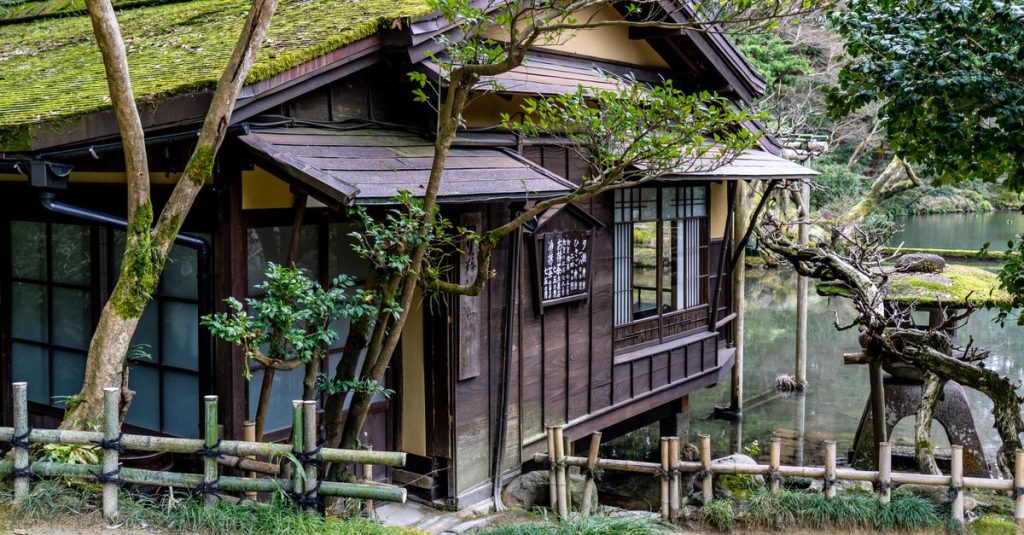
A minshuku is a small-scale accommodation business, generally run by private individuals or a family. It welcomes travellers in a simpler setting that is closer to local life than a large hotel. Rooms may be furnished in Japanese style, with tatami and futons, but the layout and level of comfort vary from one property to another.
A minshuku should not be confused with a room rented inside the host’s own home. The establishment may be family-run without guests sharing living areas with the owners. When meals are offered, they are often a way to discover the region’s produce and eating habits; their availability and contents should nevertheless be checked before booking.
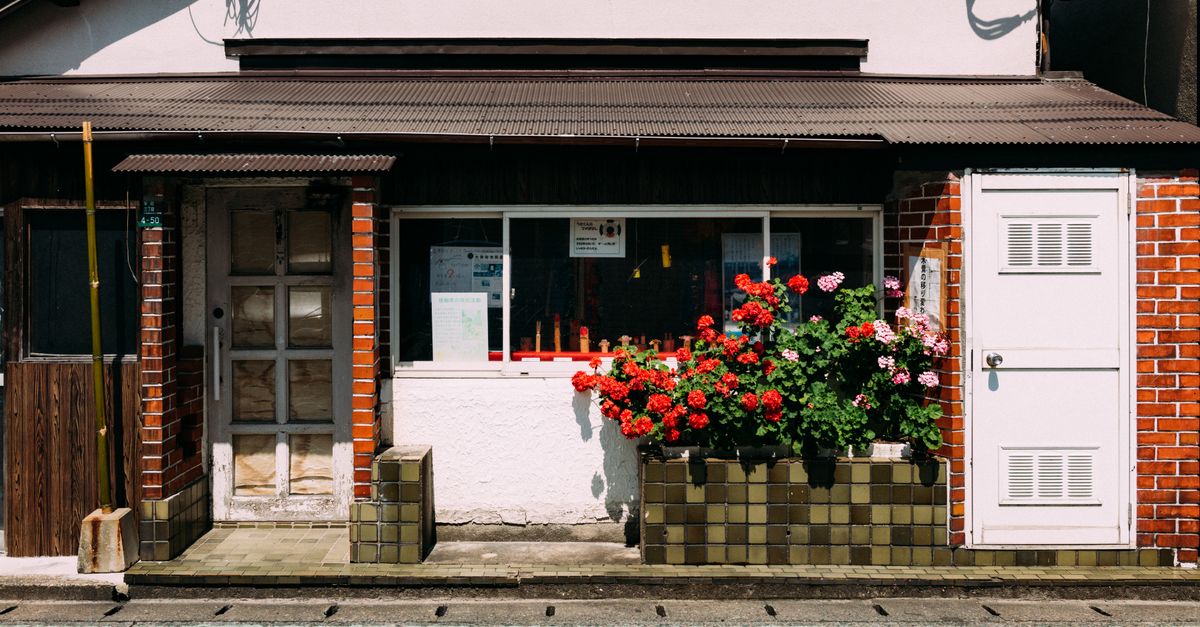
A minshuku generally has a family atmosphere and a simpler operation than a ryokan, a traditional inn that may offer more structured services. This distinction is not an absolute guarantee of comfort: each establishment sets its own level of service. Photos, equipment descriptions and recent reviews can help prevent mismatched expectations.
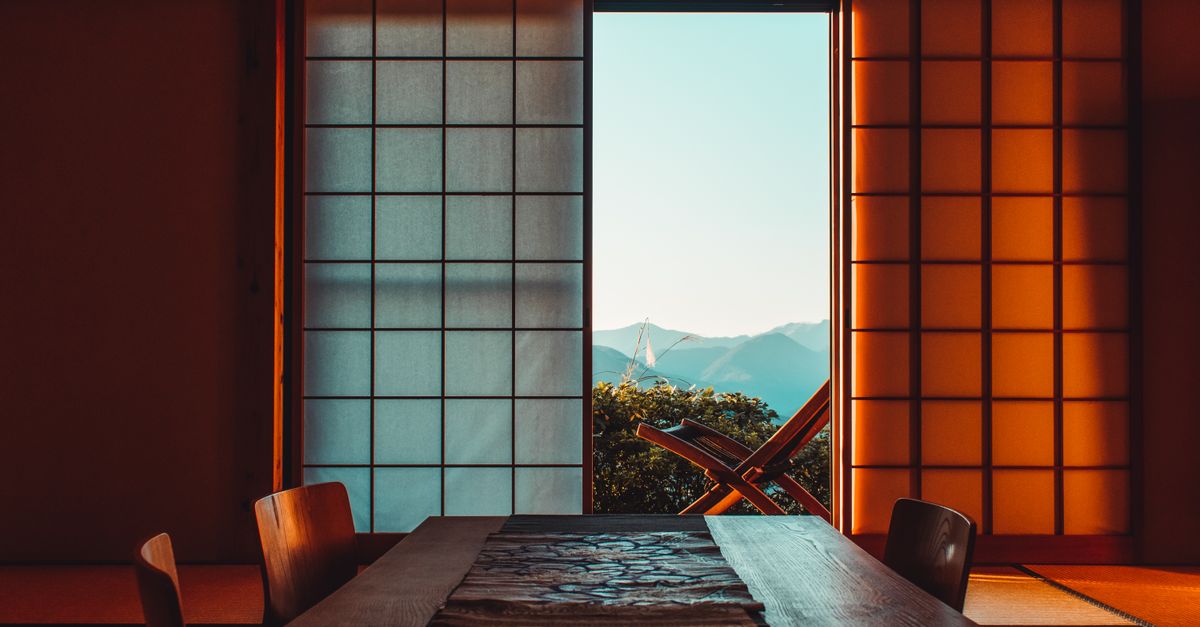
In a traditional house, the bathroom may be shared and the toilet separate from the bedroom. The futon is placed on the tatami, sometimes after dinner, and you must remove your shoes at the entrance or in certain designated areas. These details are part of the traditional stay, but they can be surprising if you expect the standardised facilities of a hotel.
A minshuku suits people looking for characterful accommodation, particularly in rural areas, mountain regions or near the coast. It can also appeal to travellers who want to try home cooking without arranging every meal outside. To choose between different stops, this guide to accommodation and traditions in Japan helps place these options in their cultural context.
The personal dimension depends on the property and the host’s availability. Some owners are happy to chat with their guests, while others prefer to offer a more discreet welcome. A minshuku mainly promises a more intimate scale, not a personal relationship every time.
A homestay means staying with a family or private individual, with a room in the home or in an adjoining space. Depending on the agreement, the traveller may share certain meals or communal areas, or may instead have a more independent room. The term therefore does not describe a single model: read the description carefully and ask questions before committing.
This option encourages you to observe everyday life, from mealtime habits to how the home is organised. It can suit a longer stay, language learning or anyone looking for regular interaction. Family life does not automatically become a sightseeing programme, however: hosts have their own obligations and travellers must respect their routine.
Before booking, ask which rooms are accessible, whether meals are included and whether the family wants to spend time with its guests. Also explain your level of Japanese or English and mention any important dietary requirements. A simple conversation beforehand reduces misunderstandings, especially when the accommodation is far from shops or transport.
Privacy should also be discussed. Some families offer a private room, but areas such as the kitchen, bathroom or living room remain shared. For a first experience, it is better to choose a listing that clearly describes these boundaries than to assume that practices will be the same in every household.
Removing your shoes at the entrance, letting your hosts know if you are delayed and asking before photographing family members are appreciated gestures. It is also useful to follow instructions concerning waste sorting, bathing and the use of appliances. These rules are not mere formalities: they show consideration for the home and for Japanese hospitality.
A successful homestay is based on a balanced exchange. A small effort to communicate, even with limited vocabulary, often matters more than perfect language skills. To explore traditional housing customs further, also see this guide to Japanese accommodation and customs.
A shukubō is accommodation associated with a Buddhist temple. Historically connected with welcoming pilgrims and visitors, it now offers a distinctive way to stay in a religious setting. The surroundings may be quiet and secluded, but conditions vary between temples: some welcome travellers broadly, while others arrange a more structured stay.
A night in a shukubō may include a vegetarian meal inspired by Buddhist cuisine, sometimes called shōjin ryōri, or provide access to activities linked to the temple’s routine. You should not assume, however, that taking part in a ceremony or religious practice is automatic. Services differ between establishments and must be confirmed when booking.
A shukubō is not simply a Japanese inn with an antique-style interior. Some areas may have a spiritual function and may not be open to visitors. Follow the staff’s instructions, speak quietly in places of worship and ask before taking photographs.
Schedules may differ from those of a conventional hotel, particularly when the temple organises activities early in the morning. Check the accepted arrival time, access to meals and the arrangements for locking the doors. The peacefulness of the setting is part of the experience; in return, it requires particular consideration for the shared routine.
To get online as soon as you land, a Japan eSIM can be installed before you leave, with no need to look for a local SIM card.
To compare these options, start with your priorities: interaction with a family, the simplicity of an inn, a spiritual setting or discovering a less-visited region. The name shown in a listing is not enough to determine the level of privacy, services or comfort. Reading the conditions carefully helps you choose accommodation that fits your itinerary.
| Type of stay | Typical setting | What to check |
|---|---|---|
| Minshuku | Small inn run by private individuals or a family | Meals, bathroom, bedding and shared areas |
| Homestay | Accommodation within a household or in an adjoining part | Degree of sharing, schedules and the family’s expectations |
| Shukubō | Accommodation connected with a Buddhist temple | Rules of the site, meals, activities and arrival time |
Check the booking and cancellation conditions, the exact location and how to reach the accommodation. In a rural area, getting there may require special planning; do not rely on schedules or services that are not explicitly stated. As practical information can change, check it with the establishment before leaving.
You can send a few short questions: is dinner offered, should you bring toiletries, and does the room have storage space? This conversation also shows that you understand that staying with locals involves shared rules rather than a standard hotel service.
Customs differ from one household to another, but several habits are useful: respect the rules for indoor shoes, keep shared areas clean and ask before using equipment. If an instruction is unclear, it is better to ask than to guess. Hosts generally appreciate a considerate attitude, without expecting travellers to know every custom perfectly. You can also review this guide to Japanese customs before your stay.
Punctuality matters when a meal or arrival has been agreed for a specific time. If you are delayed, let your hosts know as soon as possible. For meals, report allergies and dietary restrictions in advance: traditional cuisine may contain ingredients that are difficult to identify, and adaptations are not always possible at the last minute.
Finally, keep your expectations realistic: a local experience is built through the details of everyday life, not necessarily through an exceptional activity. Whether you choose a minshuku, a homestay or a shukubō, the key is to select a suitable place and treat its rules as an integral part of the journey. For another traditional option, see our guide to staying in a ryokan.
A minshuku is a small inn often run by a family. A homestay takes place in a household or part of one, with the degree of sharing depending on the host.
Some temples welcome travellers, but conditions vary. Check the access rules, schedules, meals and activities directly with the establishment.
Not always. It is useful to check which languages are used for communication and prepare essential questions about arrival, meals and house rules.
No. The availability and type of meals depend on the establishment and the offer booked. Check the conditions before confirming your stay.
To book tours and activities in Japan ahead, see the options on Klook.
Updated on 04/11/2026
Scroll to see more articles →