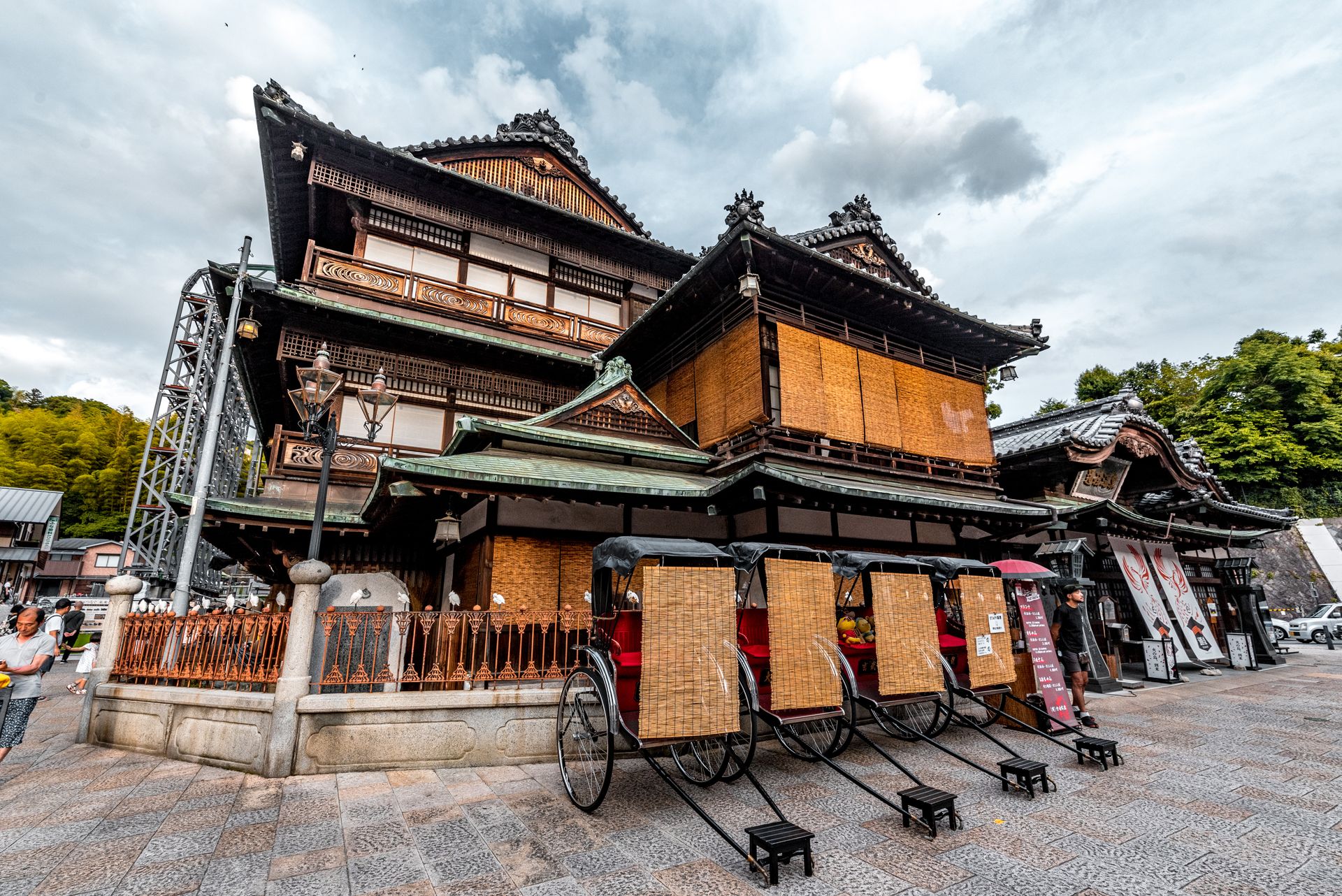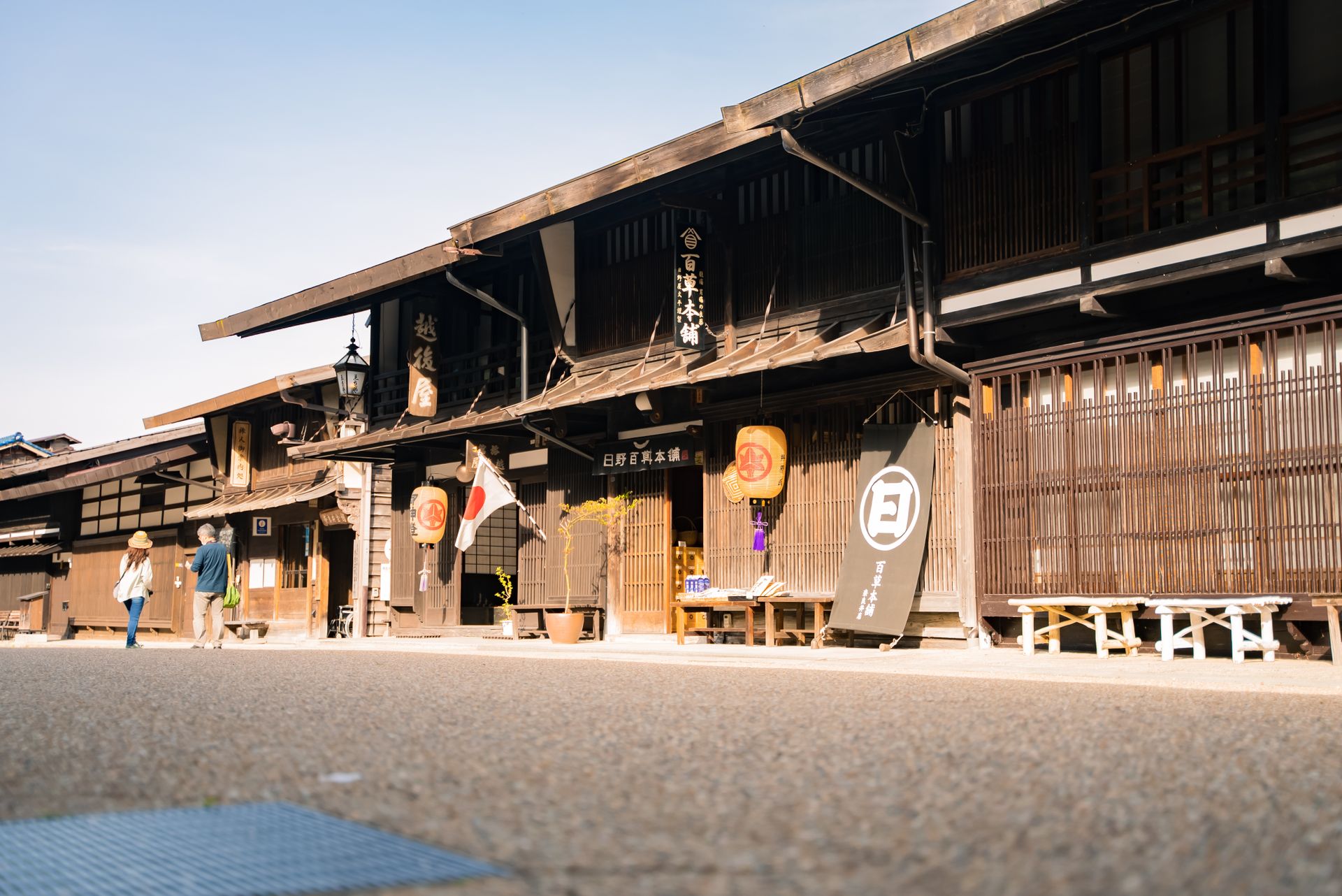
Interior of a traditional ryokan overlooking a garden
Cultural Immersion

The Art of Living at the Heart of Japanese Tradition

Discover the perfect harmony between nature, architecture and hospitality. In 2026, staying in traditional accommodation remains the most authentic gateway to the soul of Japan.

Staying with a local in Japan allows you to discover typical accommodation and, depending on the option chosen, share the daily life of a family or local host. You can opt for a family guesthouse, a homestay or a traditional house. Before booking, check which meals are included, the house rules, the bathroom arrangements and whether you can communicate in a language you are comfortable with.

The minshuku is ideal for those seeking a family atmosphere, while a homestay offers more day-to-day interaction. A machiya or traditional house is primarily a way to discover Japanese architecture. For your first experience, choose accommodation whose description clearly specifies the private areas and the times you will spend together.

eSIM: online on arrival

The Essence of Traditional Housing

More than just a roof, the Japanese house is an ecosystem designed for inner peace and a connection with the seasons.

Tatami

The unit of happiness. Made from pressed rice straw and rush, it regulates humidity and gives off a uniquely soothing scent. Tatami should only be walked on in socks or barefoot.
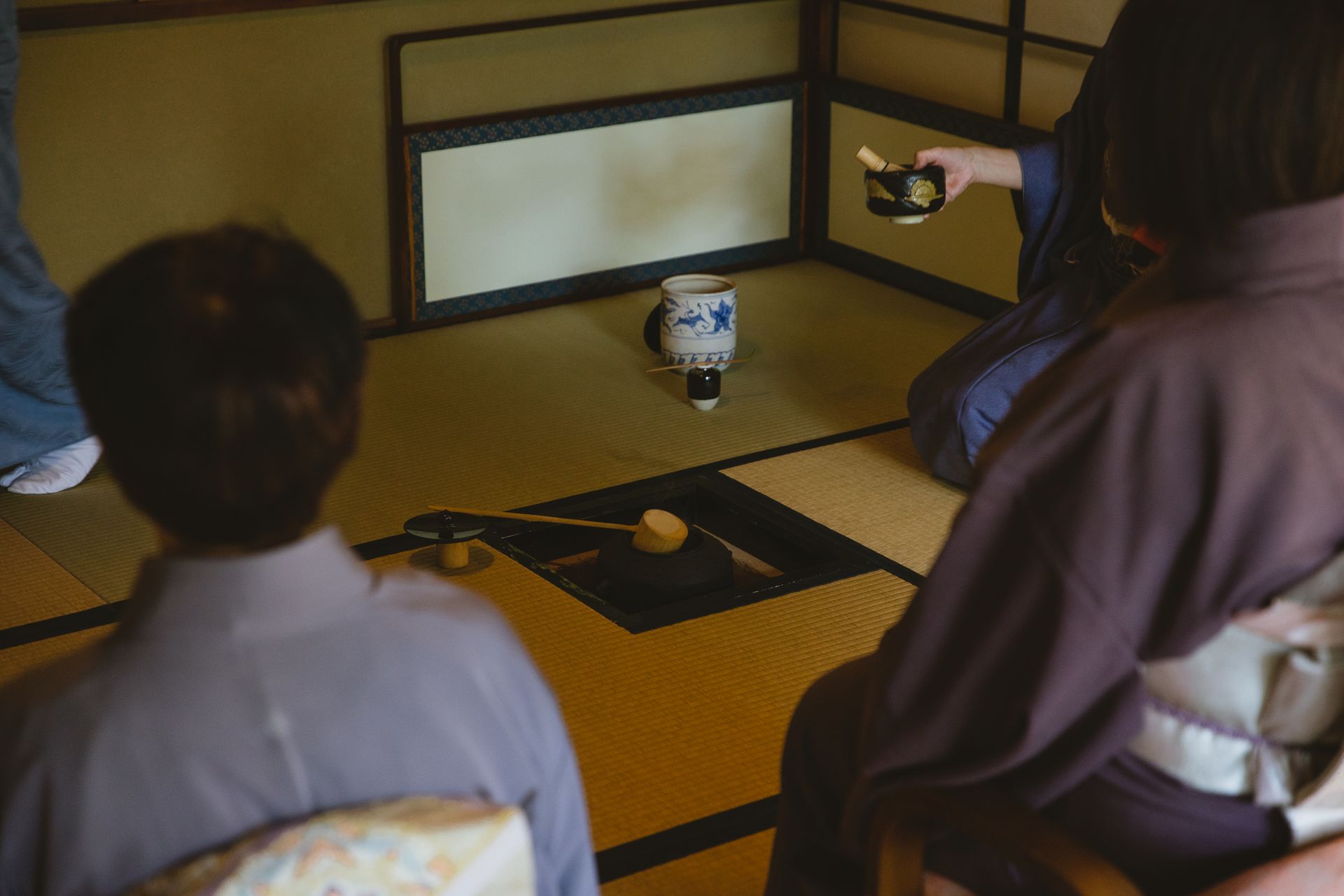
Close-up of the texture of a tatami mat

Shoji & Fusuma

Paper partitions and sliding doors transform the space. Shoji screens let in soft light, while Fusuma separate rooms elegantly.

Shoji paper screen

Engawa

This wooden veranda connects the interior with the garden. It is the perfect place to watch the rain or enjoy green tea.
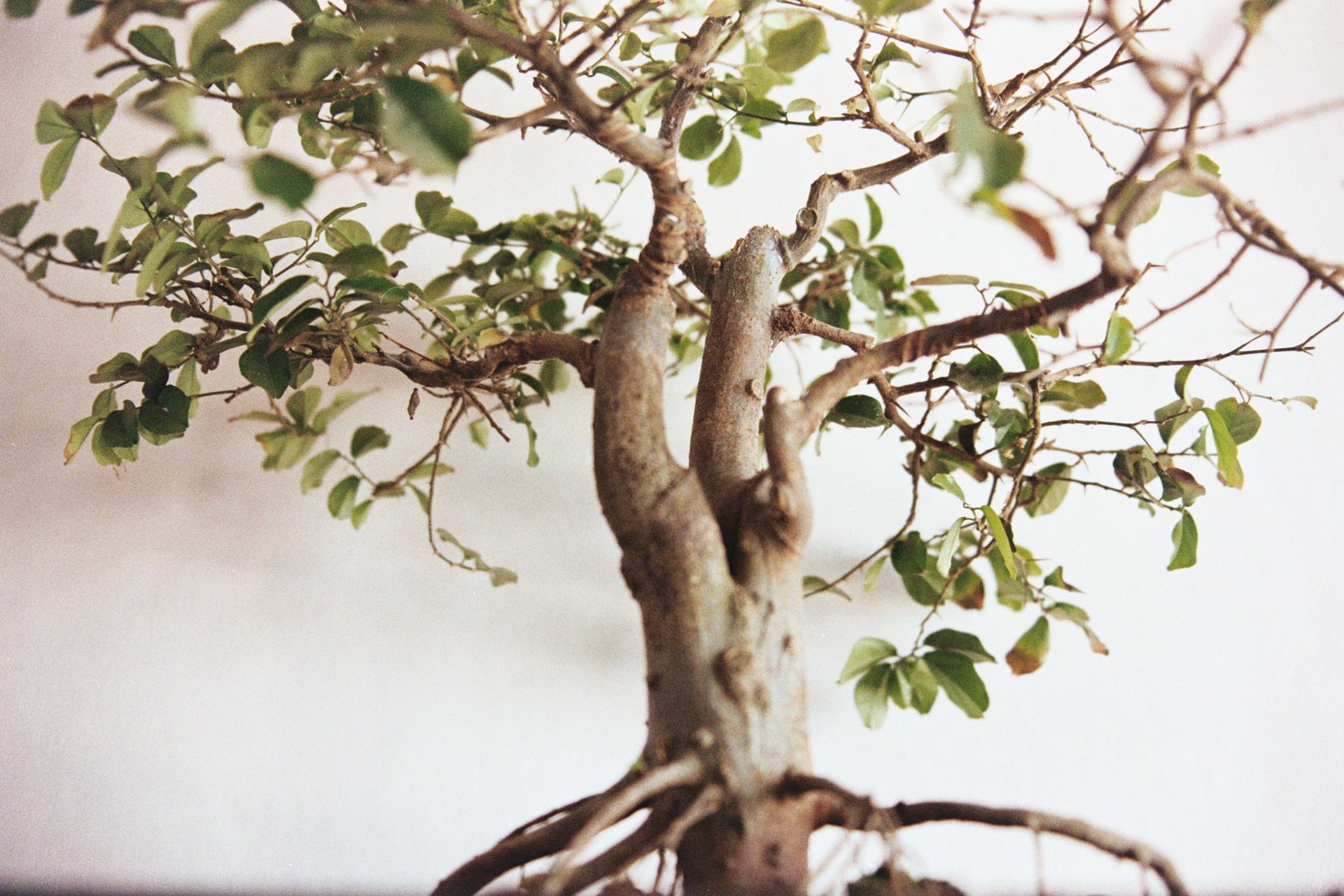
Bonsai in a tokonoma

Tokonoma

The house’s sacred alcove. A piece of calligraphy or a floral arrangement (Ikebana) reflecting the current season is displayed there.

Futon

Laid out in the evening and put away in the morning. A thousand-year-old space-saving solution that ensures restorative sleep.

The Ryokan: The Traditional Inn at Its Finest

A ryokan is not simply a hotel; it is a cultural institution. As soon as you arrive, you take off your shoes at the Genkan and enter a world governed by Omotenashi (Japanese hospitality). You will wear a Yukata, enjoy refined Kaiseki cuisine and make use of the hot-spring baths.

  • ✔ Gastronomic immersion with dinner served in your room.
  • ✔ Priority access to Onsens (hot springs).
  • ✔ Personalised service from a Nakai-san (your dedicated host).

Note: For a tighter budget, consider Minshuku, the equivalent of family-run guesthouses.

Traditional Japanese kaiseki dish Woman in a yukata in a ryokan Outdoor hot-spring bath

Traditional Experience Simulator

Estimate the budget and level of immersion for your future stay in Japan in 2026.

Your stay estimate

Estimated budget per person
0 €
Authenticity level
Local interaction -

Select your options to see the analysis.

Japanese monk in a temple

Shukubo: Staying with Monks

For an unparalleled spiritual experience, head to Mount Koya or the temples of Kyoto. Shukubo allows you to share the daily life of Buddhist monks.

🧘

Meditation & Prayer

Join the morning prayer (Otsutome) at 6:00 am for a moment of deep peace.

🍲

Shojin Ryori

Try sacred vegan cuisine centred on tofu and seasonal vegetables. Find out more about vegetarianism in Japan.

The Guide to Good Manners (Etiquette)

👞

The Art of Footwear

The golden rule: never cross the Genkan threshold wearing your shoes. Wear the slippers provided indoors, but always remove them before walking on the tatamis. In the toilet, use the designated slippers.

🎁

Omiyage

If you are staying with a local (Minshuku), bringing a small gift from your country or region (Omiyage) is a much-appreciated sign of gratitude. Avoid items that are too expensive, so as not to embarrass your host. The wrapping matters just as much as the contents!

♨️

Bath Etiquette

Wash yourself thoroughly on the small stool before getting into the communal bath. The bath is for relaxation, not washing. Make sure your hair or towel does not touch the water.

Subtle Japanese motif

Living to the Rhythm of the Seasons

Traditional Japanese architecture is a masterpiece of climate adaptation. Unlike Western homes designed to retain heat, historic Japanese houses were designed to allow air to circulate during hot, humid summers. In 2026, despite air conditioning being widespread, many expats choose to live in renovated traditional houses (Kominka) to reconnect with nature.

Winter and the Kotatsu

In winter, the house can be cold because of the lack of traditional insulation. This is where the Kotatsu comes in: a low table with an electric heater beneath a quilt. It is the centre of family life during the cold months. People sit beneath it to eat clementines (mikan) and watch television.

Summer and the Sudare

In summer, the paper screens and sliding doors allow the house to become an open platform, letting the breeze through. Sudare (bamboo blinds) protect against direct sunlight while preserving a view of the lush garden. This fluid transition between "Uchi" (inside) and "Soto" (outside) is the foundation of Japanese aesthetic philosophy.

Expat tip:

If you are looking for long-term accommodation, see our Complete Guide to Renting in Japan. For short stays, platforms such as Airbnb now offer many renovated Machiya in Kyoto.

Frequently Asked Questions

Everything you need to know before booking your traditional stay.

Can you stay in a Ryokan if you have tattoos?

Some traditional Ryokans still restrict tattooed guests’ access to public baths (Daitokujo). However, many modern establishments offer private baths (Kashikiri) or stickers to cover small tattoos. Always check before booking.

Is dinner compulsory at Ryokans?

No, many establishments offer a “Su-domari” option (room only). However, the Kaiseki culinary experience is an integral part of the charm of the stay.

What is a “Machiya”?

It is a traditional wooden townhouse, typical of cities such as Kyoto and Kanazawa. They were once the homes of merchants and craftspeople.

Do you need to speak Japanese?

In large cities, staff often speak a little English. In rural areas, some basic knowledge is recommended. See our guide to learning Japanese quickly.

How can you sleep on a futon without getting backache?

Quality futons laid on soft tatami mats are extremely comfortable. If you are sensitive, do not hesitate to ask for a second mattress (Shiki-buton) for extra softness.

They experienced it

“My stay in a temple in Koya-san was the most memorable part of my life as an expat. The silence, incredible vegan food and morning prayer reconnected me with what really matters.” — Claire, expat in Osaka for 3 years
“The Ryokan is the only place where I truly felt that time had stopped. The service is discreet but absolutely perfect.” — Thomas, photographer living in Tokyo

Smiling person in a zen garden

Tip: set up a Japan eSIM before departure so your data works on arrival.

Ready to experience Authentic Japan?

Don’t miss this unique opportunity to discover traditional accommodation. In 2026, bookings are being made earlier and earlier!

Updated on

What options are there for staying with local people in Japan?

“Staying with local people” can mean several different things. Some types of accommodation are small, family-run guesthouses; others offer a room within the host’s home. The arrangement may include meals or provide more independence. So read the booking conditions rather than relying solely on the name of the accommodation.

OptionWhat you can expectWhat to check before booking
MinshukuFamily-run guesthouse with a local atmosphereMeals, bathroom, timings and location
HomestayRoom in a home occupied by local residentsShared spaces, language used and house rules
Traditional houseDiscovering tatami, futons and traditional architectureInsulation, access, stairs and modern facilities
Rural guesthouseA quieter setting and interaction with local hostsTransport, nearby shops and arrival arrangements

The guide to spending the night in a Japanese ryokan can help you distinguish a traditional inn from accommodation genuinely shared with local residents. A ryokan generally offers an organised hospitality service; it is not necessarily a family welcoming you into their home.

Minshuku, homestay or traditional house: how do you choose?

The minshuku for a first immersion

A minshuku is a small, family-run establishment offering a more personal experience than a large hotel. You may discover local cuisine, a room with a futon or spaces inspired by traditional homes. The level of interaction varies from one establishment to another: some hosts spend a long time chatting with their guests, while others value their privacy more.

The homestay for sharing everyday life

A homestay is suitable for travellers who want to talk to their hosts, understand local customs and observe how a Japanese home is organised. The bedroom may be private, but the kitchen, living room or bathroom are often shared. Ask how meals and coming and going work before confirming your stay.

The traditional house for its setting

An old house may include tatami, sliding doors, an engawa or a futon. These features make the stay feel exotic, but they do not guarantee that the owners will be present every day. A renovated traditional house may also have comfort-related drawbacks: limited insulation, poorly heated rooms, stairs or bathrooms located far from the bedroom.

What is staying with local people like?

On arrival, the host will generally explain which areas you can access, the timings and the house rules. You may have to remove your shoes at the entrance, wear slippers and avoid walking on the tatami in shoes. In some accommodation, the futon is laid out in the evening and put away in the morning to free up the room.

Interaction may take the form of a meal, a conversation or advice about the neighbourhood. However, there is no reason to assume that the host will be available all the time. If you are looking for shared moments, make this clear when booking. If you prefer to be independent, choose a room with private areas and independent check-in when this option is offered.

Life in traditional accommodation also requires you to respect the quiet, cleanliness and stated customs. A small gift from your region may be appreciated, but it is not obligatory. A thank-you message or considerate behaviour is generally enough to show your appreciation.

Things to check before booking

  1. The exact type of accommodation: room in a local resident’s home, guesthouse, entire property or ryokan.
  2. Shared spaces: kitchen, toilet, bathroom, living room and access to the garden.
  3. Meals: whether breakfast or dinner is provided, timings and whether allergies or dietary requirements are taken into account.
  4. House rules: shoes, noise, smoking, guests, use of the kitchen and return time.
  5. Access: distance from the station, luggage transport, stairs and arrival arrangements.
  6. Communication: languages spoken by the host and how to ask a question before your stay.
  7. Facilities: heating, air conditioning, bedding, towels and internet access, when needed for your stay.

For a longer-term project, see the Living in Japan page to distinguish a short-term immersion from a long-term move. The expectations, documents and type of accommodation are not the same.

How can you respect local customs?

Take off your shoes as soon as the host asks you to and use the slippers provided for indoors. The toilets may have dedicated slippers: do not wear them in other rooms. On tatami, walk barefoot or in socks, according to the accommodation’s instructions.

In a shared bathroom, wash before entering the bath. The bath is for relaxing, not for rinsing off. If you have a tattoo, ask in advance about the establishment’s rules. Practices vary depending on the place and the solutions available.

Punctuality and discretion make communication easier. Let the host know if you are going to be late, respect the stated times and ask before photographing people or private rooms. To learn more about social rules, see the guide to Japanese customs.

Making the most of your local immersion

Choose an option that matches your objective: daily interaction for a host family, discovering a small establishment for a minshuku, or architecture and atmosphere for a traditional house. Read reviews with a critical eye and compare the detailed descriptions. Accommodation in a remote location may offer a peaceful setting, but you will need to check transport and the shops available.

Finally, leave some room for adaptation. Rooms may be smaller than in France, private spaces less plentiful and schedules more tightly regulated. By asking your questions before you arrive, you can avoid misunderstandings and make the most of the welcome offered.

Frequently asked questions

Can you stay with a host in Japan without speaking Japanese?

Yes, this may be possible, but the level of communication depends on the host and the region. Before booking, check the languages listed and use the platform’s messaging system to ask your questions. Also prepare a few simple phrases about arrival, meals, allergies and house rules.

What is the difference between a minshuku and a host family in Japan?

A minshuku is a small family-run guest house that welcomes travellers as an accommodation establishment. A host family welcomes you into their home and may share more of their daily life with you. In both cases, private spaces, meals and interaction vary: check the description before booking.

Is staying with a host in Japan suitable for a stay with children?

It may be suitable if the accommodation specifies its hosting conditions and has suitable facilities. Check the stairs, futons, bathroom, schedules and available spaces. Tell the host the children’s ages and your needs to avoid an arrangement that is too restrictive.

How can you find typical accommodation in a rural area of Japan?

Search for the terms minshuku, guest house, traditional house or host family, then check access by public transport. In a rural area, shops and stations may be far away. Ask the host how to reach the accommodation, where to buy groceries and how to arrange your arrival.

Should you bring a gift for your Japanese host?

It is not obligatory, but a small product from your region can be a thoughtful gesture. Choose something simple and easy to carry, without trying to impress. If you do not know the host’s preferences, a sincere thank-you and respect for the house rules are already appropriate.

To book tours and activities in Japan ahead, see the options on Klook.