Shirakawa-go: Visit the Gasshō-Zukuri Village
Discover Shirakawa-go, a UNESCO-listed Japanese village with gasshō houses, Alpine scenery and practical advice for planning your visit.
Japan’s rainy season generally falls between June and July across much of the archipelago, with an earlier calendar in Okinawa. Known as tsuyu, it does not prevent you from travelling: rainfall alternates with breaks, sometimes including dry days. Humidity, walking and the possibility of heavy showers nevertheless call for more flexible planning than in spring. For ideas on where to go in June, see our guide to Japan in June.
For a route between Tokyo, Kyoto and Osaka, the best approach is to keep walks flexible and plan indoor visits in each neighbourhood. Hokkaido is an alternative to avoid the usual pattern at this time of year, although it does not guarantee a rain-free stay. Tsuyu dates vary by region and from year to year: before you leave, check announcements from the Japan Meteorological Agency as well as local forecasts.
In brief

There is no single national date for the start of the rainy season. The rain front moves across the archipelago, while some regions experience breaks or more intense periods. Seasonal reference points are therefore neither daily forecasts nor fixed boundaries.
When planning a trip in 2026, do not treat a usual date as an official announcement. The Japan Meteorological Agency publishes regional information on the onset and withdrawal of this period; check its updated bulletins before departure and during your trip.
| Region | General seasonal reference | Travel implications |
|---|---|---|
| Okinawa | Usually between May and June | Plan alternatives to beaches and sea excursions. |
| Kyushu and Shikoku | Generally begins earlier than in northern Honshu | Pay particular attention to conditions for rural outings. |
| Kansai, including Kyoto and Osaka | Mainly between June and July | Combine temples, museums and covered shopping districts. |
| Kanto, including Tokyo | Mainly between June and July | Limit long walks on rainy days. |
| Tohoku | Generally later than in the south | Do not assume that heading north will avoid showers. |
| Hokkaido | No classic tsuyu | Keep waterproof protection with you despite this climatic difference. |
A bright spell does not necessarily mark the end of the rainy season, and its withdrawal does not mean that all rainfall has disappeared. To choose your dates, our guide to the best time to visit Japan lets you compare this period with the other seasons.
Choose your regions first, then adapt your itinerary to the actual weather. This approach is more reliable than an itinerary based on an assumed date for the return of sunny weather.
Tsuyu does not mean continuous rain throughout your entire stay. A day may be grey with little rainfall, then give way to heavy showers. This alternation explains why cancelling an entire programme at the first rain icon would often be too restrictive.
Humidity also affects comfort: clothes dry less easily and walking can become tiring when heat combines with moist air. Plan breaks, drink regularly and avoid stringing together long walks with a heavy bag.
This period is linked to the early-summer rain front, in the context of the East Asian monsoon. Saying that Japan is completely outside monsoon phenomena would therefore be an oversimplification; when organising a trip, the main thing is to understand that rainfall can be variable and occasionally intense.
A typhoon is a separate phenomenon, even though it can interact with the seasonal front. The disappearance of the latter does not end the risk of heavy rain: alerts should be followed independently of the calendar.
Japan’s weather in June cannot be summed up by Tokyo’s weather. A mountain excursion, a coastal journey and a museum visit in the capital are exposed to different conditions and have different consequences.
Check the forecast for the place you are visiting, not only the one for your accommodation. Our page on Tokyo’s climate by season helps put this period into the context of the capital. You can also compare conditions with our guide to Japan’s seasons.
Expected intensity and local alerts matter more than the simple “rain” symbol.
Major cities offer more backup options than itineraries centred on hiking. On a Tokyo–Kyoto–Osaka route, you can keep the main stops while moving outdoor activities around the brighter spells.
In Tokyo, group visits by neighbourhood to reduce transfers. The walk around Senso-ji and Nakamise in Asakusa includes uncovered sections: it is better suited to a break in the rain than to a day of sustained precipitation.
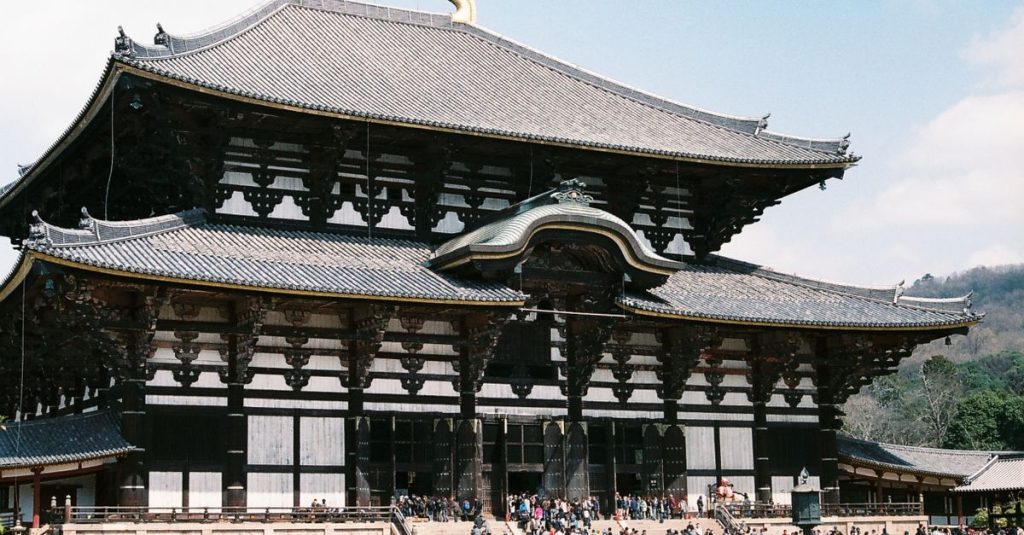
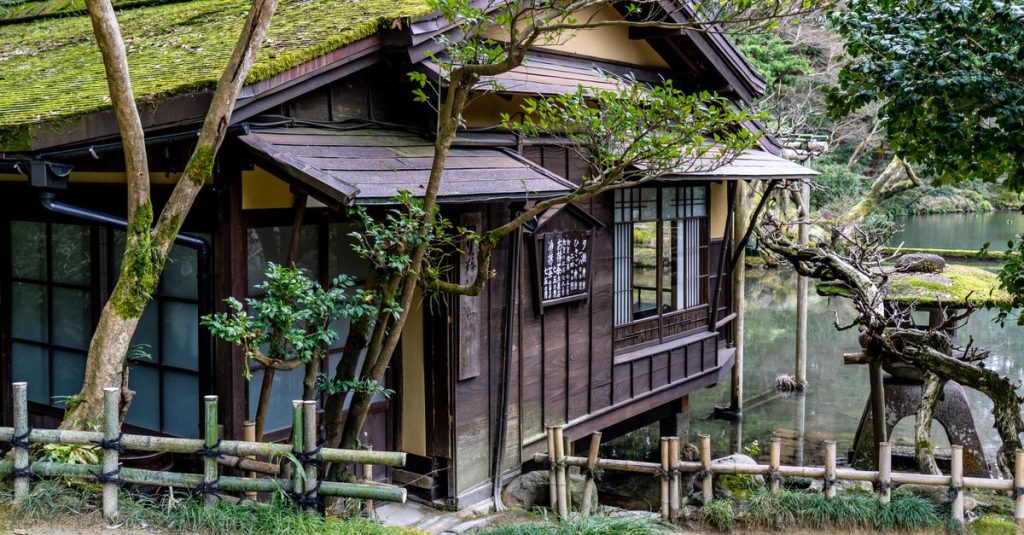
In Kyoto, gardens can be particularly beautiful in light rain, but steps and stone surfaces become slippery. Access to a temple does not mean that the entire visit takes place under cover.
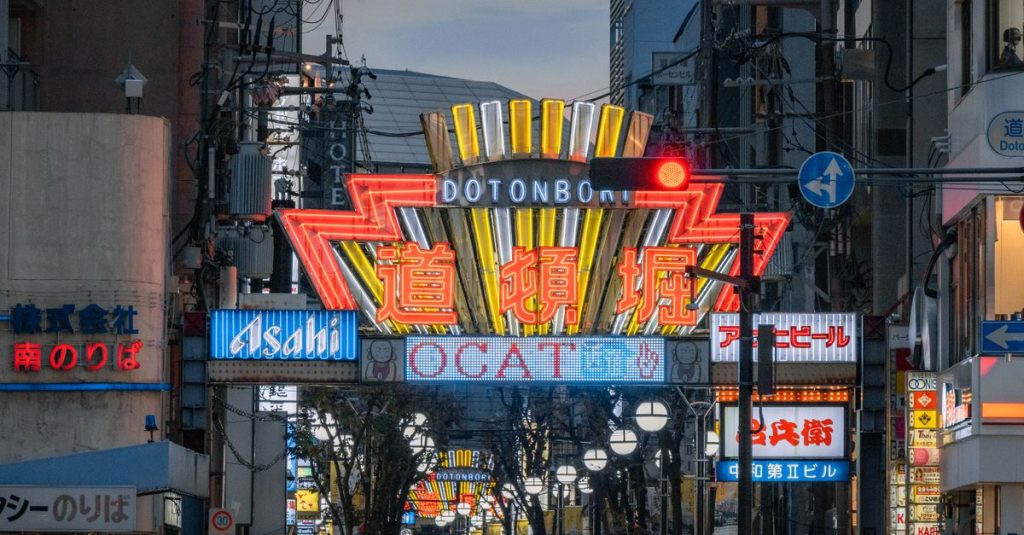
In Osaka, covered shopping arcades, museums and restaurants make it possible to plan a less exposed day. Check opening times with each establishment: they may change, and closures are not uniform.
Hokkaido is not subject to the usual pattern affecting regions exposed to tsuyu. It is a relevant option if natural spaces are your priority, provided you check the conditions for the excursions you have planned.
In Okinawa, the seasonal difference may influence your choice of dates, but water-based activities also depend on the wind and sea conditions. Bright skies alone do not guarantee that a boat trip will go ahead.
The best destination is the one whose activities remain interesting when the weather changes.
To get online as soon as you land, a Japan eSIM can be installed before you leave, with no need to look for a local SIM card.
Alternate heritage, culture and food breaks rather than simply trying to stay dry. Museums, exhibitions and workshops open to visitors offer genuine discoveries, not merely replacement activities.
Choose these activities according to your interests and their location. A museum close to the neighbourhood already on your itinerary avoids crossing the entire city when the rain becomes heavier.
Hydrangeas are associated with this period, while mosses take on a particularly strong presence in damp gardens. Flowering nevertheless depends on the location and the conditions that year: ask the garden for information before making a special detour to see them.
Teru teru bozu, small dolls hung up to wish for the return of fine weather, belong to the imagery of this season. This is a popular tradition, not a weather indicator; nor does the sound of cicadas replace official announcements.
A hot-spring bath can have a place in a wet-weather day. Check access conditions, any restrictions and whether you need to book directly with the establishment.
Meals are also an opportunity to explore Japanese cuisine without making numerous journeys. A more leisurely lunch or a discovery of local specialities can usefully replace a walk that has become uncomfortable.
As for the forests of Yakushima or the Kumano trails, their damp atmosphere never justifies going out under an alert. Light rain can enhance a visit; dangerous rainfall means changing your plans.
Rainproof clothing and accessories should protect you without retaining excessive heat. A lightweight, breathable jacket is more suitable for getting around than heavy equipment that is difficult to dry. An umbrella remains practical in cities, but becomes less useful when the wind strengthens.
Japanese konbini can help with certain accessories, depending on the shop’s stock. Nevertheless, it is better to have your essential protection from the moment you arrive than to rely on buying it during a downpour.
Heavy rainfall can disrupt trains, roads and maritime connections. Check the operator’s information before an important journey and use our guide to getting around Japan to prepare your travel plans.
In the event of an alert, move away from riverbanks, flooded areas and exposed slopes. Follow the instructions of the local authorities; an umbrella or waterproof clothing does not protect against flooding or landslides. Check our guide to safety in Japan for further precautions.
Do not assume that this period guarantees cheaper flights or hotels. Compare prices and cancellation conditions with providers, then include some leeway in your Japan travel budget for alternative transport and activities.
Useful flexibility means being able to change one day without disrupting the entire trip.
No. Showers can alternate with breaks and dry days. Check local forecasts so that you can adapt your walks rather than cancelling all outdoor activities.
Usual reference points are not guaranteed dates. Check regional announcements from the Japan Meteorological Agency to follow the beginning and end of this period.
Hokkaido escapes the classic tsuyu, but not all rainfall. Waterproof protection and checking local conditions are still necessary.
Not solely because of the season. An urban trip with flexible visits remains possible; an itinerary mainly devoted to hiking requires more alternatives and close attention to alerts.
To book tours and activities in Japan ahead, see the options on Klook.
Updated on 13/11/2026
Scroll to see more articles →