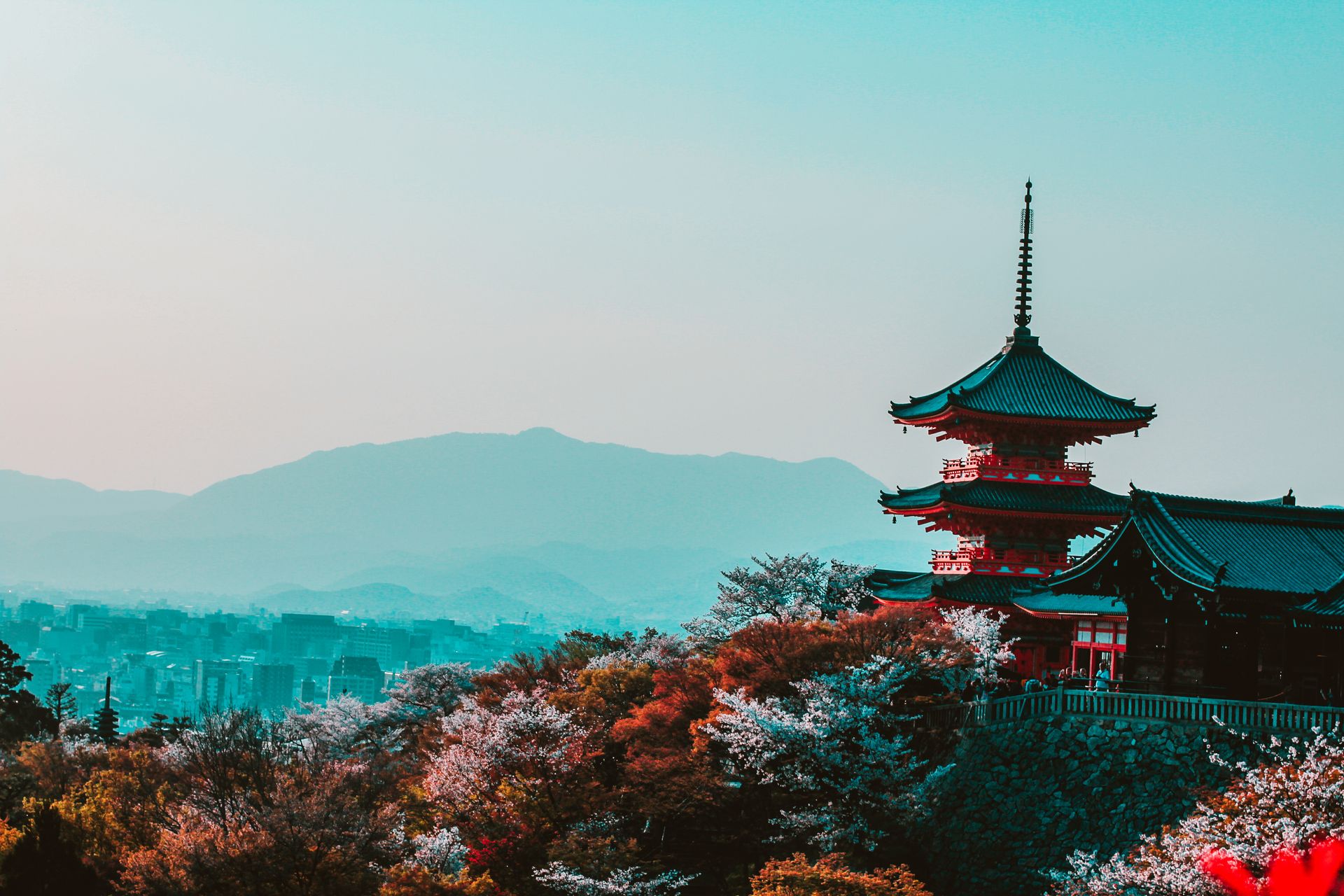
Master the Seasons in Japan
From the humidity of Tokyo’s summer to Hokkaido’s everlasting snow, learn how to choose the perfect clothing for every climate in 2026.
Japan’s seasons are highly contrasting: spring is mild but changeable, summer hot and humid, autumn pleasant and winter cold, with significant differences between Hokkaido, Honshu, Kyushu and Okinawa. Plan for layers, shoes that are easy to remove and protection from the rain. The local weather should guide your packing, especially if you are travelling through several regions.
To choose the right time, take your itinerary into account: Tokyo, Kyoto and Osaka have a different climate from Hokkaido or Okinawa. The month of travel, planned activities and temperature changes between outdoors and public transport determine which clothes will actually be useful.

The art of adapting to Japan’s climate
Japan is an elongated archipelago with four highly distinct seasons. For an expatriate or traveller, understanding these cycles is not just a matter of comfort; it is a real cornerstone of integration. In 2026, with increasingly intense climate variations, knowing how to switch between technical fabrics and traditional outfits is essential.
This comprehensive guide will help you prepare your wardrobe, from managing summer humidity to the clothing rituals of traditional festivals (matsuri). Good to know: flight prices follow the seasons — compare which month to book your flight to Japan.
The four-season cycle
Spring (March–May)
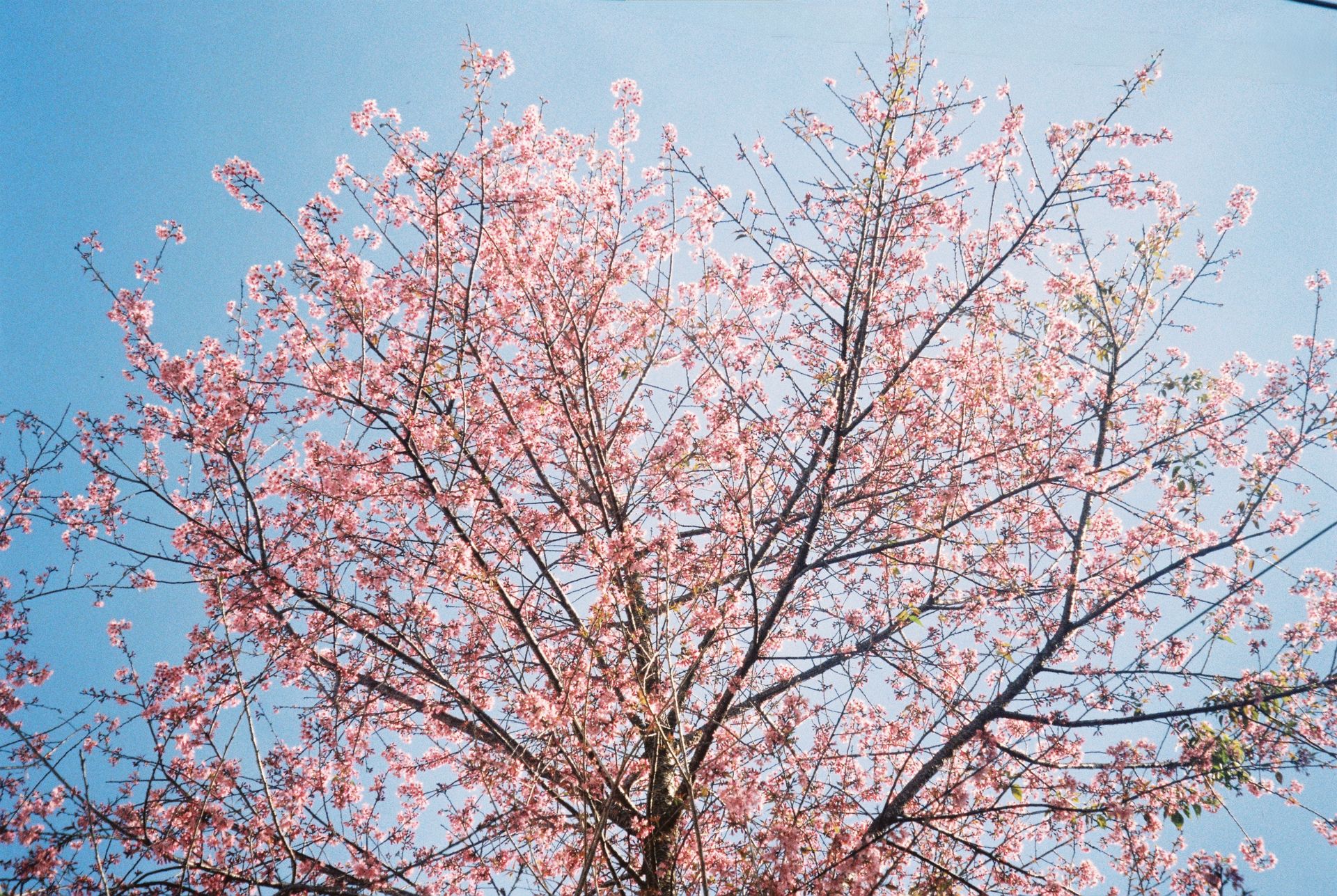
The season of renewal and cherry blossoms. The climate is mild but deceptive, with cool evenings. For conditions and travel ideas in May, see our guide to Japan in May.
- • Layering technique
- • Trench coats and lightweight jackets
- • Pastel colours for Hanami
Summer (June–August)
Extreme humidity (often above 80%). The rainy season (Tsuyu) comes before sweltering heat.
Airism fabrics, linen, lightweight cotton and a fan (sensu).
Autumn (Sept.–Nov.)
Probably the best season. Clear skies, perfect temperatures and spectacular autumn foliage (Koyo). For more ideas, see our guide to Japan in October.
Discover hiking spots →Winter (Dec.–Feb.)
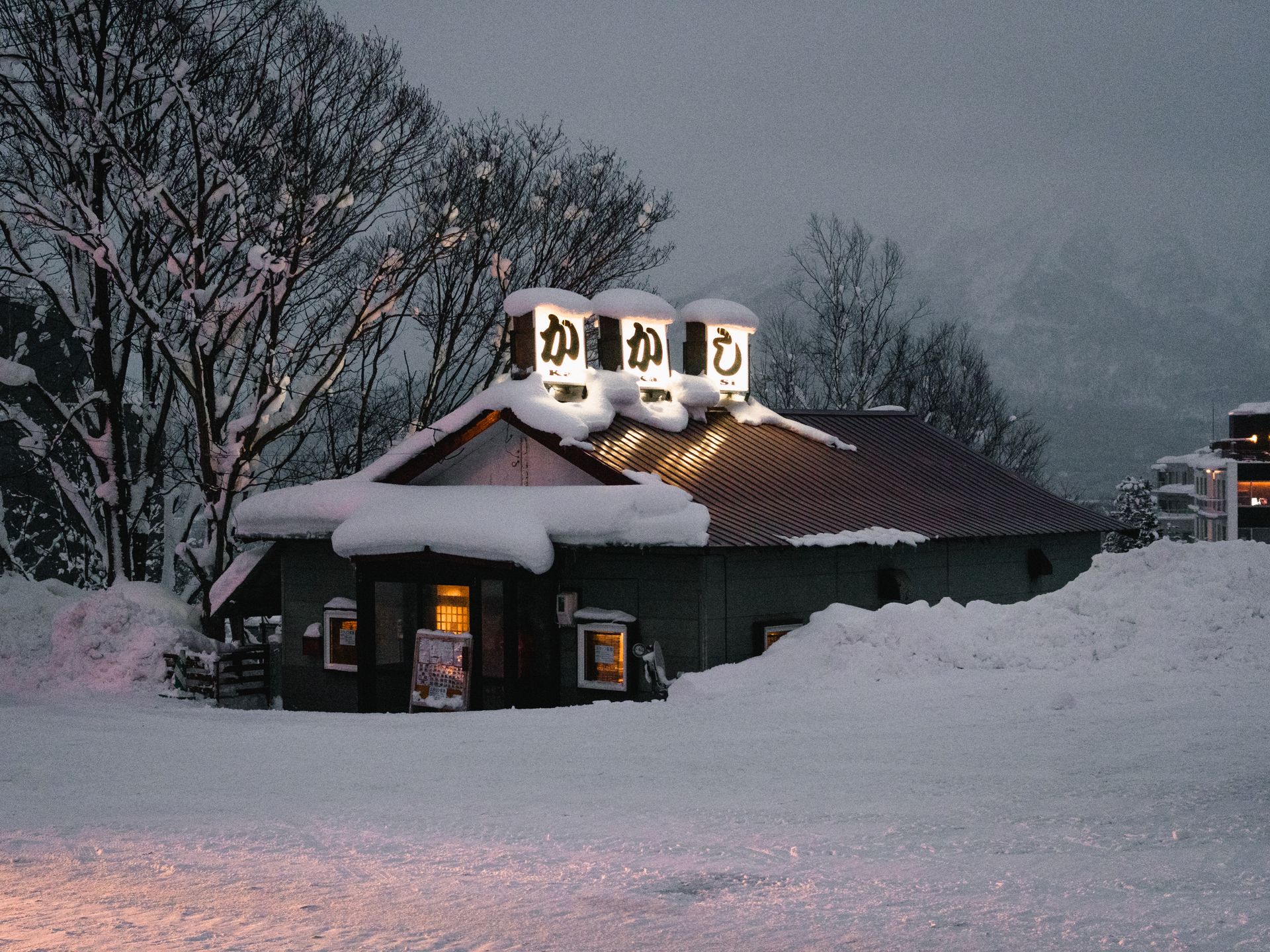
Dry and cold on the Pacific coast, with heavy snow on the Sea of Japan side. Indoor heating is powerful, so plan for layers that are easy to remove.
Navigating between Spring and Summer
Japanese spring is famous for its flowers, but it is also a period of strong winds (Haru Ichiban). For expatriates living in neighbourhoods in Tokyo or Osaka, clothing should be modular. A denim jacket or classic trench coat lets you stay elegant during an introduction to the tea ceremony while protecting you from the morning chill.
Summer, on the other hand, is a physiological challenge. The humidity turns every journey into an ordeal. Japanese people favour “Cool Biz”, a government initiative encouraging lightweight office clothing without a tie or jacket. For leisure, the Yukata (lightweight cotton kimono) is the outfit of choice. Worn at festivals, it provides maximum ventilation. Don’t forget the Geta (wooden sandals) to complete the outfit, but beware: they take some getting used to for your feet!
When it comes to fabrics, avoid pure synthetics, which trap sweat. Linen is your best ally, as are bamboo fibres, which are naturally antibacterial.
Japanese Wardrobe Simulator
Select your month of travel and destination to receive personalised recommendations.
Please adjust the filters to see the advice.
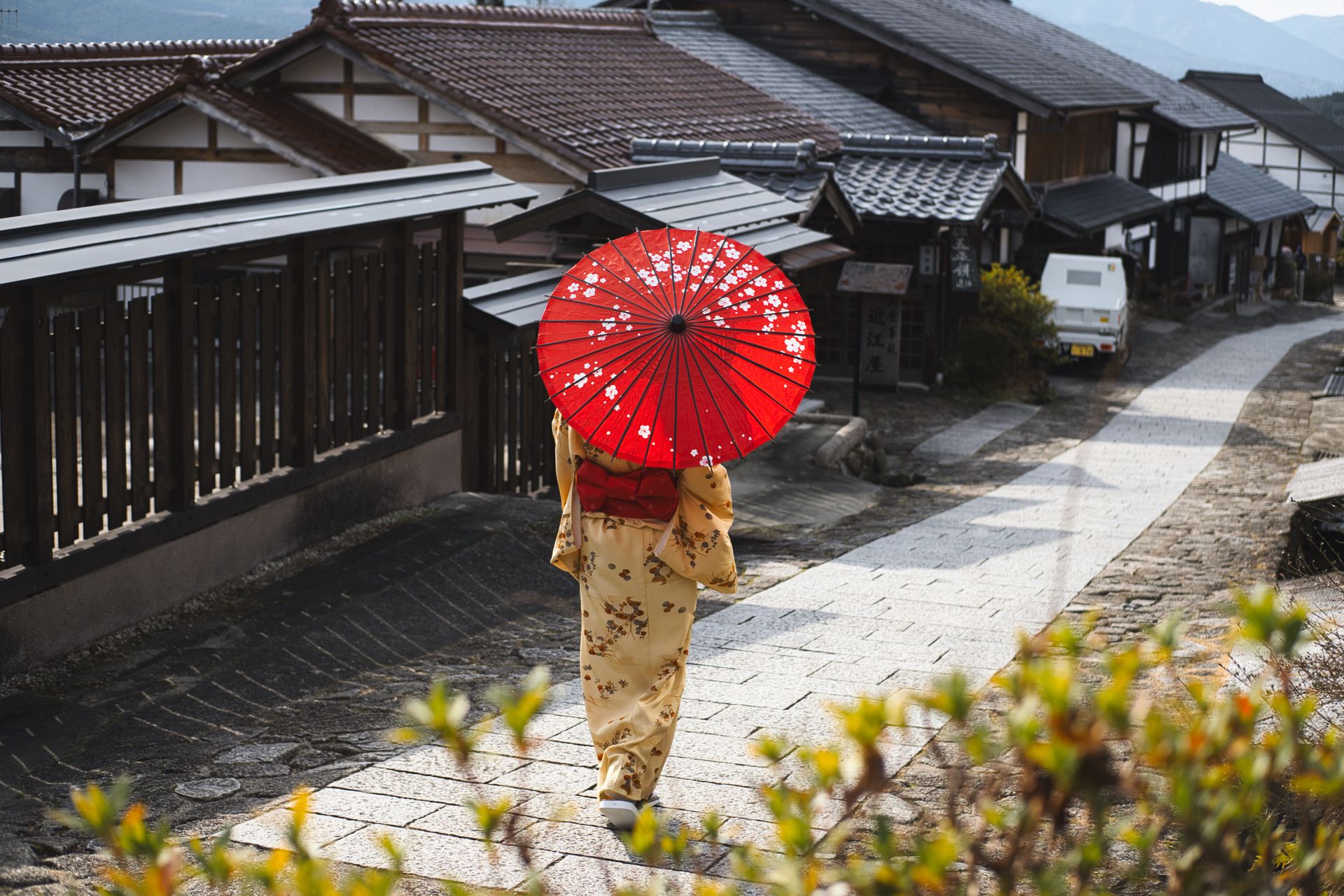
The temperature range in autumn requires great flexibility.
Autumn and Winter: Mastering the Cold
Autumn is often described by expatriates as the most pleasant season for settling in and handling tedious administrative procedures. It is time to bring out wool cardigans and lightweight jackets. For mountain hikes, plan to wear shoes with non-slip soles, as carpets of fallen leaves can be slippery.
Japanese winter is characterised by extremely dry air. This intensifies the sensation of cold. If you plan to visit temples and shrines, be aware that you will often have to remove your shoes. Wear thick, clean socks! Nothing is more uncomfortable than walking on a temple’s icy wooden floor in thin socks.
In Tokyo, the north wind (Karakaze) can be biting. Gloves and a good-quality scarf are more useful than a heavy coat if you spend your time on overheated trains. Indeed, heating-based air conditioning is very powerful in Japan; being able to remove a layer quickly is vital to avoid sweating indoors.
The great contrast: Hokkaido vs Okinawa
❄️ Hokkaido: The Icy Frontier
Here, winter lasts 5 months. Snow can reach several metres in height. To survive in Sapporo, you need boots with built-in crampons (sold in all combinis) and high-performance technical clothing. Avoid cotton which, if it gets wet from the snow, will literally freeze you.
🏝️ Okinawa: The Subtropical Paradise
In Okinawa, it is not really winter. In January, temperatures are around 18°C. Clothing is much more casual, close to Hawaiian style (Kariyushi shirts). However, the typhoon season (August–October) requires robust rainwear and a reliable internet connection to monitor weather alerts.
Dress Codes and Etiquette
👟 Shoes
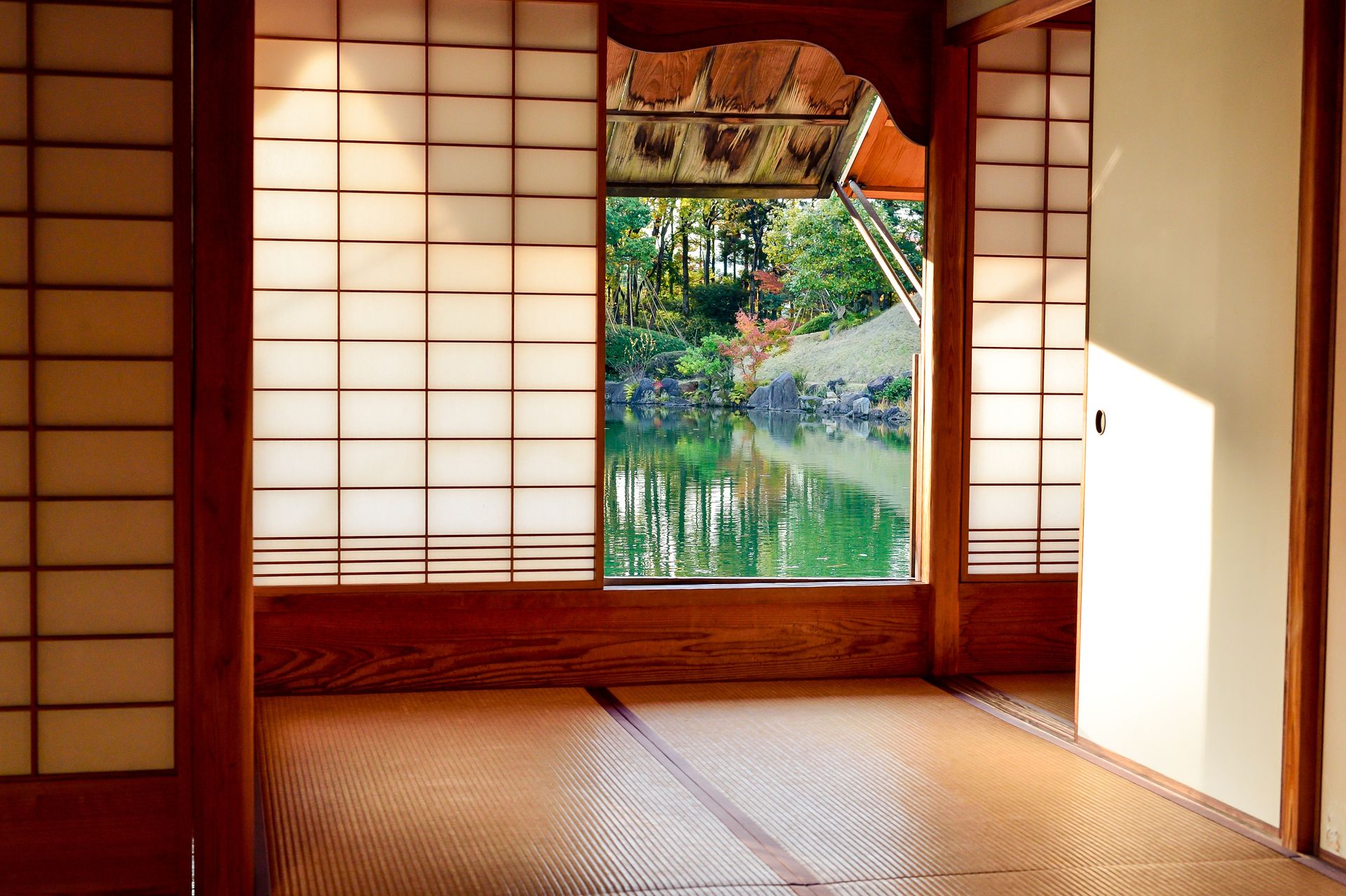
Choose footwear that is easy to take off and put back on. In Japan, shoes are removed at the genkan, as well as in some restaurants, changing rooms and schools.
⛩️ Sacred sites
Avoid very short shorts, low-cut vest tops and beachwear in temples. Casual but covering clothing is a sign of respect.
👔 Professional world
Conformity is the norm. If you are looking to work in Japan, invest in a dark suit (black or navy) and an immaculate white shirt.
🧼 Cleanliness
Japan places great value on a neat appearance. Wrinkled or stained clothes are viewed very negatively. Make use of the many neighbourhood dry cleaners.
"Your clothing reflects your consideration for others."
— Japanese saying about social etiquette
Practical Packing and Luggage
The 1+2 rule
Travel wearing one outfit and pack two in your suitcase. Japan has an incredible network of laundrettes and hotels offering affordable laundry services.
Local shopping
Do not overload your luggage. Brands such as Uniqlo and GU offer clothing suited to the local climate at very competitive prices. This is an opportunity for smart shopping.
Souvenir space
Leave 30% of your luggage space free to bring back a Yukata, a Happi jacket or Kyoto handicrafts. Take a foldable bag for the return journey.
Stay connected to keep up with the weather
The Japanese climate can change within minutes. A dedicated eSIM will give you access to real-time weather apps and allow you to adjust your activities.
See the best Internet deals →To get online as soon as you land, a Japan eSIM can be installed before you leave, with no need to look for a local SIM card.
Frequently Asked Questions (FAQ)
What clothes are essential for Tokyo in summer?
Opt for lightweight cotton and linen. A hat, sunglasses and a UV-protection umbrella (parasol) are highly recommended by locals.
Can you have visible tattoos with your summer outfits?
Although attitudes are changing, tattoos remain taboo. Plan to cover them if you visit sacred sites or go to onsens (hot springs).
What is the best material for winter?
Merino wool is ideal because it regulates temperature and does not retain odours. The locally sold "Heattech" technology is also highly effective.
Should I pack a raincoat?
Yes, especially during the rainy season (June). A compact model is preferable. Otherwise, you can find sturdy transparent umbrellas for 500 yen in any combini.
How should you dress for a wedding in Japan?
It is very formal. Dark suits for men and elegant dresses covering the shoulders for women. Avoid white (reserved for the bride) and all-black outfits (mourning).
What shoes should I wear to visit Kyoto?
Kyoto is best explored on foot. Take very comfortable walking trainers with a smart appearance. Bulky hiking shoes can sometimes be considered too casual in the city centre.
Is it easy to find larger sizes in Japan?
It is a challenge. Japanese sizes run small. If you are larger than a European L, plan to bring the essentials of your wardrobe with you.
What should I wear for Hanami (a picnic beneath the cherry trees)?
It is often cold once you are sitting on the ground. Take a windproof jacket and perhaps even a small blanket or self-inflating cushion.
What accessories are useful for typhoons?
Umbrellas are often useless in strong winds. A good Gore-Tex jacket or a sturdy poncho is preferable. Stay sheltered as much as possible.
How should I dress for a job interview?
The "Recruit Suit" is the standard. Black suit, white shirt and understated tie. For more details, see our page on working in Japan.
Official Resources
Ready for your Japanese adventure?
Join our community to exchange tips and ask questions about settling in Japan in 2026.