Awakening the Senses: An Introduction to the Tea Ceremony in Japan
More than a simple tasting, the tea ceremony — or Chanoyu — is a path to mindfulness. In 2026, rediscover this centuries-old ritual that defines Japanese social and spiritual harmony.
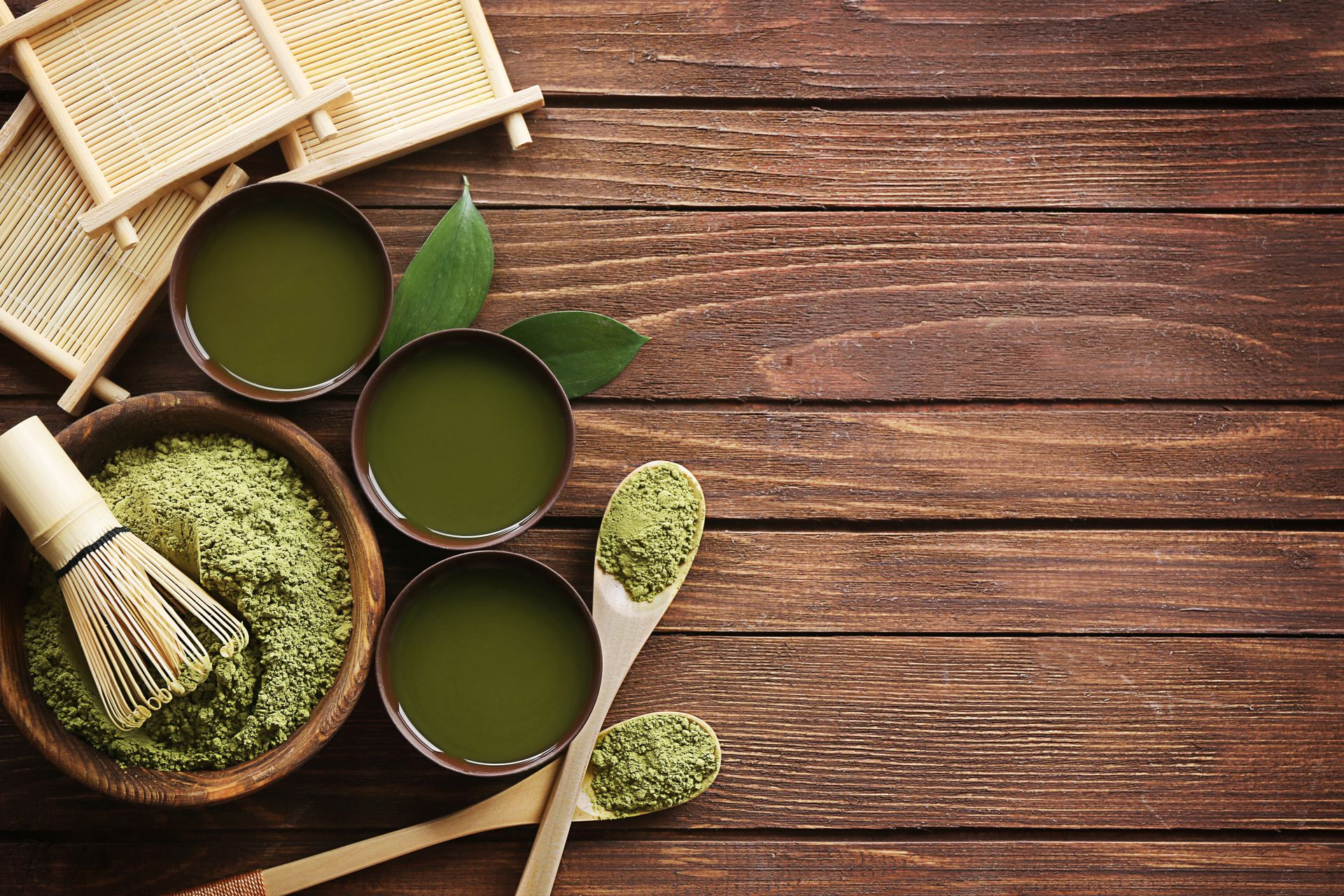
"Harmony, respect, purity and tranquillity."
— Sen no Rikyū
The Japanese tea ceremony, or Chanoyu, is a codified ritual rooted in Zen philosophy. It takes place in a dedicated room where the tea master prepares and serves matcha using precise gestures, symbolising harmony, respect, purity and tranquillity. Every movement, from cleaning the utensils to presenting the bowl, invites mindfulness and celebrates the unique moment shared with the guests.
They support the transmission of knowledge

A Universal Ritual with Deep Roots
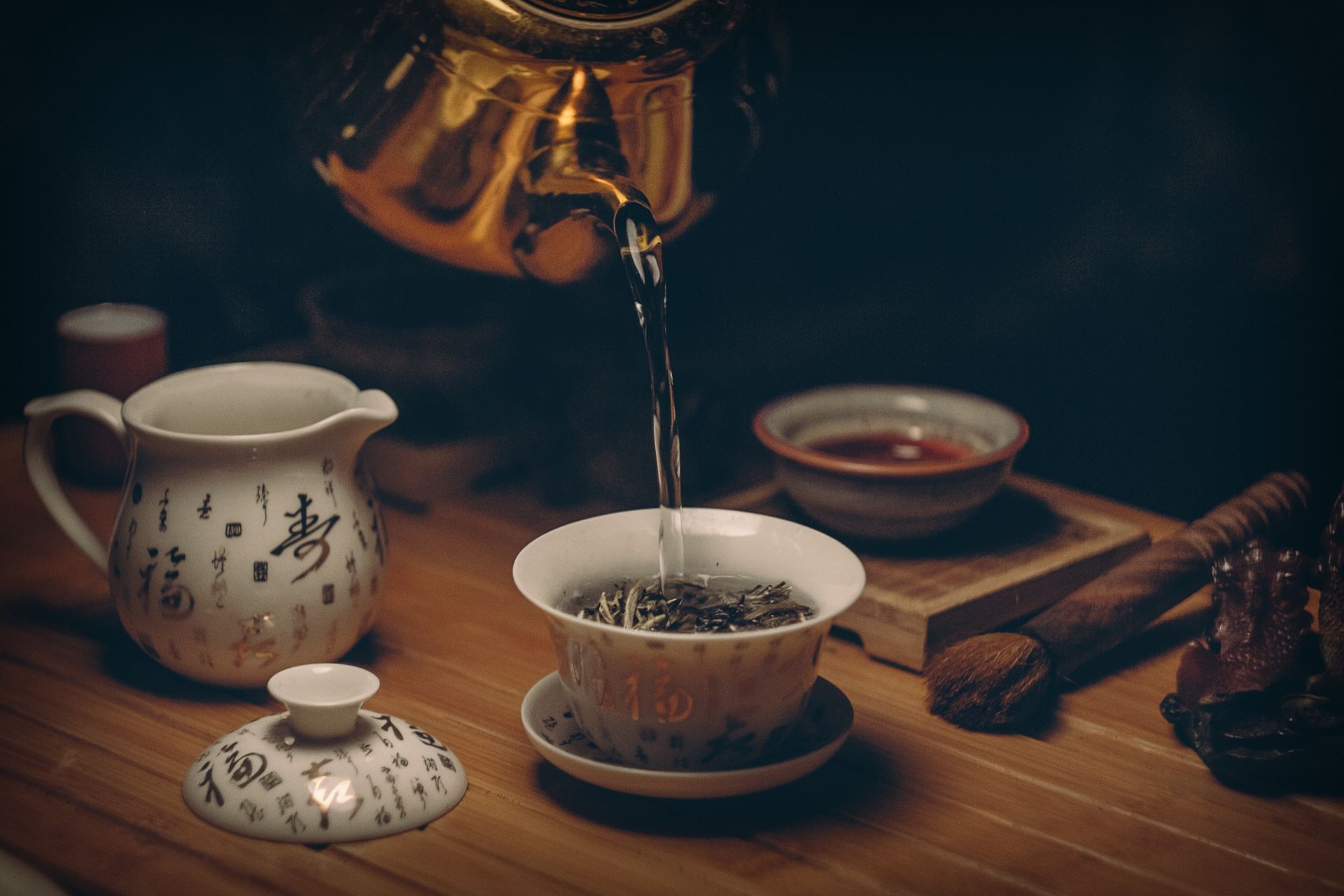
The tea ceremony is far more than a series of technical gestures. It is an artistic performance, a meditation in movement and a pillar of Japanese culture and customs. While Japan is famous for its Matcha, the art of tea has its roots in imperial China with Gongfu Cha, extends to Korea’s Darye rituals and has even adapted to the hospitable traditions of the Middle East.
For expats arriving in 2026, understanding this art provides insight into the concept of Omotenashi (selfless hospitality). Whether you live in the neighbourhoods of Tokyo or in the mountains of Kyoto, regular tea practice offers a valuable anchor in an often-hectic daily life. It fits perfectly into a path towards social life and local integration.
The Spiritual Foundations

Zen Philosophy
Chanoyu is inseparable from Zen Buddhism. Every gesture is performed with complete attention, grounding the practitioner in the present moment. This early form of "Mindfulness" is based on four fundamental principles: Wa (Harmony), Ke (Respect), Sei (Purity) and Jaku (Tranquillity).
Learned through an introduction to traditional Japanese arts.
Wabi-Sabi
The acceptance of imperfection and impermanence. In the tea ceremony, a chipped bowl may be more valuable than a perfect object.
Chinese Origins
Introduced by Buddhist monks in the 9th century, tea was initially used as medicine and as an aid to meditation.
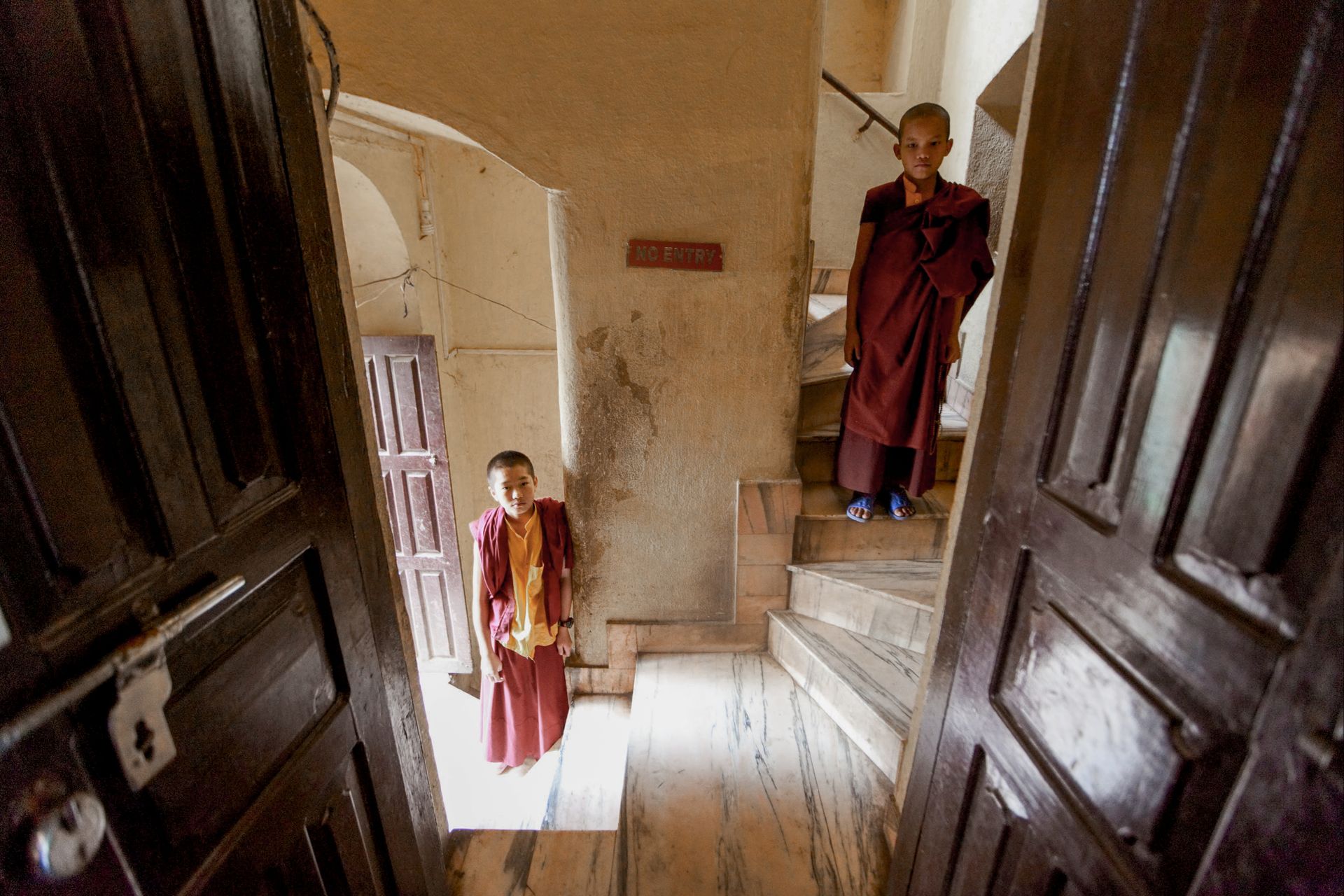
Etiquette
Learning to serve tea means learning to listen to others without a word. Non-verbal communication reigns supreme.
Ichigo Ichie
"One time, one meeting." Every ceremony is unique and will never happen in exactly the same way again.
The Tools: Between Utility and Symbolism
Every object used during the ritual has a history and a specific function. They are chosen with the utmost care according to the season and the guest. Owning your own kit is often the first step for an expat wishing to practise at home. You can find these high-quality objects during your shopping in Japan at specialist shops.
-
1
Chawan (Tea bowl)
The heart of the ceremony. Its shape, texture and weight influence the perception of the flavour.
-
2
Chasen (Bamboo whisk)
Carved from a single piece of bamboo, it creates the characteristic creamy foam of matcha.
-
3
Chashaku (Scoop)
A slender, curved bamboo stem used to measure the tea powder precisely.
-
4
Natsume (Tea caddy)
A lacquered container holding the matcha powder before use.

Interactive simulator: Prepare your Matcha
Master the key steps before taking part in your first real workshop.
Preheat the bowl
Pour hot water into the bowl (Chawan) to warm it and soften the whisk’s bristles (Chasen). This is the moment to purify your mind.
Expert tip: The ideal water temperature for matcha is between 75°C and 80°C. If it is too hot, it burns the aromas and makes the tea bitter. For more health advice, see our guide to the healthcare system in Japan.
The Ritual Process
1. The Welcome
Guests cross the garden (Roji), a symbol of purification, before entering the tea room through a low door (Nijiriguchi), which requires them to show humility.
2. Purification
The tea master ritually purifies each utensil with a silk cloth (Fukusa). Every movement is codified and graceful.
3. Preparation
The tea is whisked until a perfect foam is obtained. The silence is broken only by the sound of bamboo against ceramic.
4. Tasting
The guest of honour receives the bowl, admires it, turns it to avoid drinking from the decorated side, and savours the drink in three and a half sips.
Benefits & Modernity
Cognitive Health
Matcha contains L-theanine, an amino acid that promotes relaxation without drowsiness. Combined with caffeine, it provides stable, long-lasting concentration.
- • Powerful antioxidant effect
- • Natural detoxification (Chlorophyll)
- • Reduced cortisol (Stress)
The Way in 2026
Today, the ceremony is adapting. You can find "Cyber-Tea" sessions using augmented reality to learn the gestures, or modern matcha bars in trendy neighbourhoods such as Shibuya and Nakameguro.
Innovation and Tradition coexist harmoniously.
Practical Workshops
Many French-speaking associations in Japan organise introductory sessions for newcomers. It is the perfect opportunity to make friends and immerse yourself in the culture.
See the events calendar →Guide to Varieties for the Ceremony
| Type of Tea | Origin / Use | Flavour | Preparation |
|---|---|---|---|
| Matcha (Uji/Kyoto) | Fine powder - Japanese Chanoyu | Herbaceous, intense umami | Whisked (75-80°C) |
| Oolong (Taiwan/Fujian) | Rolled leaves - Gongfu Cha | Floral, fruity, woody | Multiple infusions (90-95°C) |
| Pu-erh (Yunnan) | Fermented tea - Meditation | Earthy, forest floor, deep | Rinsed then infused (100°C) |
| Sencha (Shizuoka) | Infused leaves - Everyday | Fresh, seaweed-like, slightly bitter | Kyusu teapot (70°C) |
Want to discover these flavours? See our guide to Japanese cuisine.
Frequently Asked Questions about the Ceremony
Do I need to speak Japanese to take part? ↓
How much should I budget for an introduction? ↓
Can I wear jeans to a ceremony? ↓
What is the traditional seated posture called? ↓
Which are the best cities for practising? ↓
Where can I buy quality tea? ↓
Are there tea schools for expats? ↓
Is matcha organic in Japan? ↓
What sweets are eaten with tea? ↓
How do you become a tea master? ↓

To get online as soon as you land, a Japan eSIM can be installed before you leave, with no need to look for a local SIM card.
Ready to infuse your new life?
Join our community to share your experiences and find the best French-speaking tea masters in Japan.