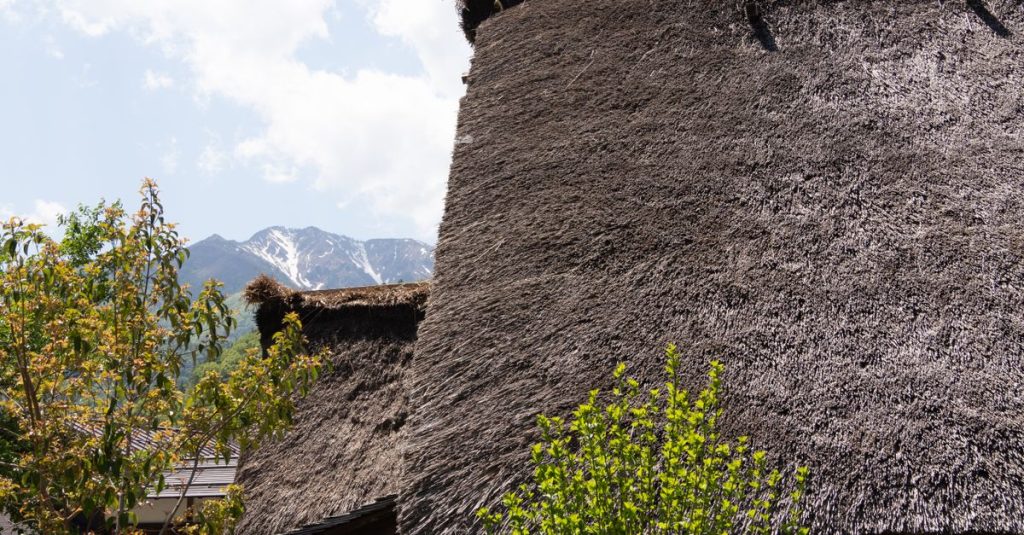
Shirakawa-go: Visit the Gasshō-Zukuri Village
Discover Shirakawa-go, a UNESCO-listed Japanese village with gasshō houses, Alpine scenery and practical advice for planning your visit.
Japan in November is an excellent choice for combining city sightseeing, gardens and autumn landscapes. Along the Tokyo–Kyoto–Hiroshima route, days are often comfortable for walking, while mornings and evenings require warm clothing. Red maple leaves are a major attraction, but their colours depend on the region, altitude and the year’s weather conditions.
The main precaution concerns crowds: November is not low season in places renowned for their autumn foliage. Kyoto is particularly popular for its temples and gardens. To make the most of your trip, organise days by neighbourhood, book well-located accommodation and remain flexible rather than relying on a peak-colour forecast issued long in advance.
In brief

Weather in Japan varies considerably between the major cities of Honshu, the mountains and the southern islands. Tokyo, Kyoto and Osaka generally experience autumn conditions, but a sunny walk and waiting outdoors after nightfall do not call for the same clothing.
Along the Pacific coast, clear days are frequent at this time of year, although rainy spells are still possible. It would also be excessive to promise a complete absence of storms: actual conditions should always take precedence over seasonal expectations.
| Destination | Conditions to expect | Useful adjustment |
|---|---|---|
| Tokyo | Cool mornings and colder evenings | Combine a garden with an indoor visit |
| Kyoto and Osaka | Noticeable differences between sun and shade | Bring a warm layer for the temples |
| Nikko and mountainous areas | Stronger cold at higher altitudes | Check trail conditions and local information |
| Hokkaido | Winter conditions possible | Bring equipment suitable for cold and icy conditions |
| Hiroshima and Miyajima | Autumn coolness, particularly by the water | Keep a windproof jacket accessible |
A comfortable base layer, a jumper or fleece and a jacket allow you to adapt to heated transport and outdoor walks. Add rain protection: an umbrella works in the city, but offers less freedom on a trail or on stairs.
Shoes deserve as much attention as your coat. Gardens may include gravel, wet stones and uneven paths; grippy soles improve comfort, especially when wet leaves cover the ground.
Check the Japan Meteorological Agency’s weather forecasts before excursions and again as departure approaches. Our guide to Japanese weather and seasons helps explain these contrasts: prepare your luggage for the stages you are actually planning, not for a national average.
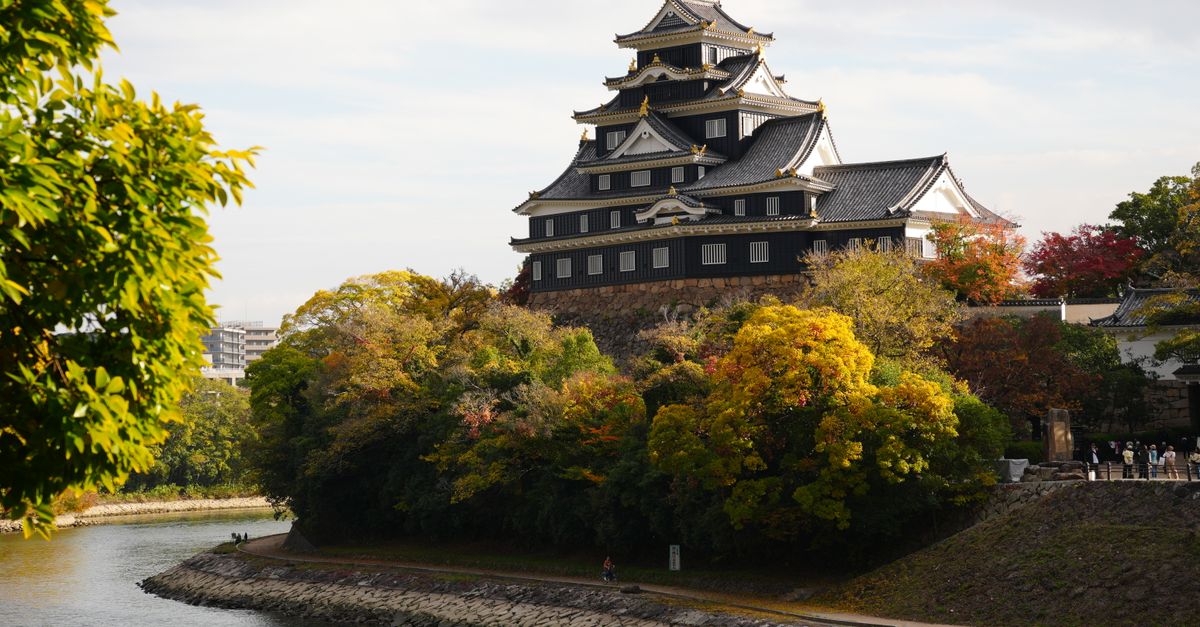
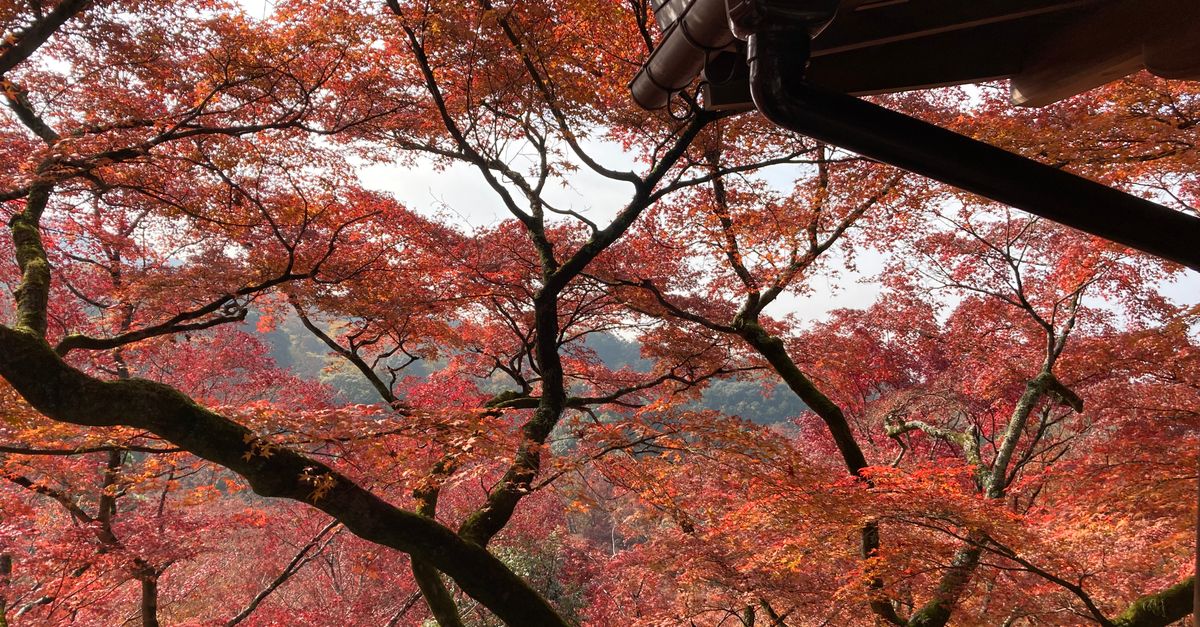
The term koyo refers to the autumn colouring of foliage, while momiji refers in particular to Japanese maples. The spectacle is not limited to red: ginkgo trees turn yellow and other species create orange and copper shades.
The change generally progresses from colder regions and higher ground towards milder areas. Within a single destination, however, exposure, species and altitude create variations: no date guarantees that an entire garden will be red.
Rikugien and Koishikawa Korakuen are well suited to observing the colours in landscaped gardens. Shinjuku Gyoen offers more open spaces, while Meiji Jingu Gaien is particularly known for its ginkgo trees: these are complementary settings, not identical spectacles.
Tokyo in autumn is therefore best visited without dedicating every day to the same trees. Pair a garden with a nearby neighbourhood and keep the other parks as options, depending on the weather and the progress of the autumn leaves.
In Nikko, higher areas may have lost their colours while the areas around the shrines still offer seasonal interest. The excursion remains worthwhile for its heritage, but should not be presented as a guarantee of vibrant foliage throughout the month.
In Miyajima, Momijidani Park is a popular walk for its maple trees. A climb towards Mount Misen requires separate preparation: suitable shoes, checking conditions and allowing enough time before nightfall.
To choose your travel period, consult our guide to the best time to visit Japan. Up-to-date local observations remain more useful than a theoretical date: a varied itinerary is better able to withstand seasonal variations.
Kyoto in November mainly requires good geographical planning. Arashiyama, Eikan-do, Tofuku-ji and Kiyomizu-dera attract many visitors during the autumn-colour season. Connecting them all in one day means more travel and less time to enjoy each place.
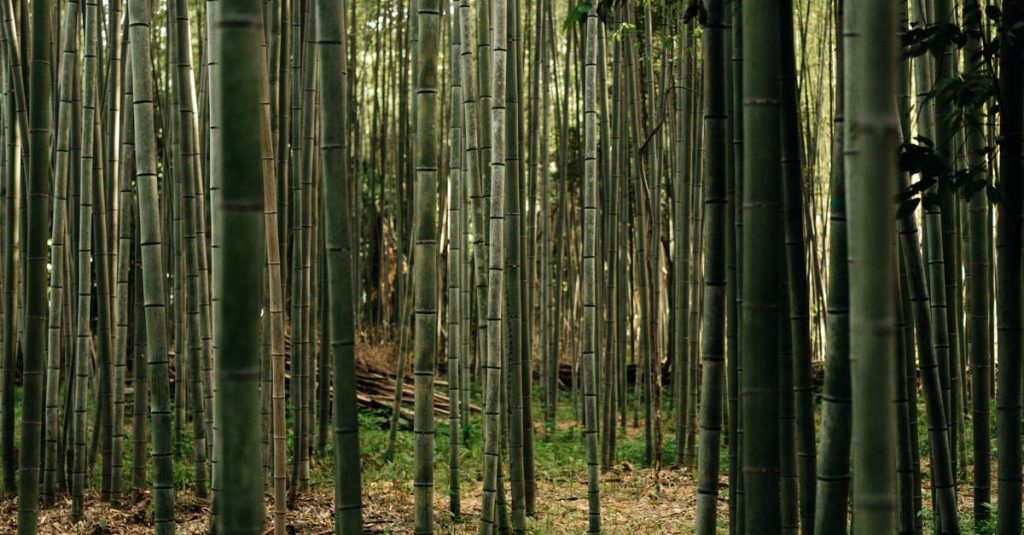
In Arashiyama, focus on Tenryu-ji, the riverbanks and the nearby walks. The bamboo grove retains its distinctive plant life: it is the trees in the gardens and surrounding hills that provide the autumn colours.
In Higashiyama, a walk linking a temple, the narrow streets and Gion avoids repeated journeys across the city. If Eikan-do is your priority, give it a proper place in your itinerary rather than adding it after a succession of distant visits.
Arriving at opening time may reduce waiting, but does not guarantee peace and quiet. Check directly with each establishment for opening times, access arrangements and any closures: this information can change during busy periods.
Illuminations are sometimes a separate visit from daytime access. Before booking your evening, check with the temple concerned for the dates, tickets required and areas open to visitors; do not assume that a daytime ticket remains valid.
The station area makes arrivals and excursions easier, while Kawaramachi is convenient for meals and central travel. Gion and Higashiyama allow you to reach some walks on foot, but comfort depends on the exact address and nearby transport.
Our Kyoto guide helps you compare neighbourhoods. Staying in Osaka can be a solution, provided you factor in the daily journeys: a cheaper room is only worthwhile if it preserves your sightseeing time. You can also compare options in our guide to accommodation in Japan.
To get online as soon as you land, a Japan eSIM can be installed before you leave, with no need to look for a local SIM card.
For a first trip, the Tokyo–Kyoto–Osaka route offers a simple and varied structure. Hiroshima and Miyajima can extend this route if the time available allows you to keep full days there. Adding a destination solely for its maple leaves risks turning the trip into a succession of transfers.
Begin with Tokyo and its neighbourhoods, keeping your schedule light after arrival. Alternate gardens, urban walks and indoor activities; only add an excursion to Nikko if the weather and your energy allow it.
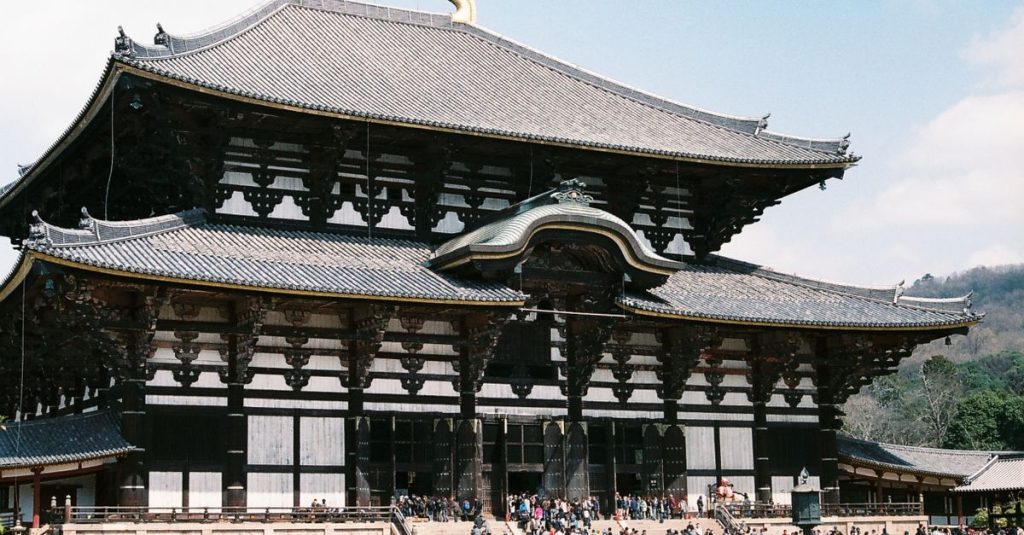
Then continue to Kyoto for temples and cultural landscapes. Nara offers a different experience, combining heritage and open spaces, without necessarily requiring a change of accommodation.
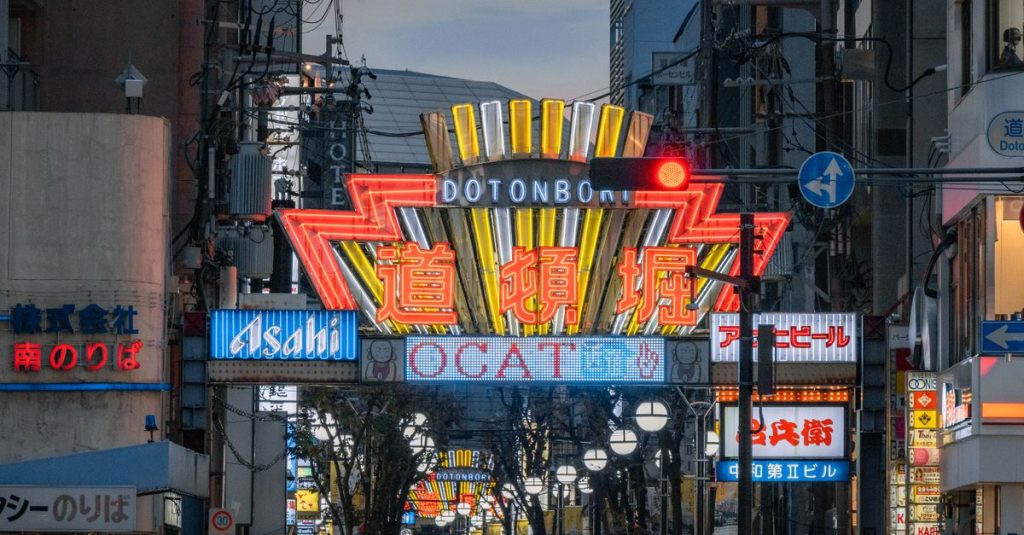
Osaka can be a stop dedicated to lively neighbourhoods and food. Dotonbori contrasts with contemplative gardens, but changing hotels is not essential if you simply want to spend an evening there.
In Hiroshima, allow time for the park and the Peace Memorial Museum. Visiting them deserves particular availability and is not well suited to a quick stop between connections.
Miyajima also requires you to consider access from your accommodation, the crossing and travel around the island. The appearance of the Itsukushima torii changes with the tide: check local information if you are looking for a particular view.
With children, alternate historical visits with places where you can take a break. A baby carrier can complement a pushchair in areas with stairs; also check the hotel’s facilities and dietary requirements, without assuming that every establishment is suitable.
This route adapts easily to your first trip to Japan: keep stable bases and decide on excursions after the essential stages.
Do not build your budget on the assumption that autumn is always cheaper. Accommodation close to popular sites can be in high demand. Compare availability as soon as your route becomes clear, examining cancellation conditions as well as the price.
For flights, compare a standard return ticket with flying into Tokyo and departing from Kansai. This arrangement may avoid a return train journey, but its value depends on the total price and the times actually offered by the airlines.
The Japan Rail Pass is not automatically cost-effective for a route through the major cities. Compare individual tickets, any regional passes and the journeys covered, taking into account how they are distributed throughout your stay.
Check prices and conditions with the official operators before buying. A rechargeable transport card makes some local journeys easier, but it is not an unlimited pass and does not replace every ticket required for long-distance trains. Our guide to Japan’s railway system can help you plan these journeys.
Budget separately for transport, accommodation, meals and paid visits in your Japan travel budget. Gardens, exhibitions and evening events may involve separate expenses; check their prices with the establishments concerned.
For meals, alternate neighbourhood restaurants, simple meals and regional specialities. Allergies require particular preparation, as broths, sauces and seasonings may contain ingredients that are not immediately visible.
Finally, consult our page on documents and entry requirements for Japan, then confirm the requirements applicable to you with the relevant Japanese authorities. They depend in particular on your nationality and the purpose of your stay; check them before making any non-refundable commitment.
No. Colouring depends on temperatures, species and exposure. Check local observations as your trip approaches and keep several gardens in mind rather than relying on one date.
The major cities of Honshu are generally suitable for walking with layered clothing. The mountains and Hokkaido require more winter-oriented preparation, adjusted to local forecasts.
Arrangements vary according to the place and event. Check directly with the temple whether a reservation or separate ticket is required, as well as the opening times and areas accessible to visitors.
Yes. Tokyo’s gardens and Kyoto’s tree-filled areas allow you to enjoy autumn while keeping stable bases. Excursions remain options, not a requirement for a successful trip.
To book tours and activities in Japan ahead, see the options on Klook.
Updated on 01/11/2026
Scroll to see more articles →