
Hiroshima: remembrance and rebirth
📍 City Guide

Hiroshima: remembrance and rebirth

Hiroshima is the capital of the prefecture of the same name in the Chūgoku region. The city is known worldwide for being the target of the first atomic bomb on 6 August 1945. Today, it is a symbol of peace and a major cultural destination, dominated by the Peace Memorial and the sacred island of Miyajima.

Hiroshima is well worth visiting to understand its history, explore the Peace Memorial Park and travel to Miyajima, famous for Itsukushima Shrine. The city fits easily into a tour of Japan between Osaka, Kyoto, Tokyo or the west of the archipelago. Plan differently depending on whether you are travelling independently, on an organised tour or as part of a tailor-made itinerary.

eSIM: online on arrival

The Peace Memorial

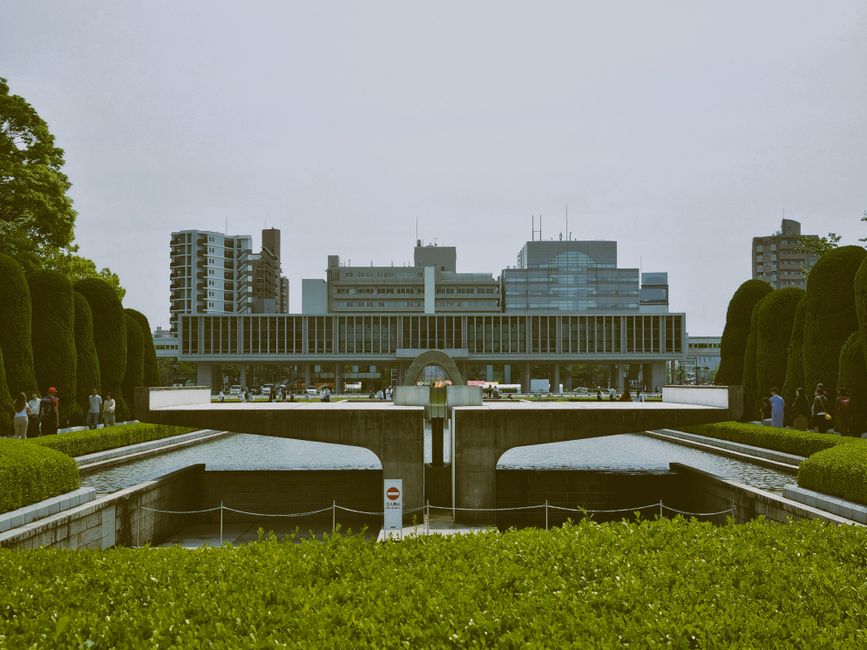
The Peace Memorial Park (平和記念公園) covers 120,000 m² in central Hiroshima. It was laid out in 1954 by architect Kenzo Tange on the site of the explosion’s hypocentre.

The main monuments:

  • Genbaku Dome (原爆ドーム) — The only remains of a building at ground zero, preserved as it was since 1996 as a UNESCO site. Former Prefectural Industrial Promotion Hall from 1915, designed by Czech architect Jan Letzel.
  • Cenotaph for the victims — A stone arch bearing the names of all identified victims (more than 314,000 names as of 1 August 2023).
  • Flame of Peace — Burning since 1964, it will only be extinguished when all nuclear weapons have disappeared.
  • Hiroshima Peace Memorial Museum — Designed by Kenzo Tange and opened in 1955. Chronological presentation of events, the effects of the bomb and personal testimonies.

The Hiroshima Museum of Contemporary Art (MOCA, 1989) complements the memorial with national and international collections. See our guide to safety and cultural practices.

Miyajima Island and its floating torii

The island of Miyajima (宮島, “shrine island”) lies 10 km south-west of Hiroshima, in Hiroshima Bay. Listed among the “three most beautiful landscapes in Japan” (Nihon Sankei) since the 17th century, it is officially known as Itsukushima.

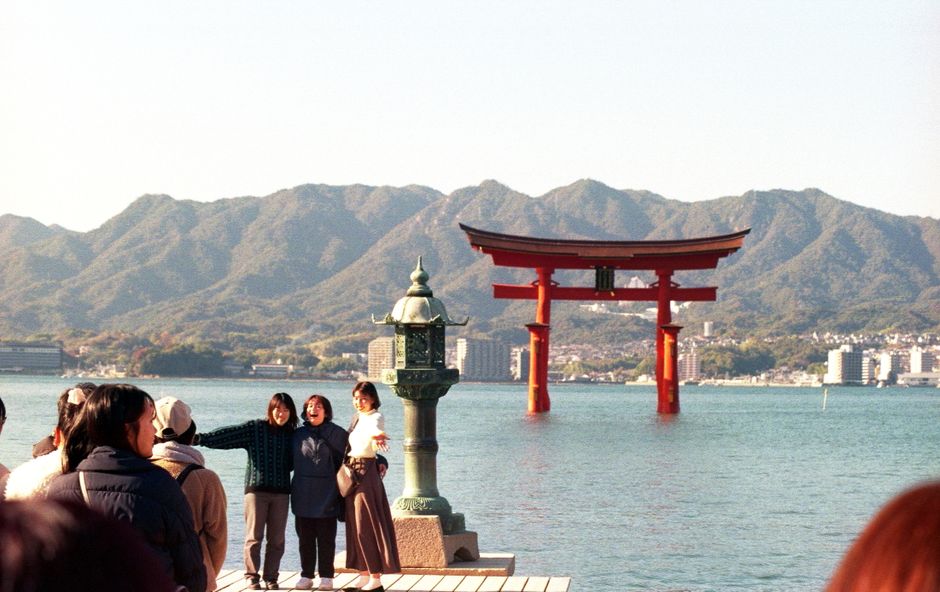
Itsukushima Shrine (厳島神社), founded in 593, has been a UNESCO site since 1996. Its floating torii (ō-torii), standing 16 metres high and weighing 60 tonnes, appears to float on the sea at high tide. Built in 1875, it is replaced roughly every century.

Access is by JR West ferry from Miyajima-guchi terminal (10 min, 200 yen, covered by the JR Pass). See our complete guide to Miyajima.

Not to be missed:

  • Mount Misen (535 m) — The island’s highest point, accessible by cable car followed by a funicular. Panoramic views over the Seto Inland Sea.
  • Daishō-in — Buddhist temple with its 500 rakan statues.
  • Momiji-dani — Spectacular maple valley in autumn.
  • Momiji-manjū — Local pastry filled with red bean paste and shaped like a maple leaf.

The reconstructed Hiroshima Castle

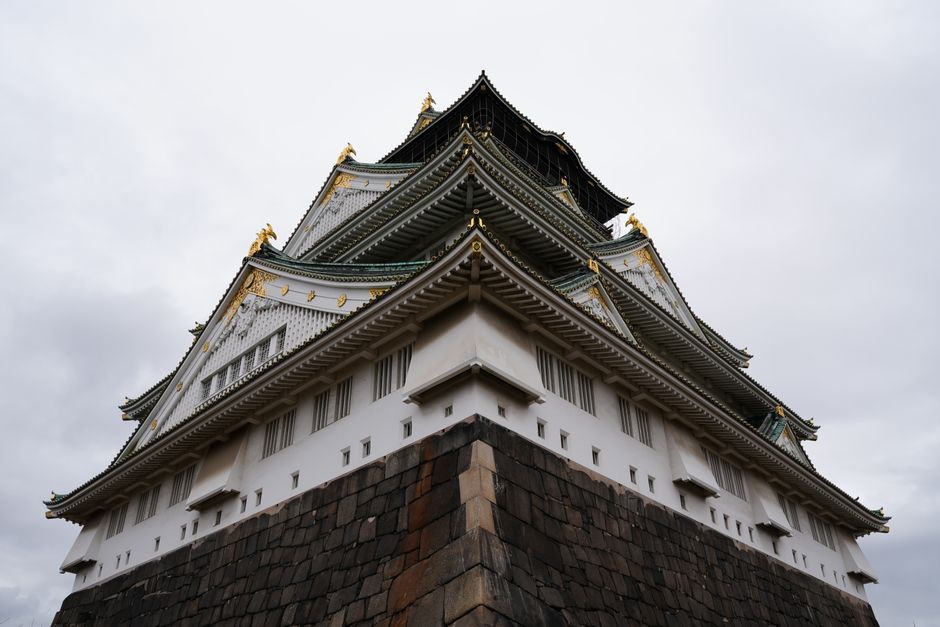
Hiroshima Castle (広島城), also known as Ri-jō (carp castle), was built in 1589 by the warlord Mōri Terumoto. Destroyed by the atomic bomb in 1945, it was rebuilt in concrete in 1958.

Now converted into a museum, it houses documents on the history of the Mōri clan and the Sengoku period. The moats, stone walls and main tower (five storeys) bear witness to the military architecture of the period. Admission: 370 yen.

The city’s history and reconstruction

On 6 August 1945 at 8.15 am, the American Enola Gay aircraft dropped the “Little Boy” bomb on Hiroshima, causing the immediate deaths of 80,000 people and 140,000 more in the following months and years. The city was then Japan’s 7th-largest urban area, with 350,000 inhabitants.

Reconstruction began as early as 1949 under the War-Damaged Cities Reconstruction Act. Hiroshima is now a modern metropolis of 1.19 million people and the main economic centre of the Chūgoku region.

The Peace Memorial Park and the Peace Memorial Museum attract more than one million visitors a year, including many Japanese and foreign schoolchildren.

How to get to Hiroshima

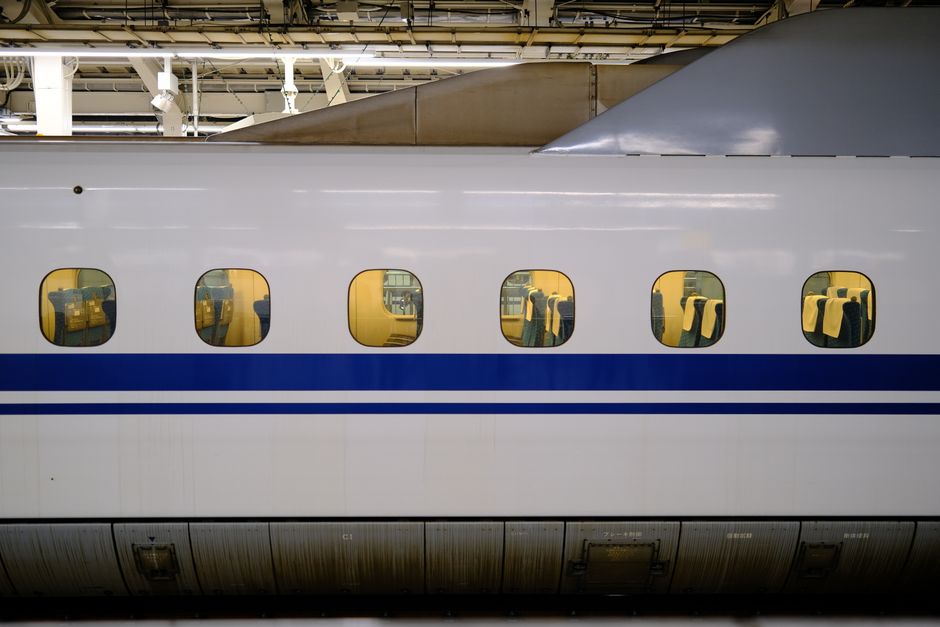
Hiroshima is served by the Sanyō Shinkansen:

  • From Tokyo — Direct Nozomi in 4 hours, or with a change at Shin-Osaka (5 hours).
  • From Kyoto — Nozomi in 1 hour 40 minutes.
  • From Osaka — Nozomi in 1 hour 30 minutes.
  • From Fukuoka — Nozomi in 1 hour.

Hiroshima Station is the terminus of the Sanyō Shinkansen and the departure point for the ferry to Miyajima. Hiroshima Airport (HIJ) is connected by limousine bus in 50 minutes.

For long-distance travel, see our Japan Rail Pass guide and flights to Japan.

Classic combinations: Hiroshima + Miyajima + Shikoku Island (Matsuyama), or Hiroshima + Nara on a Kansai/Chūgoku tour.

Accommodation and food

Accommodation in Hiroshima:

  • Luxury hotels — Sheraton Grand Hiroshima (near the station), ANA Crowne Plaza Hiroshima.
  • Mid-range hotels — Hotel Granvia Hiroshima, Mitsui Garden Hiroshima.
  • Budget hotels — Guesthouse Akicafe, J-Hoppers Hiroshima.
  • Dining — The Hatchobori district is packed with izakayas.

Local specialities:

  • Hiroshima okonomiyaki — layered version (noodles, egg, pork, vegetables), different from the one in Osaka.
  • Anago-meshi — conger eel on rice, a Miyajima speciality.
  • Kaki-fry — fried oysters found in abundance in the bay.
  • Saijō sake — Hiroshima is Japan’s 3rd-largest sake producer, with the Saijō region to the north.

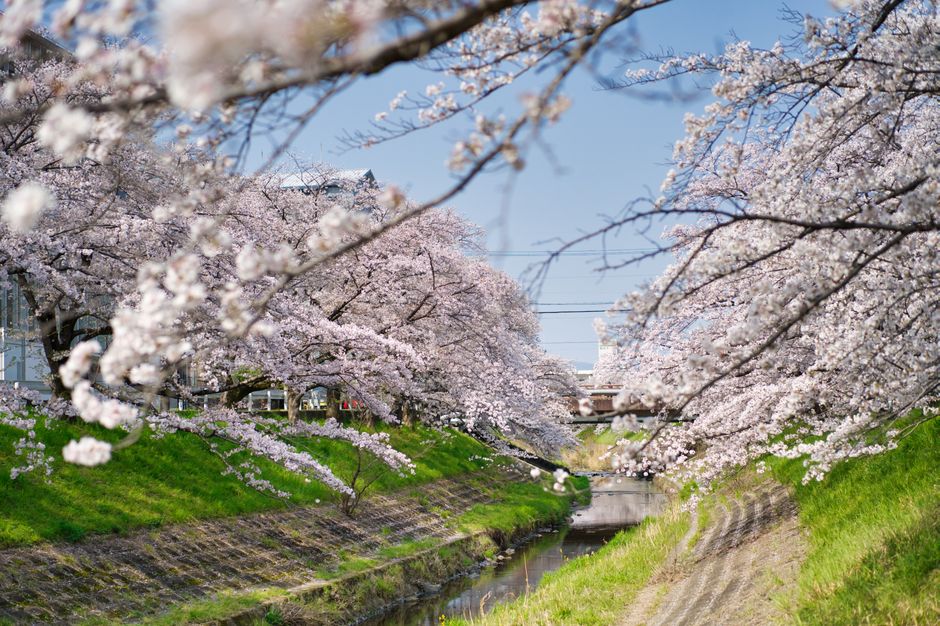
Best seasons: spring (April) and autumn (November). See our guide to the seasons.

Tip: set up a Japan eSIM before departure so your data works on arrival.

Also worth discovering

Continue exploring Japan with our complementary guides.
Updated on

How to include Hiroshima in a Japan itinerary

Hiroshima works equally well as a stop on its own or as part of an organised trip. The city brings together historical sights, lively neighbourhoods, local cuisine and an island excursion. It can therefore serve as a cultural stop on a route connecting the major cities of Kansai and western Japan.

To plan your itinerary, start by identifying your priorities: remembrance and history, religious heritage, hiking, food or urban discovery. This will help you avoid reducing Hiroshima to a simple stop between two trains. The three-week Japan itinerary guide can help you place the city within a wider route.

Three ways to travel

OptionWhat it offersWhat to check before departure
Organised tourPlanned programme, coordinated accommodation and support depending on the packageTime actually spent in Hiroshima, included visits and group size
Independent package tourTransport and accommodation booked, with greater independence on siteConnections, booking conditions and time available for visits
Independent travelA personalised pace and the option to change the stopUp-to-date timetables, bookings and travel time

An organised tour may suit you if you want to limit the logistics or benefit from guided explanations. An independent package offers a compromise between structure and freedom. When travelling independently, leave some flexibility in your programme: transport, weather and crowds can affect the time available.

What itinerary should you plan for your stay?

A first visit focused on remembrance

Start with the Peace Memorial Park to place the monuments and museum in context. An attentive visit takes time and can be emotionally demanding. Afterwards, plan a break in a less touristy neighbourhood rather than immediately moving on to another intensive visit.

The Atomic Bomb Dome, the cenotaph and the Peace Flame are all in the same area. The museum provides a documented account of the events, their consequences and the testimonies. Check the official practical information before your visit for access conditions and any restrictions.

Discovering the city centre

Hiroshima Castle offers an insight into another period of Japanese history. The shopping districts and dining streets complement this with a contemporary urban atmosphere. For a meal, try okonomiyaki prepared in the Hiroshima style. This speciality is also covered in our guide to Osaka and Hiroshima okonomiyaki.

A trip to Miyajima

Miyajima deserves a separate place in your schedule. Itsukushima Shrine, the island’s paths, Daishō-in and Mount Misen are not the same type of visit. If you want to walk, allow more flexibility and check the cable car or trail conditions before setting off.

The torii’s appearance varies with the tide. To choose the right time, check the latest tide times and the shrine’s information. The ferry from Miyajima-guchi adds a transport leg to plan for. The Hiroshima and Miyajima guide allows you to compare the main places to combine in the same outing.

Practical tips for planning your visit

Transport and connections

Hiroshima Station is a convenient arrival point for travellers coming along the Shinkansen route. From the station, the local network provides access to the main areas, while the journey to Miyajima requires a connection with the ferry. Check the timetable on the day of travel, particularly if your programme depends on a final connection.

If you are arriving from Osaka, compare the train and bus options according to your departure time, budget and luggage. Detailed information is provided in the guide to the Osaka–Hiroshima journey by Shinkansen and bus. As timetables and ticket conditions may change, rely on the carrier’s information when booking.

Choosing where to stay

Accommodation near the station makes late arrivals, early departures and stops with luggage easier. The city centre is more suitable if you want to go out in the evening, dine nearby and reach the park easily. In Miyajima, staying on the island can change the experience, but you need to check the last ferry times and arrange for your luggage to be transported.

Respecting the character of these places

The Peace Memorial Park is a place of reflection as well as a tourist site. Be discreet, follow the photography guidelines and dress appropriately for the religious sites in Miyajima. On the island, do not feed the animals and follow local instructions regarding rubbish and trails.

What place should Hiroshima have in your trip?

Hiroshima is particularly worthwhile if your itinerary combines major cities, heritage and a discovery of the Seto Inland Sea. It can be linked with Osaka, Kyoto, Nara or Matsuyama, depending on your pace and chosen transport. Do not add stops simply to tick off destinations: allow time for visits and travel.

Before booking, check your tour’s conditions, included activities, meals, type of support and cancellation rules. For an independent trip, confirm the timetables with the relevant operators. A travel professional can also help you adapt the itinerary to the season, your requirements and your mobility.

Frequently asked questions

Is Hiroshima worth visiting during a Japan tour?

Yes, Hiroshima offers a historical and cultural dimension that differs from Tokyo, Kyoto or Osaka. The Peace Memorial Park, city centre and Miyajima can be combined in the same itinerary. Whether the stop is worthwhile depends mainly on the time available and your travel priorities.

Should you visit Hiroshima and Miyajima on the same day?

It is possible if your itinerary is well organised, but this leaves less time for the museum, the central districts or Mount Misen. Combining the two sites works well for a short stopover. Visiting them separately offers a more comfortable pace, particularly if you would like to walk around Miyajima.

How do you get from Osaka to Hiroshima?

The Shinkansen connects Osaka and Hiroshima, while the bus is another option depending on your budget and timetable. Compare the journey time, connections, luggage and booking conditions. Always check the latest timetable with the operator before setting off.

Which area should you choose to stay in Hiroshima?

The area around the station is convenient for arrivals, departures and connections. The city centre is better if you prioritise restaurants, evening activities and access to the Peace Memorial Park. The best choice depends on your itinerary, your luggage and your arrival time.

Can you visit Hiroshima as part of an organised tour of Japan?

Yes, Hiroshima is included in some organised tours, whether group, independent or tailor-made. Check the itinerary to see whether Miyajima, the museum, meals and transport are included. Also check how much free time is available: a stop that is too short may limit the visits that are actually possible.