To get online as soon as you land, a Japan eSIM can be installed before you leave, with no need to look for a local SIM card.
Why visit Hiroshima and Miyajima
Hiroshima embodies remembrance and reconstruction after the atomic bombing, while Miyajima represents Japanese spirituality and nature. These two destinations complement each other perfectly: one invites historical reflection, while the other encourages contemplation. Located just 30 minutes apart, they are easy to visit during the same stay in the Chugoku region.
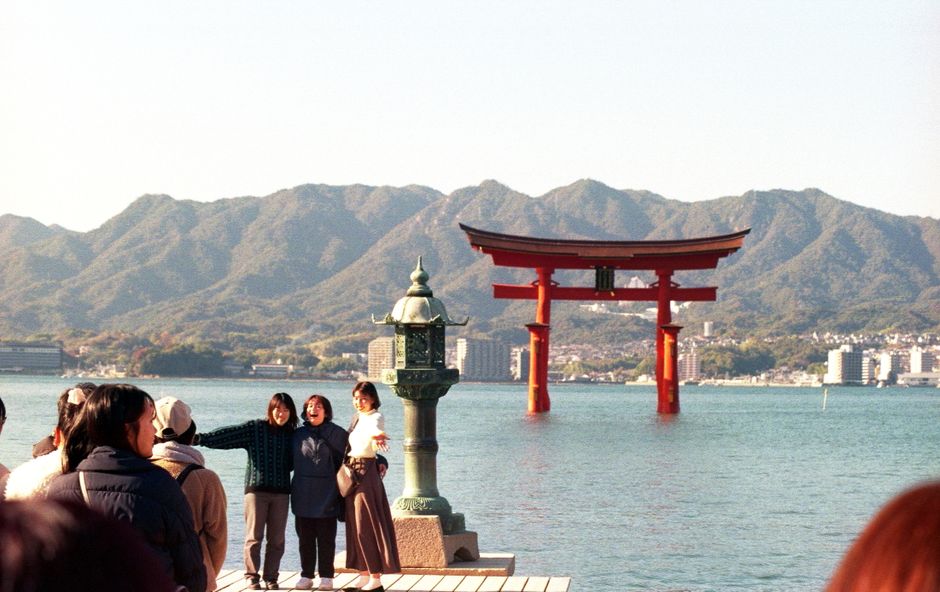
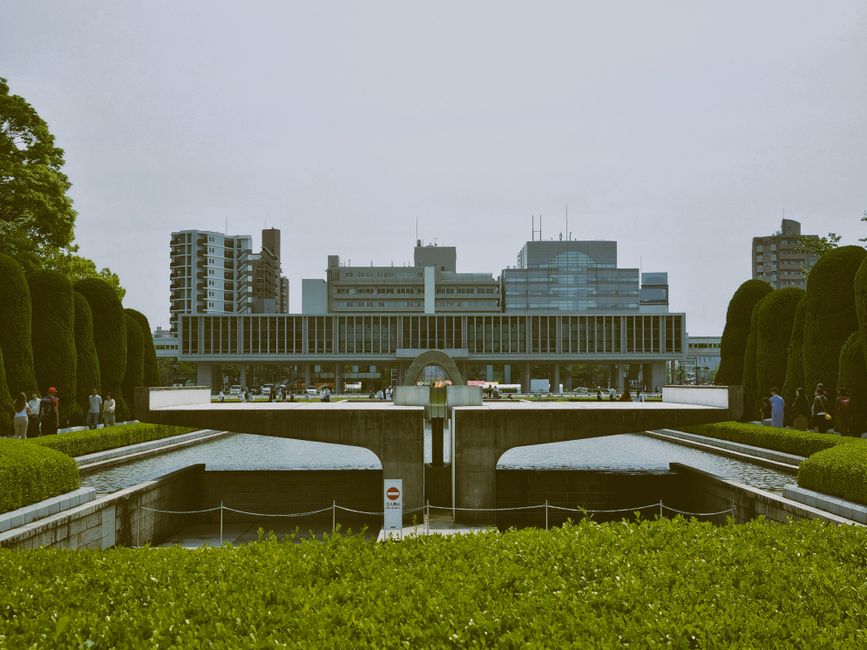
The Peace Memorial Park and Museum recount the events of August 1945 and efforts towards a world without nuclear weapons. The Genbaku Dome, the only building left standing near the hypocentre, bears witness to the destruction. On Miyajima, Itsukushima Shrine and its red torii appear to float on the sea at high tide, creating an iconic image of Japan.
Planning your visit to Hiroshima
Peace Memorial Park can be explored freely and free of charge. Allow half a day to visit the Peace Memorial Museum, the Cenotaph, the Flame of Peace and the Children’s Monument dedicated to Sadako Sasaki. The Genbaku Dome is on the edge of the park and can be reached on foot from Genbaku-Domu-mae tram stop.
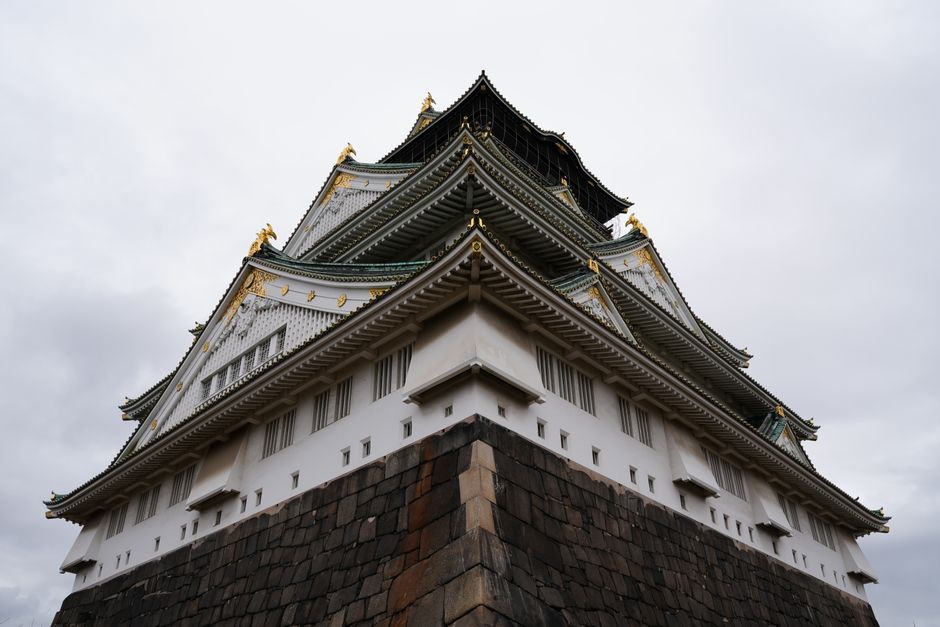
Hiroshima city centre also offers the reconstructed castle, Shukkeien Garden and the Hondori shopping district. The local speciality, Hiroshima okonomiyaki, can be enjoyed on the floors of the Okonomimura building or in the restaurants around the station.
Best time to visit
Spring (late March to April) and autumn (November) offer the most pleasant conditions. In November, Miyajima’s maple trees turn red and gold, particularly in Momiji-dani Valley. Avoid Golden Week and weekends in November, when the island is especially busy.
Discover Miyajima in detail
Miyajima deserves a full day, or even a night on the island to enjoy sunrise over the torii. After getting off the ferry, you will encounter free-roaming deer wandering through the streets and along the beach. Itsukushima Shrine, founded in the 6th century, can be visited at high tide, when the pilings appear to float, or at low tide, when you can walk out to the torii.
Daishō-in Temple, located 15 minutes on foot from the shrine, is less crowded and offers a peaceful setting with its hundreds of Buddhist statues, Zen gardens and lanterns. The ascent of Mount Misen, the island’s sacred summit, takes 1 hour 30 minutes on foot or can be made by cable car. The summit offers panoramic views over the Seto Inland Sea and its islands.
Understanding the torii tides
The Itsukushima torii changes appearance with the tides. At high tide, it seems to float on the water and is reflected in the sea, creating a photogenic scene. At low tide, the sand emerges and you can walk up to its pillars. Check the tide times on the island’s official website before your visit to plan your arrival according to the effect you want.
The best times to photograph the torii are early in the morning or late afternoon, when the light is soft and tourist groups are less numerous. Sunrise from the beach facing the shrine offers a special moment, especially if you are staying on the island.
Suggested itinerary for one or two days
For a one-day visit, start with Hiroshima in the morning: the Peace Memorial Park and Museum between 8.30 am and midday, followed by an okonomiyaki lunch. In the afternoon, take the train to Miyajima-guchi and the ferry to the island. Visit Itsukushima Shrine, stroll through the shopping streets and try grilled oysters or anago meshi. Return to Hiroshima at the end of the day.
Over two days, devote the entire first day to Hiroshima: the Peace Memorial Park, Museum, Dome, castle and Shukkeien Garden. Spend the night in Hiroshima. The next day, leave early for Miyajima, visit the shrine at high tide, travel up Mount Misen by cable car or on foot, explore Daishō-in Temple and enjoy the end of the day on the island before returning.
| Duration | Itinerary | Highlights |
|---|
| 1 day | Hiroshima in the morning + Miyajima in the afternoon | Memorial, torii, shrine |
| 2 days | Hiroshima Day 1 + Miyajima Day 2 | All the sights, Mount Misen, comfortable pace |
| Overnight on Miyajima | Afternoon arrival, sunrise, midday departure | Peaceful island in the evening, morning light |
Practical transport and access
From Kyoto or Osaka, take the Hikari or Sakura Shinkansen to Hiroshima (the Nozomi is faster but is not covered by the standard JR Pass). From Tokyo, allow around four hours for the journey. Once in Hiroshima, trams serve the Peace Memorial Park and city centre for a flat fare per journey. See Osaka to Hiroshima transport options for journey times and prices.
To reach Miyajima, take the JR Sanyo Line from Hiroshima Station to Miyajima-guchi, then the JR ferry (free with the JR Pass) or the Matsudai ferry. Both companies operate crossings approximately every 15 minutes. The ferry journey takes 10 minutes and offers a beautiful approach to the island, with views of the torii from the deck.
If you are exploring other regions of Japan, Hiroshima combines well with Hakone and its hot springs on a longer trip, or with ski resorts in the Japanese Alps in winter.
Local cuisine not to be missed
Hiroshima-style okonomiyaki differs from the Osaka version in its layered preparation: noodles, cabbage, pork, egg and sauce. Speciality restaurants can be found in the Okonomimura building (three floors of food stalls) or near the station. On Miyajima, fresh grilled oysters are sold at the stalls along Omotesando shopping street.
Anago meshi, grilled conger eel served over a bowl of fragrant rice, is the island’s signature speciality. Shops also sell momiji manju, small maple-leaf-shaped cakes filled with red bean paste, chocolate or matcha. Some stalls prepare them fried for a crispier version.
Practical tips for your stay
Book your accommodation in advance, especially in autumn and during bank holiday weekends. Staying on Miyajima allows you to enjoy the island’s peace and quiet after day-trippers have left, but options are limited and more expensive. Hiroshima offers a wider choice of hotels and ryokan, with easy access to transport.
Wear comfortable shoes: the Peace Memorial Park and Miyajima are explored on foot, and climbing Mount Misen requires good walking shoes if you go without the cable car. In summer, bring water and a cap, as the island offers little shade outside the forest trails.
Cash machines and shops increasingly accept bank cards, but always carry cash for small food stalls, temples and some traditional shops. Luggage lockers can be found at Hiroshima Station and at the Miyajima-guchi ferry terminal.
Frequently asked questions
How long do you need to visit Hiroshima and Miyajima?
One full day is enough to see the essentials of both sites: the Peace Memorial and Museum in Hiroshima in the morning, followed by Itsukushima Shrine and the torii on Miyajima in the afternoon. For a more in-depth visit including Mount Misen and Daishō-in Temple, allow two days.
Can you visit Hiroshima and Miyajima with the JR Pass?
Yes, the JR Pass covers the Shinkansen to Hiroshima, the JR Sanyo Line to Miyajima-guchi and the JR ferry to the island. Only admission to paid attractions (the Peace Memorial Museum, Itsukushima Shrine and the Mount Misen cable car) remains at your own expense.
What is the best time to see the floating torii?
The torii appears to float at high tide, generally twice a day for a few hours. Check the tide times on Miyajima’s official website before your visit. Spring and autumn offer the best weather and lighting conditions for photography.
Should you stay overnight on Miyajima Island?
Staying on Miyajima allows you to enjoy the peace and quiet after the tourists have left and watch the sunrise over the torii, a magical and rarely crowded moment. Accommodation is more expensive and limited there, but the experience is well worth it if your budget allows.
Can you climb to the top of Mount Misen without taking the cable car?
Yes, three hiking trails lead to the summit of Mount Misen in 1 hour 30 minutes to 2 hours on foot. The Momiji-dani Trail passes through the maple valley, the Daishō-in Trail goes via the temple of the same name, and the Daisho-in Omoto Trail offers a more direct ascent. Bring good shoes and water.
Where to eat in Hiroshima and Miyajima?
In Hiroshima, try okonomiyaki in the Okonomimura building or at the restaurants in the station area. On Miyajima, enjoy grilled oysters at the stalls on Omotesando Street and anago meshi at the restaurants near the shrine. Momiji manju can be found all over the island.