Skiing in Japan mainly takes place in Hokkaido and the Japanese Alps. Niseko, Furano, Hakuba, Nozawa Onsen and Myoko suit different preferences: powder, technical pistes, family holidays or traditional villages. To choose, compare access, skiing ability, budget, accommodation and off-piste rules, then check conditions with the resort.
A seven-day independent trip costs between €2,000 and €2,800 per person without international flights, based on the elements already listed on this page. Lift passes, equipment hire, transfers and accommodation vary considerably depending on the resort and period: ask for up-to-date prices before booking.
Tip: set up a Japan eSIM before departure so your data works on arrival.
Which resort should you choose for skiing in Japan?
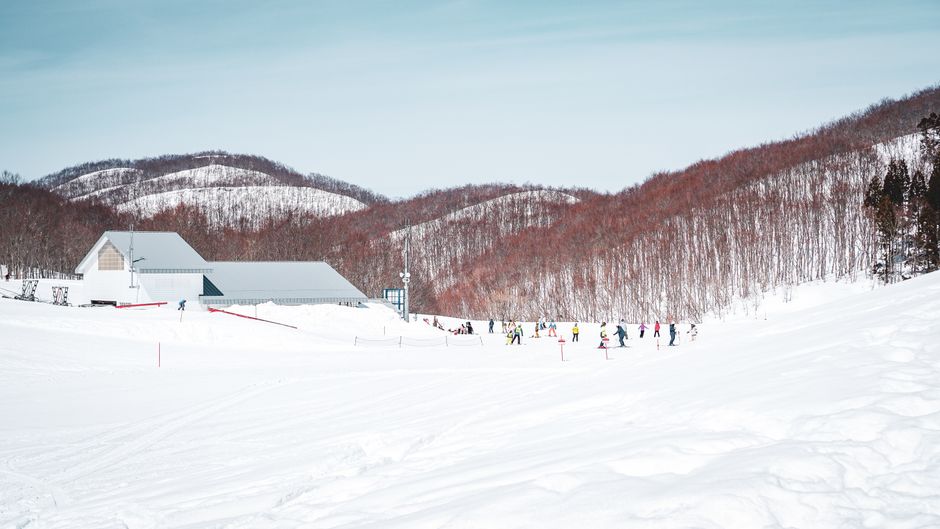
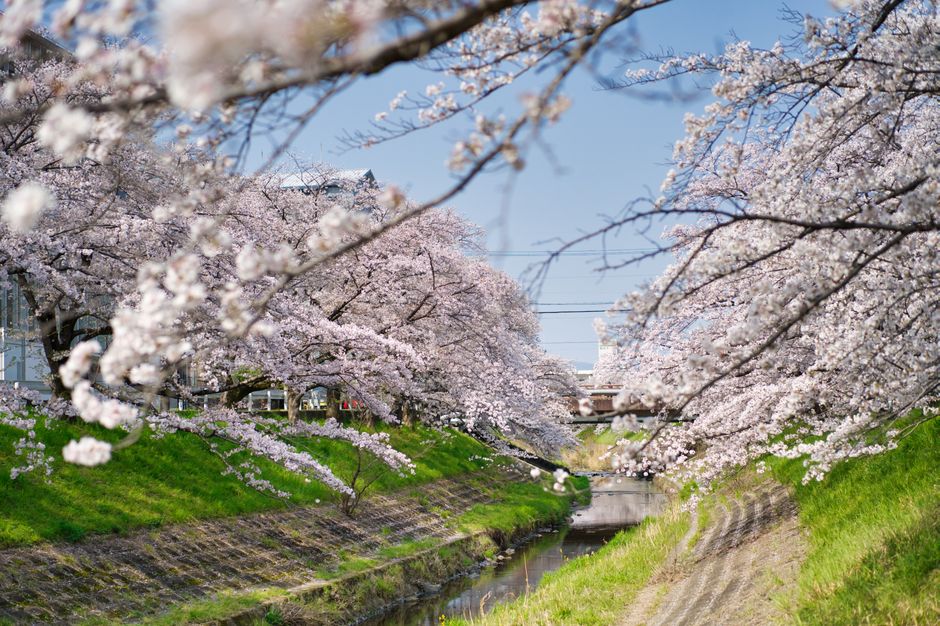
The choice depends less on the resort’s overall reputation than on what you want from your trip. Hokkaido attracts skiers looking for light powder and a very international environment. Nagano and Niigata are more convenient if you want to combine skiing with villages, onsen and access from Tokyo. Yamagata is ideal for a trip focused on scenery and mountain culture.
| Resort | Profile | Best for | Things to bear in mind |
|---|
| Niseko | Major international destination | Powder, varied ski areas and English-language services | Potentially high visitor numbers and prices |
| Furano | Quieter Hokkaido resort | Skiing in a less crowded atmosphere | Access and transport need to be planned carefully |
| Hakuba | Group of Alpine-style resorts | Technical pistes and groups with different ability levels | The areas are spread out, so getting around matters |
| Nozawa Onsen | Traditional hot-spring village | Combining skiing with hot baths | Village accommodation gets booked up early |
| Myoko | Local mountain destination | Abundant snow and a Japanese atmosphere | Compare the ski areas before choosing your accommodation |
| Zao Onsen | Resort known for its frost-covered trees | Scenery, onsen and skiing | Weather can limit visibility at altitude |
Hokkaido: Niseko or Furano?
Niseko is an easy choice for a first ski trip to Japan: it has a well-developed range of accommodation, ski schools and services. In return, the resort can be very busy and more expensive. Furano is better suited to travellers looking for a less crowded destination. In both cases, check the shuttles, timetables and distance between your accommodation and the lifts.
Hakuba and the resorts of Honshu
Hakuba lets you explore different areas and cater for different ability levels, with Alpine terrain that appeals to advanced skiers. Nozawa Onsen is better suited to a stay where the village matters just as much as the pistes. Myoko offers an alternative to the atmosphere of the major international destinations. Zao Onsen stands out for its frost-covered trees, but this spectacle depends on the weather conditions.
How much does a ski trip to Japan cost?
The total budget is not limited to the lift pass. Add up international transport, the journey to the resort, accommodation, the lift pass, equipment hire, meals, insurance and activities. The amounts already shown on this page provide useful guidelines, but they are not a quotation: check each item with the provider before paying.
- Lift pass: the daily prices recorded range from around 4,000 yen to 9,500 yen depending on the resort; weekly passes may be more suitable for a longer stay.
- Equipment hire: allow a separate budget for skis, boots and poles, and book in advance if you have a large shoe size or a specific requirement.
- Accommodation: a hotel, ryokan or chalet will not offer the same level of comfort or proximity to the slopes. Compare the price per person rather than the total accommodation price.
- Transfers: buses, trains, domestic flights and rental cars can significantly change the cost and journey time.
- Insurance: check the cover for skiing, mountain rescue, cancellation and equipment. For a long stay or relocation, also consult this guide to health insurance for expats in Japan.
Organised or independent?
An organised trip simplifies flights, transfers and accommodation bookings. It may suit a first experience or a group wanting to minimise the logistical work. An independent trip offers more choice, but requires you to coordinate transport, lift timetables and cancellation terms. Ask what is included before comparing two offers.
When should you go skiing in Japan?
The season varies depending on the region and altitude. The period covered on this page runs from mid-November to early May, with differences between Hokkaido and Hakuba. Snow quality, piste openings and connections between ski areas change throughout the season. Check each resort’s official calendar rather than relying on a general period.
- At the start of the season, check how many pistes are actually open and the snow cover in the area where you are staying.
- In the heart of winter, plan ahead for demand for accommodation, shuttles and ski lessons.
- At the end of the season, choose a resort and altitude suited to the conditions, then check the closing dates.
Transport and practical planning
Start by identifying your arrival airport, then calculate the journey to the resort. In Hokkaido, the transfer to Niseko can be by bus or car, depending on the information already provided. In Honshu, the train can make it easier to reach certain destinations, but the final leg may require a local shuttle. Allow some extra time between your arrival and your first day of skiing.
- Book accommodation near a lift, a shuttle stop or the village centre.
- Check the conditions for transporting equipment on trains, buses and planes.
- Book lessons, equipment hire and transfers when recommended by the resort.
- Plan a back-up option in case of delays or bad weather.
If you are staying in Japan for longer, also check the formalities suited to your situation in the guide to the Japan visa for French nationals. For general guidance during your trip, see the safety recommendations for tourists in Japan.
Off-piste skiing, avalanches and mountain conduct
Do not leave a marked piste without knowing the local rules. Some resorts prohibit off-piste skiing and may withdraw your lift pass. In national parks, permits or an accompanying guide may be required, depending on the area. For backcountry skiing, use a qualified guide, check the avalanche bulletins and turn back if conditions are not sufficiently safe.
- Respect closed areas, boundary ropes and lift operating times.
- Do not go alone into an unmarked area.
- Check the weather conditions and avalanche bulletin before each outing.
- Keep your insurance details and emergency instructions to hand.
Combining skiing, onsen and Japanese culture
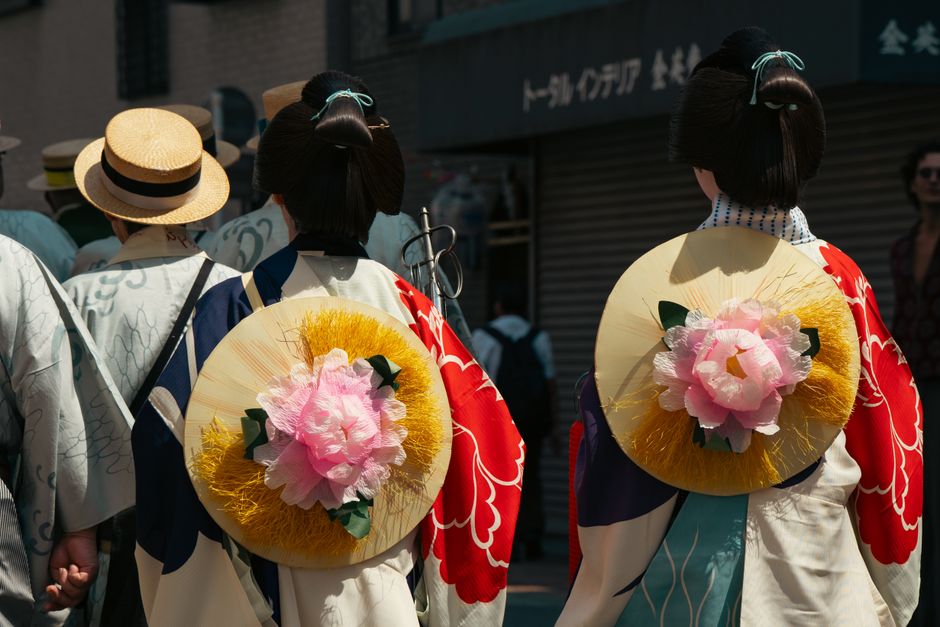
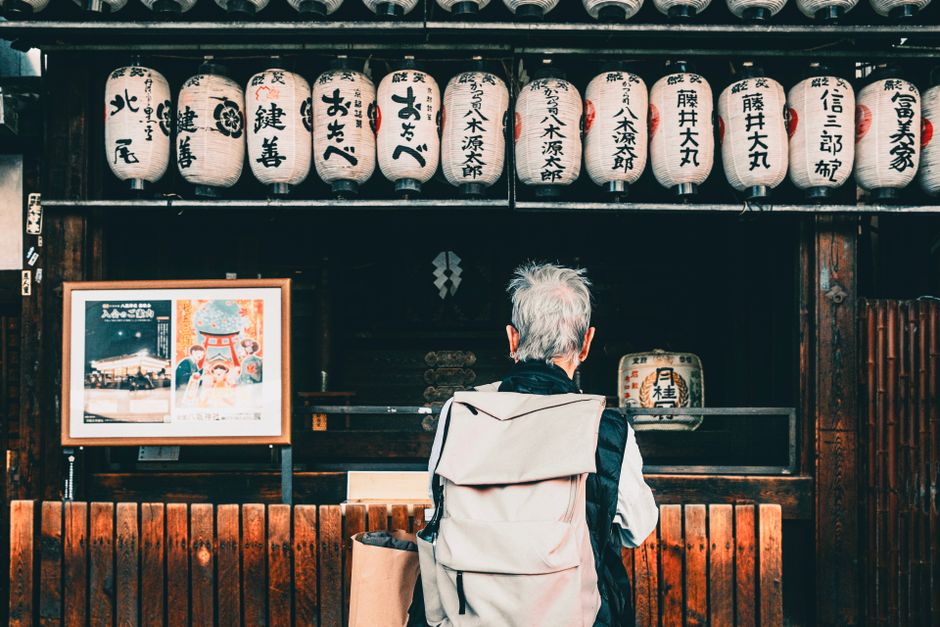
The trip is best enjoyed by alternating days on the slopes with time to recover. Nozawa Onsen, Zao Onsen and other villages let you experience hot baths in a mountain setting. Follow the access rules: shower before bathing, be discreet and check the entry conditions for tattoos. A ryokan can round off the experience, but its price and services should be compared with those of a hotel.
To extend this type of stopover, you can also consult the guide to Hakone and its onsen, taking into account the distance from your ski resort.
Frequently asked questions
What is the best ski resort in Japan?
There is no one ideal resort for all travellers. Niseko suits those looking for a major international destination and powder snow. Hakuba offers several areas and more Alpine terrain. Nozawa Onsen focuses on the village and hot baths. Furano or Myoko may be better suited to those who want a less international atmosphere.
Where should beginners ski in Japan?
Choose a resort with easy slopes, a clearly identifiable ski school and accommodation close to the lifts. Nozawa Onsen, Hakuba and Niseko offer services suited to different ability levels, but what is available varies by area. Check the lessons available, the language taught and the access conditions before booking.
How much does a ski trip to Japan cost?
The budget depends mainly on the flight, resort, accommodation and duration. The estimates listed on this page indicate an independent-travel budget of €2,000 to €2,800 per person for seven days, excluding international flights. Ask for a detailed, up-to-date quote including transport, lift pass, equipment hire, meals and insurance.
Do you need to book well in advance to ski in Niseko?
Booking in advance is recommended when travelling during a popular period, especially for accommodation close to the slopes. Compare cancellation policies, shuttles and the distance from the lifts. If accommodation in the centre is fully booked, widen your search to areas served by local transport.
Can you go off-piste in Japan?
Yes, but only in compliance with the resort’s rules and local restrictions. Unmarked areas may be prohibited, and backcountry skiing may require a guide or permission. Check the avalanche bulletin, make sure your insurance covers you and do not go out if the conditions or your ability are unsuitable.