
Hakone onsen: complete 2-day guide
📍 Activities Guide

Hakone onsen: complete 2-day guide

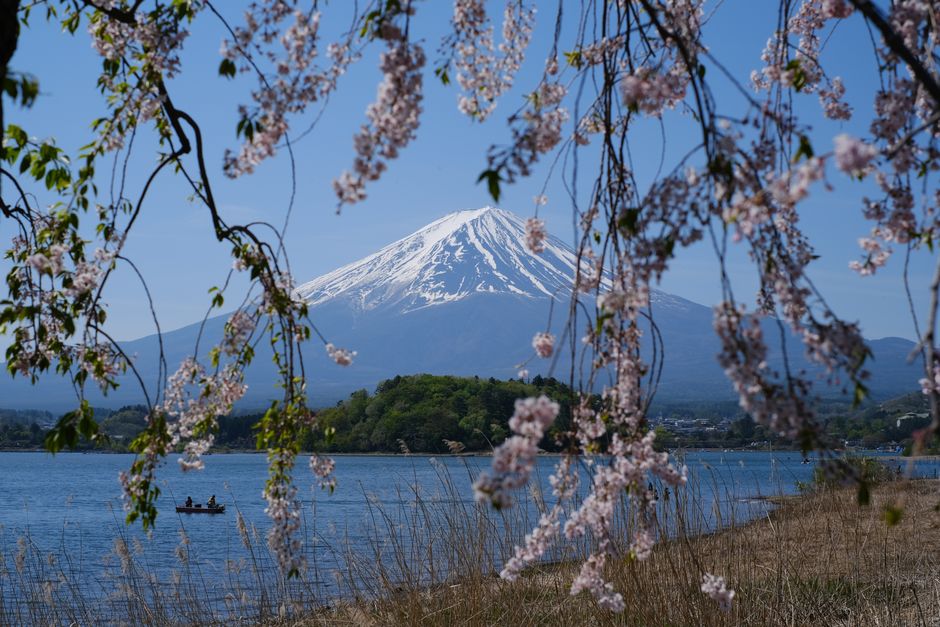
Hakone is the most accessible hot-spring resort from Tokyo (90 minutes by Romance Car). Volcanic hot springs, views of Mount Fuji, a cruise on Lake Ashi and an open-air museum: it is Tokyoites’ favourite ryokan-and-excursion destination and the gateway to Fuji.

Hakone onsen refers to all the hot springs in Hakone, a Japanese hot-spring destination that is easily accessible from Tokyo. You can discover a public bath for the day, book a ryokan with meals and an overnight stay, or choose a private kashikiri bath. For your first visit, check the rules on tattoos, nudity, opening hours and access from your accommodation before setting off.

Hakone is not limited to its baths, however: Lake Ashi, the cable car to Ōwakudani, the museums and the volcanic landscapes allow you to plan a day trip or a slower-paced stay. Your choice mainly depends on the time available, how much privacy you want and the importance you place on the ryokan experience.

Tours and activities

Why Hakone

Hakone lies in the Fuji volcanic belt, which is rich in onsen (sulphurous, iron-rich and alkaline hot springs). The tōno-mizu (lord’s water) was already in use in 1664. Today, the resort welcomes 20 million visitors a year.

Unique combinations: onsen + Fuji views + Lake Ashi cruise + museums (Open-Air, Pola) + 1 hour 30 minutes from Tokyo. Ideal for a weekend from Tokyo or a break between city and countryside.

The Hakone Free Pass

Hakone Free Pass: 6,100 yen (from Shinjuku, 2 consecutive days). Includes: Romance Car (return), Hakone Tozan bus, funicular, Ōwakudani cable car, Lake Ashi cruise and Hakone Tozan Train.

3-day version: 6,500 yen. Significant saving compared with individual tickets (3,000 yen for the bus + 1,200 yen for the boat + etc.).

Classic 2-day itinerary

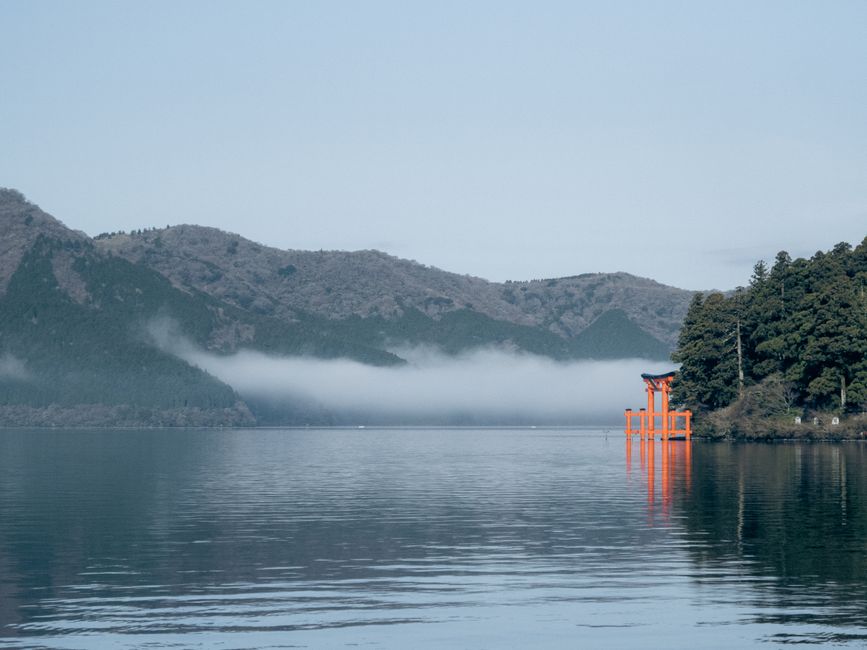
Day 1: Shinjuku (Romance Car at 8 am) → Odawara → Hakone-Yumoto (Hakone Tozan train, 40 min) → kamasu udon lunch → Lake Ashi (30-minute pirate cruise, 1,200 yen) → floating torii gate at Hakone-jinja → ryokan onsen → kaiseki dinner.

Day 2: Ōwakudani (cable car 2,600 yen return, black eggs 500 yen for 5) → Hakone Open-Air Museum (1,600 yen) → lunch in Gōra → return to Shinjuku at 5 pm.

Ryokans and private onsen

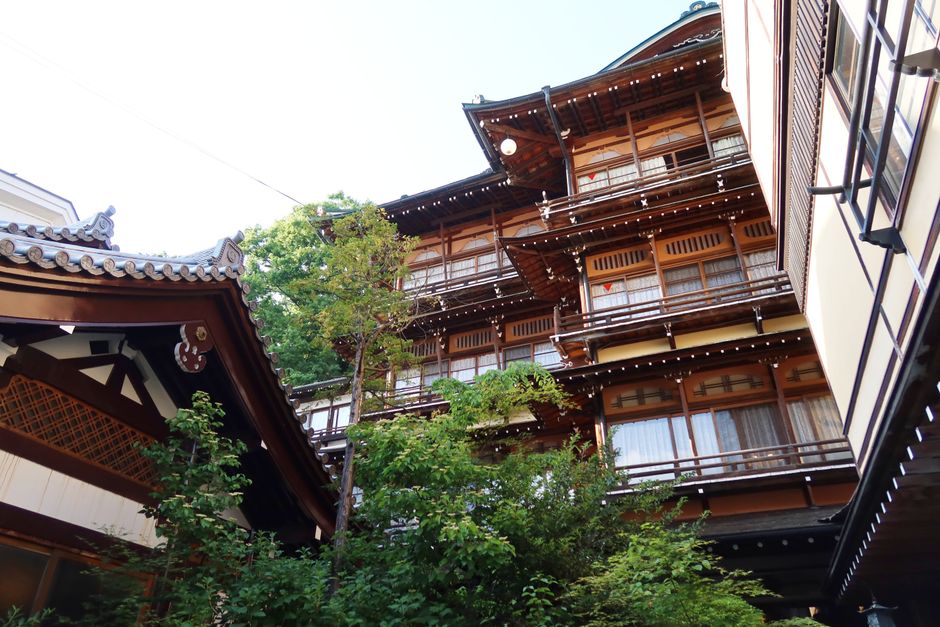
For 1 night with kaiseki + onsen: Yama no Chaya (38,000 yen, Fuji views), Yama no Hotel (45,000 yen, a century old), Setsugetsuka (32,000 yen, rooftop onsen).

Private onsen (kashikiri): Hakone Tent (1,500 yen/45 min), Yunosato (2,000 yen/60 min). For tattooed guests: patches available to borrow for hire (300 yen).

Practical tips

Tattoos: not permitted in public onsen (show a patch or use a private onsen). Tipping: unnecessary and sometimes insulting. Meals included with a ryokan stay: do not linger beyond 8:30 pm out of respect for other guests.

Best season: November (koyo + clear views of Fuji) and February–March (skiing + hot springs). In April, Hakone is surrounded by cherry blossom.

Combinations and accommodation

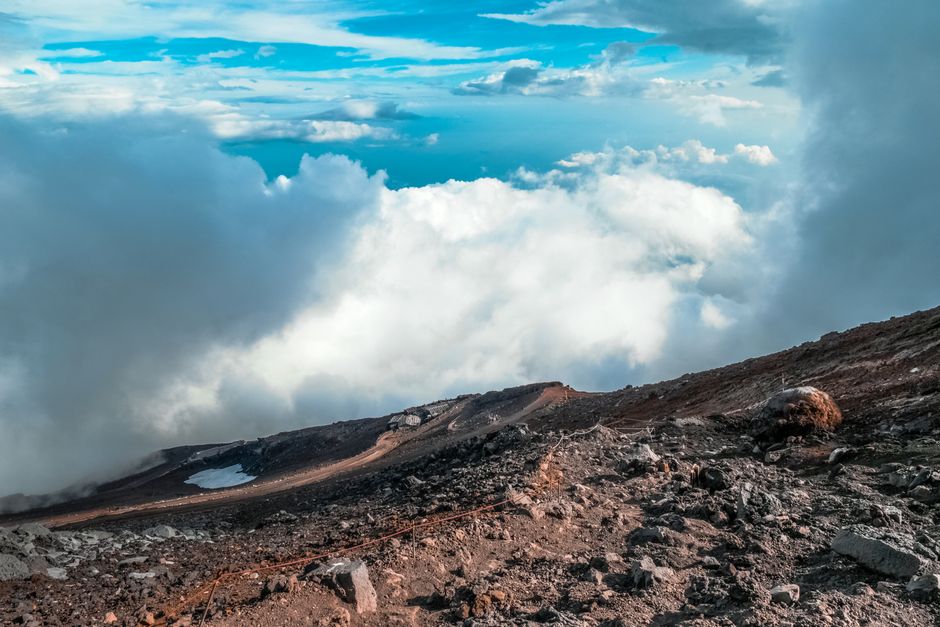
Combine with climbing Fuji (1 month in July–August) or Tokyo (90 min). Hakone onsen hotels: 6 ryokans tested. See the onsen guide and Hakone guide.

Ryokan bookings: GetYourGuide Hakone offers 1-night + 2-day packages.

To book a guided tour: Viator Japan.

Hakone onsen 2026: interactive comparison of the most useful formats

Compare at a glance a public day onsen, a ryokan with an overnight stay, a private kashikiri bath and a family spa with swimsuit areas.

Comparison table

Click a heading to sort the formats.

4 formats displayed

Format Privacy Budget Access Tattoos Cultural experience Ideal for
Public day onsen
The simplest way to try Hakone without staying overnight.
Average
★★★☆☆
Often the best balance of price and immersion.
Very good Often refused Good Curious travellers, short stays and first-time visitors to Hakone.
Ryokan with overnight stay
The most complete experience: meals, futon, bath and hospitality.
High
★★★★★
The most expensive, but also the most memorable.
Variable Varies by establishment Excellent Romantic stay, premium getaway and complete immersion in Japan.
Private kashikiri bath
Bookable for a private time slot, perfect for peace and quiet.
Very high
★★★★☆
Often an additional charge, but very worthwhile.
Good Often accepted Average Couples, families, reserved people, travellers with tattoos.
Family spa with swimwear areas
A hybrid format that is more fun and accessible for mixed groups.
Average
★★★☆☆
Often somewhere in between, depending on services and opening hours.
Very good More flexible More fun than traditional Families, groups of friends, beginners and people wishing to avoid bathing naked.

Quick overview

Recommended choice for your profile

Best for a first experience
Public onsen
Simple, accessible and quintessentially Hakone.
Best comfort
Ryokan
Night + bath + meal = total immersion.
Best privacy
Kashikiri
The quietest and most flexible option.
Most convenient for groups
Family spa
Easier for children and mixed groups.

Quick tip

For the article

If you want the view + atmosphere Choose a ryokan with an onsen at the end of the day, ideally with an unobstructed view of Mount Fuji when the weather allows.
If you have tattoos The simplest option is a private kashikiri bath or an establishment that explicitly welcomes tattoos.
If you are watching your budget A daytime visit to a public onsen is generally the best introduction to Hakone.

Tip: use the search function to filter the table, then click the columns to reorder the formats according to your priorities.

Tip: set up a Japan eSIM before departure so your data works on arrival.

Frequently asked questions

Are tattoos accepted in Hakone’s onsen?

Not everywhere. Some establishments still refuse them, while others allow them if they are small or covered. The simplest option is to check before visiting or choose a private kashikiri bath.

Can you wear a swimsuit in Hakone’s onsen?

In traditional onsen, no. Swimsuits are generally not allowed. However, there are a few spa-style or family complexes where some areas require swimwear, but this must be clearly stated.

What is the best time of year to see Mount Fuji from Hakone?

Autumn and winter often offer the best chances of clear skies. Morning is the most favourable time, whatever the season.

Should you stay overnight in Hakone or is a day trip enough?

Both options work. One day is enough for a first visit including the train, cable car, Lake Ashi and a daytime bath. Staying one night in a ryokan is preferable if your aim is to enjoy a kaiseki dinner, a bath at sunset and a slower pace.

How can you avoid unpleasant surprises when booking?

You should check the area, access, opening hours, whether a private bath is available, the tattoo rules and the dinner conditions. Booking early is also a real advantage, especially for weekends and highly sought-after seasons.

Updated on

Which type of onsen should you choose in Hakone?

Hakone’s establishments do not all offer the same experience. Some welcome day visitors, while ryokans reserve their baths for guests or offer limited access. Before booking, identify the format that best suits your situation.

FormatWhat you will findThings to check
Day-use onsenA hot-spring bath without an overnight stay, convenient for a day tripOpening hours, access and whether booking is required
RyokanJapanese-style room, meals, futon and access to the bathsMeals included, dinner times and the establishment’s rules
KashikiriA private bath for a set time slotDuration, extra charge, capacity and tattoo policy
Family spaA more flexible setting, sometimes with swimwear areasRelevant areas and rules applying to children

A private bath is often the simplest choice for a couple, a family or anyone who does not wish to bathe with other visitors. If you are looking for traditional etiquette instead, read the guide to the sacred art of the onsen before you leave.

How should you organise a trip to Hakone from Tokyo?

Hakone is easy to visit from Tokyo, but its attractions are spread across several areas. The journey should therefore not be judged solely by the distance between the two cities: you also need to allow for connections, waiting times and getting around once there.

Choosing where to arrive

Hakone-Yumoto is a convenient gateway if you want to start with the valley’s shops, restaurants and hot-spring establishments. Gōra is better suited to a day focused on museums and mountain transport. The area around Lake Ashi is a better choice if you are looking for scenery, shrines and a stroll.

Planning your journeys

The local network combines trains, buses, a funicular, a cable car and boats. A pass can simplify your journeys when your itinerary involves several forms of transport. However, check the validity conditions, included lines and any possible surcharges when purchasing it, as separate tickets may be more suitable for your itinerary.

On the day of your trip, allow extra time for queues, changes and the weather. Fog can reduce the appeal of certain viewpoints, while heavy crowds slow down the most popular areas. An itinerary with fewer stops often allows you to enjoy the bath and scenery more fully.

What can you do around the Hakone onsen?

A successful stay generally alternates between relaxation and sightseeing. Lake Ashi offers a pleasant break between journeys, while Hakone-jinja Shrine attracts visitors with its wooded setting and torii standing at the water’s edge. The cable car allows you to explore the volcanic scenery around Ōwakudani when operating conditions permit.

Museums and walks

The Open-Air Museum is ideal for travellers who want to add an artistic dimension to their day. Other museums in the area make it possible to put together a cultural itinerary, but it is better to choose one or two visits rather than trying to see everything between baths.

Putting together a well-planned day

  1. Start with the activity that depends most on the weather, such as a viewpoint or a cable-car journey.
  2. Have lunch near your next stop to avoid making an unnecessary return journey.
  3. Save the bath for the end of the day if you are staying overnight, or choose an establishment close to your return route.
  4. Keep a backup option, such as a museum or a walk, in case a transport service is suspended.

This approach prevents Hakone from becoming simply a succession of connections. It also leaves you more time to follow the hot-spring establishment’s instructions.

Rules to know before your first bath

In a traditional onsen, you wash before entering the bath and generally do not wear a swimming costume. Towels must be kept out of the water. Rules may vary from one place to another: read the information on site and ask staff for confirmation if in doubt.

Tattoos, privacy and reservations

Tattoo policies are not uniform. Some establishments ask you to cover them, others direct visitors to a private bath, and some refuse entry. Do not assume that a rule applying at one ryokan also applies at another. Messaging the establishment before booking can save you an unnecessary journey.

For a kashikiri, check the exact time slot, the permitted number of people and the amount of time actually allocated to the bath. For a ryokan, also check the dinner cut-off time, cancellation conditions and whether the room includes a private bath.

Which accommodation should you choose in Hakone?

A ryokan with an onsen is suitable if you want your overnight stay to be at the heart of the trip. You can then enjoy a slower pace, a Japanese-style room and the meal provided by the establishment. An overnight stay is not essential for discovering Hakone, but it gives you more time to enjoy the hot-spring experience.

When comparing accommodation, do not stop at the word “onsen”. Look at the location, access from the station, type of bath, whether you can book a private time slot, meals and the rules regarding tattoos. To prepare more broadly for moving to Japan, you can also consult the guide to the Japan visa for French nationals.

Checklist before setting off

If you have a health problem, are pregnant or are unsure about using hot springs, seek advice from a healthcare professional before bathing. Once there, follow the establishment’s instructions and get out of the water as soon as you feel unwell.

Frequently asked questions

Can you visit Hakone without booking a ryokan?

Yes, a day trip allows you to discover the mountain transport, Lake Ashi, the museums and some baths open to non-staying visitors. However, check the opening hours and entry conditions of your chosen onsen. If you want a ryokan dinner or a bath reserved for guests, you will need to stay overnight.

Where should you stay for easy access to onsen in Hakone?

Hakone-Yumoto is convenient for access from Tokyo and for the establishments in the valley. Gōra is better if you are prioritising museums and mountain transport. When choosing, compare the distance from the station, meals, type of bath and rules regarding tattoos.

Can children go to an onsen in Hakone?

Conditions depend on each establishment: the minimum age, opening hours, supervision and expected behaviour may vary. Family-friendly spas may be more suitable for groups with children, while traditional baths have stricter rules. Check the regulations before booking and supervise children at all times.

What can you do in Hakone when the weather prevents you from seeing Mount Fuji?

The weather does not have to compromise the entire visit. You can opt for a museum, a hot-spring bath, a walk around the Hakone-Yumoto neighbourhoods or a meal at a ryokan. The itinerary can be rearranged depending on the transport available. Views depend on visibility and are never guaranteed.

Should you book an onsen in Hakone in advance?

Booking is particularly useful for a ryokan, dinner or a private kashikiri bath, as time slots are limited. For a day visit, arrangements vary depending on the establishment. Check its official page before travelling and verify the cancellation policy, opening hours and any closure days.