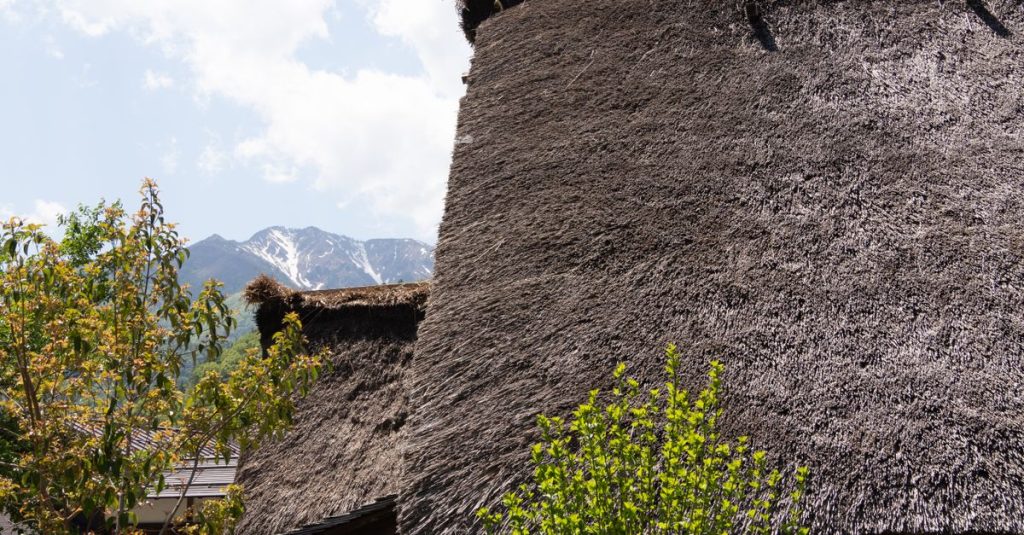
Shirakawa-go: Visit the Gasshō-Zukuri Village
Discover Shirakawa-go, a UNESCO-listed Japanese village with gasshō houses, Alpine scenery and practical advice for planning your visit.
Travelling to Japan in June is a good option if you are prepared for showers and adapt your itinerary to the weather. The rainy season, known as tsuyu, affects much of the archipelago, but this does not mean it rains continuously: days often alternate between sunny spells, humidity and rainy periods. To make the most of your stay, choose flexible stops, plan indoor activities and select your region according to your priorities.
Japan in June also offers lush green landscapes, abundant gardens and an atmosphere less focused on the major summer departures. Hokkaido is generally less affected by tsuyu than regions further south, while Okinawa experiences an earlier rainy season. Here is how to understand Japan’s weather in June, where to go and what to plan before you leave.

Rainfall varies by region: check the forecast shortly before departure and leave some flexibility in your itinerary.
Hokkaido in June is worth considering if you want to prioritise wide-open spaces and limit your exposure to tsuyu.
Okinawa in June can be hot and humid; check local conditions before planning beach days or boat trips.
Tokyo, Kyoto and Osaka remain appealing thanks to their museums, shopping districts, temples and indoor activities.
A compact umbrella, quick-drying shoes and an adaptable schedule make getting around more comfortable.
Tsuyu refers to the rainy period affecting a significant part of Japan at the beginning of summer. Its timing and intensity differ by region and from year to year, so it is better not to build an entire trip around an assumed start or end date. To place this phenomenon within the seasonal cycle, see our guide to Japan’s rainy season and our overview of weather and seasons in Japan.
A rainy day does not necessarily mean continuous rain. There may be dry spells, but humidity can make clothing and journeys less comfortable, especially after several hours outside. Local forecasts are more useful than the general idea of a “week of rain”: check them regularly and keep a nearby alternative activity in mind.
In large cities, rain mainly changes the logistics of getting around. Pavements can be slippery, umbrellas clutter walkways and journeys on foot take longer. Public transport makes it easy to reach many districts, but it is still sensible to avoid days that combine places a long way apart.
For your initial preparations, remember these Japan travel tips: pack a light waterproof jacket, protect your phone and documents in a pouch, and choose comfortable shoes that can cope with damp conditions. Umbrellas can also be bought locally, but it is better to have a solution from the start, particularly for journeys between the airport, your accommodation and the station. A suitable travel bag can also make wet-weather travel easier.
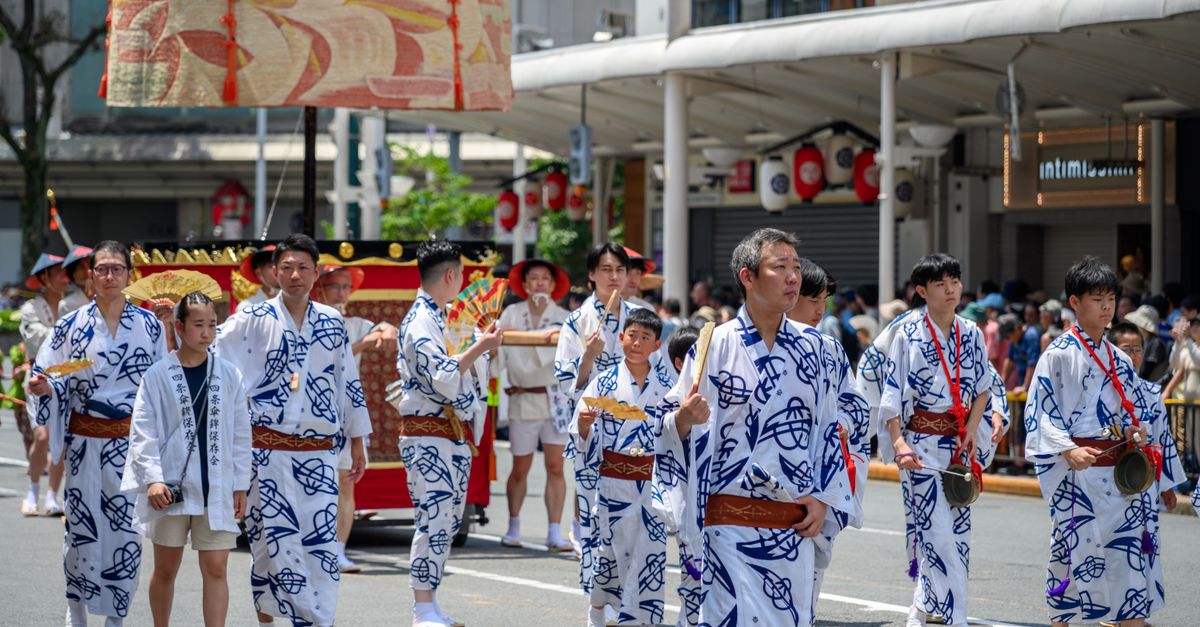
The best destinations in Japan in June depend on the type of trip you want. For an urban holiday, Tokyo, Kyoto and Osaka offer plenty of visits that can be moved or replaced if showers arrive. Museums, galleries, covered markets, department stores and cafés give you flexibility during the day, while temples and gardens remain enjoyable when the rain is light.
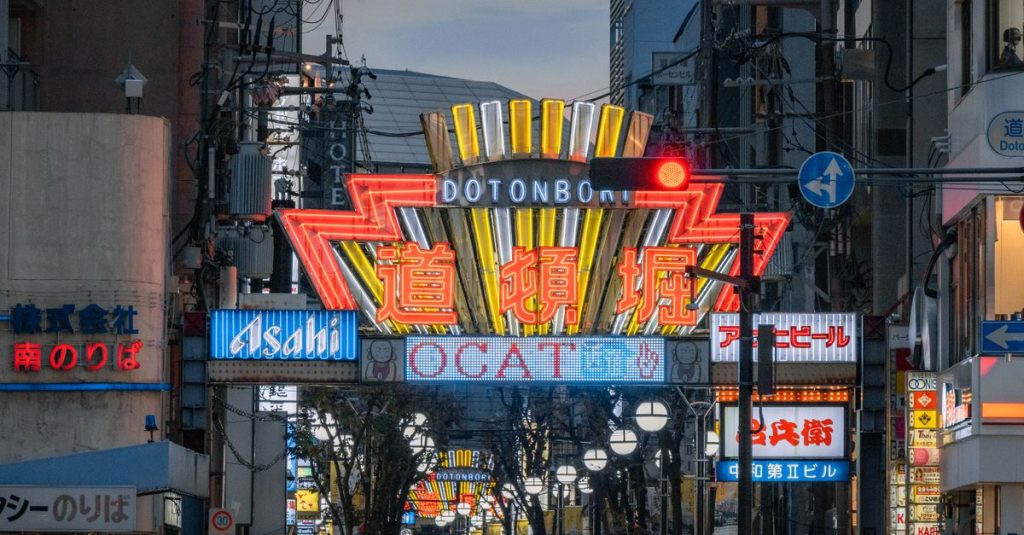
In Tokyo, alternate outdoor neighbourhoods with sheltered visits rather than planning a long walk without a fallback option. In Kyoto, gardens and tree-lined paths take on a particularly lush appearance, but paving stones and steps can become slippery. Osaka is well suited to days focused on food, covered shopping arcades and lively districts. Find practical ideas in our guides to Tokyo, Kyoto and Osaka.
Hokkaido in June is often chosen by travellers who want to discover natural landscapes in weather different from that of the central regions. The climate remains changeable and conditions vary between areas, so outdoor activities should remain flexible. Distances are considerable, making it particularly useful to check routes and local conditions before setting off on an excursion.
Okinawa in June calls for a different approach. Heat and humidity can make sightseeing tiring, and the weather may affect trips out to sea. Plan alternative activities and confirm conditions with local operators before an excursion. The table below summarises the main points, but does not replace current forecasts.
| Region | Why visit in June | What to anticipate |
|---|---|---|
| Tokyo | Museums, shopping districts and varied sightseeing | Spread activities according to the forecast |
| Kyoto | Gardens and cultural sites surrounded by abundant greenery | Plan footwear suitable for wet surfaces |
| Hokkaido | Wide-open spaces and outdoor itineraries | Check conditions and travel distances |
| Okinawa | Exploring the islands and coastal activities | Confirm the weather and whether boat trips are operating |
Tip: set up a Japan eSIM before departure so your data works on arrival.
The question “what to do in Japan in June?” is easier to answer with a flexible itinerary than with a list of activities exclusively outdoors. In a large city, combine a short outdoor visit with an indoor activity in the same area. If the rain becomes heavier, you can spend longer in a museum or gallery without crossing the city.
Cultural venues allow you to discover Japanese history and arts without depending as much on the weather. Covered markets and shopping streets are also practical places to sample local specialities while staying dry. To plan your meals and identify dishes to try, our page on Japanese cuisine can complement your itinerary.
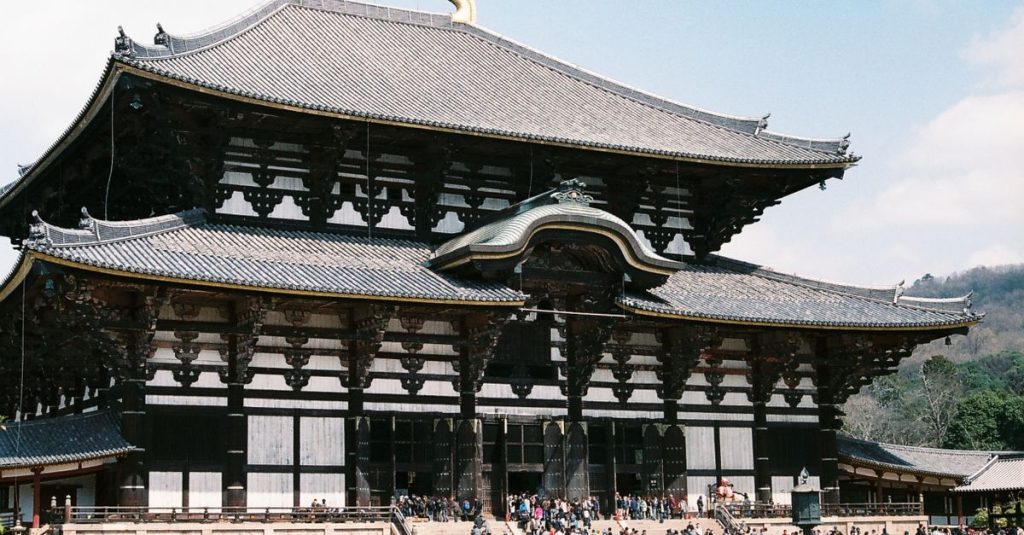
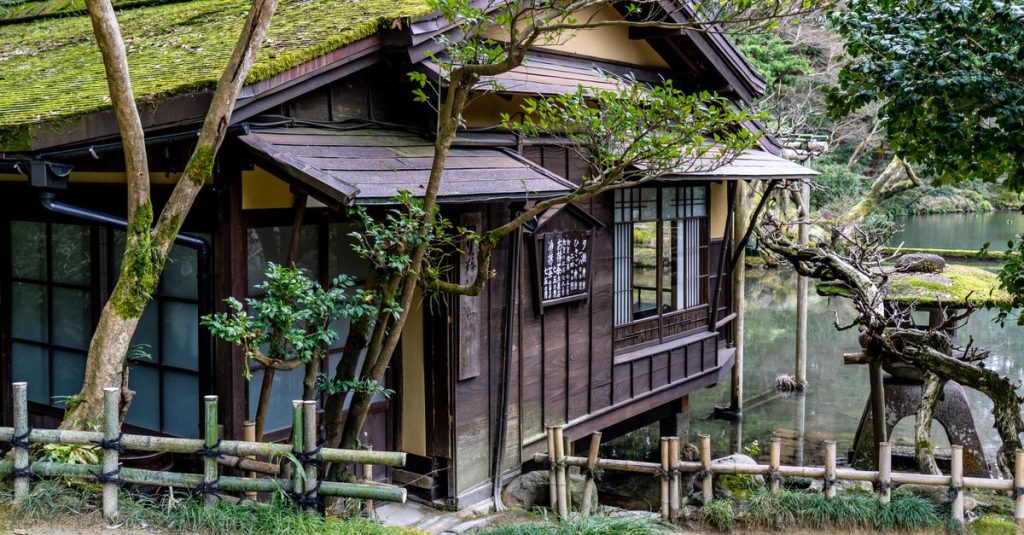
Gardens and temples should not be ruled out as soon as it rains. Light rain can make colours more intense and paths quieter, but follow each site’s instructions and take care on steps. It is better not to schedule several distant gardens on the same day: choose one area, then add an indoor activity nearby.
Local festivals and events can also enrich your programme, but their dates and conditions vary. Check the information with the organisers before travelling. Our guide to matsuri and festivals in Japan explains their place in local life and helps you identify events that fit your route.
For journeys between cities, avoid overloading days with connections and walking tours. Travelling by train remains practical, but heavy rain can slow transfers outside stations. Our guide to getting around Japan helps you plan journeys while taking the different modes of transport into account.
For a trip to Japan in June, build a route with stops long enough to absorb changes in the weather. If you are visiting several cities, avoid spending every day on a transfer followed by a long outdoor visit. A more flexible programme reduces the risk of having to abandon an important activity because of a shower or delay.
Pack lightweight clothing that dries quickly, a waterproof layer that is easy to carry and a bag that protects electronic devices. A small towel can be useful after a shower or in places where you need to remove your shoes. On hot days, breathable clothing and breaks in the shade make sightseeing more pleasant.
Before booking, compare stops according to your interests rather than looking for a region guaranteed to be rain-free. Conditions change from one year to the next, and no destination can promise perfect weather. If you are unsure whether to choose an urban holiday or a more natural itinerary, start by defining your priority activities, then plan an alternative for each one.
Your budget and bookings also deserve separate preparation. Prices and conditions change; check them with the relevant providers or organisations when planning. To estimate expenses and organise ticket purchases, see the pages on a Japan travel budget and flights to Japan.
No. Tsuyu brings rainy periods to several regions, but it does not necessarily rain all day. A flexible itinerary and indoor activities allow you to enjoy your stay.
Hokkaido is often considered for this reason, as it is generally less affected by the rainy season than the central and southern regions. Conditions nevertheless vary, so check local forecasts before finalising your stops.
Yes. Temples, gardens and historic districts remain accessible depending on the day’s conditions. Plan footwear suitable for wet surfaces and combine outdoor visits with sheltered activities.
Pack lightweight clothing, a waterproof jacket, comfortable shoes that can cope with damp conditions and protection for your electronic devices. Adapt your clothing to the forecast for each region.
To book tours and activities in Japan ahead, see the options on Klook.
Updated on 13/11/2026
Scroll to see more articles →