Suitcase or backpack: the right choice for your itinerary
The best travel bag for Japan is not the same for a stay focused on Tokyo as it is for a route involving several city changes. First, look at your itinerary, how often you will be travelling and how easily you will be able to carry your luggage through stations.
| Situation | Generally suitable luggage | What to check |
|---|
| Mainly urban stay | Compact cabin suitcase | Wheels, handle and interior storage |
| Itinerary with several stops | Travel backpack | Shoulder-strap comfort and access to your belongings |
| Day trips | Small foldable bag or daypack | Empty weight and whether it can be stored |
| Returning with purchases | Luggage with available space | Fastening, sturdiness and permitted allowance |
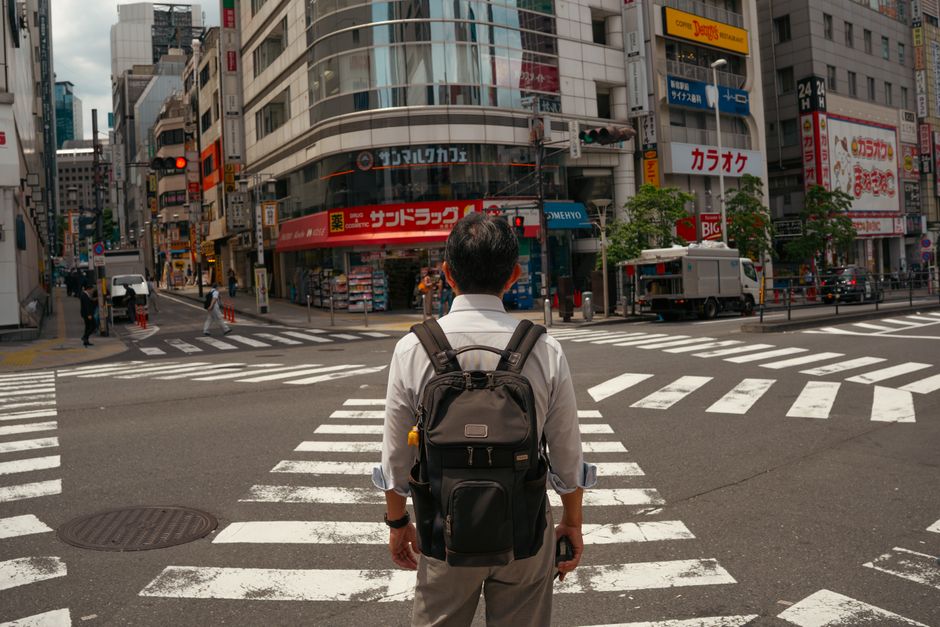
A suitcase rolls easily over long distances, but becomes less convenient on stairs, in narrow streets or when you need to change platforms quickly. A backpack leaves your hands free and makes getting around easier, provided you do not overpack it. To plan your itinerary, also see this guide to your first trip to Japan.
Cabin size cannot be guessed
The permitted dimensions vary depending on the airline, ticket and type of baggage included. General guidelines found online therefore do not replace the official page for your booking. Measure the luggage with its wheels, handles and filled pockets. Also check the weight, as a bag that meets the size requirements may be refused if it exceeds the stated limit.
- Check the rules for each flight, particularly if your journey involves several airlines.
- Place heavy items close to your back or at the bottom of the suitcase to stabilise the luggage.
- Keep your documents, personal medication and essential devices in an easily accessible compartment.
- Do not take into the cabin an item whose carriage is prohibited by the airline or the authorities.
Organise your luggage without overpacking
Japan is easy to travel around with light luggage if you avoid duplicates and choose clothes that work well together. Prepare a base of neutral outfits, then add a warm or waterproof layer depending on the season and the regions you are visiting. Quick-drying clothes are useful when using a launderette during your stay.
A simple way to pack your suitcase
- Lay out everything you are considering taking next to the bag.
- Remove similar clothes and accessories that can only be used once.
- Put together complete outfits rather than piling up individual items.
- Keep underwear and small items in separate pouches.
- Leave some empty space for purchases and items used during the journey.
Packing pouches do not always reduce the volume, but they make things easier to access and prevent you from emptying your entire suitcase in a cramped room. A separate bag for worn clothes also helps keep your belongings clean. Place your jacket and shoes that are easy to remove at the top of your luggage when flying.
What should remain accessible
Keep your travel documents, phone, payment method, personal medication and a change of clothes in your small bag. This arrangement means you will not have to search through your main luggage during a connection or on arrival. Also keep an empty bottle to fill after security, if the airport rules allow it.
Prepare your bag according to the type of trip
A family trip, a solo stay and an itinerary focused on cities do not require the same organisation. For a family trip, distribute essential items rather than putting everything in a single piece of luggage. You will find further advice in this guide to family travel in Japan.
When travelling solo, choose luggage you can carry without help and an organisation system that limits handling. The guide to travelling alone in Japan can help you adapt your choices to your journeys and accommodation. If your stay includes shopping, plan some free space from the outset rather than relying on an additional bag that is too bulky.
Transport and accommodation
Easy-to-handle luggage is more comfortable in stations, on stairs and in busy streets. Avoid filling the outer pockets with fragile items. In traditional accommodation, wheels and shoes must be kept clean; take a small bag to keep shoes or laundry separate.
When you change accommodation frequently, reduce the number of items that require a power connection or particular storage. When you stay several nights in the same place, you can bring more comforts, provided you respect the airline allowance.
Return journey: purchases, souvenirs and extra luggage
Your return journey should be planned before you leave. Souvenirs, food products and fragile items quickly take up the available space. Keep heavy items in the centre of your luggage, protect delicate items with clothing and retain receipts or packaging when useful.
For food, handicrafts, medication and products subject to regulations, check the Japanese and French customs rules before buying them. The requirements may depend on the nature and quantity of the product. Do not carry an item whose import or air transport seems uncertain without first seeking confirmation from the relevant authority.
A foldable bag can be used for shopping during your stay, but it does not automatically become luggage accepted in the cabin. Check whether it is included in your allowance and whether its contents comply with the airline’s rules. To anticipate expenses related to luggage and purchases, see this guide to the budget for a trip to Japan.
Frequently asked questions
Is it better to take a suitcase or a backpack to Japan?
A suitcase is suitable for an urban stay with few changes, while a backpack makes itineraries involving several cities, stairs and frequent transport easier. Above all, choose according to your ability to carry the luggage, your comfort and the accommodation planned. In both cases, opt for a compact model that is easy to organise.
Which cabin bag should you choose for travelling to Japan?
Choose a model whose dimensions and weight precisely match the ticket you have purchased. Rules may vary from one airline to another, including for flights on the same route. Measure the bag with its wheels and handles, then check the official conditions before departure. A lightweight bag with compartments is more practical.
How can you avoid overpacking your suitcase for Japan?
Pack outfits that can be mixed and matched, limit duplicates and leave some space for shopping. Clothes that are easy to wash or dry allow you to reduce the amount you take. Use pouches to organise your belongings, but do not confuse organisation with saving space: they can also take up room.
What should you put in your small bag during journeys in Japan?
Keep your documents, phone, a means of payment, personal medication and any items you need during the journey with you. Add a light layer if the temperature varies between outdoors and transport. Avoid putting an item prohibited in the cabin in it, and check the airline’s rules before boarding.
How can you leave room for souvenirs from Japan?
Do not fill your luggage before departure and set aside a clearly identifiable space for purchases. Protect fragile items with clothing and place heavy items in the centre. Before bringing back any food, medicine or regulated item, check the customs requirements applicable in Japan and in your country of return.