Understanding Japan’s electricity system
Japan’s electricity network has several features that set it apart from the rest of the world. Its 100V voltage is the lowest among industrialised countries, compared with 220–240V in Europe and 120V in the United States. This difference dates back to the Meiji era, when Japan imported German generators for Tokyo (50 Hz) and American generators for Osaka (60 Hz).
This dual frequency still exists today: the eastern part of the country (Tokyo, Hokkaido and northern Honshu) operates at 50 Hz, while the west (Osaka, Kyoto, Nagoya and Hiroshima) uses 60 Hz. For travellers, this difference does not affect the everyday use of modern electronic devices, which adapt automatically.
Types of plugs used in Japan
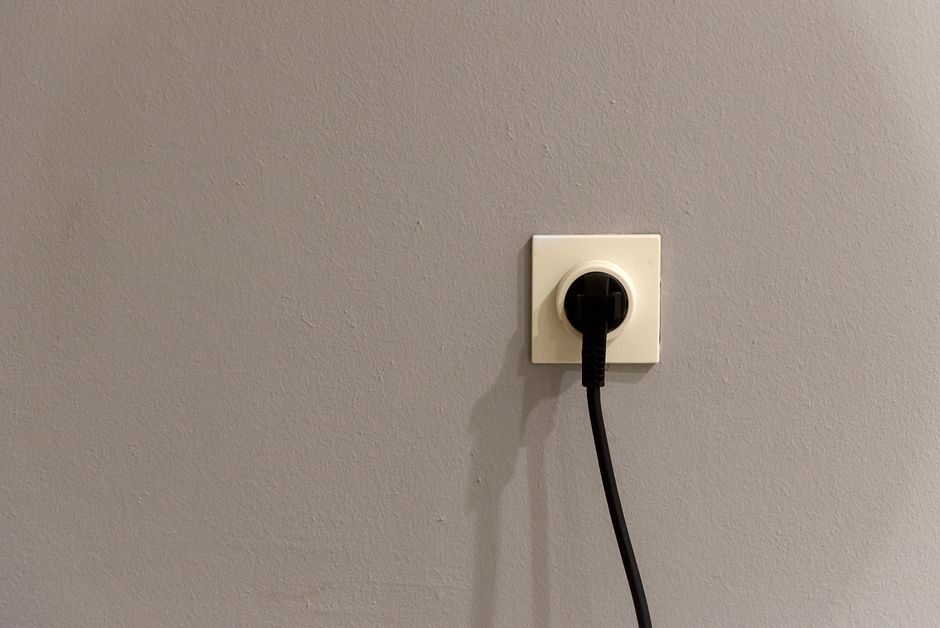
Japanese plugs are type A: two parallel flat pins with a 4.8 mm gap, identical to American plugs. Earthed plugs (type B, with three pins) do exist but remain rare in older homes. Most modern Japanese appliances use double insulation, making an earth connection optional.
| Characteristic | Japan | France | United States |
|---|
| Plug type | A (2 flat pins) | E/F (2 round pins) | A/B (2–3 flat pins) |
| Voltage | 100V | 230V | 120V |
| Frequency | 50/60 Hz | 50 Hz | 60 Hz |
Which adapter to choose for Japan
A plug adapter is essential for connecting your European devices in Japan. There are two main options: a type A-specific adapter (the most compact) or a universal adapter covering several destinations. Compact models cost between 5 and 10 euros in France, compared with 500 to 1,000 yen in Japanese konbini.
Well-known brands offer better durability and safety. Choose an adapter with CE certification to avoid the risk of overheating. If you travel regularly, a universal model is a worthwhile investment. For a trip to Japan only, a simple type A adapter is more than sufficient.
Where to buy an adapter
Before you leave, you can find adapters in electronics shops, supermarkets and online. Once in Japan, konbini (convenience stores open 24 hours a day) sell basic adapters for around 500 yen, which are sufficient for a short stay. Bic Camera, Yodobashi Camera and Don Quijote offer a wider choice, including higher-quality models.
Voltage converter: when do you need one?
The voltage difference between Europe (230V) and Japan (100V) can cause problems for some devices. A voltage converter transforms Japan’s 100V into 220–240V, which is compatible with your European equipment. This type of device costs between 30 and 80 euros for a power rating of 100W, and up to 200 euros for models supporting more than 1000W.
Heating appliances (hairdryers, hair straighteners, electric shavers and kettles) generally require a converter. However, most modern chargers display “Input: 100-240V” on their power supply, meaning they accept any voltage worldwide without a converter. Always check this information before you leave.
Devices compatible without a converter
Smartphones, tablets, laptops, cameras and e-readers almost all use universal 100-240V chargers. Major brands (Apple, Samsung, Lenovo, HP and Dell) equip their products with worldwide-compatible chargers. You will only need a simple plug adapter.
Powerbanks (portable batteries) can also be recharged without a converter via USB. These portable batteries are particularly useful in Japan for long days of sightseeing, especially if you use your smartphone intensively for navigation and translation.
An economical alternative to converters
For heating appliances, buying a Japanese equivalent locally is often cheaper than investing in a heavy, bulky converter. A basic hairdryer costs between 1,500 and 3,000 yen in konbini or at Don Quijote. This solution avoids carrying additional equipment and works optimally with the local power supply.
Charging your devices in Japan
More and more recent Japanese hotels are incorporating USB-A and USB-C sockets directly into their rooms, near the bed or desk. This makes it easier to charge devices without an adapter. Older establishments sometimes have only one wall socket per room, making a USB power strip very useful for charging several devices simultaneously.
Konbini, cafés, restaurants and public spaces also provide sockets and USB ports for emergencies. Qi wireless charging is becoming increasingly common in Starbucks cafés and fast-food chains. If you are staying in a capsule hotel in Japan, each capsule generally has an individual socket and USB port.
Powerbanks and battery life
A 10,000 to 20,000 mAh portable battery is a wise investment for getting around. These powerbanks cost between 1,500 and 5,000 yen in Japan and are available in all electronics shops and konbini. They allow you to recharge your smartphone several times without looking for a socket, which is particularly useful during long days of sightseeing or train journeys.
Regional features and practical considerations
The division of Japan’s electricity grid between 50 Hz and 60 Hz reflects the country’s industrial history. This feature does not affect the everyday use of modern electronic devices, but it has implications for the national grid. Interconnections between eastern and western Japan remain limited, which can create challenges during periods of peak demand or natural disasters such as earthquakes in Japan.
For expats settling in Japan long term, this difference may influence the purchase of certain household appliances. Washing machines, refrigerators and air conditioners are optimised for the local frequency. Check the frequency in your area before buying large second-hand household appliances.
Power strips and electrical safety
Japanese electrical safety standards are strict. Power strips sold locally include protection against power surges and short circuits. If you bring a European power strip, make sure it has a fuse and safety certification. Avoid plugging several high-consumption devices into the same power strip to prevent overheating.
Frequently asked questions
Can I use my French phone charger in Japan?
Yes, if your charger displays “Input: 100-240V” on the casing (as is the case with almost all modern smartphone chargers). You will only need a type A plug adapter to connect the European plug to a Japanese socket. No voltage converter is required.
Do I need a converter for a European hairdryer in Japan?
Yes, European hairdryers operate at 220–240V and require a converter for Japan’s 100V power supply. However, buying a Japanese hairdryer locally (1,500 to 3,000 yen) is cheaper and more practical than investing in a heavy, expensive converter.
Where can I buy a plug adapter in Japan?
Konbini (24-hour convenience stores) sell basic adapters for around 500 yen. For a wider choice and better quality, visit electronics shops such as Bic Camera, Yodobashi Camera or Don Quijote. Adapters are also available at the reception desks of some hotels.
Does the 50 Hz / 60 Hz frequency difference cause problems?
No, not for modern electronic devices (smartphones, computers and cameras). They automatically adapt to both frequencies. This Japanese peculiarity, inherited from the Meiji era, only affects certain industrial equipment or older household appliances designed for a specific frequency.
Do Japanese sockets have an earth connection?
Standard Japanese sockets (type A) are not earthed and have only two flat pins. Earthed sockets (type B, with three pins) do exist but remain rare. Most modern appliances use double insulation, making earthing optional for safe use.
How many adapters should you take for a trip to Japan?
One or two adapters are generally sufficient. Consider taking a compact USB power strip with a single adapter: you will be able to charge several devices simultaneously (smartphone, tablet, camera and power bank) from a single Japanese wall socket. This is more convenient than using multiple individual adapters.