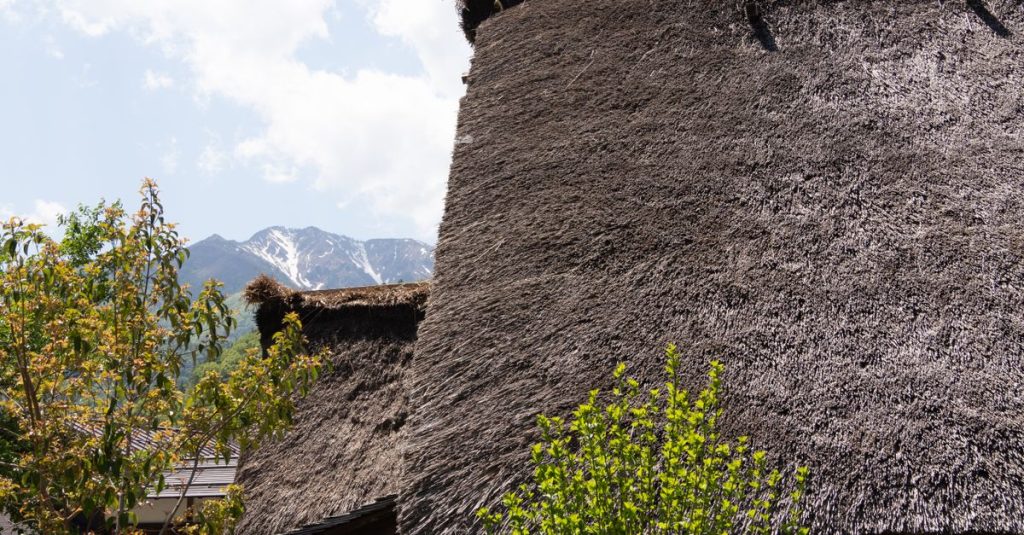
Shirakawa-go: Visit the Gasshō-Zukuri Village
Discover Shirakawa-go, a UNESCO-listed Japanese village with gasshō houses, Alpine scenery and practical advice for planning your visit.
Yes, December is a good time to visit Japan if you enjoy cool air and bright days. Early in the month often offers the chance to enjoy the last autumn colours and less crowded sites, while the major cities are covered in illuminations and the ski season begins in snowy regions. The main point to watch is the year-end holiday period: travel becomes busier and many small establishments reduce their opening hours or close temporarily.
In brief:

Japan’s December climate is not simply a uniform winter. The north, the mountains and the Sea of Japan coast experience much colder and snowier conditions than the Pacific-facing cities, where days are often cool and relatively dry. Okinawa retains a pleasant mildness, but its weather is not the same as that of the northern islands.
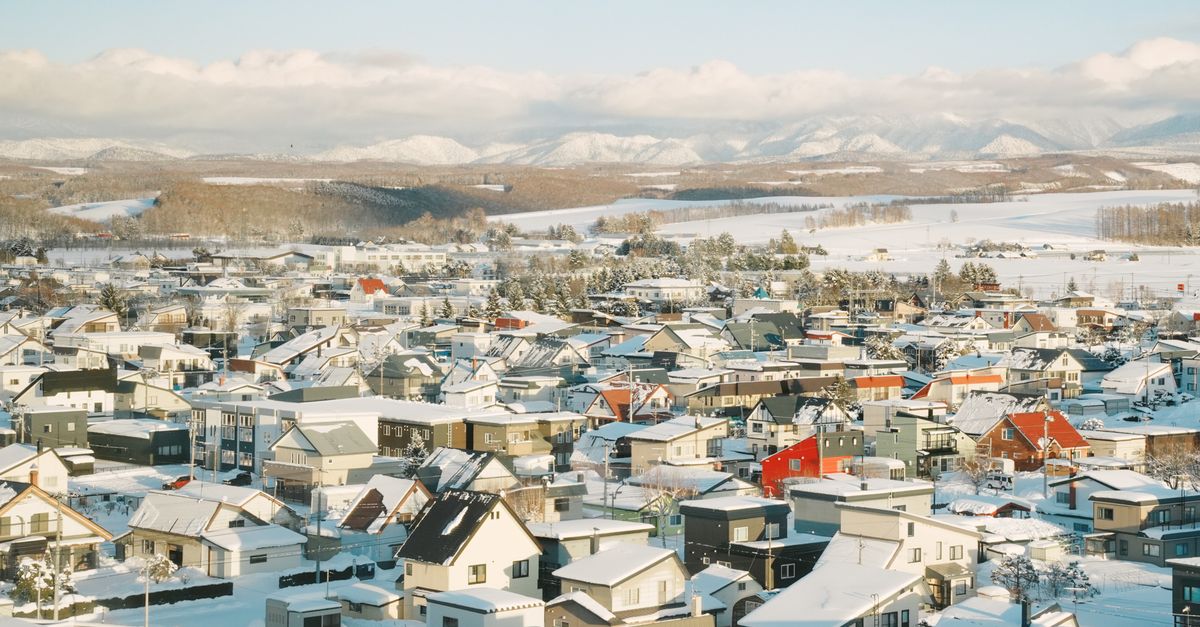
In Tokyo, Kyoto and Osaka, expect cool days and noticeably colder evenings. Snow is rare in the major central cities and, when it falls, it does not necessarily form a lasting cover. In Hokkaido, Tohoku and the Japanese Alps, snowfall is more common; road and transport conditions may then depend on local weather.
Visitors who want to compare regions before choosing their itinerary can consult our guide to Japan’s weather and seasons. For a milder coastal stay, Okinawa is a different option: its climate and activities are better suited to discovering the islands than to snowy landscapes. Exact conditions vary from year to year; check official weather information before setting off.
Warm clothing for Japan should allow for temperature changes between daytime, evening and heated transport. A coat, an easy-to-remove mid-layer and a scarf are generally suitable for urban stops. For the mountains or the north, add insulating clothing, gloves and footwear suitable for snow or wet ground.
A comfortable pair of shoes that can withstand rain is useful even without snow: sightseeing days often involve a great deal of walking. If your itinerary goes from Tokyo to a ski resort, plan to carry or hire the necessary equipment locally rather than burdening yourself throughout the trip.
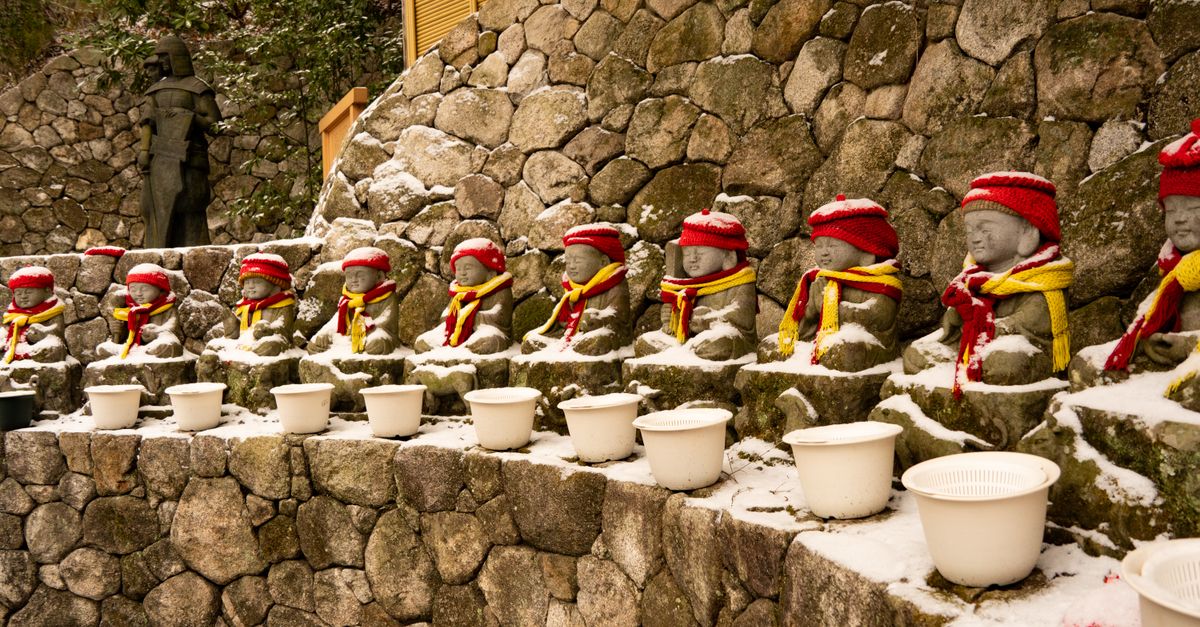
A well-prepared itinerary therefore depends less on an especially large suitcase than on easy-to-adjust layers and clothing suited to each region.
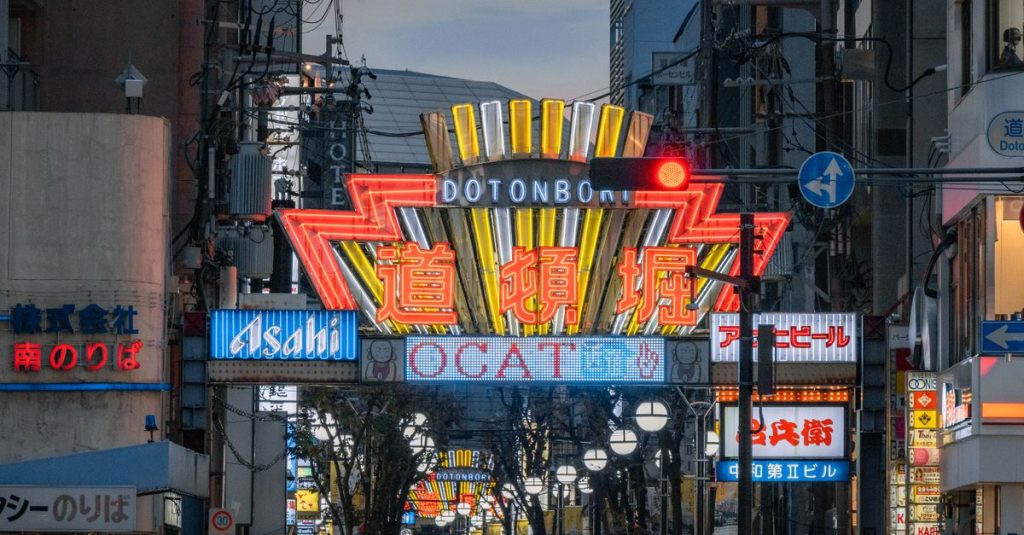
Christmas illuminations in Japan are one of December’s most visible attractions. They often begin before the month starts and transform avenues, parks and shopping districts into luminous promenades. In Tokyo, the Marunouchi, Roppongi and Ebisu areas are known for their displays; the Tokyo illuminations are easy to explore on foot, combining several neighbourhoods during an evening outing.
These illuminations do not always represent a religious or family tradition. Instead, they accompany the season of outings, dates and end-of-year shopping. Christmas markets and temporary displays change location or dates from one edition to the next: check organisers’ announcements for 2026 before planning a visit, especially if you want to attend a specific event.
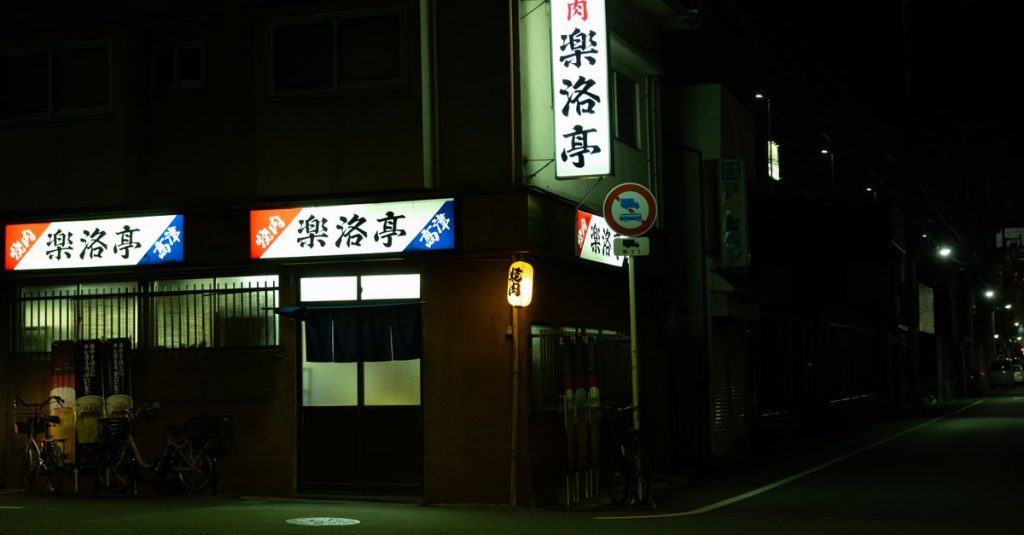
In Kyoto and Osaka, the light displays complement visits to temples, shopping streets and lively districts. To prepare your urban stops, see our guides to visiting Tokyo and the best season to travel in Japan. Night falls early in winter, so it is practical to schedule outdoor visits for late afternoon, then have dinner in the neighbourhood where you are.
Christmas is a lively period in urban centres, but Japanese New Year is more closely associated with family and religious traditions. Temple bells ring, while many visitors go to a shrine for the first prayer of the year. Independent restaurants, some museums and small shops may close or change their hours; large chains and convenience stores are generally more likely to remain accessible, although identical opening hours are not guaranteed.
Transport and accommodation are also in high demand when residents travel to see their relatives. If your stay covers this period, book early and check the conditions directly with operators. As illumination schedules and year-end opening hours may change, it is best to confirm details as your trip approaches.
To enjoy the lights without turning every evening into a race between neighbourhoods, choose one main area and allow time to walk, warm up and have dinner locally.
Snow in Japan first appears in the north and at higher altitudes, while resorts open gradually according to snowfall. December marks the beginning of the ski season in Japan, but conditions are not identical everywhere and are not guaranteed from the first weeks. Before booking, check the opening dates, accessible slopes and snow reports published by the resort you have chosen.
Niseko and Furano in Hokkaido attract snow enthusiasts and have facilities suited to international travellers. Shiga Kogen and the resorts of the Japanese Alps make it possible to combine mountains with urban stops, while Nozawa Onsen combines skiing with a stay in a hot-spring village. The choice depends on your ability, the time available and your tolerance for winter connections.
A ski holiday requires some flexibility in your schedule. In difficult weather, journeys may take longer, so avoid planning a late arrival followed by a first day on the slopes at a rushed pace. Beginners will benefit from booking lessons and equipment with local providers and checking the resort’s safety rules. For more ideas, see our complete guide to skiing in Japan.
An onsen in winter provides a welcome break after a cold day. Hakone is a practical option from Tokyo, while Kinosaki can be combined with an itinerary in the Kansai region. Kusatsu and the villages near the Japanese Alps offer other settings, each with different atmospheres and access arrangements. If you are travelling in the mountains, confirm local connections and bath opening hours before setting off.
Following bathing rules is essential: wash carefully before entering the water, follow the posted rules and check the access conditions specific to each establishment. Visitors discovering this practice should remember that an onsen is not merely a winter setting; it is a place to relax where local customs matter as much as the water temperature. Our guide to onsen etiquette explains the main points.
In December, combining a resort, a hot spring bath and a nearby city creates a more balanced winter trip to Japan than a stay devoted solely to the slopes.
Tip: set up a Japan eSIM before departure so your data works on arrival.
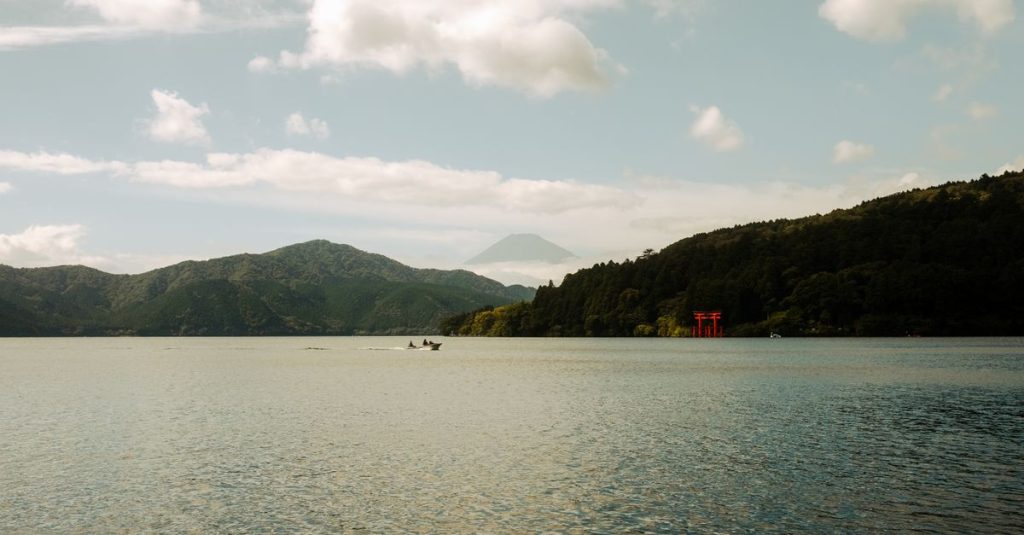
Winter air, often drier on the Pacific side, can offer good visibility of Mount Fuji. This does not guarantee a clear view every day: clouds, wind and local conditions remain decisive. Hakone, the Fuji Five Lakes region and some Tokyo observatories are possible starting points, chosen according to the rest of your route and the day’s forecast.
Early December may also retain some autumn colours, particularly in gardens and certain parts of Kyoto or Tokyo. The exact period varies according to the year’s weather, so it is best not to build an entire itinerary around foliage supposedly reaching its peak. A flexible schedule allows you to switch to a garden, museum or covered district if conditions are unfavourable.
For a first trip, connecting Tokyo, Kyoto and Osaka provides a classic base, with an excursion to Hakone or another destination depending on your interests. Travellers who prefer a less crowded region could consider the Sea of Japan coast and discover Toyama, while taking snow and transport conditions into account. Winter itineraries require more attention to connections than a spring circuit.
Trains can be very busy during end-of-year departures. Reserve seats as soon as your route and dates are decided, and check railway company information before each journey. For flights, fares and availability fluctuate; our page on when to book a flight to Japan helps you organise this stage without assuming a fixed price.
Before departure, also check the opening hours of museums, restaurants and tourist sites during the holidays. Closures do not affect every establishment in the same way, and checking directly helps you avoid finding a closed door. A schedule alternating booked visits with replacement options remains the most reliable.
Yes, especially if you enjoy cool days, illuminations and generally more moderate visitor numbers at the beginning of the month. The north and mountains are colder, while Okinawa remains milder. The New Year period requires more planning for transport and accommodation.
It is possible, but snow is rare and does not necessarily settle on the ground. For snowy landscapes and mountain activities, choose Hokkaido, Tohoku or high-altitude regions, after checking local conditions.
Some resorts begin their season in December, but slope openings depend on snowfall and each area’s own timetable. Check the resort’s announcements before booking your stay.
Plan train and accommodation bookings in advance, then check the opening hours of restaurants, museums and shops. Several small establishments may close or reduce their hours; the precise conditions should be confirmed directly with each one.
With a flexible itinerary and suitable clothing, December offers the chance to discover a bright, wintry Japan that is very different from the blossom seasons.
To book tours and activities in Japan ahead, see the options on Klook.
Updated on 11/11/2026
Scroll to see more articles →