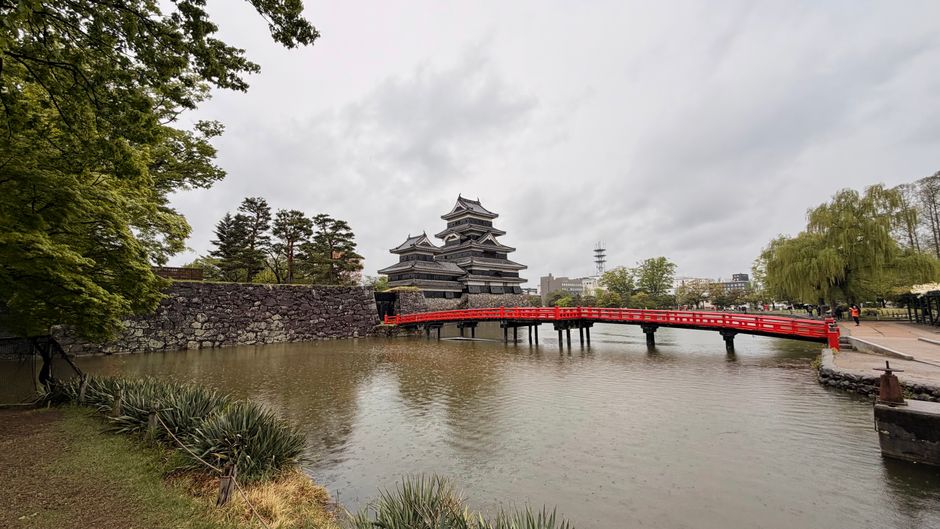
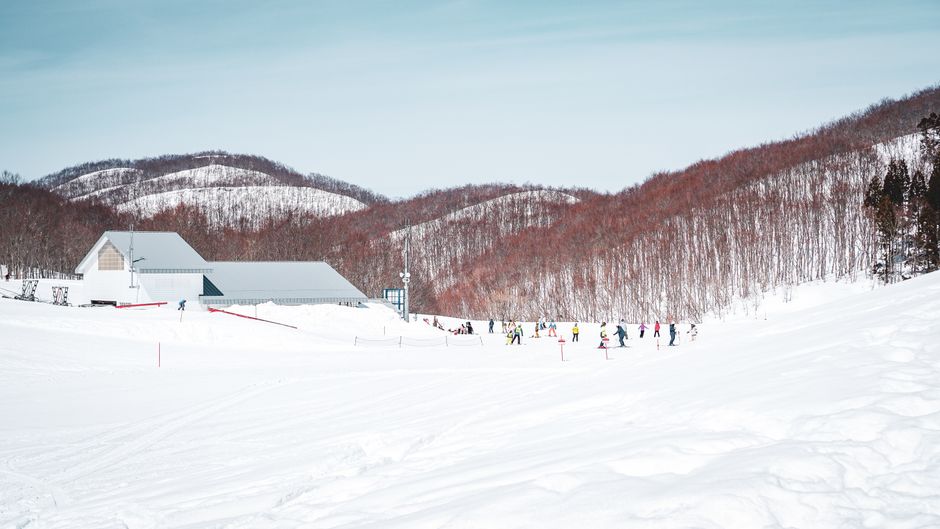
Why visit Toyama
Toyama combines several advantages that make it an essential stop on a trip through the Japanese Alps. The city serves as a logistical base for exploring the Tateyama-Kurobe Alpine Route, while also offering its own cultural and culinary attractions.
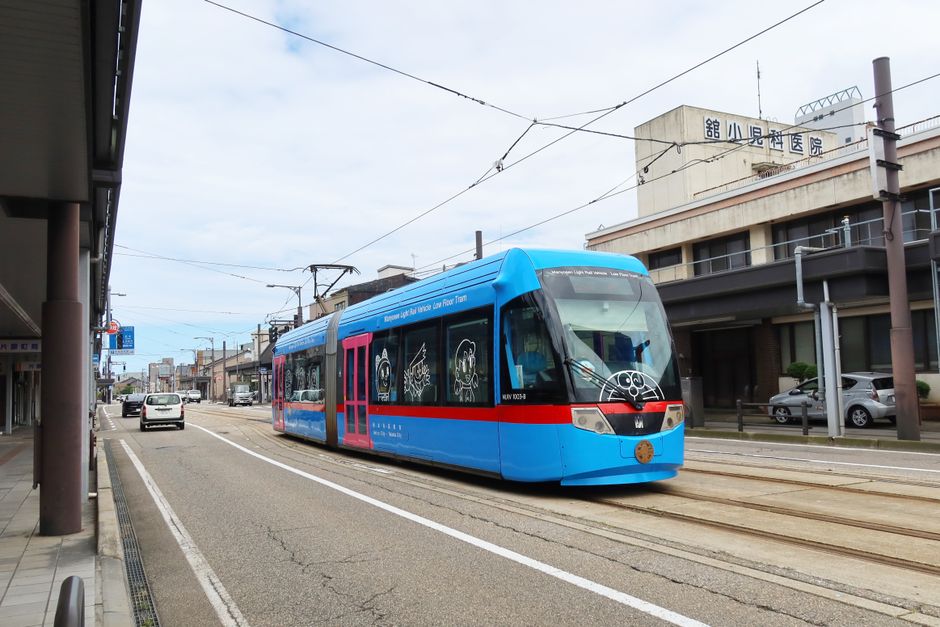
Toyama Bay offers unobstructed views of the alpine peaks from the waterfront, creating a marked seasonal contrast between the sea and the mountains. The historic tram network makes getting around the city easy, while the central station provides railway connections to all over Japan.
The destination’s main highlights
- Direct access to the Tateyama-Kurobe Alpine Route and its snow walls
- Exceptional seafood cuisine featuring fresh products from the bay
- Strategic location for a tour of the Japanese Alps
- Cultural heritage including a castle, museums and historic districts
- Fast Shinkansen connections to Tokyo, Kanazawa and Kyoto
To get online as soon as you land, a Japan eSIM can be installed before you leave, with no need to look for a local SIM card.
Planning your visit to the Tateyama-Kurobe Alpine Route
The Alpine Route requires a full day to cross, with several successive modes of transport. The route is closed from December to mid-April for snow clearance, then gradually reopens depending on weather conditions. Bring warm clothing even in summer, as temperatures at altitude remain cool.
Combined tickets can be bought at Toyama Station or online. Advance booking is strongly recommended during busy periods (Golden Week in early May and autumn weekends). Departures generally run from 7am to 2pm, depending on the season.
Practical tips for the crossing
| Period | Height of the snow walls | Crowds | Particular features |
|---|
| Mid-April to late April | 12 à 15 m | Very high | Opening, maximum snow |
| May to mid-June | 8 à 10 m | High | Optimal conditions |
| Late June to July | 2 à 3 m | Moderate | Remaining snow |
| August to September | None | Moderate | Alpine hiking |
| October to mid-November | None | High | Autumn colours |
For a complete visit to the Japanese Alps, combine Toyama with Takayama and Matsumoto as part of a tour lasting several days.
Discovering the city of Toyama
The city centre is easy to explore on foot or by tram. The station area is home to shops and restaurants, while the castle park provides a green space popular with local residents. The waterfront, accessible via the Tōramen tram line, offers a promenade with views of the bay and mountains.
Cultural and historic sites
Toyama Castle, rebuilt after the Second World War, houses a museum tracing local history from the feudal period to the present day. The surrounding park is adorned with cherry blossoms in spring and colourful foliage in autumn. The modern art museum, recognisable by its raised architecture, displays collections of contemporary Japanese and international art.
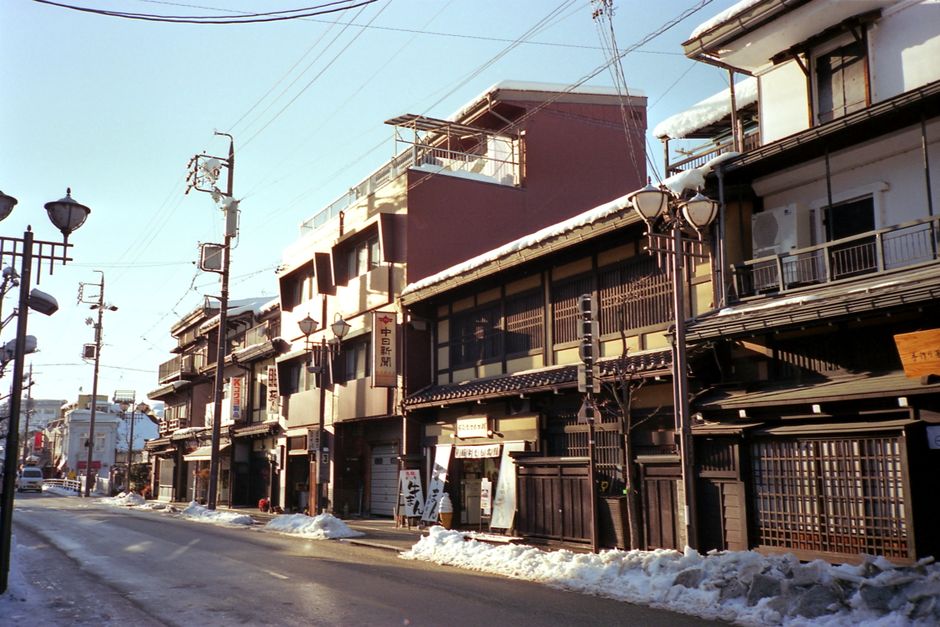
The historic district of Iwase preserves 19th-century merchants’ houses, bearing witness to the city’s former commercial prosperity. Some residences are open to visitors and display period objects. Toyama’s fish market, active from dawn, allows visitors to watch the day’s catch arrive and sample exceptionally fresh products.
Local cuisine and bay specialities
Toyama Bay provides a wide variety of fish and seafood, thanks to its deep, nutrient-rich waters. The restaurants at TOYAMA Marche, located in the station, offer affordable tasting menus. The establishments in the Iwase district provide a more traditional atmosphere.
Iconic seafood products
- Shirauo: small translucent fish caught from May to October, served as tempura or raw
- Himi-kani: snow crab caught off Himi in winter, renowned for its firm flesh
- Buri: yellowtail, particularly delicious in winter when it builds up fat reserves
- Hotaru-ika: firefly squid, a spring speciality served as sashimi or marinated
Masu-zushi, pressed sushi wrapped in a trout leaf, is Toyama’s most iconic culinary speciality. This traditional dish is eaten cold and keeps for several hours, making it a convenient snack for excursions.
Rail access and connections
The Hokuriku Shinkansen line connects Toyama with Japan’s main cities, with frequent services. Trains run approximately once an hour in each direction. The JR Pass fully covers this line, making Toyama easily accessible for travellers with this pass.
Travel times from Toyama
| Destination | Mode | Duration | Frequency |
|---|
| Tokyo | Hokuriku Shinkansen | 2h10 | Every hour |
| Kanazawa | Hokuriku Shinkansen | 1h | Every 30 minutes |
| Nagano | Hokuriku Shinkansen | 1h | Every hour |
| Kyoto | Hokuriku Shinkansen | 3h | Every hour |
| Takayama | Express bus | 1h30 | Several per day |
Toyama Airport offers domestic flights to Tokyo Haneda, Sapporo and Okinawa. A shuttle connects the airport to the central station in approximately 30 minutes. This option is suitable for travellers arriving directly from these cities or wishing to continue their journey to northern Japan.
Accommodation and recommended length of stay
Toyama offers a range of accommodation, from affordable business hotels near the station to upmarket establishments with bay views. Traditional ryokan are mainly found in the surrounding area, particularly near the hot springs of Unazuki Onsen.
One night is enough to visit the city and take an excursion to the Alpine Route. Two nights allow you to explore the historic districts at a more leisurely pace and enjoy the local cuisine. For a complete tour of the Japanese Alps, plan to combine Toyama with Takayama and Matsumoto over a period of five to eight days.
Best times to visit Toyama
Each season offers different attractions. Spring draws visitors for the snow walls and cherry blossom in the city. Summer is ideal for enjoying snow-free alpine hikes. Autumn appeals with the brilliant colours of the mountain foliage. Winter remains quiet in the city, but access to the Alpine Route is closed.
Seasonal calendar
- Mid-April to June: Alpine Route opening, spectacular snow walls, high visitor numbers
- July to August: high-altitude hiking, pleasant temperatures, fewer crowds
- September to mid-November: autumn colours, stable weather conditions, second peak season
- December to March: route closed, quiet city, winter cuisine (crabs, buri)
Accommodation should be booked several weeks in advance during Golden Week (late April to early May) and on October weekends. Prices rise significantly during these periods.
Frequently asked questions
How much does it cost to visit the Tateyama-Kurobe corridor from Toyama?
The complete one-way journey costs 12,370 yen. The combined fare including access to the Yuki-no-Otani Snow Wall is 14,100 yen. These tickets can be purchased at Toyama Station or online. Advance booking is recommended during the high season.
When is the best time to see the snow walls in Toyama?
The snow walls reach their maximum height of 12 to 15 metres from mid-April to late April, just after the corridor opens. In May and mid-June, they are still 8 to 10 metres high. By late June, only 2 to 3 metres of residual snow remain.
How do you get from Tokyo to Toyama?
The Hokuriku Shinkansen connects Tokyo and Toyama in around 2 hours 10 minutes, with departures every hour. This line is covered by the JR Pass. You can also take a domestic flight to Toyama Airport from Tokyo Haneda, then a 30-minute shuttle to the city centre.
How long should you plan to spend visiting Toyama?
One night is enough to visit the city and take a trip along the Tateyama-Kurobe Alpine Route. Two nights allow you to explore the historic districts and fish market, and enjoy the local cuisine without rushing.
What are Toyama’s culinary specialities?
Toyama is renowned for its fresh seafood: shirauo (small transparent fish), himi-kani (snow crab), buri (yellowtail) and hotaru-ika (firefly squid). Masu-zushi, pressed sushi wrapped in a trout leaf, is the iconic local speciality.
Can you visit the Tateyama-Kurobe corridor all year round?
No, the Alpine Route is closed from December to mid-April for snow clearance. It gradually reopens from mid-April to late November, depending on weather conditions. The exact opening period varies slightly each year depending on snowfall.