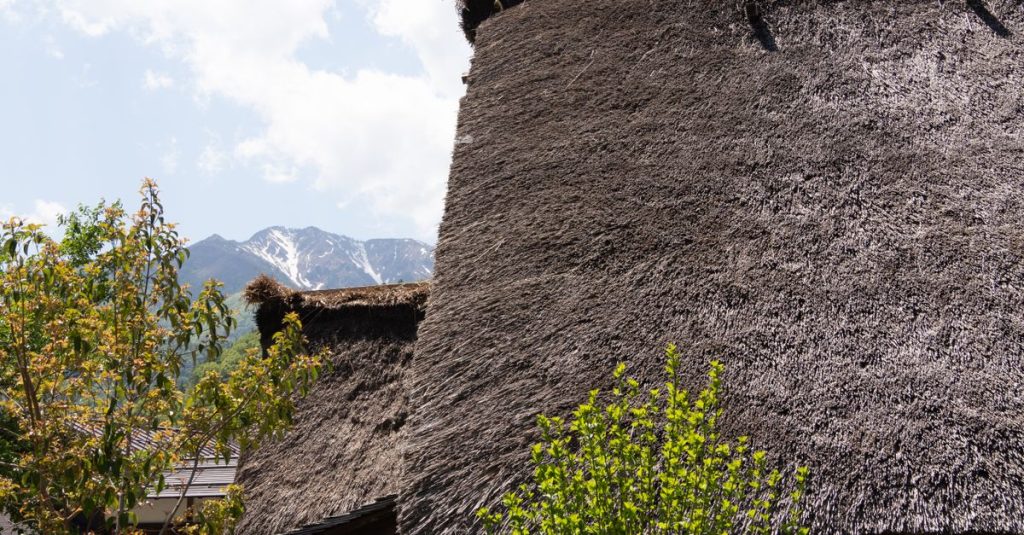
Shirakawa-go: Visit the Gasshō-Zukuri Village
Discover Shirakawa-go, a UNESCO-listed Japanese village with gasshō houses, Alpine scenery and practical advice for planning your visit.
Travelling to Japan in March means discovering an archipelago in transition: winter still holds on in the north and at higher altitudes, while the first flowers announce spring in milder regions. Japan’s weather in March varies greatly depending on your itinerary; it is best to plan layered clothing, check the sakura forecasts before departure and book early if cherry blossoms are central to your trip.
March does not guarantee cherry blossoms everywhere. In Tokyo and the south, the first blooms may appear towards the end of the month, while colder regions have to wait longer. March also suits travellers interested in plum blossoms, traditional festivals, the last snowy landscapes and walks through historic cities, provided they adapt their plans to local conditions.
In brief

Japan’s weather in March cannot be reduced to a uniform arrival of spring. The archipelago stretches from the cold north to the southern islands, and conditions can change considerably from one stop to the next. In Hokkaido, winter is still very much present, with possible snow; in the major central cities, days become more suitable for walking, although evenings may remain cool. The south is generally milder, without any guarantee of stable weather.
Temperatures in Japan therefore depend as much on the region as on the time of day. A sunny morning can give way to a cold wind or shower, and conditions on a shaded street are not the same as in a park exposed to the sun. To plan each stop, consult this guide to Japan’s seasons and weather, then check regional forecasts just before each journey.
Travellers visiting Sapporo or ski resorts may still encounter wintry conditions. Snow remains a reason to travel in March, but piste conditions change and a sunny day does not necessarily mean that every lift or activity is open. Before setting off to ski, check information published by the resort and local forecasts: conditions at altitude can differ from those in the nearest city.
In Tokyo, Kyoto and Osaka, visiting temples, gardens and historic neighbourhoods is generally more pleasant than in the depths of winter, but a jacket is still useful. Walks become longer as the days brighten; however, rain and temperature changes can make a day outdoors less comfortable. In the south, particularly Okinawa, the atmosphere is milder, but the experience differs from a stay focused on major cities and mountain scenery. Plan a detour using this guide to Okinawa and its particularities.
When choosing what to wear in Japan in March, layering is more effective than relying on a single outfit for the whole day. A light layer, jumper or cardigan and a coat that is easy to remove will help you adapt to heated transport, cool streets and extended outdoor visits. A compact waterproof layer is also practical, especially if your plans include several walks between sites.
Shoes matter as much as clothing: sightseeing days often involve long distances and sometimes wet ground. Choose a comfortable pair that you have already worn and that is suitable for walking; shoes that are difficult to remove can also complicate visits to places where you must take them off. Finally, carry a small bag for an extra layer, a bottle of water and useful items during the day. The essential idea is simple: in March, preparing several options makes your itinerary more flexible.
Cherry blossom begins in the milder regions, then progresses northwards as spring advances. In March, the first blooms may appear in the south and central cities, but the timing changes from year to year according to weather conditions. A trip organised around a fixed date therefore does not guarantee seeing the trees at their best, even in a destination known for its sakura.
Sakura forecasts are useful for guiding a trip, but should not be treated as a promise. Check updates as departure approaches, then compare them with local information once you are in Japan. Blossoms last for only a short time in any one place, and rain, wind or cold can change the experience. Planning alternative activities means you can enjoy your stay even if the trees have not yet flowered or the petals have already fallen.
Hanami means viewing flowers, often as part of a walk or picnic. In Tokyo, places such as Shinjuku Gyoen and Ueno Park are known to attract many visitors when the trees bloom. In Kyoto, gardens and temple grounds provide a different setting, where cherry trees are discovered among historic architecture. These sites can become very busy during blossom season: setting off early, choosing a weekday or exploring a less central garden often improves the visit.
It is better not to reduce your trip to the search for a flowering tree. Plum trees, which bloom earlier, already announce the change of season in several regions; gardens, markets and historic neighbourhoods remain interesting even without sakura. A spring itinerary in Japan can therefore alternate a major city, a cultural site and an excursion to a region where flowers are earlier or later.
If cherry blossoms are a priority, leave room to change the order of your stops. A trip beginning in Tokyo and continuing to Kyoto can be rearranged according to updates, but last-minute changes depend on transport and accommodation availability. Forecasts help you decide where to concentrate your visits; they do not replace realistic planning, especially when several travellers want the same dates.
For a first trip, a route divided between the major cities can still be worthwhile even if the blossom does not coincide exactly with your visit. Consult this example of a ten-day Japan itinerary to balance travel and sightseeing, then adapt the stops to the season. The best choice is not necessarily to chase peak blossom, but to plan several experiences that remain interesting whatever the sakura dates.
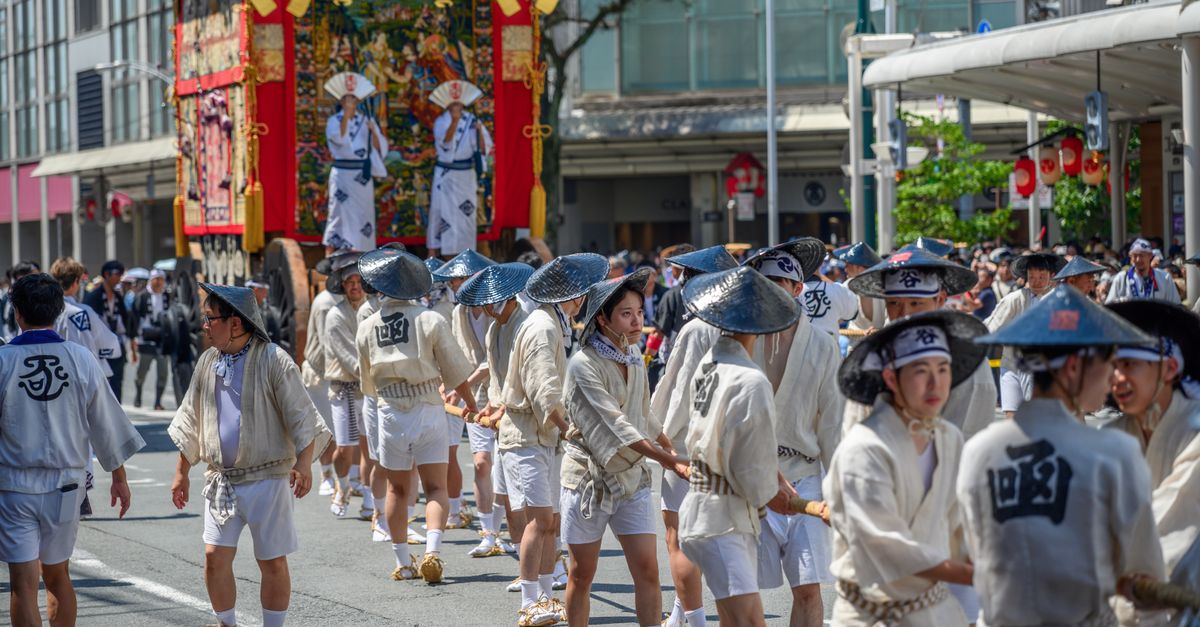
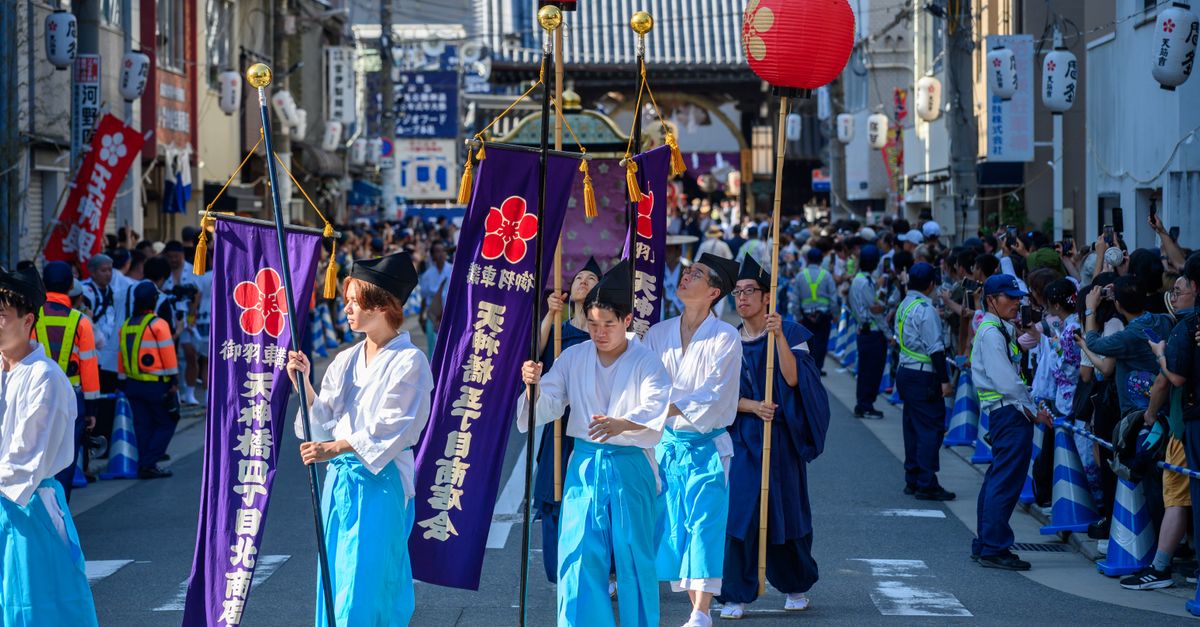
March offers many opportunities to discover Japanese traditions beyond the usual itineraries. Hinamatsuri, the girls’ festival, is associated with displaying dolls representing the imperial court. In many homes, this celebration remains private, but some shrines, temples and cultural venues organise displays open to the public. Arrangements vary by venue and year; check the organiser’s announcements before travelling.
In Kyoto, events linked to Hinamatsuri may showcase traditional dolls, games or old customs. Some celebrations revive the practice of floating paper dolls on water, a symbolic gesture associated with keeping misfortune away. This type of visit helps explain how traditions fit into local life, provided you follow instructions and distinguish public events from ceremonies reserved for participants.
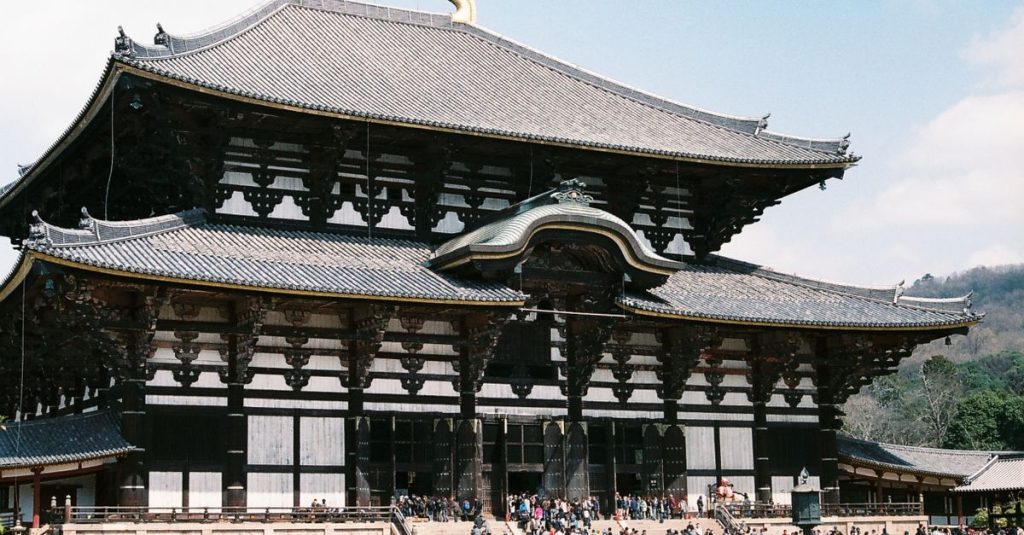
In Nara, the Omizutori ritual at Nigatsu-do, in the Tōdai-ji complex, is one of the month’s major events. The ceremonies include processions, prayers and flaming torches; the evening sequences attract many spectators. The fire display is impressive, but this is a religious ritual rather than a performance designed solely for visitors. Remaining discreet, following the organisers’ instructions and avoiding disruption to participants are all part of the visit.
The temple grounds can be crowded during the most popular moments. Allow time for access, waiting and returning to your accommodation, particularly after an evening ceremony. Check the instructions published for the relevant edition: access conditions and organisation may change. To discover other regional celebrations, this guide to Japanese matsuri and festivals puts these events into the country’s cultural calendar.
The spring sumo tournament held in Osaka offers another way to approach Japanese culture. Matches are framed by gestures, rituals and rules specific to the discipline; attending a full day allows you to see wrestlers of different ranks and understand the rhythm of a competition. Dates, times and ticketing arrangements change with each edition: consult the official organiser before planning your visit and book in advance if your schedule is tight.
Kyoto, Nara and Osaka can be very busy in March, particularly when cultural events coincide with holidays and the first blossoms. A balanced programme should therefore include an early-morning visit, realistic travel time and a less crowded activity towards the end of the day. March rewards travellers who combine cultural curiosity with practical flexibility.
Tip: set up a Japan eSIM before departure so your data works on arrival.
Spring does not immediately bring winter activities to an end. In some resorts in Hokkaido and the Japanese Alps, skiing can continue in March, but snow cover and resort openings depend on local conditions. Days may be milder than in midwinter, while snow changes throughout the day. Rain or a thaw can also affect piste conditions; check the resort’s reports on the day rather than relying on a general trend.
Travellers who do not ski may enjoy this period for mountain landscapes and hot-spring baths. An outdoor onsen allows you to enjoy the contrast between hot water and cool air, but access rules differ from one establishment to another. Ask the venue directly about opening times and admission conditions, as this information may change. Gero, accessible from Nagoya, can be included in a regional route with Takayama or Shirakawa-go, subject to checking transport connections.
Longer days encourage excursions from the major cities. Kyoto and Nara are easy to visit from Osaka, while Hiroshima deserves a stay planned around travel times and the sites you choose. For a hot-spring or mountain escape, compare connections, weather and the actual journey duration. Adding too many stops in too little time can easily turn a trip into a succession of transfers at the expense of sightseeing.
The railway network makes many journeys easy, but not every ticket or pass suits the same route. Before choosing, compare the price of the journeys you plan to make, the lines used and the validity period of the available options; check the current conditions with the official operators. A practical guide to the best seasons to travel in Japan can also help you decide whether combining snow and flowers really matches your priorities.
Demand rises as visitors hope to see the first blossoms. Accommodation in neighbourhoods near major parks or well-known sites can quickly sell out. It is sensible to secure essential nights and keep some flexibility for secondary stops. Popular restaurants and activities with limited capacity also deserve advance checking, without assuming that reservations will be possible everywhere.
The most useful Japan travel tips for March are often simple: leave one day less busy, identify indoor alternatives and check transport information before leaving the city. Rain need not ruin the day if a museum, covered market or shopping district can replace a walk. Flexibility prevents a normal change in weather from becoming a logistical problem.
March is a good choice for combining culture, the first blossoms and an early-spring atmosphere, but it does not suit every objective. If your absolute priority is seeing sakura at peak bloom in a particular city, you must accept that exact dates vary and forecasts remain subject to change. On the other hand, travellers also interested in temples, festivals, mountain landscapes and local cuisine will find many reasons to visit even if the trees are still bare.
Crowds are also uneven. Major sites in Kyoto, Nara and Hiroshima can be very lively, especially during blossom season and events, while less famous sights or early-morning visits offer a calmer experience. Avoid building every day around a single iconic site: if it is crowded, a walk in a neighbouring district or a lesser-known garden can preserve a pleasant pace.
To organise a spring itinerary in Japan, combine urban stops with one or two excursions suited to the weather. Tokyo can serve as an entry point for parks and contemporary districts; Kyoto and Nara provide deeper insight into the heritage; Osaka brings a culinary scene and, depending on the calendar, the chance to attend sumo. An extension northwards or to a hot-spring region only makes sense if the travel time matches the total length of your stay.
Seasonal cuisine is another useful thread. Menus and ingredients vary by region and establishment; observing which ingredients restaurants highlight is a way to discover the season without depending on a blossom date. Also plan breaks: days of walking, temperature changes and successive journeys are easier to manage when your programme leaves time to eat and rest.
Photography enthusiasts will appreciate the changing light and the chance to capture a season in motion, provided they do not expect a uniformly pink landscape. Culture lovers can choose March for its festivals and rituals, while winter-sports enthusiasts can target resorts that remain open after checking their conditions. Families can enjoy weather more suitable for sightseeing than periods of intense heat, while still planning clothing for changing temperatures.
Before departure, make a list of priorities and rank them: blossoms, events, skiing, cities or relaxation. This hierarchy helps you decide which bookings are essential and which stops can be moved. March reveals Japan’s changing character particularly well: a successful trip depends less on a perfect date than on a programme able to accommodate the different faces of spring.
| Priority | Option to consider | Point to watch |
|---|---|---|
| First blossoms | Milder regions and major urban parks | Timing varies according to the year’s weather. |
| Traditions | Hinamatsuri or Omizutori events | Check access conditions with the organisers. |
| Winter sports | Mountain or Hokkaido resorts | Check snow reports and local openings. |
| Cultural sightseeing | Tokyo, Kyoto, Nara or Osaka | Expect crowds around well-known sites. |
It is possible in some milder regions towards the end of the month, but flowering depends on the weather and varies between cities. Check sakura forecasts shortly before departure and plan other visits as well.
Pack layers that are easy to add or remove, a rainproof jacket and comfortable walking shoes. The north, mountains and evenings can be considerably colder than daytime temperatures in the cities.
Yes, if you want to discover temples, gardens and seasonal events. These destinations can be busy, particularly during blossom season; prioritise early visits and check the ceremony calendar.
Some resorts remain open, but snow cover and opening dates depend on the resort and local conditions. Check the resort’s reports before planning a day of skiing.
To book tours and activities in Japan ahead, see the options on Klook.
Updated on 05/11/2026
Scroll to see more articles →