Shirakawa-go: Visit the Gasshō-Zukuri Village
Discover Shirakawa-go, a UNESCO-listed Japanese village with gasshō houses, Alpine scenery and practical advice for planning your visit.
The Hakone Free Pass is useful if your itinerary combines several forms of transport in the area: the Hakone Tozan train, Hakone Ropeway, boats on Lake Ashi and designated buses. It simplifies getting around and can reduce the total cost compared with buying each journey separately, but whether it saves money depends on your starting point, planned visits and time spent there. A trip limited to a return journey and a single activity does not automatically justify buying the pass.
The price of the Hakone Free Pass varies according to where you buy it and which option you choose. As fares and conditions may change, check them with Odakyu, the operator concerned, before departure. The pass does not mean that all transport or activities in Hakone are free: some lines, supplements and admission fees must still be paid separately. The best approach is to map out your itinerary in Hakone, then compare the cost of the journeys you plan to take with the applicable pass fare.
In brief

The Hakone Free Pass generally combines access to designated transport in the region with a journey option from a chosen departure station. The exact conditions depend on the option purchased, so check the area stated on the pass rather than assuming that all journeys from Tokyo are included. Some options include a journey on the Odakyu network to the Hakone area; others focus on local travel.
On the usual sightseeing circuit, the transport concerned may include the Hakone Tozan train, funicular, Hakone Ropeway, boats on Lake Ashi and designated bus routes. Coverage applies to journeys according to the operator’s conditions, not to every line carrying the name Hakone. Before boarding, check the signs and the usage rules associated with your option.
The pass should not be confused with a universal ticket. A supplement may be required for certain express services, while museum, park and onsen admission fees are not automatically included. Discounts offered by some partners are separate from the included journeys: they may be useful, but they do not replace checking the conditions of each establishment.
To plan a stay with an overnight stop, also see the options for accommodation with onsen in Hakone. Choosing to stay in the area changes your route and may make local transport more important than the journey from Tokyo.
The price of the Hakone Free Pass varies according to the departure station, validity period and current sales conditions. As these fares may change, it is best to consult Odakyu’s official information when planning your trip. This check is particularly important if you are comparing a pass bought in Tokyo with an option purchased in the Hakone area.
The displayed price does not necessarily represent the total cost of a day. Include any possible supplements for an express train, transport not covered, admission tickets and activities in your calculation. If you are travelling with children or need a particular option, also check the fare conditions applying to your situation when you buy it.
| Cost item | What to check | Why it matters |
|---|---|---|
| Pass option | Departure station and validity period | The area covered and price depend on the option selected. |
| Express train | Possible supplement | The pass does not necessarily cover every service on board. |
| Local transport | Included lines and operators | A non-designated line may require a separate ticket. |
| Visits and baths | Admission fees and services | A possible discount is not the same as free admission. |
To compare the pass with separately purchased tickets, make a simple list of the journeys you actually plan to take. The fare for a journey you do not intend to make should not be included in the calculation, even if it is technically available with the option you choose.
To book tours and activities in Hakone ahead, see the options on Klook.
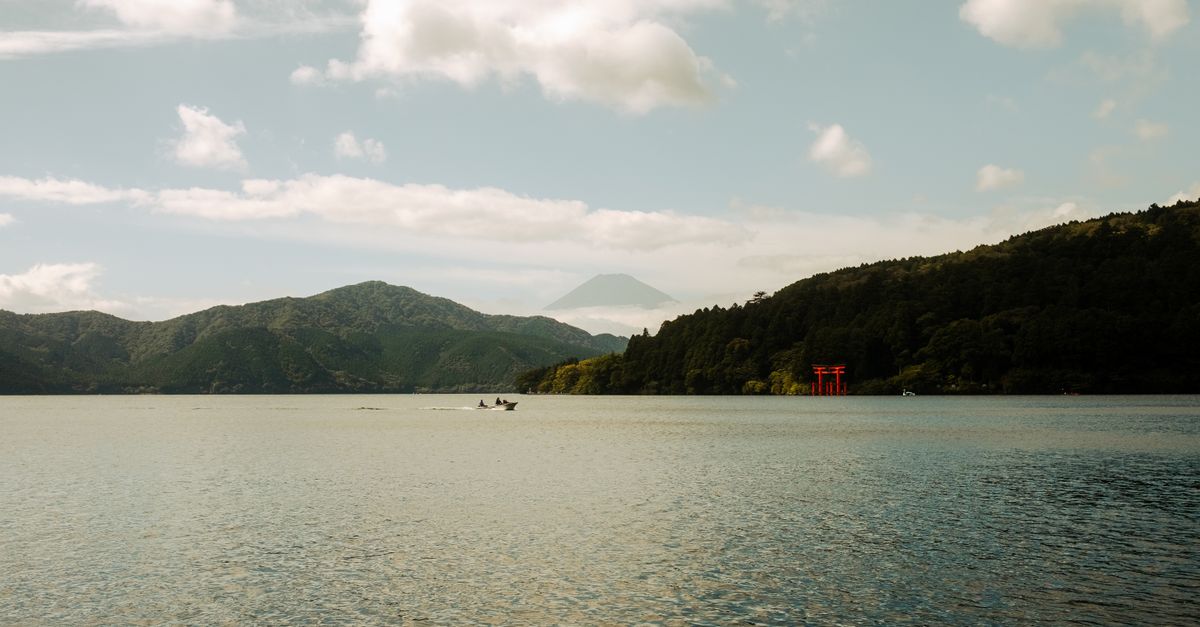
Transport in Hakone is often used as a circuit rather than as a series of return journeys. Part of the route is by mountain train, followed by a funicular and ropeway; the boat on Lake Ashi then takes you to another area, before you continue by bus or train. The pass can be practical in this situation because it covers several separate stages without requiring a separate purchase at every change.
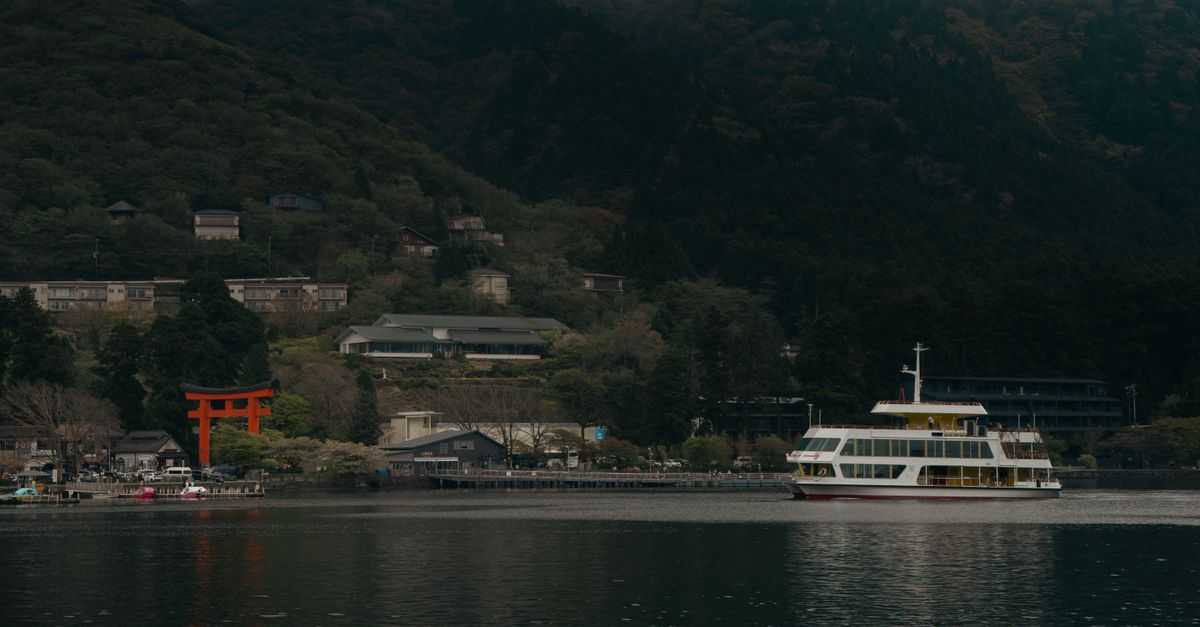
The Hakone Tozan train connects mountain areas and is often the beginning of the route from the arrival area. The Hakone Ropeway serves the higher areas and surroundings of Owakudani, while sightseeing boats cross Lake Ashi. However, the order of the stages depends on where you start, operating conditions and the places you want to visit. Check how the lines are operating on the day, particularly if weather affects transport at higher elevations.
A Hakone itinerary does not have to follow the entire circuit. If your priority is a museum, hike or stay in a ryokan, some sections may be unnecessary. Conversely, combining several types of transport and visiting different areas makes it more likely that the savings on transport will offset the cost of the pass.
To place Hakone within a wider trip, you can consult a two-week Japan itinerary. If Hakone is mainly a relaxing stop, the guide to Hakone onsen can help you choose visits according to the time available.
To get online as soon as you land, a Japan eSIM can be installed before you leave, with no need to look for a local SIM card.
Whether the pass is worthwhile depends on the number of covered journeys you make, as well as the price of the option corresponding to your starting point. Compare this price with the total cost of the tickets needed for the same journeys. Do not count an activity as a transport saving: a covered boat ticket may reduce travel costs, while museum admission remains a separate expense unless a clearly stated benefit applies.
A day involving the Hakone Tozan train, ropeway, a boat crossing and several bus journeys is a case where comparison is worthwhile. On the other hand, if you arrive by car or take only one local service before reaching your accommodation, individual tickets may be more suitable. There is therefore no universal rule: the best choice depends on your route and the fare conditions on the date of travel.
This method prevents you from choosing a pass simply because it promises freedom of movement. For a busy circuit, ease of use can also have value, but it should not be confused with guaranteed savings.
Before buying, decide on your departure station and how much time you want to spend in the area. Departure points, validity limits and usage procedures may vary according to the option; check them with Odakyu or the operator selling the pass. Timetables and transport conditions may also change, particularly on mountain lines, so consult the official information on the day of travel.
Leave some flexibility in your schedule. Connections, waiting times and stops for scenery or visits take time, and trying to cover every area can make the day tiring. If you stay overnight in the region, accommodation in a Hakone ryokan with an onsen may become the focus of your stay; in that case, assess the pass according to the journeys you actually need rather than a theoretical complete circuit.
Finally, if you combine Hakone with other regions of Japan, compare transport passes across the whole trip. The Hakone Free Pass is a regional product: its suitability does not mean that a national pass or separate ticket is automatically the best option for long-distance journeys.
This depends on the option chosen and the departure station. Check the covered journey and any possible supplements with Odakyu before buying.
These forms of transport are among the services associated with the local options, subject to the designated conditions and lines. Confirm the exact area covered by your pass and the operating status on the day of travel.
It can be if your route uses several covered transport services. Compare the current pass price with the cost of tickets for only the journeys you plan to make.
Not automatically. Some facilities may offer benefits or discounts, but admission fees and services must be checked separately with each establishment.
Updated on 17/11/2026
Scroll to see more articles →