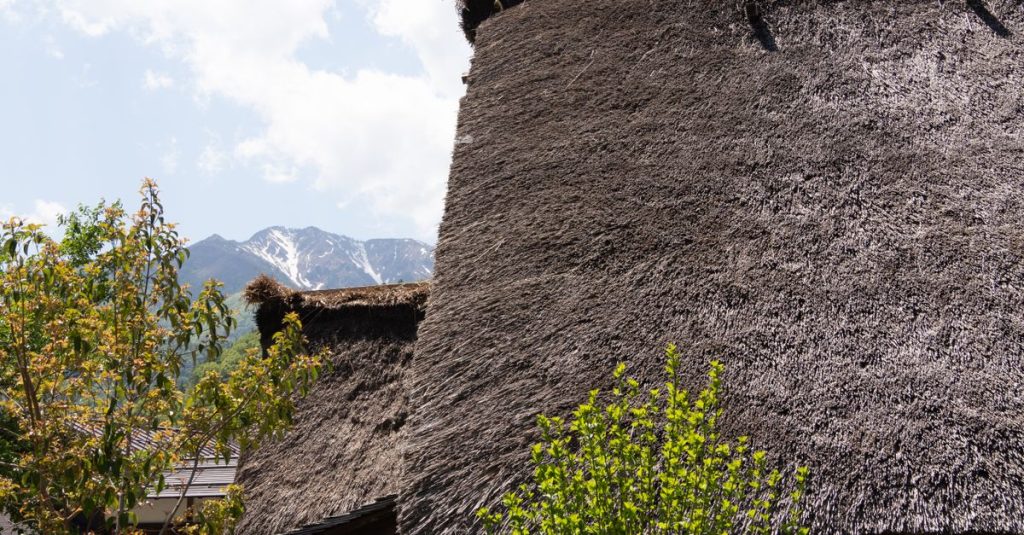
Shirakawa-go: Visit the Gasshō-Zukuri Village
Discover Shirakawa-go, a UNESCO-listed Japanese village with gasshō houses, Alpine scenery and practical advice for planning your visit.
To discover Japan in three weeks, follow a route from Tokyo to Hiroshima, with Kyoto and Osaka as stops along the way. This itinerary prioritises travel by train, an excursion to Mount Fuji, and days in Nara, Himeji and Miyajima. It also leaves some flexibility for reaching your departure airport, without turning the final hours of your stay into a race against the clock.
The programme below is a suggested way of dividing up your days, to be adapted to your flights and your pace. The choice is deliberate: explore the main stops along this route more thoroughly rather than adding multiple detours through the Japanese Alps.
In brief

Book your flights before finalising your last few nights. Arriving in Tokyo and departing from Kansai avoids having to return to the capital. A return flight from Hiroshima can also be considered, depending on the connections offered by the airlines.
The table provides a travel framework, not compulsory minimum stays. Transfer days are deliberately kept fairly light: changing hotels, dropping off your luggage and reaching a sightseeing area all take up time in the programme.
| Suggested period | Base | Programme |
|---|---|---|
| Days one to five | Tokyo | Capital-city districts and an optional excursion to Mount Fuji |
| Days six to eleven | Kyoto | Temples, gardens, historic districts and Nara |
| Days twelve to fifteen | Osaka | Food, urban districts and Himeji |
| Days sixteen to nineteen | Hiroshima | Peace Memorial, city centre and Miyajima |
| Final days | Depending on your return flight | Transfer to the airport and a safety margin |
For transport in Japan, distinguish between major railway connections and urban travel. A rechargeable travel card makes some local journeys easier, but does not automatically replace the tickets and reservations required for long-distance trains.
The Japan Rail Pass is not always the best option. Compare your actual route with individual tickets and regional passes; check fares, conditions and eligible trains with the Japan Rail Pass and the relevant JR companies. Our rail travel guide can help you make this comparison.
Build your travel budget by separating flights, accommodation, transport, meals and visits. For tourist taxes applicable in 2026, ask the relevant local authorities and accommodation providers for confirmation, particularly whether they are included in the advertised price.
Check the formalities with the Japanese embassy responsible for your nationality, then consult the information on passports and visas. Also check your medical and repatriation cover: a coherent itinerary starts with bookings that work together.
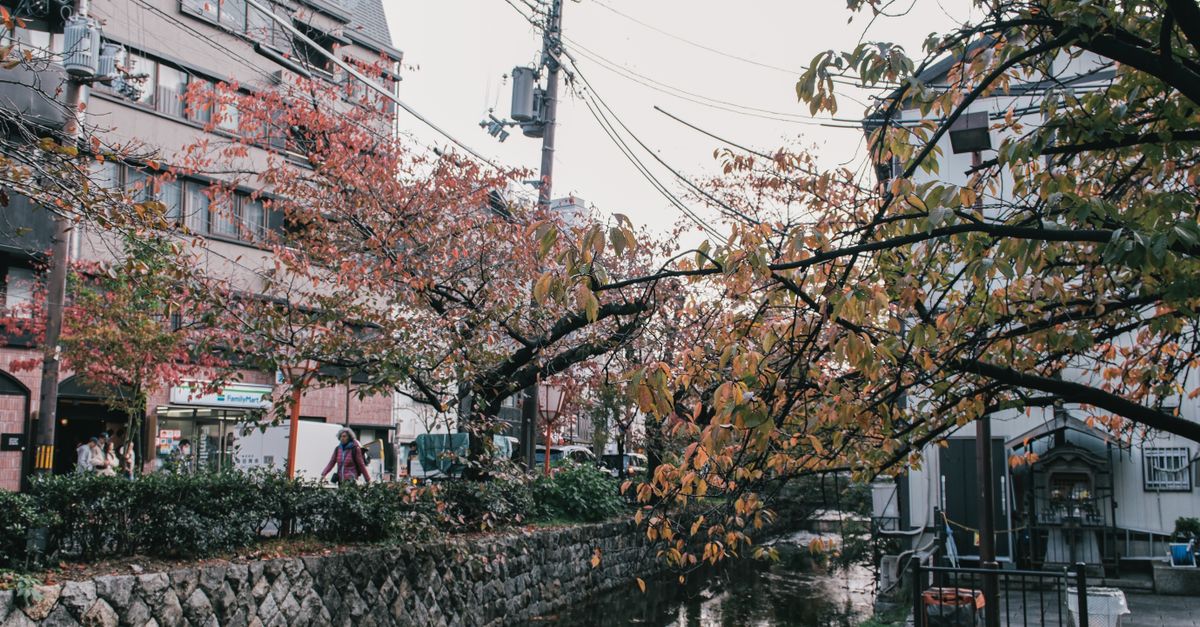
Start by discovering Tokyo one district at a time. On arrival, limit your programme to the area around your accommodation: jet lag and formalities at the airport make a visit booked immediately after landing unwise.
Choose your hotel for its transport connections rather than for an impression of centrality. The capital has several hubs: a station that is convenient for your visits matters more than an address presented as being close to everything.
After settling in, spend a day in Asakusa and Ueno. Sensō-ji offers an introduction to Buddhist practices, while Ueno Park and its museums provide a cultural continuation; choose venues according to your interests rather than accumulating admissions.
Next, set aside a day for Meiji-jingū, Harajuku and Shibuya. The contrast between the wooded shrine and the shopping streets shows different sides of the city without requiring you to cross the whole metropolitan area repeatedly.
Another day could combine the Imperial Palace’s East Gardens, depending on their opening days, with the area around Tokyo Station. In rainy weather, choose a museum or a food experience; our Tokyo guide can help you adjust your visits by area.
Kawaguchiko is one option for seeking views of Mount Fuji. Visibility is never guaranteed: check the Japan Meteorological Agency’s forecasts and confirm services with transport operators before choosing your day.
Hakone is another possibility, with more emphasis on volcanic landscapes, museums and hot-spring baths. Do not try to combine these destinations in the same excursion: it is better to keep a replacement option in Tokyo if conditions are unfavourable.
For this three-week trip, travelling out from the capital limits hotel changes. Flexibility is more useful at this stage than a programme fixed long in advance.
In Kyoto, group cultural sites by area. Travelling between distant districts can fragment your day, particularly when buses are busy. When you arrive from Tokyo, simply plan a walk near your hotel or along the Kamo River.
Spend a day in Higashiyama, around Kiyomizu-dera and the old streets descending towards Gion. These districts are still places where people live: respect signs concerning private lanes and photography, and do not block access to homes.
The following day, explore the area around Ginkaku-ji and the Philosopher’s Path. The appeal lies as much in the gardens and small streets as in the monuments; leaving time between visits allows you to appreciate their differences more fully.
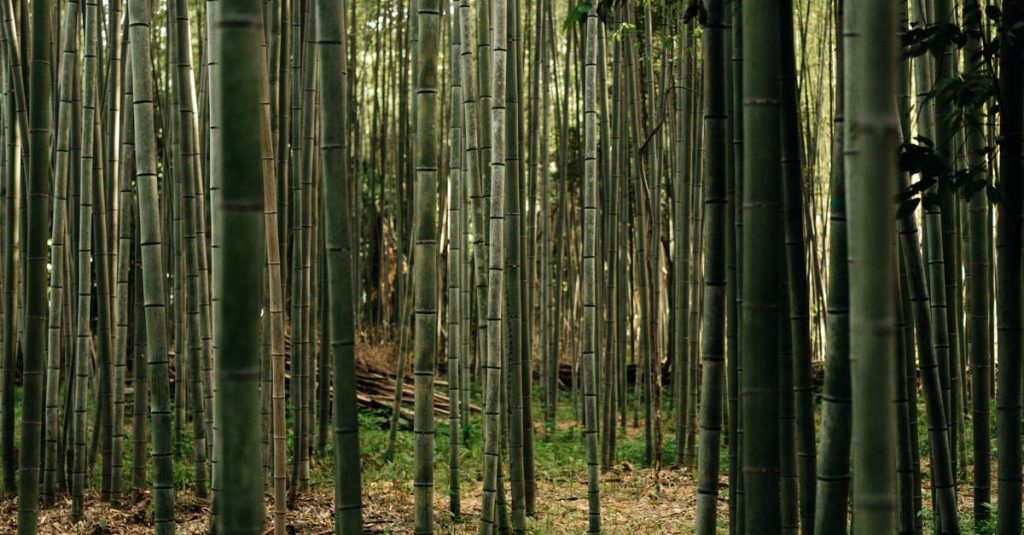
Then plan for Arashiyama, combining the bamboo grove with a garden or a temple open to the public. A walk by the river provides a welcome pause, but there is no need to add another distant district in the afternoon.
A day can combine Fushimi Inari with a cultural activity booked according to availability. Discovering the tea ceremony in Kyoto gives you an insight into its gestures, utensils and hospitality; check the language and content of the session before booking.
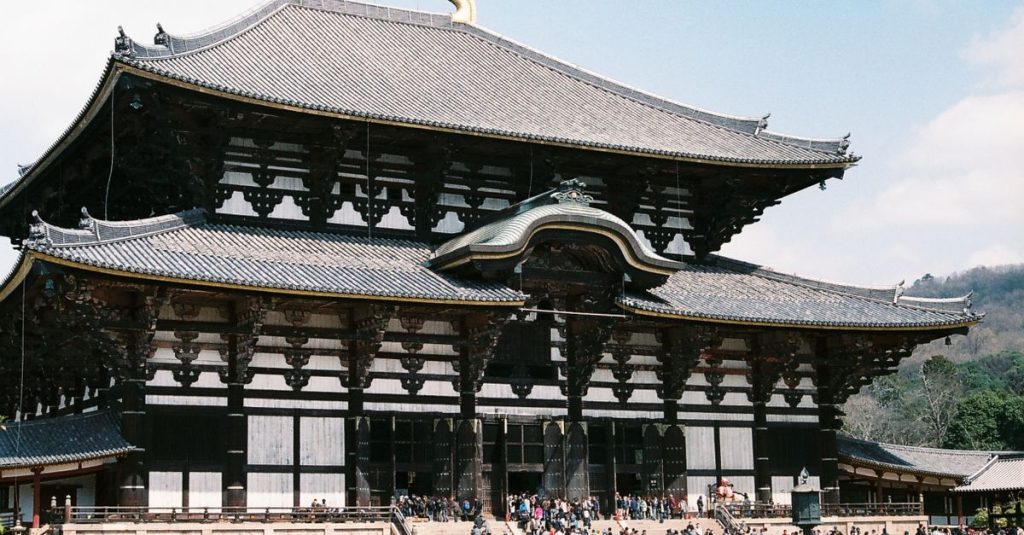
Keep a day for Nara, including Tōdai-ji, the park and the paths leading towards Kasuga-taisha. The deer roam freely: do not chase them, feed them or let them grab your belongings.
This excursion does not require you to move your luggage. To choose a well-connected base and adapt your days, see our practical Kyoto guide.
Depending on the season, replace some walks with indoor visits or longer breaks. The quality of your stay depends more on geographical coherence than on the number of temples you visit.
Tip: set up a Japan eSIM before departure so your data works on arrival.
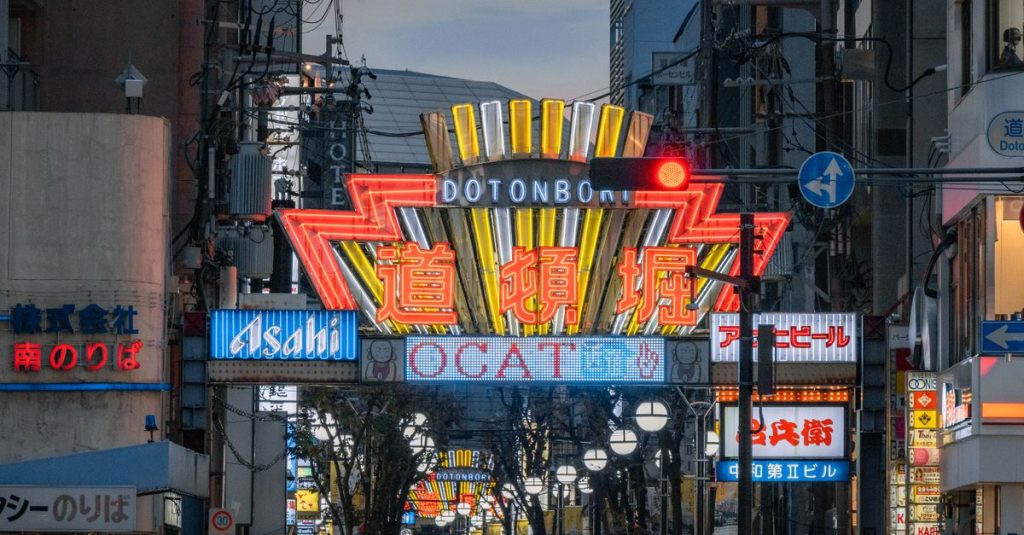
Osaka provides a more urban and food-focused stop after Kyoto. Settle near a convenient connection for your excursions, then explore Namba and Dōtonbori at the end of the day, when the illuminated signs become such a prominent part of the landscape.
Do not choose a restaurant solely by the length of its queue. Look at the menu, specialities and ordering arrangements; establishments that are well known on social media are not the only ones offering interesting food.
Spend a day at Osaka Castle Park and in Umeda. The castle’s main building houses a museum in a reconstruction: understanding this distinction helps you interpret the visit and prepares you usefully for comparison with Himeji.
Set aside another day for Shinsekai, local shops or the bay area. Osaka Aquarium is an option in bad weather; check booking arrangements and opening hours with the venue.
At mealtimes, try takoyaki or okonomiyaki without reducing the city to these specialities. Our guide to Japanese food helps you recognise dishes and vary your meals during the trip.
Plan Himeji as a day trip from your accommodation. Its castle allows you to observe historic defensive architecture, with routes and stairways that require more effort than a walk through a park.
Kōko-en gardens extend the visit in a different direction, focusing on plant arrangements and viewpoints. Check access conditions with the operators, particularly if your mobility is limited.
It is also possible to make this stop on the way to Hiroshima, but that means organising your luggage. A day trip from Osaka is often simpler than a transit stop with heavy suitcases.
Give Hiroshima a complete stop rather than a quick visit before Miyajima. After travelling from Osaka, take your time discovering the city centre and riverside. Keep the Peace Memorial Museum for a day when you have the necessary time and attention.
Combine the museum, Peace Memorial Park and the Atomic Bomb Dome in a coherent route. The testimonies and objects on display can be distressing; avoid immediately following the visit with a booked activity that would force you to cut it short.
Shukkei-en Garden then offers a different way to discover the city. To organise your travel and choose your district, use our Hiroshima guide.
The local speciality okonomiyaki also allows you to compare the culinary traditions encountered in Osaka. In Hiroshima, the preparation generally layers the ingredients and often includes noodles: watch the cooking on the hotplate to understand this difference.
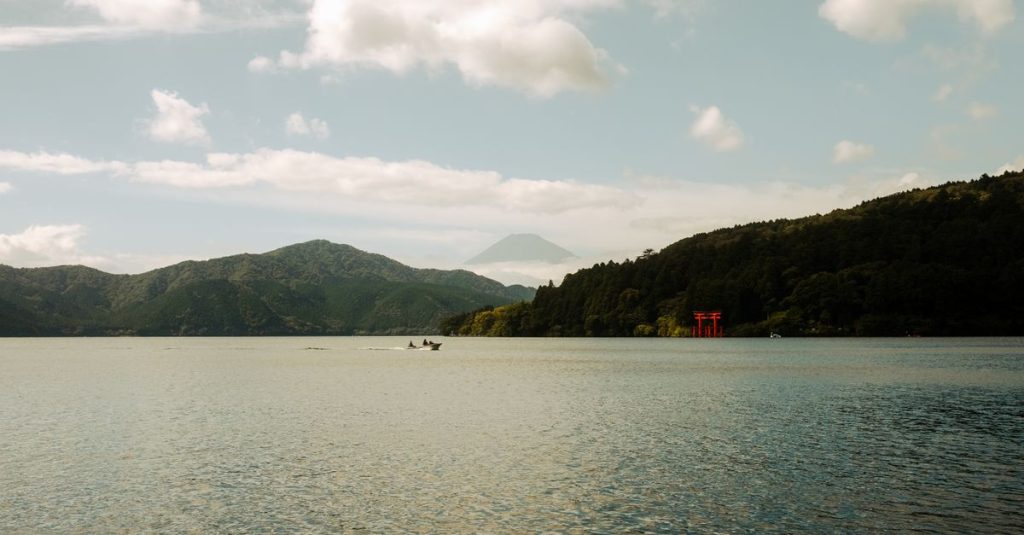
Spend a day on the island, combining Itsukushima Shrine, the town’s streets and the paths towards Daishō-in Temple. The torii’s appearance varies with the tide: check official forecasts if you want to prioritise a particular atmosphere.
The climb to Mount Misen depends on the weather, your fitness and whether the facilities are operating. Check information with the ropeway operator and wear suitable shoes if you take the trails.
Keep one day flexible to explore further or move the island excursion if the weather requires it. The final days can then be used to reach the departure region, staying overnight there if this makes your flight more secure.
Finish your itinerary near the airport you have chosen, not a long connection away from it. This travel advice prevents a well-balanced stay from ending with an unnecessarily stressful transfer.
It is possible, but it is better to replace part of the programme than to make it longer. Takayama and Shirakawa-go require additional travel; keeping Tokyo, Kyoto, Osaka and Hiroshima as bases makes the route simpler.
Spring and autumn are well suited to sightseeing on foot, but blossom and autumn colours vary according to the weather and region. Check seasonal forecasts and plan bookings in advance during very busy periods.
Yes, the main stops are well suited to train travel, complemented by urban transport and the ferry to Miyajima. Check services and booking conditions with the relevant operators.
It is not essential: a day trip from Hiroshima allows you to keep the same hotel. Staying on the island provides a different atmosphere after visitors have left, but you need to check the meals offered and the ferry connections.
To book tours and activities in Japan ahead, see the options on Klook.
Updated on 30/10/2026
Scroll to see more articles →