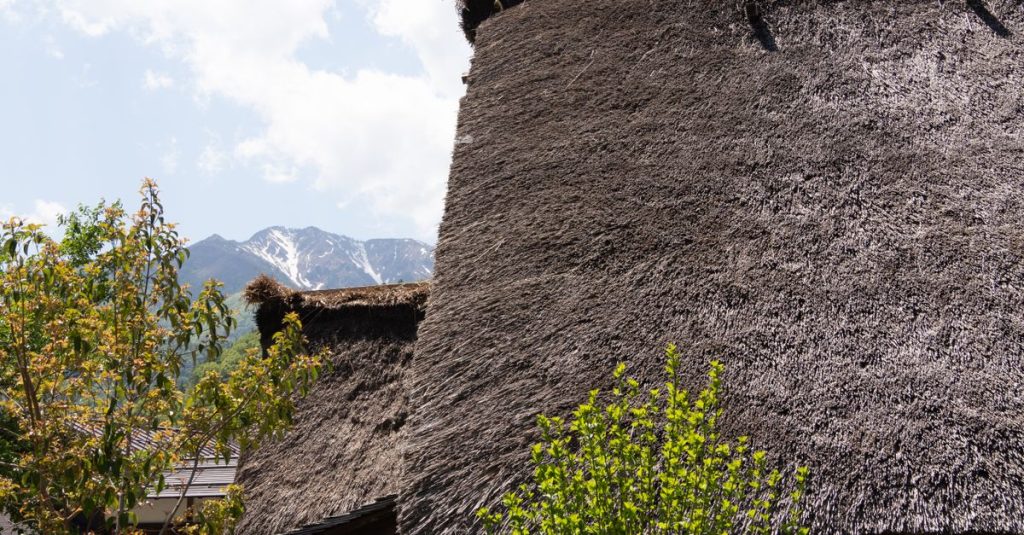
Shirakawa-go: Visit the Gasshō-Zukuri Village
Discover Shirakawa-go, a UNESCO-listed Japanese village with gasshō houses, Alpine scenery and practical advice for planning your visit.
Travelling to Japan in August is entirely possible, provided you plan your stay around three realities: often exhausting summer heat, possible rain or typhoons, and travel linked to Obon. This period also offers traditional festivals, lively evenings and lush scenery, but sightseeing requires more planning than in spring or autumn.
To enjoy your trip to Japan, plan flexible days, breaks in sheltered places and backup options in case of poor weather. Preparing for your stay also means checking forecasts, transport and opening times with the relevant organisations, as local conditions and services may vary.
In brief

In August, summer heat and humidity can affect the pace of your sightseeing, particularly in large cities where walking and transport changes add up. An itinerary that looks reasonable on a map can become exhausting if outdoor visits follow one another without a break. It is better to plan fewer stops per day and leave time to pause in a café, museum or another air-conditioned place.
Start outdoor activities early when it suits your programme, then reserve the hottest hours for indoor visits or journeys. A walk through a historic district, a climb to a temple or a long wait at an attraction is harder under intense sunshine. Take water, light clothing and sun protection; adapt these choices to the conditions on the day rather than to a general average.
In Tokyo, Kyoto or Osaka, alternating activities helps reduce fatigue: an outdoor visit in the morning, an indoor venue afterwards, then an evening outing. Travellers wishing to explore several districts can reduce backtracking by grouping nearby visits together. To choose an urban stop, see our guides to living costs in Japan, which can help you plan your daily spending.
Dehydration and heat exhaustion should not be treated as minor inconveniences. If you feel unwell, stop the activity, move somewhere sheltered and ask for help. Children, older people and travellers with health problems should plan more frequent breaks. In August, a good programme is one you can lighten without losing the essentials.
The possibility of typhoons is one of the factors to consider when travelling in August. Their paths and effects vary: some may mainly bring heavy rain, while others disrupt travel more seriously or lead to activities being suspended. Do not assume that a typhoon will affect your itinerary, but do not organise your trip as if the weather could not change it.
Before a day of travel, check forecasts and announcements from transport operators or local authorities. In the event of a warning, follow official instructions and check directly whether trains, flights and booked visits are running. Information changes as the phenomenon develops; a forecast checked several days earlier is not enough to decide whether to travel on the day.
Avoid putting all your important activities on one day or planning a tight connection before an international departure. Where possible, keep an indoor activity near your accommodation. A museum, department store or covered cultural visit can replace an outdoor excursion without turning a disrupted day into a wasted one.
The rainy season generally occurs before August in many regions, but that does not mean the month is free from showers or unsettled weather. Local conditions matter more than a general rule: islands, coastal areas and mountain regions may experience different situations. For travel, also consult our guide to insurance in Japan and check your policy’s cover, particularly conditions relating to delays, cancellations and medical care. The best precaution is to follow updated guidance and keep some flexibility in your schedule.
Obon is an important period of family commemoration associated with remembering ancestors. It involves gatherings, journeys to people’s regions of origin and, depending on the location, ceremonies or festivities. Practices and dates may vary from one region to another; if you are planning a stop around a specific event, check the dates and locally published information.
This period can also have a practical effect on travel: trains and accommodation are particularly sought after by Japanese travellers returning to their families or going on holiday. Availability and travel conditions may therefore differ from those of an ordinary week. Book essential sections of your itinerary in advance and check times with operators, especially if you need to reach another city on a specific date.
Traditional festivals are not simply shows for visitors. Some ceremonies take place in a religious or family setting; observe local customs, respect restricted areas and ask permission before photographing people. A neighbourhood festival, when open to the public, can offer a more intimate insight into local life than a programme made up solely of major tourist sites.
It is useful to distinguish between the event you want to see and the travel period itself. If a celebration is your priority, build your itinerary around its confirmed location and dates; if sightseeing matters more, moving a stop may help you avoid heavy crowds. Obon enriches your trip when you take into account both its cultural significance and its practical consequences.
To get online as soon as you land, a Japan eSIM can be installed before you leave, with no need to look for a local SIM card.
Choose light, breathable clothing and protection from the sun. A small umbrella or compact rain jacket may be useful, but choose your equipment according to the forecast and planned activities. Comfortable shoes are essential: exploring districts, stations and cultural sites often involves a lot of walking, sometimes on uneven surfaces.
Also prepare a simple way to keep your belongings dry and protect electronic devices during a shower. An overfilled bag quickly becomes unpleasant to carry on a hot day; take only what you need and check luggage-storage or delivery options with the relevant services. For your budget, allow some margin for changes of plan, additional journeys and rooms booked at the last minute.
| What to pack | Why it is useful | What to check |
|---|---|---|
| Light clothing | It makes travelling in hot, humid weather easier. | Expected customs at the places you visit. |
| Sun protection | It helps during visits and waits outdoors. | The forecast and length of exposure. |
| Rain protection | It allows you to continue some journeys during a shower. | Local weather before each outing. |
| Flexible programme | It makes changes caused by heat or disruption easier. | Operators’ times and conditions. |
Preparing for your stay also involves simple habits: check the weather in the morning, identify covered places near your visits and avoid relying on just one outdoor activity. If you are travelling with medication or medical equipment, plan to carry it under suitable conditions and check the applicable rules with the relevant authorities before departure.
As opening times, prices and formalities may change, check this information with official organisations or the relevant providers rather than relying on an old screenshot or an itinerary shared online. Useful luggage is luggage that meets your actual activities while leaving room for the unexpected.
The best itinerary depends on your tolerance of heat, your interests and how often you want to travel between places. Visiting several cities in a short time increases transfers and reduces opportunities to recover. On a first trip, spending more time at a few stops may be more enjoyable than crossing the country without any spare capacity, especially if weather disruption occurs.
Large cities often offer indoor activities, while an excursion to the mountains, an island or a coastal area requires closer checking of conditions and transport. Our guides to planning a budget in Japan can help you compare expected expenses, but prices and availability should be checked when booking.
This organisation cannot guarantee perfect weather, but it prevents a change of plan from throwing your whole trip off balance. It also leaves more room for spontaneous discoveries: a covered market, exhibition or local festival can be a better replacement for an outdoor visit that has become uncomfortable. In August, a coherent, adaptable itinerary is better than a calendar filled to the limit.
Yes, if you are prepared for the heat and plan flexible days. Schedule outdoor visits for the most bearable times and keep indoor activities in reserve.
No. Typhoons are a possibility, not a certainty on every trip. Check forecasts and official announcements throughout your journey, as conditions change.
The period can lead to more domestic travel and high demand for some transport services and accommodation. Check availability and book essential stages as soon as your itinerary is set.
In many regions, the rainy season generally comes before August, but showers remain possible and typhoons can bring heavy rain. Check the weather in each region you visit.
To book tours and activities in Japan ahead, see the options on Klook.
Updated on 14/11/2026
Scroll to see more articles →