Shirakawa-go: Visit the Gasshō-Zukuri Village
Discover Shirakawa-go, a UNESCO-listed Japanese village with gasshō houses, Alpine scenery and practical advice for planning your visit.
Arashiyama, west of Kyoto, brings together a famous bamboo grove, the banks of the Hozu River and Iwatayama Monkey Park. The area is easy to reach by train, but narrow paths and crowds can slow your walk down: allow time to walk between the sites rather than rushing from one to the next.
The bamboo forest is a short stop and is often very crowded, while the climb to the monkey park requires more effort. By organising your visit around your priorities—scenery, hiking or temples—you can make better use of this part of Kyoto. Remember that opening hours and access conditions may change and should be checked with the relevant establishments.
In brief:

Arashiyama is as much a walking district as it is a collection of famous sights. The bamboo grove attracts attention, but the area’s appeal also lies in the river, wooded hills and nearby temples. Togetsukyō Bridge is an easy landmark to find and offers an open view of the hills surrounding the valley.
Tenryū-ji temple, a UNESCO World Heritage Site, is located near the bamboo grove. Its landscaped garden reveals another side of the area: instead of simply walking through busy paths, you can take time to observe the garden’s layout and the mountain views. As visiting conditions and prices may change, check them with the temple before setting out.
Arashiyama suits different paces. A short walk can be limited to the bridge and bamboo forest; a fuller day can add a temple, the riverbanks and the monkey park. The area also fits into a longer trip, for example by following a two-week Japan itinerary or a guide to Fushimi Inari to plan another day in Kyoto. You can also explore other temples in Kyoto.
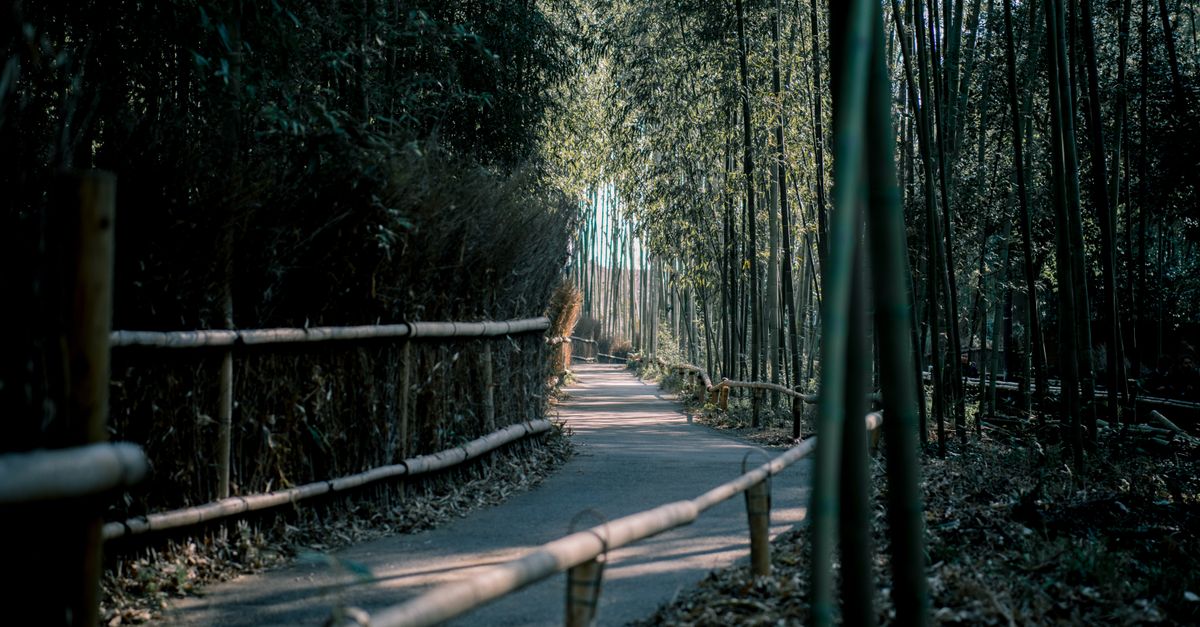
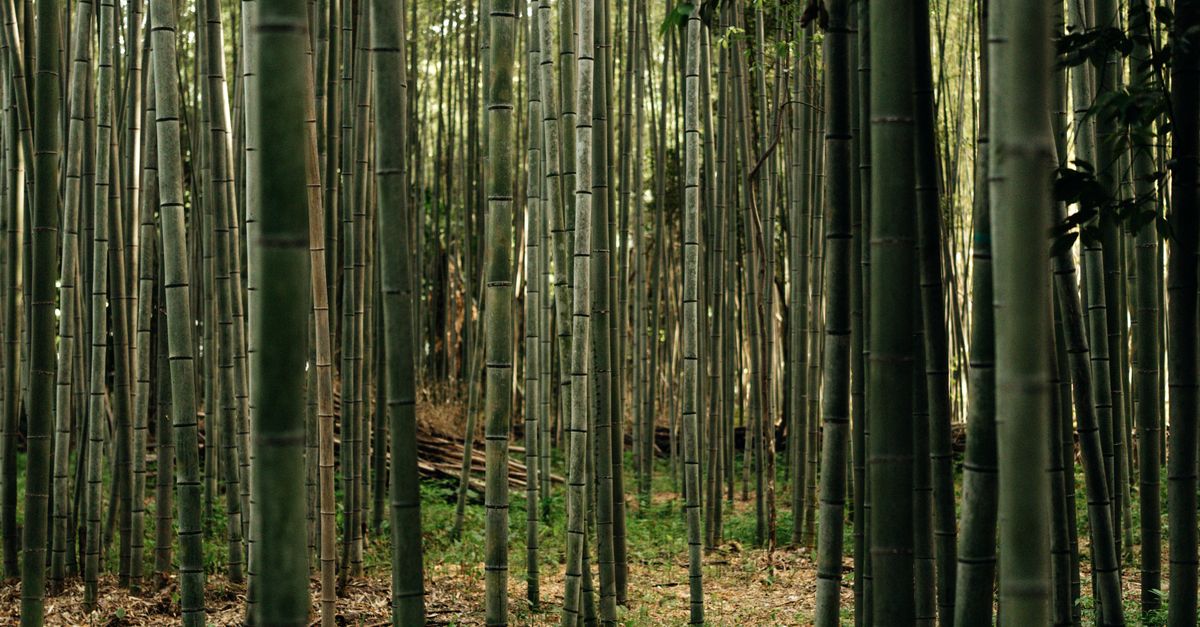
Arashiyama’s bamboo grove is known for its tall, closely packed stems, which filter the light and create a distinctive atmosphere. The main path is relatively short, so the visit is less about the distance covered than the atmosphere, scenery and possibility of continuing to nearby sites. The paths can be very busy, particularly when groups of visitors arrive one after another.
To get more from the bamboo forest, aim to arrive early in the day if your schedule allows. This does not guarantee a solitary walk, but it often reduces the pressure of the busiest periods. Stay on authorised paths and avoid touching or cutting the bamboo: respecting the site helps preserve everyone’s experience.
The walk can be combined with the Tenryū-ji garden or a walk towards the riverbanks. It is useful to decide in advance which site you want to prioritise: narrow paths and crowds make getting around less straightforward than a map might suggest. For a visit focused on scenery and seasonal colours, also consult the practical information on Japan in November and autumn leaves, as the time of year affects both the atmosphere and visitor numbers.
Iwatayama Monkey Park is located on high ground above Arashiyama. It is home to Japanese macaques observed in a natural setting; the visit begins with an uphill trail. This walk requires physical effort and may be less suitable for people with mobility difficulties. Comfortable shoes and water are useful, especially in hot weather.
At the top, the viewpoint lets you look over Kyoto from the hills and observe the monkeys in their environment. This is not a conventional zoo: the animals move freely and their behaviour is unpredictable. Follow the instructions displayed on site, keep an appropriate distance and do not try to attract their attention with food or sudden movements.
A visit to the park therefore involves more than a quick photo stop. Allow for the climb, time spent observing the animals and the descent before continuing to the bamboo grove or river. As entry rules and opening hours may change, check the information directly with the park before travelling there.
To get online as soon as you land, a Japan eSIM can be installed before you leave, with no need to look for a local SIM card.
The train is a practical way to reach Arashiyama from Kyoto, but several stations serve the area. Saga-Arashiyama Station, on the JR Sagano Line, is useful for visitors arriving via the JR network. Arashiyama Station on the Randen Line and Hankyu Arashiyama Station serve other sides of the district. The best choice depends on your starting point and the order of your visits.
Before boarding a train, check the arrival station on a map and compare it with the first site you want to see. Similar names can be confusing, while the stations are not all in the same place. For journeys from other parts of Kyoto, the bus network can also be considered, but traffic and crowds may make the journey less predictable.
Once you arrive, central Arashiyama is mainly explored on foot. Wear suitable shoes and allow extra time to reach the different sites, particularly if you are adding the climb to Iwatayama. Transport lines, connections and fares change: check the operators’ official information before setting out. A general guide to transport in Japan can help you understand the options available across the country. For Kyoto journeys, you can also compare the Japanese railway system.
| Option | Best for | Check |
| JR Sagano, Saga-Arashiyama Station | Access via the JR network and walking towards the central sites | Connections and exact destination |
| Randen Line, Arashiyama Station | Arriving in the area close to the main attractions | Starting point and service frequency |
| Hankyu Line, Hankyu Arashiyama Station | Access via the Hankyu network | Walk required to reach your chosen site |
| Bus | A journey without a change depending on your starting district | Traffic, route and conditions on the day |
For a first visit, a simple itinerary is to reach the area by train, walk through the bamboo grove, then choose between Tenryū-ji temple, the riverbanks and Iwatayama. This avoids unnecessary backtracking. If the monkey park is on your schedule, consider the climb before deciding whether to add other distant sights.
Sightseeing in Arashiyama varies with the season and busy periods. Autumn colours attract many visitors, while rainy periods can make some paths slippery. Check the weather forecast and site instructions on the day itself. As opening hours and access arrangements are not constant, verify them with the relevant establishments rather than relying solely on an old travel indication.
Here are a few pointers for adapting your route to your priorities:
Arashiyama is best discovered by choosing a few complementary experiences rather than trying to tick every place off a list. The right pace mainly depends on how much walking you want to do and how much time you wish to spend at each site.
It is in the Arashiyama district, west of Kyoto, near Tenryū-ji temple. Several stations serve the area; choose the one that matches your route and first stop.
From central Arashiyama, reach the park entrance and then follow an uphill trail. Wear comfortable shoes and check the park’s visiting conditions.
Yes, these two visits can be combined. The climb to the monkey park requires additional effort, however, so plan your route around the walking involved and the time spent at each site.
Saga-Arashiyama Station on the JR Sagano Line, Arashiyama Station on the Randen Line and Hankyu Arashiyama Station serve the area. The best choice depends on your starting point; check connections and travel information before setting out.
To book tours and activities in Kyoto ahead, see the options on Klook.
Updated on 18/11/2026
Scroll to see more articles →