Shirakawa-go: Visit the Gasshō-Zukuri Village
Discover Shirakawa-go, a UNESCO-listed Japanese village with gasshō houses, Alpine scenery and practical advice for planning your visit.
For a first two-week trip to Japan, follow the route Tokyo → Hakone → Kyoto → Nara → Osaka, then return to Tokyo if your flight requires it. This itinerary combines lively neighbourhoods, volcanic landscapes, hot springs and Japanese temples, without changing hotels every night. Hiroshima is best treated as an alternative, replacing a day in Osaka rather than being added at all costs. For a longer route, see this three-week Japan itinerary from Tokyo to Hiroshima.
The programme below begins on the day you arrive in Japan and ends on the day you depart. It groups visits by neighbourhood and leaves time for transfers, meals and unexpected delays: crossing a station with luggage or reaching accommodation in the mountains is part of the journey.
Your airports are the decisive choice: arriving in Tokyo and departing from Kansai avoids returning to the capital. If your tickets are a return flight through Tokyo, keep your final night there. In either case, choose the experiences that genuinely appeal to you rather than multiplying bookings: a walk in Kyoto, dinner in an izakaya or a bath in Hakone deserves as much space as a famous monument.
In brief
| Suggested days | Programme | Night |
|---|---|---|
| Days 1 to 3 | Tokyo: Shinjuku, Shibuya, Asakusa and Ueno | Tokyo |
| Day 4 | Hakone: museum, lake or hot spring | Hakone |
| Day 5 | Travel to Kyoto and Fushimi Inari, depending on arrival time | Kyoto |
| Days 6 to 8 | Higashiyama, Arashiyama and north-western temples | Kyoto |
| Day 9 | Nara, then check in to accommodation in Osaka | Osaka |
| Days 10 to 12 | Osaka and a day of your choice | Osaka |
| Day 13 | Return to Tokyo if necessary | Tokyo |
| Day 14 | Departure | Depending on your flight |

Do not plan an essential visit on the day you land. Formalities, the transfer from Narita or Haneda and flight fatigue make this day difficult to organise precisely. Reach your accommodation, leave your luggage according to the property’s conditions and find the nearest shops.
If you are staying in Shinjuku, spend the evening walking around the shopping streets and Omoide Yokocho. These narrow passages lined with small restaurants offer a glimpse of counter dining, but seats can be cramped and some establishments charge a service fee: check the menu before sitting down.
Choose your accommodation area according to your journeys, not just its reputation. Shinjuku is useful for continuing towards Hakone on the Odakyu network; Ueno can be convenient for exploring the north-east of the capital, while the area around Tokyo Station makes some railway departures easier.
Start with the wooded paths of Meiji-jingū, then head to Harajuku. The contrast is what makes this day interesting: a Shinto shrine, the shops of Takeshita-dōri and the contemporary façades of Omotesandō can all be discovered in the same area, without crossing the entire metropolis.
Continue to Shibuya to observe the crossing and explore the surrounding streets. An observatory can complete the visit, but it is not essential: book only if a panoramic view interests you, and check access conditions with the operator.
Take a proper seated break in the afternoon. The distances covered in stations, the stairs and the crowds are more tiring than a map suggests; removing a secondary address often lets you enjoy dinner and an evening walk more.
Spend the morning at Sensō-ji and in the streets of Asakusa. The area is not limited to Nakamise: move away from the main route and you will find everyday shops and restaurants where you can extend the visit without constantly looking for another monument.
Then choose Ueno for its park and museums, or Akihabara for video games, manga and electronics. Trying to explore both areas in depth after Asakusa quickly turns the afternoon into a succession of journeys; prioritise the one that matches your interests.
In rainy weather, a museum is a better replacement than a long outdoor walk. Check its official calendar before changing your programme, however: a weekly closing day or a timed exhibition may affect your options.
For an immersive experience, preparing a visit to teamLab in Tokyo allows you to choose the venue that suits you. Replace part of this day rather than adding a distant evening journey; check tickets and arrangements directly with the venue.
A Tokyo neighbourhood guide will help you adjust these groupings to your hotel. In the capital, geographical proximity matters more than the number of addresses you tick off.
Leave Tokyo for Hakone and keep the afternoon for a focused visit. Depending on your starting point and accommodation, you can reach the area via the Odakyu network or through Odawara; compare the complete journey to your accommodation, not just the trip between major stations.
Hakone is a mountainous region, not a compact town centre. A ryokan near Hakone-Yumoto, accommodation in Gōra and a property near Lake Ashi involve different journeys. Before booking, check how to reach the accommodation with a suitcase and how you will leave the next day.
Choose one priority: the open-air museum for its sculptures, the lake for its scenery, or a stay focused more on bathing. Combining a mountain train, cable car, boat and museum leaves little leeway if there are queues or disruptions.
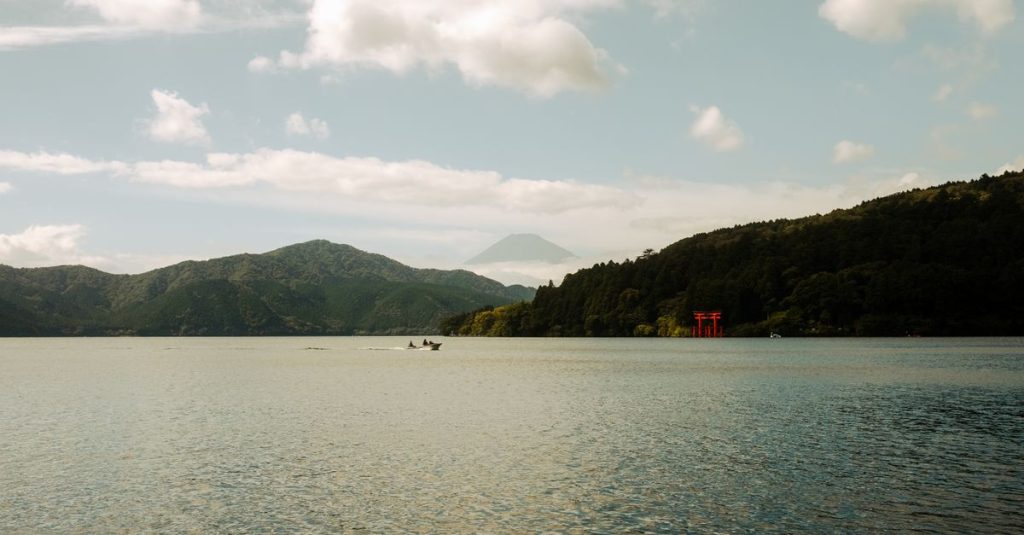
A view of Mount Fuji is never guaranteed. Clouds can hide the summit even when the weather around you seems pleasant. Choose this stop for its landscapes and hot-spring experience as a whole, not just for a photograph.
Hakone is not the same area as Fujiyoshida and Lake Kawaguchi. If Chūreitō Pagoda and viewpoints near the volcano are your priority, replace this stop with a stay in that other area, then recalculate the journey to Kyoto.
Avoid combining these areas in one day with your luggage. The detour adds connections and reduces your time there; on an already busy Japan itinerary, choosing one base is more coherent.
If you book accommodation with dinner, ask what time you need to arrive and mention dietary restrictions in advance. The meal is part of the property’s organisation: do not assume that a late service will be possible after a long excursion.
For bathing, check the property’s rules concerning tattoos, private spaces and use of the facilities. An onsen uses thermal water, while a sentō is a public bath that is not necessarily supplied by a hot spring.
The following day, travel to Odawara and continue to Kyoto by Shinkansen. Check that your chosen service stops at your departure station and check the railway company’s conditions for large luggage.
Once settled in, visit Fushimi Inari if your arrival time and energy allow. The torii paths climb through woodland: you can explore part of the route without trying to reach the summit, then return before becoming exhausted.
To book tours and activities in Japan ahead, see the options on Klook.
Start at Kiyomizu-dera, then walk down towards Sannenzaka and Ninenzaka. This route connects the temple with the neighbouring historic streets without multiplying journeys; the slopes and steps nevertheless make comfortable shoes and regular breaks worthwhile.
Continue towards Yasaka and Gion at your own pace. Religious buildings and shops do not necessarily keep the same hours: check the opening times of the places you genuinely want to visit rather than assuming everything will be accessible during your walk.
Gion remains a residential neighbourhood and a workplace. Respect signs marking private passages and photography restrictions, do not block entrances and do not follow geiko or maiko for a portrait.
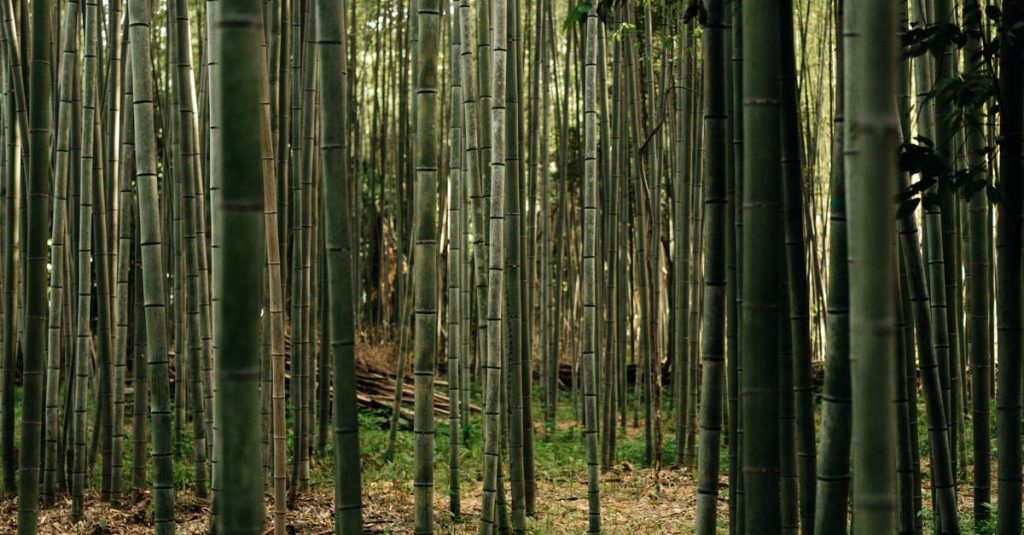
Devote this day to Arashiyama. The bamboo grove can be a stop along the way, but it is best combined with a garden, Tenryū-ji or a riverside walk: the area offers more than a single photographic backdrop.
If you want to reach the temples farther north, reduce the number of other visits. Adashino Nenbutsu-ji and Otagi Nenbutsu-ji are separate places, and reaching them requires planning the corresponding journeys.
Spend the morning at Kinkaku-ji, then choose Ryōan-ji if you would like to see its dry garden. These visits offer different approaches to landscape design: one stages a pavilion beside the water, while the other invites you to observe a mineral space from a fixed viewpoint.
Return to the centre for Nishiki or a booked activity. At the market, eat in the areas indicated by traders and ask before photographing a stall; it is a working marketplace, not simply an attraction.
A tea ceremony experience in Kyoto complements the monument visits. Check the language offered, what the session includes and whether seating is available if sitting on the floor is uncomfortable.
Tip: set up a Japan eSIM before departure so your data works on arrival.
Leave Kyoto for Nara, then continue to Osaka after your visit. This avoids returning to collect your belongings from the hotel, provided you have arranged luggage storage, confirmed a drop-off or organised luggage forwarding between properties.
JR Nara and Kintetsu-Nara stations are not in the same place. Compare the journey from your accommodation, the walk to the park and the onward connection to Osaka; the best option depends on the complete route, not just the line name.
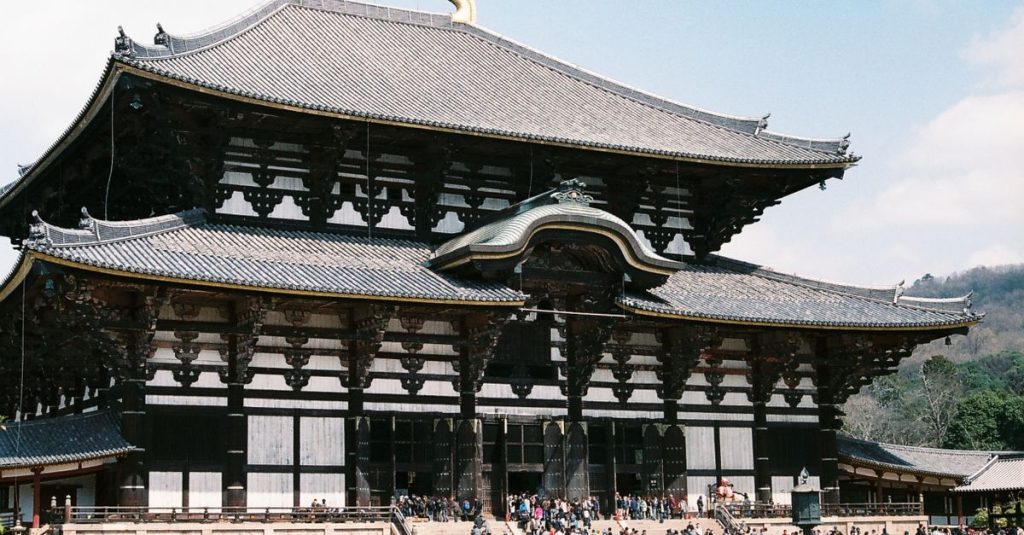
In Nara, combine the park, Tōdai-ji and the area around Kasuga Taisha at your own pace. The wooded paths offer changing scenery and help you avoid spending the entire visit in the areas where visitors feed the deer.
These animals are still wild. Do not give them your own food, protect papers and bags they could grab, and use only the dedicated biscuits sold locally if you want to feed them, following the posted instructions.
Begin at Osaka Castle Park. A walk around the moats may be enough if you prefer the outdoors; if you enter the keep, expect a museum presentation in a reconstruction rather than original historic interiors preserved as they were.
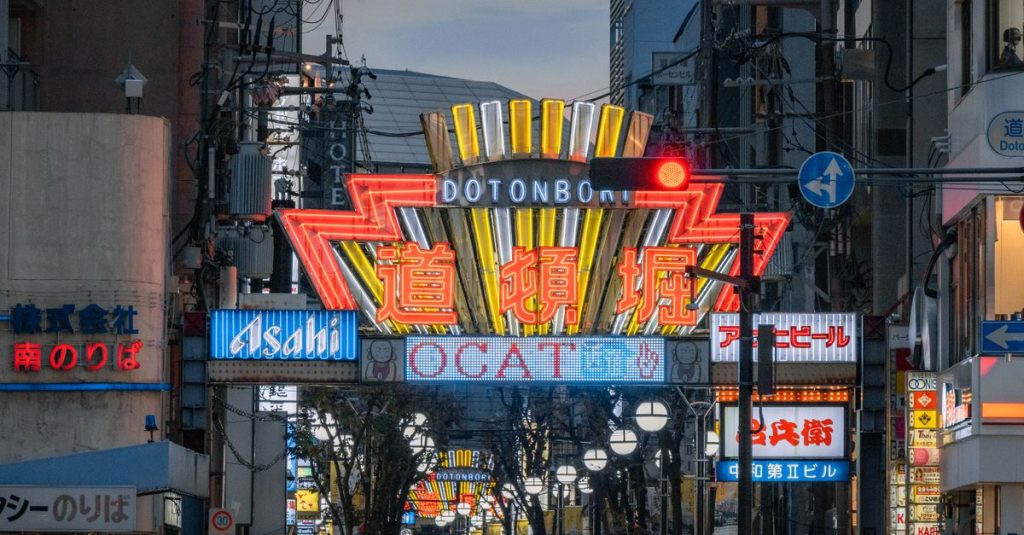
Then head to Namba and Dōtonbori at dusk. This area is well suited to an on-foot exploration of the signs, shopping arcades and restaurants, without requiring a series of bookings.
Try takoyaki or okonomiyaki according to your preferences, but compare menus before choosing a venue. Large chains and long queues do not by themselves guarantee a better meal.
Walk around Kuromon to discover its food shops, then choose a direction. Shinsekai extends the southern exploration, while Nakazakichō and Umeda make a different day centred on small shopping streets and large urban complexes.
Do not try to connect everything on foot. The distances between these areas become significant over a day; use the underground for useful journeys and save walking for streets where you genuinely want to stop.
Keep this day for exploring a neighbourhood in greater depth, shopping or visiting Universal Studios Japan. If you choose the park, devote the day to it and check its official conditions concerning tickets, area access and any additional options.
This day also provides the flexibility needed to consider Hiroshima. Do not fill it with non-refundable activities before finalising your route; a free day is an organisational choice, not a lack of plans.
If your flight departs from Tokyo, return to the capital the day before. Spending the night there avoids making your international departure dependent on a long railway journey on the same day. Choose your hotel according to the airport and the time you need to report there.
Keep the afternoon for a postponed visit or shopping near your accommodation. It is not the ideal time for a distant excursion: you will also need to pack, check your documents and organise the next day’s transfer.
If you depart from Kansai, keep Osaka as your base and remove the return east. Compare the overall cost of flights with the cost of the journey avoided, rather than looking only at the displayed airfare.
Check the terminal, route and times directly with the airline and the operator of your chosen transport. Narita and Haneda require different journeys; at Kansai, also identify the departure station and the service corresponding to your ticket.
Allow suitable time for luggage and connections. Breakfast near your hotel is easier to adjust than a final visit on the other side of the city.
To include Hiroshima, replace the free day in Osaka and spend the night there. Use your arrival for the Peace Memorial Park and museum, then continue to Tokyo the following day if your return flight requires it.
Miyajima deserves more than a stop between connections. If the island is a priority, remove another day from Kansai to give it proper time; the torii’s appearance depends on the tide, so check the forecast with the relevant services.
For transport in Japan, separate long-distance journeys from urban travel. An IC card makes many local journeys easier, but does not automatically replace the tickets needed for the Shinkansen; also check its compatibility with the services you use.
The Japan Rail Pass is not automatically worthwhile for this route. Compare the journeys you actually plan to make, the services covered and the conditions published by the JR Group when you buy it, without counting journeys you will not take.
Build your Japan travel budget around the accommodation and transport available on your dates. Add meals, activities, possible taxes and a reserve; check prices with the relevant properties and official organisations, as they change.
Finally, check entry requirements with the Japanese embassy and the Immigration Services Agency according to your nationality and situation. Book the key stages first, then keep your walks flexible.
Yes, provided you focus on a coherent route such as Tokyo, Hakone, Kyoto, Nara and Osaka. Adding several distant regions reduces sightseeing time and increases transfers.
Hiroshima can replace a day in Osaka, preferably with an overnight stay. To visit Miyajima without rushing, remove another day elsewhere in the itinerary.
No. Compare individual tickets and passes based on your exact journeys. Check prices, covered services and conditions with the JR Group before booking.
Spring and autumn are well suited to walking, but blossom and autumn colours vary by region and weather. In summer, adapt visits to the humid heat; in winter, bring suitable clothing, particularly for Hakone.
Updated on 30/10/2026
Scroll to see more articles →