Kumano Kodo: Pilgrimage Preparation, Stages and Access
Plan your Kumano Kodo pilgrimage with practical advice on routes, stages, accommodation, access and hiking conditions in Japan’s Kii Peninsula.
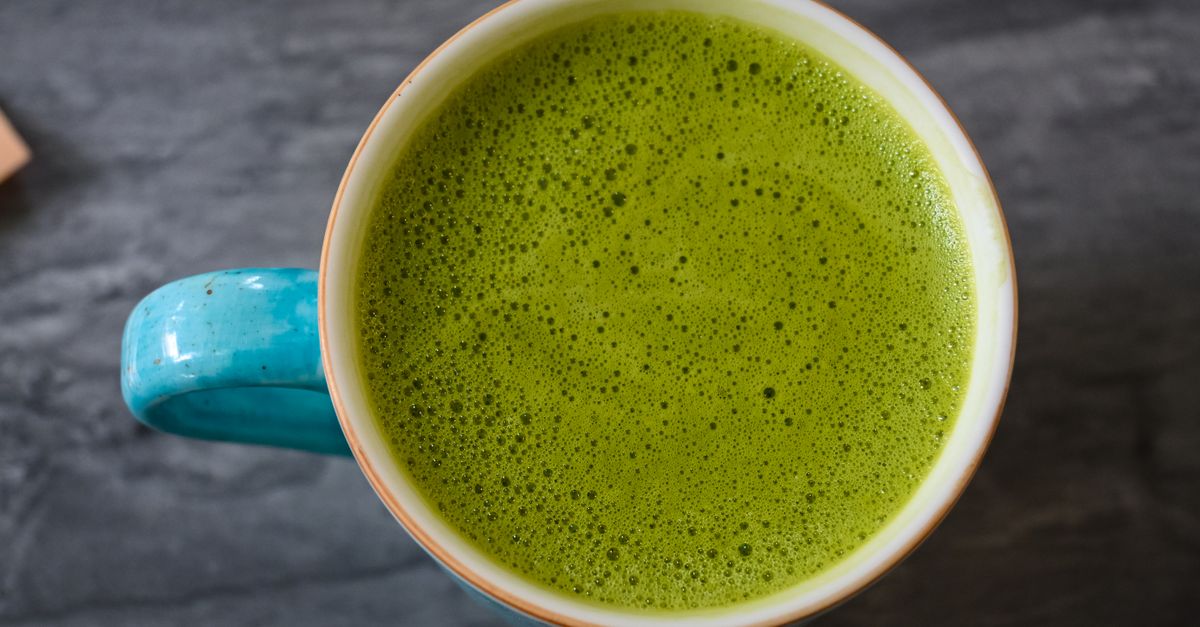
Matcha is a powdered Japanese green tea made from tencha, a tea grown under shade and then processed before being ground. Unlike an infusion, it is prepared by dispersing the powder in water: you therefore consume the leaf itself, not only its soluble compounds. Its history links Chinese whisked-tea practices with Japanese traditions that turned the shared bowl into an art of hospitality.
When choosing it, labels such as “ceremonial”, “premium” or “culinary” are not enough: they do not form a harmonised international classification. Origin, freshness, processing and, above all, the intended use provide a better indication of what to expect when tasting it.
The tea ceremony gives this drink another dimension, based on attention to guests, objects and the season. Understanding this journey, from leaf to bowl, helps you distinguish powder intended for baking from a tea that is pleasant to drink on its own, as well as a homemade preparation from a genuine practice of chanoyu.
In brief
The story begins in China, where tea reduced to a powder and whisked with hot water was practised before developing in Japan. Religious and cultural exchanges helped transmit it, particularly among Buddhist communities.
The monk Eisai occupies an important place in the Japanese history of tea and in its spread among Zen communities. However, it would be inaccurate to credit him with introducing every use of tea to the archipelago: tea was already known there.
Uji, near Kyoto, is closely associated with quality Japanese teas, their processing and their trade. Its reputation rests as much on the skills of growers and tea houses as on a simple geographical location.
The name on a box should therefore be read carefully: the place where the tea is grown, where it is processed and the seller’s address do not necessarily refer to the same place. Detailed information about the producer is more useful than a general reference to Kyoto.
Other regions, particularly Nishio and Yame, also have recognised expertise. To explore this world during a stay, a Kyoto guide can help place tea houses within their cultural surroundings.
Sen no Rikyū profoundly influenced the aesthetics and practice of Japanese tea, particularly by valuing simplicity and attention to the encounter. He did not create the practice alone: his teaching forms part of a collective history continued by different schools.
Japanese whisked tea is therefore a transformed heritage, not a tradition that has remained identical since its beginnings. This evolution also concerns the way the leaves are grown and processed.
Before harvesting, tea plants intended for tencha are shaded. This reduction in light changes the composition of the leaves and contributes to their colour and flavour profile, including the presence of umami flavours.
Shading is not, however, a sufficient guarantee of quality. The cultivar, growing conditions, leaf selection and processing also influence the result; other Japanese teas are grown under shade without becoming matcha.
The harvested leaves are generally steamed to limit enzymatic oxidation, then dried without undergoing the rolling characteristic of sencha. Refining then removes the coarser parts, particularly stems and veins.
The tencha prepared in this way is ground into a very fine powder. Stone-mill grinding remains emblematic, but the mere mention of a mill is not enough to establish the quality of the finished product.
Poor raw material does not become excellent through grinding. Conversely, a carefully produced tea can lose its appeal if the powder is exposed to air, heat or moisture after opening.
Its fineness exposes a large surface area to the surrounding environment, encouraging flavours to deteriorate. Choose an opaque, airtight container, then follow the manufacturer’s storage instructions.
If the manufacturer recommends keeping it cool, allow the closed container to return to room temperature before opening it to limit condensation. Always use a dry spoon: preserving freshness matters as much as selecting a good origin.
Matcha grades do not constitute a universally certified scale. “Ceremonial”, “premium” or “grand cru” may cover different criteria depending on the seller; comparing only these words can therefore easily lead to mistaken conclusions.
The useful question concerns the intended use: are you looking for a tea to drink on its own, a base for a latte or a baking ingredient? A strong flavour that is not very pleasant by itself may still work well in a milky or sweet preparation.
| Commercial label | Generally suggested use | What to check |
|---|---|---|
| Ceremonial matcha | Drinking on its own | Flavour balance and the use recommended by the tea house |
| Premium | Drinking on its own or in a latte | A precise description, as the term is not very informative on its own |
| Culinary matcha | Baking, desserts and mixed drinks | Flavour intensity and ingredients without unwanted additions |
Look for a detailed origin, an identifiable seller, protective packaging and preparation advice suited to the product. For pure powder, the ingredients list should not reveal a sweetened blend intended for instant drinks.
A bright green colour is an indication, not absolute proof: photographic lighting and differences between leaves make comparisons difficult. When opened, a fresh smell and balanced taste are more informative than a promise of exceptional colour.
Ceremonial matcha is not indispensable simply because it carries that label; what matters is its suitability for drinking on its own. For koicha, ask specifically for a suitable product: not every item presented as high-end is appropriate for this concentrated preparation.
Conversely, culinary matcha is not necessarily a defective product. In Japanese cooking, as in adapted baking recipes, quality is also judged by how well the ingredient suits the recipe.
Chanoyu refers to the practice of preparing and sharing tea according to transmitted forms. The terms chadō and sadō, different readings of the same expression, place greater emphasis on the “Way of Tea” and its study.
The tea ceremony brings together harmony, respect, purity and tranquillity, traditionally associated with Rikyū’s teaching. These principles appear concretely in the welcome, the choice of utensils, how they are handled and mutual attentiveness. The spirit of this welcome can also be compared with the etiquette described in guides to Japanese greetings.
Wabi and sabi shed light on certain aspects of this culture: simplicity, patina and sensitivity to the passage of time. An irregular bowl may have a place in it, but not every imperfection automatically has aesthetic or spiritual value.
The expression ichigo ichie recalls the unique nature of the encounter. This does not require permanent silence: discussing the objects, sweets or season can fully contribute to hospitality.
Ritualised cleaning makes the host’s attentiveness visible; it obviously does not remove the need for prior cleanliness. Gestures vary according to the schools, utensils and type of gathering.
A chaji is a formal reception that may include a meal, koicha and usucha. A chakai is generally a less formal tea gathering: a tourist introduction therefore does not necessarily reproduce an entire traditional reception.
During a tea activity in Kyoto, follow the host’s instructions for taking the bowl, turning it and appreciating the utensils. Mention in advance if you have difficulty sitting on the floor and ask for permission before taking photographs.
Check the organiser’s opening times, prices and booking conditions. Understanding the attention given to the guest matters more than memorising an allegedly universal choreography.
At home, carefully preparing a bowl is not the same as reproducing the entire Way of Tea. You can nevertheless retain its attentiveness to objects and sensations, without presenting a personal habit as a complete traditional ceremony.
The chawan is the bowl; its opening should leave enough space to work the drink. The chasen, a bamboo whisk, disperses the powder, while the chashaku is used to scoop it and is not a perfectly consistent measure of mass.
Warm the bowl, empty it and wipe it before sifting the tea into it. Soften the whisk’s prongs in lukewarm water and follow the producer’s recommendations for quantity and temperature.
For usucha, add the hot water and make quick back-and-forth movements without pressing the prongs against the bottom. The foam sought depends in particular on the school and preparation style: a completely foamy surface is not a universal requirement.
Koicha is worked into a thick, homogeneous texture without seeking aeration. It is therefore not simply usucha whisked for longer; the concentration and choice of tea profoundly change the experience.
If the result seems too bitter, adjust the temperature, amount of powder or product used. For a latte, first disperse the tea in water before adding the milk: the powder remains suspended rather than dissolving completely.
This drink contains caffeine, L-theanine and polyphenols, but their presence does not guarantee relaxation or concentration without agitation. Effects depend on the product, the amount consumed and individual sensitivity.
It is not a treatment for cancer, neurodegenerative diseases or excess weight. In case of pregnancy, medical treatment or sensitivity to caffeine, ask a healthcare professional for advice.
After use, rinse the whisk and let it air-dry without enclosing the damp bamboo. A successful preparation depends on suitable gestures and well-stored tea, not on an automatic promise of wellbeing.
Matcha is tencha powder dispersed in water: the leaf itself is consumed. With a classic infusion, the leaves are removed after releasing some of their compounds.
No. This commercial label does not correspond to a harmonised international classification. Origin, freshness, traceability and suggested use are more useful criteria.
Uji has a strong tradition, but it is not the only interesting origin. Compare the producer’s information and the flavour profile rather than choosing solely by a regional name.
Yes, another utensil can disperse the powder, but the texture and control of the movement will be different. The chasen remains particularly well suited to working the tea in a bowl.
An introduction intended for visitors will generally include explanations. Follow the host’s instructions and mention your accessibility needs when booking.
Updated on 25/10/2026
Scroll to see more articles →